What Is a Takeoff in Construction? A Complete Guide
Understanding the Term “Takeoff” in Construction
What Is a Takeoff in Construction? A Complete Guide
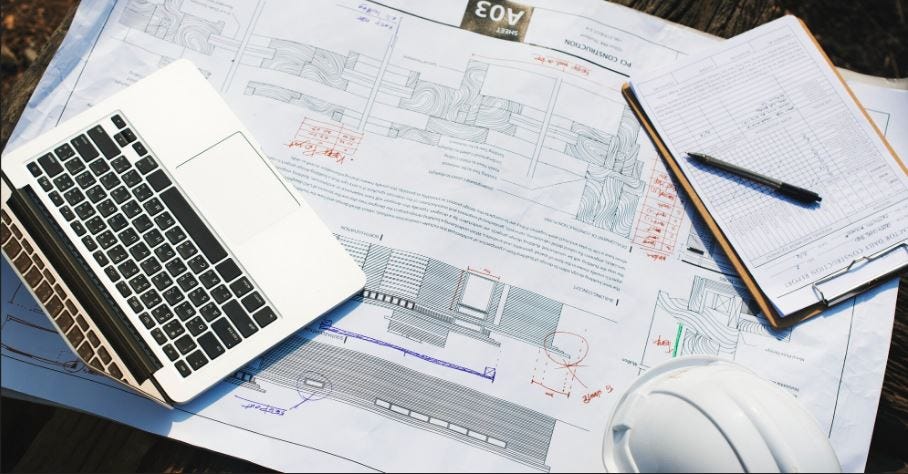
Understanding the Term “Takeoff” in Construction
In construction, a takeoff refers to the process of calculating materials needed for a project. It includes detailed measurement of items like concrete, wood, steel, or drywall. Contractors use this information to estimate costs and resources accurately.
Why Material Takeoffs Matter
A takeoff ensures no resources go to waste. It prevents overspending and delays. It also helps create accurate bids. Without it, budgeting becomes guesswork, and project timelines suffer.
Types of Construction Takeoffs
There are two main types:
Manual Takeoff
Manual takeoffs involve reading blueprints and recording quantities by hand. It’s time-consuming but works well for small projects.
Digital Takeoff
Digital takeoffs use software to automate calculations. They save time, reduce errors, and handle complex plans efficiently.
What’s Included in a Material Takeoff?
A construction takeoff includes:
Material descriptions
Measurements
Quantities
Unit prices
Total cost estimates
Every item must be listed with precise detail. Accuracy here sets the tone for the entire project.
Tools Used for Construction Takeoffs
Professionals use different tools based on project size:
Rulers and calculators (for manual work)
Construction estimating software (like PlanSwift or Bluebeam)
Digital measuring tools for scaling drawings
Using the right tools improves speed and reliability.
Steps to Perform a Takeoff in Construction
1. Review Construction Plans
Begin with a detailed review of blueprints. Understand all project requirements.
2. Identify Materials
List every material involved — nails, beams, cement, piping, etc.
3. Measure and Quantify
Measure each section of the plan. Multiply by the quantity needed.
4. Calculate Costs
Add unit prices to quantities. Include labor if needed.
5. Double-Check Everything
Review your numbers for accuracy. A small mistake can become a costly issue.
Benefits of Accurate Construction Takeoffs
Better project planning
Reduced material waste
Accurate cost estimation
Increased profit margins
Improved project timelines
These advantages show why takeoffs are essential to any construction job.
Common Mistakes in Construction Takeoffs
Overlooking small items like fasteners or fittings
Incorrect measurements
Wrong unit conversions
Ignoring plan updates
Avoiding these mistakes saves time and money.
How Technology Improves Takeoff Accuracy
Modern software uses artificial intelligence and automation. It detects errors quickly. It also integrates with estimating tools for real-time updates.
Who Performs the Takeoff in Construction Projects?
Usually, estimators handle takeoffs. Sometimes, project managers or subcontractors assist. Their expertise ensures accurate and professional results.
Final Thoughts
A ***construction takeoff*** isn’t just paperwork. It’s the foundation of successful project execution. Done right, it helps deliver projects on time and within budget.
Make your takeoff process efficient and error-free with the right tools and attention to detail.
메타데이터
- post_id
- f4f024d44419
- slug
- what-is-a-takeoff-in-construction-a-complete-guide-f4f024d44419
- url
- https://medium.com/@constructem/what-is-a-takeoff-in-construction-a-complete-guide-f4f024d44419
- canonical_url
- https://medium.com/@constructem/what-is-a-takeoff-in-construction-a-complete-guide-f4f024d44419
- author_url
- https://medium.com/@constructem
- status
- ok
- fetched_at
- 2026-06-16 19:09:56