Entry-Level Tech Jobs That Don’t Require Experience
One of the biggest myths about tech is that you need years of experience before getting started.
Entry-Level Tech Jobs That Don’t Require Experience

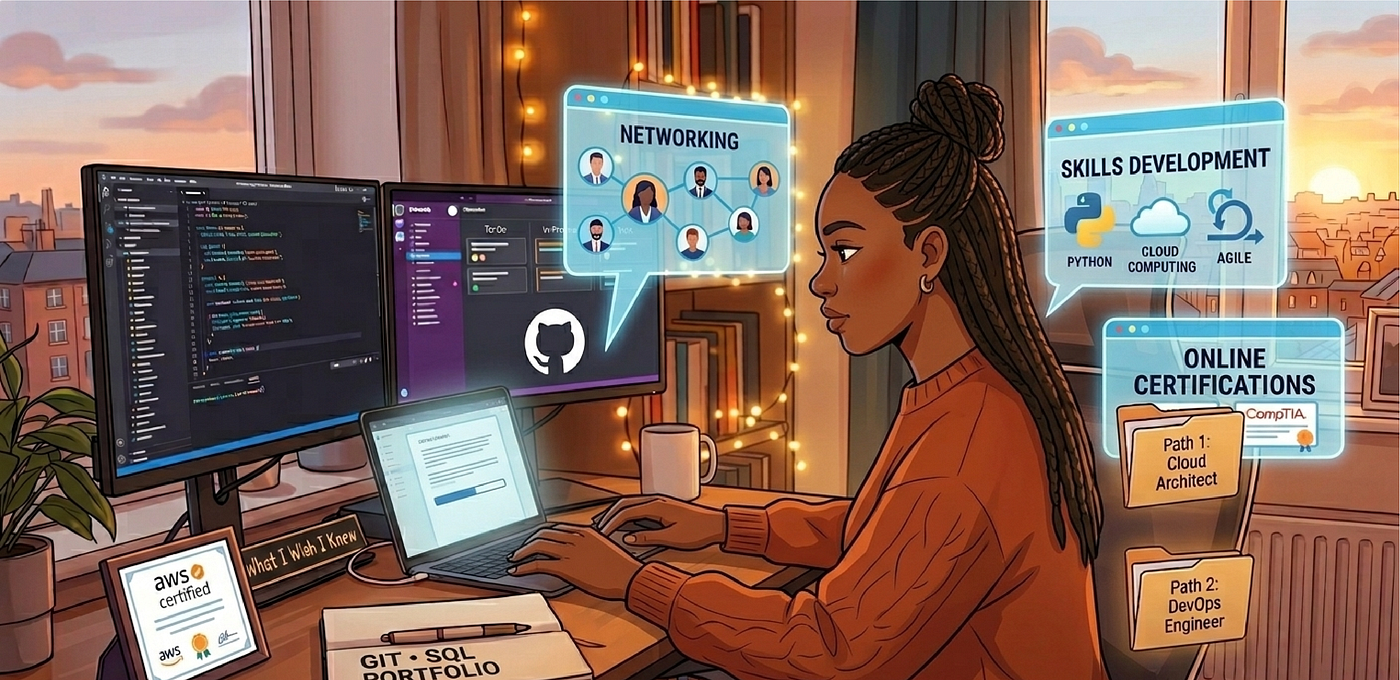
Breaking the ‘experience myth’: Spotlighting the core pillars like building a solid project portfolio that unlock entry-level tech roles. Illustration by Nikki Adjei
One of the biggest myths about tech is that you need years of experience before getting started.
Many entry-level tech roles focus more on:
- willingness to learn
- projects
- communication
- curiosity
- consistency
The Biggest Myth About Tech Careers
A common misconception is that every tech role requires years of experience and advanced coding skills.
While some specialised roles are highly technical, many entry-level opportunities focus more on:
- willingness to learn
- communication
- problem-solving
- customer support
- adaptability
This creates opportunities for beginners, graduates, and career changers.
Not a Medium Member? Click here to read the full article😀
Why Transferable Skills Matter
Many people underestimate how valuable their previous experience can be.
Skills gained from retail, hospitality, customer service, administration, teaching, or creative industries can transfer strongly into technology careers.
Communication, organisation, teamwork, and resilience are all highly valuable within tech environments.
Junior Cloud Support Roles
What the role involves:
You will be the first line of defence when cloud infrastructure goes wrong. Your day will involve monitoring cloud systems, responding to alerts, fixing basic access issues, and helping users troubleshoot problems on platforms like AWS or Azure.
Beginner skills needed:
Basic understanding of cloud concepts (like EC2 instances or storage), foundational Linux commands, and an introductory certification like AWS Cloud Practitioner or Azure Fundamentals.
Why it’s beginner-friendly:
Companies do not expect you to build massive cloud architectures on day one. They need people who can follow standard documentation, escalate major issues, and learn the environment as they go.
IT Support & Service Desk
What the role involves:
This is the classic gateway into tech. You will be helping company employees or customers fix everyday technical problems, from resetting passwords and configuring laptops to troubleshooting network connections and software glitches.
Beginner skills needed:
Good operating system knowledge (Windows or MacOS), basic networking concepts, and excellent communication skills to talk to people who aren’t technical.
Why it’s beginner-friendly:
It is heavily focused on problem-solving and communication rather than complex coding. Most companies have a massive database of internal guides that tell you exactly how to fix 90% of the problems you will face.
QA & Software Testing
What the role involves:
Your job is to try and break things before customers see them. You will review new software features, run manual tests to ensure everything works as it should, and document any bugs or glitches you find so the developers can fix them.
Beginner skills needed:
A sharp eye for detail, strong logical thinking, and the ability to write clear, step-by-step bug reports.
Why it’s beginner-friendly:
You can start with manual testing, which requires zero coding skills. It lets you get your foot in the door of a tech team, understand how software is built, and learn automation skills later on.
Junior DevOps Pathways
What the role involves:
DevOps is rarely a direct entry-level job, but junior pathways focus on helping teams deploy code smoothly. You will assist with managing basic automation pipelines, writing simple scripts, and maintaining deployment environments.
Beginner skills needed:
Foundations of Git and GitHub, basic scripting (like Bash or Python), and a solid grasp of container tools like Docker.
Why it’s beginner-friendly:
In a junior pathway, you will be shadow-learning under senior engineers and working on smaller, low-risk automation tasks. It is the perfect bridge for anyone who loves both system administration and coding.
Technical Customer Support
What the role involves:
You will support users of a specific tech product or SaaS platform. When customers run into complex technical errors or API issues that regular customer service can’t solve, they get escalated to you to investigate and fix.
Beginner skills needed:
A deep curiosity about how software products work, basic database knowledge (like simple SQL queries), and great empathy for frustrated users.
Why it’s beginner-friendly:
It perfectly bridges the gap between customer service and engineering. It allows you to build deep technical expertise in a specific software stack while using your existing communication skills to add massive value immediately.
How To Become More Employable Without Experience
Even without commercial experience, you can still make yourself more competitive by:
- building projects
- improving LinkedIn
- learning GitHub
- creating a CV tailored to tech roles
- practising interviews
- networking consistently
- understanding the concept
Small consistent improvements compound over time.
A Real-World Example
For example, someone starting in Cloud may begin by learning AWS fundamentals, setting up a free-tier account, and deploying a simple static website.
From there, they may gradually learn:
- Linux basics
- networking
- IAM permissions
- monitoring
- infrastructure automation
Over time, these small practical experiences build confidence and create talking points for interviews.
Frequently Asked Questions
Can I get a tech job without experience?
Yes. Many entry-level roles focus on transferable skills, projects, communication, and willingness to learn.
Is tech still worth learning in 2026?
Yes. Technology continues to grow across almost every industry including healthcare, finance, retail, education, entertainment, and AI. Companies still need people who can build, support, secure, automate, and improve modern systems.
While the industry is competitive, there are still strong opportunities for people who build practical skills, projects, consistency, and adaptability over time.
What is the easiest tech role to start with?
IT Support, Technical Support, QA Testing, and Junior Cloud Support roles are often beginner-friendly.
How can I stand out without experience?
Projects, certifications, LinkedIn optimisation, networking, and consistency can help you become more competitive.
Should I learn coding before first?
Not always. Some entry-level roles require minimal coding initially. Tech is more than just coding.
You can begin learning Cloud fundamentals before becoming highly confident in coding depending on the role you opt for.
However, basic scripting and automation skills become increasingly useful when you progress into Cloud and DevOps roles.
*Starting with:
- Linux
- Git
- basic Python or Bash
- networking fundamentals*
can make the learning journey smoother.
What’s the best first certification?
*This depends on your chosen path, but beginner-friendly certifications often include:
- AWS Certified Cloud Practitioner
- Microsoft Azure Fundamentals (AZ-900)
- CompTIA A+
- Google Cloud Digital Leader*
Certifications help build foundational knowledge, but combining them with projects and practical learning is even more valuable.
Start Building Your Tech Career
I created the ☁️ Tech Career Launch System to help beginners build more clarity, structure, and confidence while learning Cloud and DevOps.
Inside you’ll find:
- beginner roadmaps
- AI career tools
- portfolio guidance
- application tracking
- interview support
🚀 Get the full Tech Career Launch System here:
Starting a career in tech is not about knowing everything from day one.
It is about building momentum, staying consistent, and learning as you go.
Everyone starts somewhere the key is to start and keep going.
메타데이터
- post_id
- f4fe52ba664c
- slug
- entry-level-tech-jobs-that-dont-require-experience-f4fe52ba664c
- url
- https://medium.com/@nikkiadjei03/entry-level-tech-jobs-that-dont-require-experience-f4fe52ba664c
- canonical_url
- https://medium.com/@nikkiadjei03/entry-level-tech-jobs-that-dont-require-experience-f4fe52ba664c
- author_url
- https://medium.com/@nikkiadjei03
- status
- ok
- fetched_at
- 2026-06-09 15:37:30