“The Divide”: A Brief Guide to Global Inequality and its Solutions
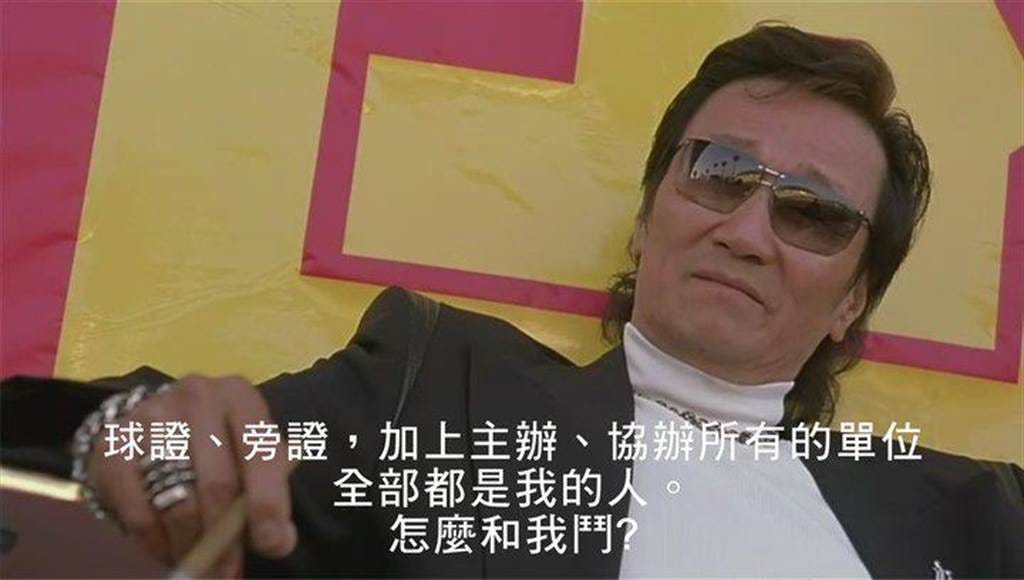
If the global economic system were likened to a soccer match between nations, Western countries not only play both sides of the field but…
“The Divide”: A Brief Guide to Global Inequality and its Solutions
If the global economic system were likened to a soccer match between nations, Western countries not only play both sides of the field but also mix rookies with veterans on the field. For developing teams from Africa and Latin America, they show no mercy in their attacks and even use the guise of “sportsmanship” to cover up their manipulation of the rules behind the scenes.
Introduction
When you think about the reasons for poverty, what comes to mind? Maybe it’s a lack of education, not working hard enough, or other negative stereotypes. It’s as if everyone in this world has a shot, and with enough grit and grind in this age of abundant resources, you can pull yourself up by your bootstraps and move up the socioeconomic ladder. Many folks genuinely believe the saying “you made your bed, now lie in it,” simplifying the vast complexities of global wealth disparity into a nutshell.
Most of my peers have reaped the benefits of Taiwan’s thriving economy and can’t quite grasp the true face of poverty. Joking about low-income families owning iPhones or spending on in-game purchases is just another laugh at school. Or when they spot homeless folks lingering around libraries or train stations, their first instinct is to look the other way. The real stories behind poverty are swiftly brushed under the rug, replaced by baseless assumptions and stereotypes. If we don’t even bother understanding those in our immediate circles, how can we expect to care about stories from developing nations in Africa and Latin America?
Then there are those who roll their eyes at the mere mention of “equality.” To them, if you’re poor, it’s because you didn’t hustle hard enough and deserve to be left behind. They believe it’s all about the grind — focus on yourself, level up your own life, and earn that dough. The whole “spread the love” concept? They see it as unnecessary. If you think this book is just about pointing fingers at the wealthy, trying to guilt-trip them into charity and donations, then you’re way off base.
The focus of this book isn’t about doling out handouts or advocating for absolute equality. It’s about shedding light on how inequality has been cleverly masked as charity and international goodwill, and who, historically, set up this rigged game in the first place.
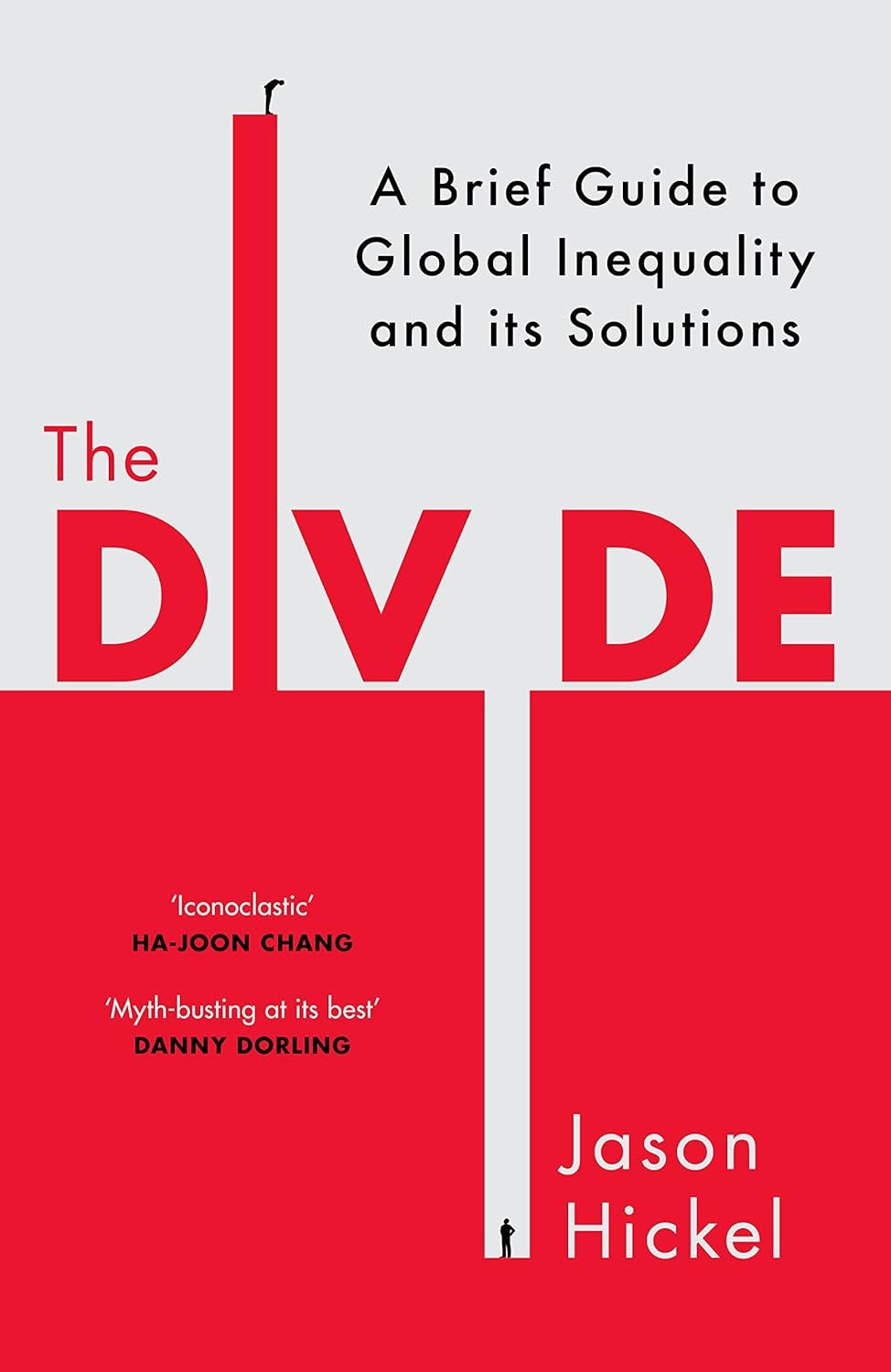
book cover
Give Me Liberty or Give Me Death?
When it comes to defining freedom, it’s been a topic of hot debate since, well, the dawn of time. Let’s talk about freedom of speech, for instance. Some folks dream of an online world with no gates and walls, where any kind of oversight means a lack of freedom. Yet others argue for a more guarded internet, where damaging, aggressive, or misleading content is kept in check, advocating for a measured, sensible form of liberty.
This debate isn’t just confined to free speech. It extends into the realm of economics. Keynes vs. Friedman. Should the government step in, or should we let the ‘invisible hand’ of the free market run its course? The tug-of-war over governmental intervention versus free-market principles never seems to end. Some dread the heavy hand of government, while others fear the potential chaos that unchecked freedom might unleash. As you navigate through this article, I’d challenge you to ponder: What does true freedom mean to you?
For those of you in Taiwan, there might be a feeling that the giant next door, China, tends to throw its weight around. From the Belt and Road Initiative, economic protectionism, to imitating a slew of Western products, it seems at odds with the Western spirit of open freedom. Now, if you’re nodding in agreement, be wary. It’s easy to slip into a binary mindset, one that paints democracy in golden hues and communism in shades of malevolence.
After all, China’s human rights issues (hello, Xinjiang and Hong Kong) and its aggressive economic moves are contemporary concerns. For many, the feelings of apprehension and indignation toward these perceived injustices are quite fresh. And, oh, those occasional provocations of Taiwan’s airspace? Doesn’t exactly make for a good neighborhood vibe, right?
Whenever we venture into such debates, it’s vital to take a step back, dig deep, and avoid painting with a broad brush. It’s rarely ever just black and white.
[embed]Taiwanese often turn China’s questionable policies into entertainment, a talent in making light of serious issues. Yet, when the amusement factor trumps critical thought on global subjects, it risks clouding real discussions, reinforcing stereotypes, and intensifying group tensions. Balance, it seems, is key.
Rolling back the timeline, Western democracies weren’t as “benign” as they seem. Beneath the sugarcoat of democracy and freedom was an insatiable hunger for economic growth. A deep dive into history reveals that some of China’s aggressive tactics are mere reflections of Western strategies. But, China’s closeness to the present day and subpar PR skills have tarnished its global image. Yet, credit where it’s due: China has robustly elevated its economy and standard of living.
Post-WWII brought waves of decolonization
With war’s aftermath fresh, European leaders grew disillusioned with the exploitative nature of colonization. As nations gained independence, they hoped to emulate the Western trajectory of economic growth.
Freed from colonialism’s lopsided economics, developing countries leaned into developmental economic policies. From import substitution to tariffs, they nationalized resources previously under colonial control, initiating land reforms and capital controls, all propelling tangible growth.
These policies, beneficial to emerging nations, weren’t exactly palatable to the West’s economic interests. The West, faced with losing cheap labor and grappling with new taxation structures, saw their dominant market positions threatened. As beneficiaries of the global system, their vision was endless growth.
Economic stagnation typically arises from:
- Market saturation
- Resource bottlenecks
- Class conflicts
The Western approach? Shift these ‘internal’ challenges to other parts of the global ‘free market’, ensuring steady GDP growth and competitive edge.
Ever since I was young, I've wondered: why the obsession with endless economic growth? The world I've known is already rich in material experiences. It's like we're missing the word "enough." More money is always better, the economy must keep expanding. When people fear falling out of the privileged class, their first instinct isn't to aid the underprivileged. Instead, they double down, fighting harder to stay on top.

After all, investing in social welfare and infrastructure redistributes wealth, often to the dismay of the wealthy elite. Yet, with the right intentions, nations can emulate Nordic countries by channeling economic gains into robust social welfare, fostering a better quality of life for all.

Regrettably, the prevailing mindset is about everyone jumping into investment. After all, a company's main duty? Maximize returns for shareholders.
Next, let’s dive into history to uncover the truth behind the banner of “free trade”:
- Market Saturation Solution: The West, facing its own market saturation, forced open emerging markets to offload their excess.
- Coup for Resources: Orchestrating coups to gain control over vital natural resources.
- Debt Relief with Strings Attached: While publicly claiming to offer debt-ridden developing countries a way out of poverty, they secretly shifted environmental and societal costs onto these nations’ backs.
The 1950s: The Coups for Natural Resources
Mohammad Mossadegh, Iran's democratically elected leader, stood as a staunch advocate for developmentalist movements. During his tenure as Prime Minister, he championed the rights of unemployed and injured workers, abolished mandatory agricultural labor, and levied taxes on the wealthy to spur rural growth. But his most audacious move? Attempting to renegotiate the ownership rights of Iran's oil with the then British-controlled Anglo-Iranian Oil Company, known today as BP. When BP refused a financial audit, the Iranian parliament responded in kind, nationalizing the company's assets.

This bold step skyrocketed Mossadegh's popularity in Iran but infuriated the British government. Swiftly, Britain looked westward to the U.S. for support. While military intervention was on the table, Cold War tensions meant any move risked igniting a Soviet-backed proxy war in Iran. The solution? Operation Ajax, a covert mission executed by CIA operative Kermit Roosevelt.

The plan was cunning. First, politicians were bribed to stir anti-government sentiments. Protesters were then funded to hit the streets, painting a false narrative of Mossadegh losing public trust. The final move was to oust Mossadegh in favor of a pro-American leader, Pahlavi. By August 1953, Mossadegh was toppled, with Pahlavi ruling Iran for the next 26 years under a monarchial system, keeping western oil companies in good favor, all while Mossadegh spent his remaining years under house arrest.
Let’s rewind to America’s post-colonial days when it had freshly severed its colonial ties. The U.S. ardently embraced developmentalist economic protectionism, raising trade tariffs and leaning towards import substitution. Yet, when developing countries mirrored these very strategies, the U.S. often resorted to bullying double standards. Should these moves threaten their hegemonic interests, suppressions and coups were the usual outcomes.
A glance at the history of oil rights reveals that Western powers clung to the oil extraction rights they secured during their colonial reigns. They mined and polluted, all while the local governments saw scant tax revenue to reinvest in public services.
Iran is not an isolated case. Tasting the fruits of their interventions, Western powers employed similar brute force tactics in developing nations to secure their interests. Countries like Guatemala, Indonesia, Ghana, South Africa, and Chile have all tasted the bitter pill of Western-backed coups.
However, not every nation felt the crushing weight of this suppression. Leaders like Park Chung-hee of South Korea, Pinochet of Chile, and Chiang Kai-shek of Taiwan managed to strike a delicate balance. If they played the obedient younger sibling, paying their dues to keep Uncle Sam happy, they were afforded a certain latitude in implementing protective economic policies.
The 1970s: When Neoliberalism Swept the West
Enter Neoliberalism: A philosophy standing in contrast to developmentalism and Keynesian economics, both champions of government intervention. Neoliberalism sought to eliminate government price controls, ensure the minimum wage was sidelined, and privatize social services. The belief? The free market is nature’s law, and free competition is a global democratic value. It’s about every individual’s right to freely express desires. Yet, lurking beneath this freedom is the elite’s unquenchable thirst for progress and capital accumulation.
The 1970s saw America grappling with the Vietnam War, surging OPEC oil prices, and Nixon’s blatant disregard for the Bretton Woods agreement, triggering reckless money printing. This cocktail led the West into the throes of “stagflation” and soaring unemployment. Translation? Bad economy. The trusted Keynesian approach was abandoned, making way for Milton Friedman’s laissez-faire policies. This transition intensified inequalities in the U.S. and globally.
Stateside, the narrative was clear: suppress labor unions, reduce the wealthy’s tax burdens, and hike up worker taxes — all amplifying the capital accumulation and wealth disparity.
On the international stage, developing nations, fueled by developmentalist ideology and growing clout, began voicing concerns over equitable resource distribution, challenging the Western powerhouses.
In an era marked by a surge in knowledge and human rights awareness, messy coups were no longer efficient for the West. The sophisticated tool of choice? “Structural Adjustment Policies” (SAPs) — a benign name for a potent weapon. Promoted as a magic bullet to eradicate poverty, these policies, in reality, led developing nations to lose an average of $480 billion in potential GDP annually. Today, many scholars believe SAPs are a leading factor behind the sustained poverty in these countries.
Beneath the Benevolence: The Cruel Extortion Disguised as Aid
Back in the day, due to the intricate dynamics of wars and geopolitical tensions, oil prices skyrocketed. Thanks to Saudi Arabia, OPEC’s collective price hikes, and the U.S. embargo. After the dust settled, these oil nations, amidst a sluggish market, found themselves flush with an unexpected $450 billion and were keen to find lucrative investment opportunities. With the Western economy stagnating, they turned to offer massive loans for infrastructure projects in developing countries.
Wall Street bankers, with dollar signs in their eyes, operated on the assumption that nations couldn’t default. They offered loans way beyond the financial capabilities of these countries, buoyed by the prevailing laissez-faire policies. While these high-risk loans seemed a sure bet for the West, for developing countries, it was the onset of a nightmare. Dictators loved them since the nation bore the debt while they lined their pockets.
Fast forward through the second oil crisis, U.S. interest rates surging to 21%, and compounded bank interests, this massive debt (denominated in USD) ballooned from $400 billion to an astounding $1.6 trillion. For many countries, their debt exceeded 50% of their GDP.
Ironically, even as developing nations sunk deeper into debt, Western banks weren’t celebrating. When these governments couldn’t repay, the threat of bankruptcy shifted to Wall Street. The scale of these bad debts could have triggered a collapse of the entire Western financial system. Cue the financial institutions lobbying the U.S. government to intervene in the Third World debt crisis.
In a masterstroke, the U.S. aimed to collect its debt while using its creditor status to promote its economic agenda, breaking down the trade barriers established by developmentalism and protectionism. Essentially, it was like pushing a primary school kid into a free fight with a muscular American heavyweight.
Their debt collection strategy? Brutal simplicity. They asked developing countries to halt all administrative budgeting and pay up. Wait, no budgeting? How would they improve their education system or maintain competitiveness in a free market? But who cares about fairness when the American muscle-man wants the protein shake meant for the school kid?
The International Monetary Fund (IMF) played enforcer. Originally set up with Keynesian intentions to address the disparities caused by industrialization, during the Third World debt crisis, it became the global debt collector, aiding the Western world in its collection efforts.
The IMF’s notoriety wasn’t just limited to the Third World. The Korean movie “Default” paints a vivid picture of how the IMF’s unfair loan terms severely impacted the lives of the Korean people. The agreement, signed on December 3rd, 1997, is still shrouded in secrecy. That day is referred to in Korean society as the “National Day of Shame.”
In the end, the struggle of developing countries against these massive debts paints a grim picture of global economic power dynamics, where the mighty often exploit the vulnerable.
How alarming are the IMF’s Structural Adjustment Policies (SAPs)?
- Asset Liquidation and Cuts: They require countries to use all assets and cash flows to repay debt, slashing public expenditures on healthcare, education, emerging industries, and food subsidies.
- Privatization: National enterprises like telecommunications and railways are to be sold.
- Welcoming Foreign Capital: Emphasizing the ‘efficiency’ of Western economics, foreign investments are encouraged.
- Environmental Trade-Offs: They shift the external costs of Western industrial production, like pollution, to developing countries.
- Labor Exploitation: By eliminating labor protections, developing countries are pressured into wage undercutting. Worker rights that can’t be compromised in the West are easily sacrificed in developing nations, pushing them into a race-to-the-bottom in offering lower wage costs.
- Deregulation and Tariff Reduction: While creating profits for Western nations, the political resources of developing countries suffer.
- Monetary Constriction: Keeping tight money policies prevents these countries from using monetary adjustments to solve domestic economic issues, mostly from the fear that they might use inflation to devalue their debt.
On reflection, one realizes that the SAPs aren’t intrinsically related to the debt crisis at all. While the crisis stemmed from external factors in the West, as previously mentioned, like economic recessions, the IMF cleverly shifted the blame onto internal issues of debtor countries. While it appears as an attempt to help these nations improve their economies, it’s essentially an imposition of an economic framework that caters to Western interests.

From 1960–2000, the Latin America per capita GDP graph is depicted. The thin line in the chart represents the potential growth trajectory if the region had continued its growth trend from the 1960s-1980s, without undergoing structural adjustment policies.

From 1960 to 2000, the per capita GDP for Sub-Saharan Africa is illustrated. The slender line on the chart suggests the probable growth trajectory if the region had maintained its growth pattern from the 1960s-1980s without the influence of structural adjustment policies. During the 1980s, amidst the structural adjustment era, Africa’s GDP declined by 0.7% annually, leading to a total reduction of 10% in its overall GDP.
Complex Inequalities Recognized, What Next?
The book sheds light on other inequalities, including the International Arbitration Court’s bias favoring private corporations, secretive negotiations within the World Trade Organization, and 21st-century issues like illicit tax evasions, food price speculations, and land grabs. While these staggering numbers may seem distant for an average Taiwanese, they undeniably inflict significant hardships on the affected locals. For brevity, the rich details are retained within the book. Those interested can check out scattered excerpts or dive straight into the book itself.
The author proposes five solutions in the final chapter:
- Debt cancellation
- Global democracy, emphasizing the democratization of major global entities and citizen involvement in international policy-making.
- Fair trade practices
- Fair and appropriate wages, based on two indicators: 50% of a country’s median wage and a wage above the poverty line.
- Reclaiming public resources and minimizing external effects: tax reforms, public land protection, and addressing climate change.
On seeing these solutions, many, like me, might deem them utopian. It seems unlikely that any individual could wield substantial influence over these global issues. But I believe readers can start by reading, introspecting, and then gradually contemplating the values they want to adopt. Individual actions often provide the most tangible impact point.
My Reflections
1. Modern Times & The Historical Distance
Have you ever held onto any data about our environment or climate change? How much ice remains? How much waste piles up? Air pollution, heatwaves… When you find yourself becoming numb to these contemporary “noises” (like wars, food crises, and protests), how much more distant does history seem?
Many have partaken in international volunteer and charitable endeavors. But why, even after years of long-term developmental projects, do we not see a convergence in global disparities? This is the very issue the book underscores.
The author endeavors to provide readers with a broader perspective. It’s only by closely analyzing history that we can inch closer to the root problems and potential solutions.
But all of this presupposes one thing: that you care.
2. Value Choices
When we benchmark economic efficiency, it’s often believed that an annual growth of 2–3% is a must. But have you ever wondered where this 2–3% comes from? Why does money seem to multiply through effort? Does it truly denote increasing wealth? What would the repercussions be if we experienced decline?
Clinging to GDP as a barometer essentially accentuates the value of maximizing private profits. Private companies inherently aim to maximize returns for their shareholders. If the world starts viewing maximizing private profits as the ultimate life goal, social welfare and basic respect would be hard to come by. Interpersonal relations would be reduced to a mere zero-sum competitive game. Remember, perpetual growth within limited resources is an illusion. If you believe otherwise, it’s likely at the expense of those not benefiting.
Many people subscribe to Darwin’s theory of evolution, implying the poor are meant to be marginalized and personal endeavors should focus solely on maximizing personal assets. This might be a logical stance for some, but it’s not one I personally embrace.
“What we measure affects what we do; if we measure the wrong thing, we will do the wrong thing.” — Joseph Stiglitz
The relentless thirst and pressure for GDP growth only exacerbate existing inequalities and amplify the strain on those already privileged. In the end, one can only hope not to be on the losing side.
“We waged wars on poverty, not poor people.”
The author contends that economic models must be de-growth centric, sidelining compound interests and consumption scales. Yet, in a society dominated by growth ideology, is choosing to avoid aggressive competition and growth a lifestyle choice?
I believe so. While I acknowledge the economic accomplishments of our existing system, I think it’s crucial to remain flexible on the topic. Rather than being staunchly socialist or purely capitalist, the world is built on a series of imperfect compromises.
3. Maintaining Skepticism Towards Information and Avoiding Hasty Causal Inferences
When confronted with unfamiliar data and viewpoints, I often find myself overwhelmed and fearful. It’s daunting to think about the massive amount of time required to trace the quality of such data and its causal interpretations. Anyone who has worked in data science knows how easy it is to manipulate and misinterpret data.
For instance, when the World Bank celebrated a narrowing wealth gap in 2016, it was based on a relative Gini coefficient. However, this measure can be misleading, suggesting a decreasing wealth disparity due to economic growth rates. If an absolute Gini coefficient was used, the results would be vastly different, indicating a widening wealth gap. If one doesn’t delve deep into understanding the Gini coefficient, they might be fooled into thinking the wealth disparity issue is just a fabricated tale by leftists.
When right-wingers present data showing a decreasing number of people living below the poverty line, leftists may argue that the poverty line’s definition is flawed. A “corrected” definition would perhaps show a rising percentage of impoverished individuals, further solidifying the widening wealth disparity. Even experts might struggle with defining the poverty line, so how can someone without a data science background discern which perspective holds the most truth?
In my opinion, not everything in the world is based on absolute truth. Even if it were, it wouldn’t always be captured in simple causal relationships, let alone be expressed in language. When presented with data, even if we understand its context and maintain a critically thought-out viewpoint, it’s essential to remain flexible. Upon encountering contradicting explanations, we must acknowledge that these contradictions can coexist.
Understanding coexisting contradictions is challenging. While you might lean towards one side or remain neutral, the complexity might be perplexing. However, the process of critical thinking broadens your capacity for respect and empathy. Decisions become more intricate and challenging, but perhaps it’s this very process that fosters a more inclusive mindset.
Remaining skeptical while attempting to unveil the blurry truth of the world is challenging. Especially when you’ve chosen to believe a particular historical perspective, it’s crucial to stay adaptable and be able to present a reasonable counter-argument when faced with opposition.
Remember, your ability to interpret information is closely linked to trust — whether you believe in a researcher’s quality of work or a journalist’s neutral stance. However, in a world rampant with misinformation and irrational criticism, it’s hard for any information source to maintain centralized trust. Value those who promote critical thinking and creation. If you resonate with them, show support — like, subscribe, share, and don’t forget to hit the notification bell for updates.
Even if some data in a book is flawed in its interpretation, proper citations can allow for basic preliminary interpretations. One can sense the author’s strong subjective stance while reading, yet it remains a commendable work — a genuinely good read. After all, topics like wealth disparity, unless felt deeply and approached with compassion, are hard to analyze profoundly.
That's a wrap on today's reflections! If you vibed with my piece, feel free to give it a clap (you can go up to 50 👏). Dive into the discussion, share your perspective, or even spot a typo? Reach out in the comments or slide into my DMs. Craving more? Don't forget to hit that follow button on my account.
P.S. You’ll find the direct message icon on the far right, it’s the one with the lock. Cheers!
메타데이터
- post_id
- f509cb38f0b
- slug
- book-review-the-divide-a-brief-guide-to-global-inequality-and-its-solutions-f509cb38f0b
- url
- https://medium.com/@rain_liu/book-review-the-divide-a-brief-guide-to-global-inequality-and-its-solutions-f509cb38f0b
- canonical_url
- https://medium.com/@rain_liu/book-review-the-divide-a-brief-guide-to-global-inequality-and-its-solutions-f509cb38f0b
- author_url
- https://medium.com/@rain_liu
- status
- ok
- fetched_at
- 2026-07-25 05:01:28