My Journey from Stress to Structure: Time Management That Works
As a student, I often face challenges in managing my time due to multiple academic and extracurricular responsibilities. These include…
My Journey from Stress to Structure: Time Management That Works
As a student, I often face challenges in managing my time due to multiple academic and extracurricular responsibilities. These include attending classes, completing assignments and quizzes, participating in the Alma Fellowship, and fulfilling duties in student societies. Managing all these tasks simultaneously has, at times, made me feel overwhelmed, leading to stress, fatigue, and difficulty concentrating. However, through the Amal Fellowship time management course, I have learned several practical techniques that have significantly improved my ability to manage my responsibilities effectively.
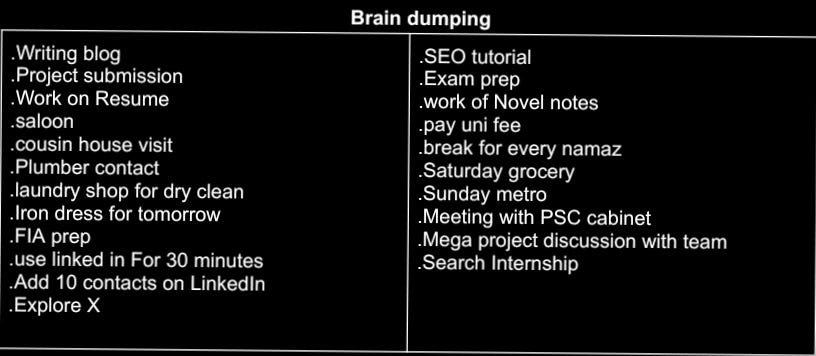
Empty your Brain
One of the most impactful techniques for me is brain dumping. When I have many tasks in my mind, I struggle to focus and think clearly. By writing down all my responsibilities—such as career preparation, searching for internships, learning SEO, preparing for the FIA test, studying, editing my resume, blog writing, and even household tasks—I am able to clear my mind. This process reduces stress and helps me approach my work in a more organized and focused manner.
Another important strategy I use is the Eisenhower Matrix, which helps me prioritize tasks based on their urgency and importance. I categorize my tasks into four sections. First, I focus on tasks that are both urgent and important, such as completing assignments, writing blogs, or updating my resume. Second, I schedule tasks that are important but not urgent, such as exam preparation, internship searches, and long-term career planning. Third, I delegate tasks when possible, for example, assigning certain society responsibilities to other team members. Finally, I minimize or eliminate tasks that are neither urgent nor important, such as unnecessary use of social media.
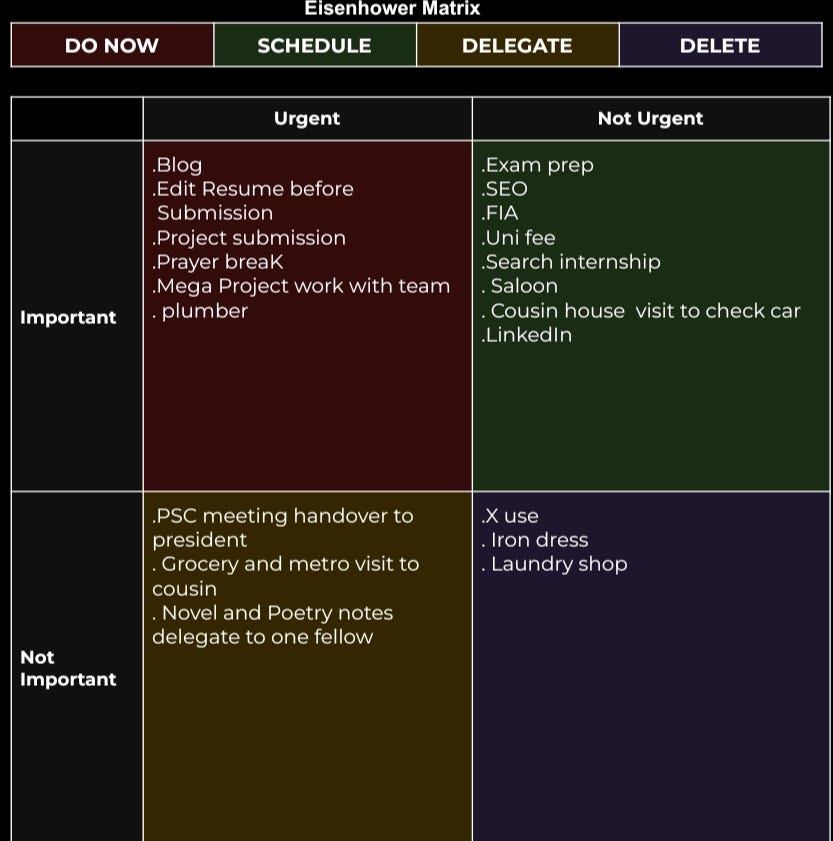
do important task
In addition, I rely on the to-do list technique to organize my daily activities. By listing tasks and estimating the time required for each, I am able to manage my day more efficiently. This method helps me understand how to allocate my time and ensures that I stay focused on my priorities. I also use Google Calendar to schedule important tasks by assigning specific dates and times. This helps me stay consistent, meet deadlines, and maintain a structured routine.
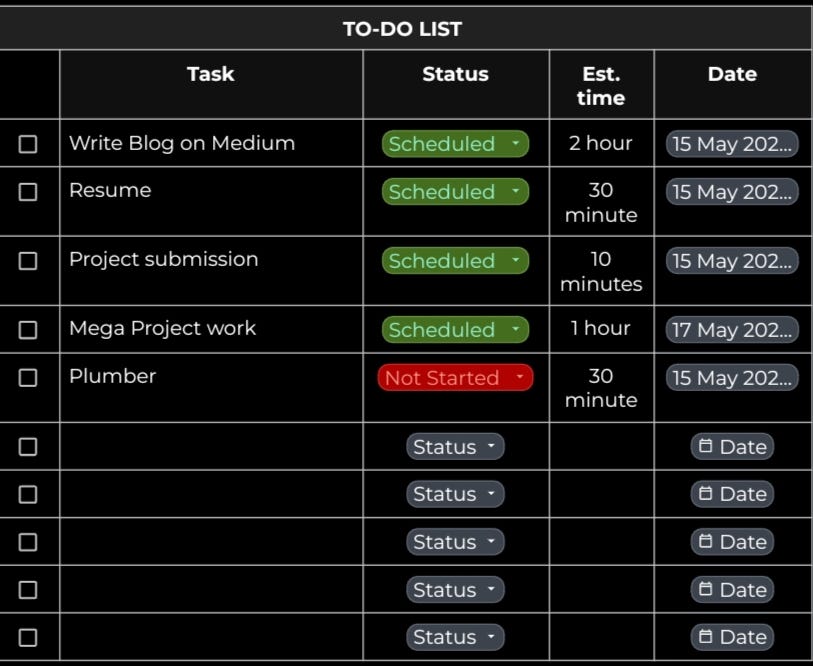
schedule
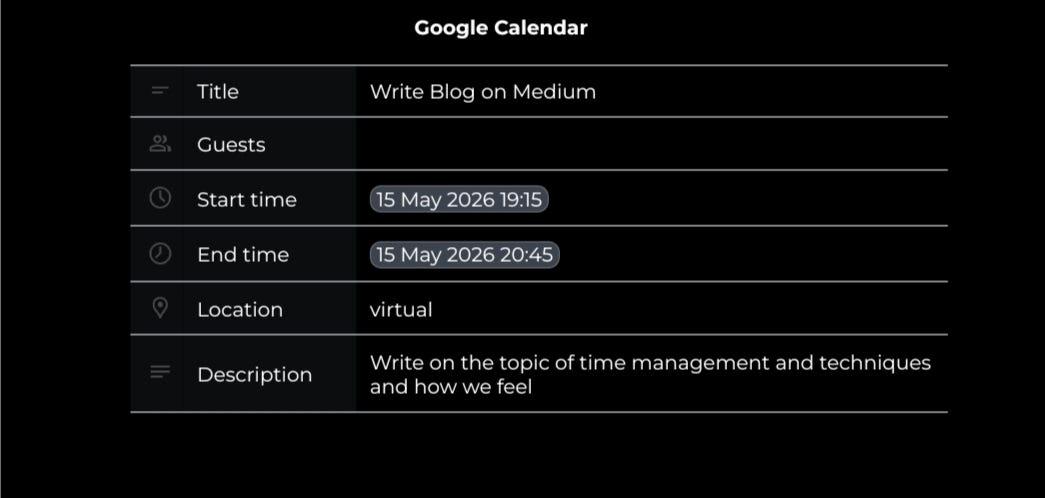
Google Calendar
Among all these methods, the Pomodoro Technique has been the most effective for me. By working in focused intervals of 25 to 30 minutes followed by short breaks, I am able to maintain concentration and avoid distractions. I also motivate myself by taking small rewards, such as having tea or taking a short walk after completing each interval. This technique has improved both my productivity and my ability to stay engaged with my work.
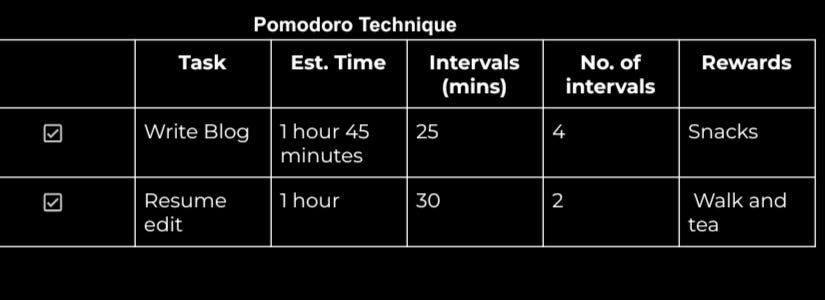
Through these experiences, I have learned that effective time management is not just about working harder, but about working smarter. I now prioritize tasks based on their importance, plan ahead, delegate when necessary, and avoid activities that waste time. Additionally, I have realized that tasks often take longer than expected. For example, I may plan to complete resume editing in one hour, but it may require more time. Therefore, I now allocate extra time in my schedule to ensure that tasks are completed without unnecessary pressure. In conclusion, from my perspective, effective time management is essential for achieving academic success and maintaining personal well-being. By applying these techniques, I have become more organized, productive, and less stressed in handling my responsibilities.
메타데이터
- post_id
- f52ea7b22c3f
- slug
- my-journey-from-stress-to-structure-time-management-that-works-f52ea7b22c3f
- url
- https://medium.com/@saifee78601/my-journey-from-stress-to-structure-time-management-that-works-f52ea7b22c3f
- canonical_url
- https://medium.com/@saifee78601/my-journey-from-stress-to-structure-time-management-that-works-f52ea7b22c3f
- author_url
- https://medium.com/@saifee78601
- status
- ok
- fetched_at
- 2026-06-09 15:37:30