Posture Correction for Barangaroo
Modern office life has changed the way many people move, sit, and work throughout the day. In Barangaroo, tower professionals, remote…
Posture Correction for Barangaroo

Modern office life has changed the way many people move, sit, and work throughout the day. In Barangaroo, tower professionals, remote employees, and hybrid workers often spend long hours in front of computers with minimal movement. Over time, this routine places continuous stress on the spine, shoulders, and neck. Poor sitting habits combined with repetitive screen use can gradually lead to postural imbalance, muscle tightness, and chronic discomfort.
Posture Correction for Barangaroo workers is becoming increasingly important as more professionals experience forward head posture, rounded shoulders, upper back stiffness, and lower back pain linked to desk-based work. These changes usually happen slowly and may go unnoticed until pain, fatigue, or reduced mobility begins affecting daily life and productivity.
Why Desk Workers Commonly Develop Poor Posture
The human body is designed for movement, not prolonged sitting. When workers remain seated for hours with limited physical activity, muscles begin adapting to those positions. Tight chest muscles, weakened core support, and spinal compression can gradually alter natural posture alignment.
Many office workers in Barangaroo unknowingly lean toward screens, tilt their heads forward, or sit with unsupported posture throughout the workday. These habits place extra pressure on the cervical spine and surrounding joints. Even small postural shifts can increase strain on muscles and connective tissues over time.
Without proper care, poor posture may contribute to:
- Neck stiffness and tension headaches
- Shoulder tightness and muscle fatigue
- Reduced spinal flexibility
- Lower back discomfort
- Joint compression and mobility issues
- Increased muscular imbalance
Simply trying to “sit straight” is rarely enough to reverse long-term postural adaptation. The spine and surrounding muscles often require a structured correction approach to restore healthy movement patterns.
The Impact of Screen Time on Spinal Health
Technology-driven workplaces have significantly increased daily screen exposure. Whether working from laptops, monitors, or mobile devices, prolonged screen use encourages forward head positioning and rounded upper back posture.
Forward head posture occurs when the head moves ahead of the shoulders rather than remaining balanced over the spine. This places additional stress on neck muscles and spinal joints. Research has shown that even slight forward positioning increases pressure on the cervical spine considerably.
As this pattern continues, muscles in the upper back weaken while muscles in the chest and neck tighten. Many workers begin experiencing discomfort during work hours, while others notice pain worsening after long periods of sitting.
Professional posture care focuses on identifying these movement patterns before they become more difficult to correct.
Understanding Professional Postural Assessment
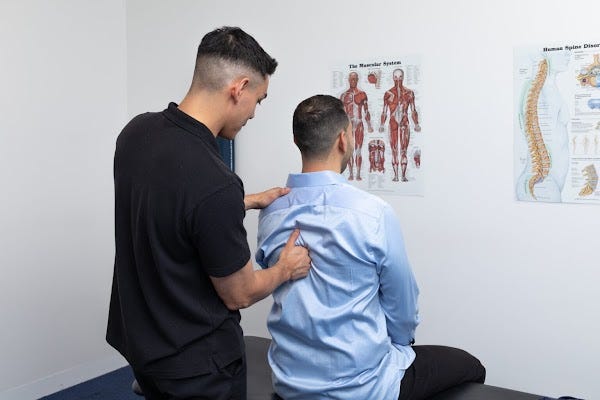
A detailed posture assessment examines how the spine, shoulders, hips, and surrounding muscles function together. At Spine and Posture Care Chiropractor Barangaroo, assessments are designed to identify spinal imbalance, movement restrictions, and muscular weakness contributing to poor posture.
A comprehensive evaluation may include:
Spinal Curve Analysis
Assessing spinal alignment helps determine whether posture changes are affecting the natural curves of the neck, mid-back, or lower back.
Movement and Mobility Testing
Restricted movement patterns often reveal muscle tightness, weakness, or joint dysfunction linked to prolonged desk work.
Ergonomic Evaluation
Workstation setup plays a major role in spinal stress. Screen height, chair support, keyboard positioning, and sitting posture are all considered during assessment.
Muscle Function Assessment
Weak stabilising muscles can reduce spinal support and increase strain on surrounding structures. Identifying these weaknesses allows targeted rehabilitation planning.
How Chiropractic Care Supports Posture Improvement
Many people seeking poor posture treatment in Barangaroo benefit from a combination of chiropractic care and rehabilitation exercises. Chiropractic spinal adjustments aim to improve joint mobility, reduce stiffness, and support healthier spinal function.
Hands-on care may assist with relieving muscular tension and improving movement in restricted spinal areas. When combined with strengthening exercises and ergonomic correction, treatment can help improve posture more effectively over time.
Each correction plan is tailored to the individual’s work environment, movement habits, and spinal condition. Workers who spend most of the day seated often require a different approach compared to physically active individuals.
The Importance of Rehabilitation and Strengthening
Improving posture is not only about spinal alignment. Muscles surrounding the spine must also learn to support healthier positioning throughout the day.
Targeted rehabilitation exercises may focus on:
- Strengthening upper back and core muscles
- Improving shoulder stability
- Increasing spinal mobility
- Stretching tight chest and neck muscles
- Supporting balance and body awareness
Consistency is important because posture changes develop gradually over time. Structured strengthening programs help support long-term improvements rather than temporary relief.
Ergonomic Guidance for Everyday Work Habits
Even high-quality treatment can become less effective if poor workplace habits continue daily. Ergonomic guidance helps reduce unnecessary strain during work hours.
Simple adjustments may include:
Monitor Positioning
Screens should sit at eye level to reduce forward neck strain.
Chair Support
Proper lumbar support encourages healthier sitting posture during extended work periods.
Keyboard and Mouse Placement
Correct positioning reduces shoulder tension and repetitive strain.
Movement Breaks
Short movement breaks throughout the day can reduce stiffness and improve circulation.
Workers who combine professional posture rehabilitation with improved workstation habits often experience better long-term outcomes.
Long-Term Benefits of Early Posture Care
Addressing posture concerns early may help reduce ongoing stress placed on spinal joints and muscles. Many workers report improved comfort, mobility, energy levels, and reduced muscular tension after beginning structured care.
Early intervention may also help prevent progression of chronic spinal issues associated with prolonged sitting and repetitive work habits.
Seeking professional spinal assessment before symptoms worsen can support healthier movement patterns and better long-term spinal health.
Business Details
Business Name: Spine and Posture Care Chiropractor Barangaroo
Phone: (02) 8040 9922
Email: info@spineandposturecare.com.au
Website: https://spineandposturecare.com.au/
GMB Link: https://maps.app.goo.gl/qFcsVe3B535zupudA
Business Hours: Mon–Fri 7:30AM-7PM | Sat-Sun Closed
메타데이터
- post_id
- f5507178eeb8
- slug
- posture-correction-for-barangaroo-f5507178eeb8
- url
- https://medium.com/@spineandposturecaresydney/posture-correction-for-barangaroo-f5507178eeb8
- canonical_url
- https://medium.com/@spineandposturecaresydney/posture-correction-for-barangaroo-f5507178eeb8
- author_url
- https://medium.com/@spineandposturecaresydney
- status
- ok
- fetched_at
- 2026-06-09 15:37:30