The Benefits of Carbon Neutral Building Design for Modern Projects
Introduction
The Benefits of Carbon Neutral Building Design for Modern Projects
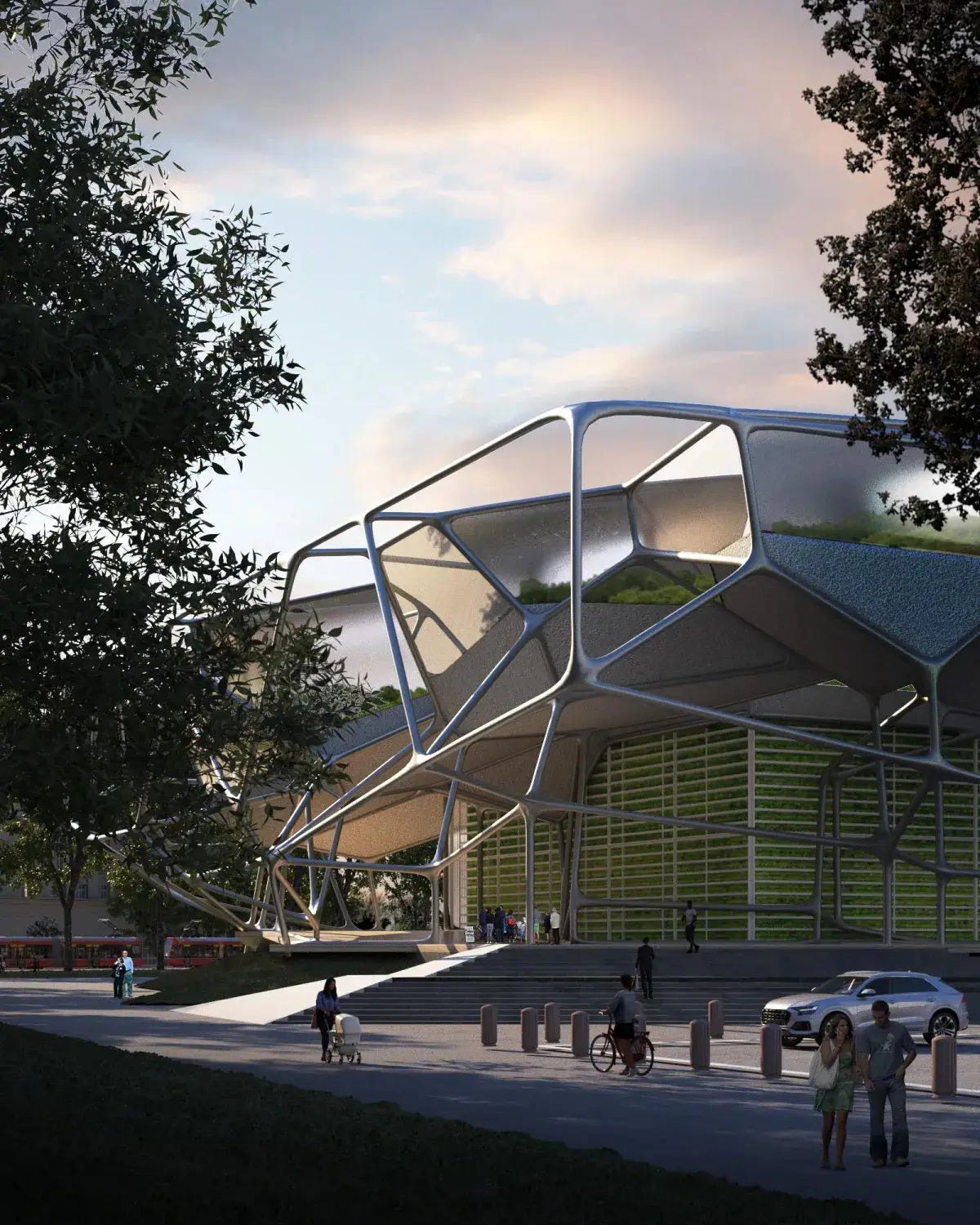
Introduction
The demand for sustainable construction has never been higher as businesses, homeowners, and governments work toward reducing carbon emissions and protecting the environment.
**Carbon Neutral Building Design** has emerged as one of the most effective approaches for creating energy-efficient, environmentally responsible, and future-ready buildings.
By combining smart design strategies, renewable energy systems, and sustainable materials, Carbon Neutral Building Design helps reduce a building’s overall carbon footprint while improving comfort, efficiency, and long-term value.
Whether for residential homes, commercial offices, hospitality projects, or mixed-use developments, carbon-neutral buildings offer significant environmental and financial benefits. As sustainability becomes a priority worldwide, adopting carbon-neutral design principles is becoming an essential investment for modern projects.
What Is Carbon Neutral Building Design?
Carbon Neutral Building Design is an architectural approach that minimizes or eliminates a building’s net carbon emissions throughout its lifecycle. This includes reducing both operational carbon, generated from heating, cooling, and electricity use, and embodied carbon, which comes from the production and transportation of building materials.
The goal is to design buildings that consume less energy, use renewable resources, and operate efficiently while minimizing environmental impact.
Why Carbon Neutral Building Design Matters
Buildings account for a significant portion of global energy consumption and greenhouse gas emissions. Traditional construction methods often rely on energy-intensive materials and inefficient building systems.
Carbon Neutral Building Design addresses these challenges by:
- Reducing greenhouse gas emissions
- Lowering energy consumption
- Improving indoor environmental quality
- Conserving natural resources
- Supporting climate resilience
- Increasing long-term building performance
As environmental regulations become stricter, carbon-neutral buildings are becoming the standard for responsible development.
Lower Energy Consumption
One of the greatest advantages of **Carbon Neutral Building** Design is improved energy efficiency.
Architects achieve this by incorporating:
- High-performance insulation
- Energy-efficient glazing
- Passive solar design
- Natural ventilation
- Smart lighting systems
- Efficient HVAC technologies
These features significantly reduce electricity usage while maintaining comfortable indoor environments throughout the year.
Reduced Carbon Emissions
The primary objective of Carbon Neutral Building Design is reducing carbon emissions.
This is accomplished through:
- Renewable energy integration
- Sustainable material selection
- Efficient building envelopes
- Low-energy mechanical systems
- Smart building technologies
Reducing emissions helps combat climate change while supporting national and global sustainability goals.
Sustainable Building Materials
Material selection plays a major role in creating carbon-neutral buildings.
Common sustainable materials include:
- Engineered timber
- Recycled steel
- Low-carbon concrete
- Bamboo
- Reclaimed wood
- Recycled insulation
- Locally sourced materials
These materials reduce embodied carbon while maintaining durability, aesthetics, and structural performance.
Renewable Energy Integration
Renewable energy systems are essential components of Carbon Neutral Building Design.
Popular solutions include:
- Solar photovoltaic panels
- Solar water heating
- Geothermal heating and cooling
- Battery storage systems
- Wind energy where feasible
Generating clean energy reduces dependence on fossil fuels and lowers operating costs over the building’s lifetime.
Improved Indoor Health and Comfort
Sustainability is not only about protecting the environment but also about improving the quality of life for occupants.
Carbon Neutral Building Design enhances indoor environments through:
Better Air Quality
Advanced ventilation systems and low-VOC materials help maintain healthier indoor air.
Natural Daylight
Large windows and skylights maximize daylight, reducing electricity consumption while improving mood and productivity.
Thermal Comfort
Well-insulated building envelopes maintain consistent indoor temperatures with less energy.
Acoustic Performance
Sound insulation creates quieter, more comfortable living and working spaces.
These features contribute to healthier, more enjoyable environments.
Lower Operating Costs
Although sustainable construction may involve a higher initial investment, Carbon Neutral Building Design delivers significant long-term financial benefits.
Owners can reduce expenses through:
- Lower electricity bills
- Reduced maintenance costs
- Efficient water usage
- Longer-lasting building systems
- Lower heating and cooling costs
These savings continue throughout the life of the building.
Increased Property Value
Modern buyers and investors increasingly prefer sustainable buildings because they offer:
- Lower operating expenses
- Healthier indoor environments
- Stronger environmental performance
- Compliance with future regulations
- Greater market appeal
As demand for green buildings grows, carbon-neutral properties often command higher market values.
Water Conservation
Efficient water management is another important benefit of Carbon Neutral Building Design.
Common water-saving strategies include:
- Rainwater harvesting
- Greywater recycling
- Low-flow fixtures
- Smart irrigation systems
- Native landscaping
These systems reduce water consumption while supporting sustainable resource management.
Future-Proofing Modern Buildings
Carbon-neutral buildings are designed to adapt to future environmental, technological, and regulatory changes.
Features such as smart building management systems, renewable energy integration, and flexible layouts help buildings remain efficient and competitive for decades.
This future-ready approach reduces renovation costs while extending the building’s lifespan.
Supporting Sustainable Communities
Carbon Neutral Building Design contributes to healthier communities by creating buildings that consume fewer resources, generate fewer emissions, and provide healthier spaces for people to live and work.
When adopted on a larger scale, carbon-neutral projects help cities reduce pollution, improve resilience, and support broader sustainability goals.
Conclusion
Carbon Neutral Building Design is transforming the future of architecture by combining sustainability, innovation, and long-term performance. Through energy-efficient systems, renewable energy integration, sustainable materials, healthier indoor environments, and responsible resource management, carbon-neutral buildings deliver lasting benefits for both people and the planet.
At **Urban A&O**, sustainable design is viewed as more than an environmental responsibility — it is an opportunity to create smarter, healthier, and more resilient spaces. By embracing Carbon Neutral Building Design principles, Urban A&O helps deliver future-ready projects that balance exceptional design with long-term sustainability.
FAQs
What is Carbon Neutral Building Design?
Carbon Neutral Building Design is an approach that minimizes or eliminates a building’s net carbon emissions by combining energy-efficient design, renewable energy systems, and sustainable materials.
How does Carbon Neutral Building Design reduce environmental impact?
It reduces carbon emissions through passive design strategies, renewable energy, efficient building systems, sustainable construction materials, and responsible resource management.
Is Carbon Neutral Building Design suitable for residential and commercial projects?
Yes. It can be applied to homes, offices, hotels, educational institutions, healthcare facilities, and mixed-use developments.
Does Carbon Neutral Building Design increase construction costs?
Initial costs may be slightly higher, but reduced energy bills, lower maintenance costs, improved efficiency, and higher property value often provide substantial long-term savings.
Why are sustainable materials important in Carbon Neutral Building Design?
Sustainable materials reduce embodied carbon, conserve natural resources, improve indoor air quality, and contribute to a building’s overall environmental performance.
What are the long-term benefits of Carbon Neutral Building Design?
The long-term benefits include lower operating costs, reduced carbon emissions, healthier indoor environments, improved energy efficiency, increased property value, and better resilience against future environmental and regulatory challenges.
메타데이터
- post_id
- f58853d41f35
- slug
- the-benefits-of-carbon-neutral-building-design-for-modern-projects-f58853d41f35
- url
- https://medium.com/@robertdunn2687/the-benefits-of-carbon-neutral-building-design-for-modern-projects-f58853d41f35
- canonical_url
- https://medium.com/@robertdunn2687/the-benefits-of-carbon-neutral-building-design-for-modern-projects-f58853d41f35
- author_url
- https://medium.com/@robertdunn2687
- status
- ok
- fetched_at
- 2026-08-06 01:17:12





