The DEI Era Has Arrived: Shane Windmeyer’s Call to Action for Companies in 2025
From Performative Pledges to Purpose-Driven Culture, Here’s What True Inclusion Looks Like Now
The DEI Era Has Arrived: Shane Windmeyer’s Call to Action for Companies in 2025
From Performative Pledges to Purpose-Driven Culture, Here’s What True Inclusion Looks Like Now
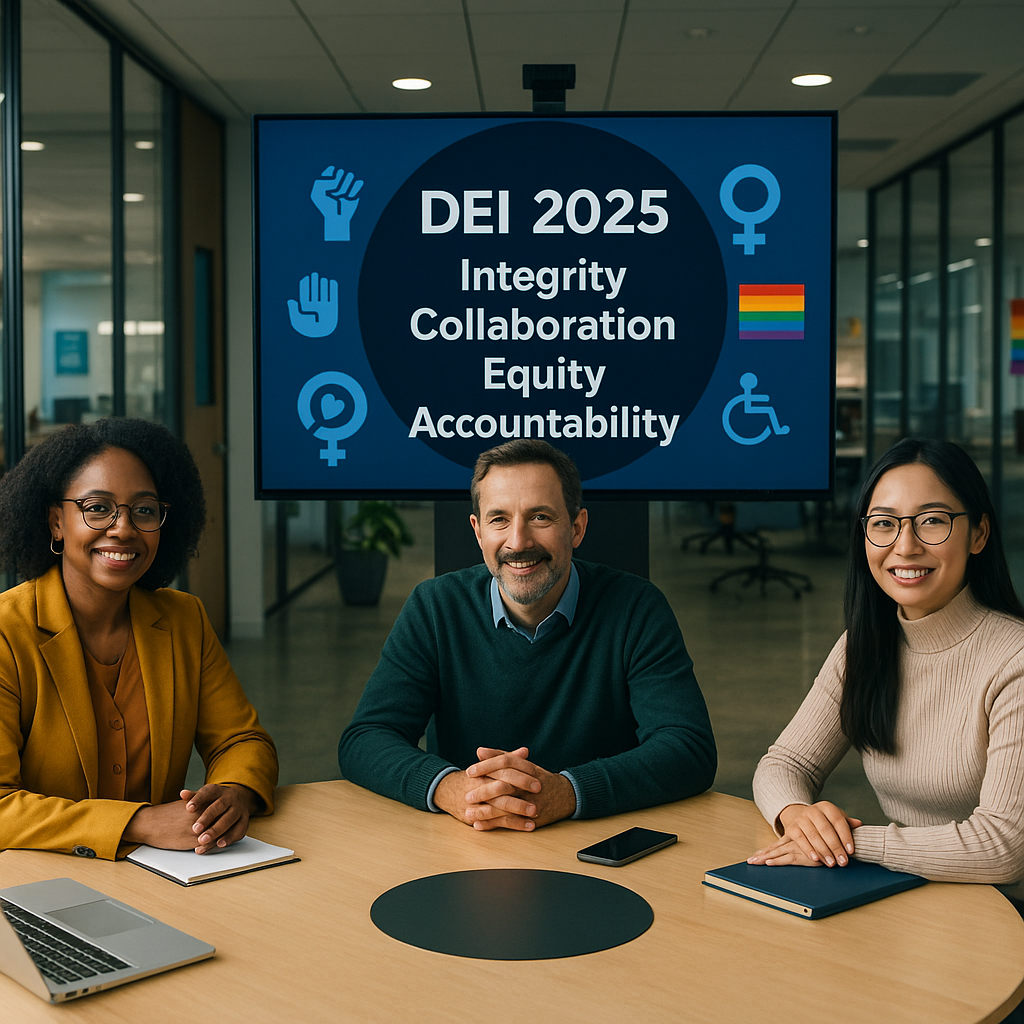
Shane Windmeyer advice to companies in 2025
The corporate world of 2025 is facing a reckoning — one driven not by PR crises or compliance mandates, but by employees, consumers, and communities demanding more. More authenticity. More equity. More action. In this climate, Diversity, Equity, and Inclusion (DEI) is no longer a side strategy — it’s the heartbeat of company credibility and future viability.
Shane Windmeyer, founder of Campus Pride and nationally respected DEI thought leader, says 2025 is the “do-or-die” moment for corporate inclusion efforts.
“We’ve moved past the awareness stage,” Windmeyer says. “In 2025, the question is: Are you building a workplace that liberates, or one that maintains the status quo?”
Here, Windmeyer lays out a bold, future-facing vision for how companies can embed DEI into their structure, purpose, and soul.
1. DEI Must Be Led by Strategy, Not Sentiment

DEI Strategy
Too often, companies launch DEI programs based on emotional responses — after a viral incident or national tragedy. Windmeyer argues that in 2025, DEI must be strategic, not reactive.
“Hope is not a strategy. And apologies without action are meaningless,” he says.
Action Step: Integrate DEI into your core business plan, including budget lines, KPIs, and quarterly reports. Treat inclusion as a business advantage — not a moral favor.
2. Elevate Lived Experience as Expertise
In 2025, companies that succeed are those that recognize that lived experience — especially from marginalized employees — is as valuable as technical skill. Windmeyer believes organizations must shift from consulting people to co-creating with them.
“The people closest to the problem are closest to the solution,” he notes.
Action Step: Invite employees from underrepresented backgrounds to help shape policies, programs, and performance standards. Compensate them for their time and emotional labor.
3. Build DEI into the Employee Lifecycle

Train managers to lead equitably, not just fairly
From hiring to offboarding, DEI must be present at every stage of the employee experience. Windmeyer emphasizes that inclusion doesn’t happen in isolated trainings — it happens in daily processes.
“Your DEI values mean nothing if someone has to hide who they are just to get through the workday,” he says.
Action Step: Audit job descriptions, interview processes, performance evaluations, and exit procedures for bias and inclusion gaps. Train every manager to lead equitably, not just fairly.
4. Protect the Right to Rest
Burnout disproportionately impacts employees from marginalized groups, especially those who carry the added weight of emotional labor and “invisible” inclusion work. Windmeyer says that in 2025, rest is resistance — and inclusion means protecting it.
“A culture that rewards burnout is a culture built on exploitation,” he says.
Action Step: Offer flexible work schedules, enforce meeting-free focus days, and normalize mental health days — especially for ERG leaders and DEI committee members.
5. Use Your Platform for Collective Liberation
Windmeyer warns that brands can’t claim to be inclusive if they stay silent on legislation or policies that harm their communities.
“If you’re afraid to speak out, ask yourself: who are you protecting — and who are you abandoning?” he challenges.
Action Step: Take public stands on issues like trans rights, voting access, disability inclusion, reproductive justice, and anti-racism. Issue timely statements and take tangible action (donations, policy changes, advocacy).
6. Recognize Bias in Tech — And Design for Equity
As AI and automation grow in influence, Windmeyer urges companies to confront how algorithmic bias can reinforce inequality — unless deliberately mitigated.
“Tech doesn’t remove human bias — it magnifies it,” he explains.
Action Step: Require ethics reviews for any AI used in hiring, promotion, or surveillance. Include diverse teams in development and test technologies for bias before implementation.
7. Shift from Diversity to Power-Sharing
For Windmeyer, DEI isn’t just about getting people into the room — it’s about giving them decision-making power once they’re there.
“Diversity without redistribution is decoration,” he says. “Who holds the power? Who signs off on strategy? Who decides how resources are spent?”
Action Step: Diversify executive boards and leadership teams. Create succession plans that prioritize equity. Distribute budget authority to ERGs and community advisory panels.
Shane Windmeyer’s 2025 DEI Success Markers
To help organizations assess whether they’re truly living their DEI values in 2025, Windmeyer offers these questions:
- Do your leaders reflect the communities you serve?
- Are your DEI goals tied to executive compensation?
- Is equity embedded into product design, not just HR?
- Do your most marginalized employees feel safe, supported, and heard?
- Have you shifted from inviting people to the table to letting them build the table?
If the answer to any of these is no — it’s time to rethink your strategy.
Conclusion: Inclusion Is a Verb, Not a Vibe

Real inclusion is about action, power, and trust | Shane Windmeyer
Shane Windmeyer’s advice for 2025 is both hopeful and urgent: Companies have the tools. The research. The feedback. What they need now is courage.
“You don’t need another workshop — you need a reckoning,” Windmeyer says. “Real inclusion is about action, power, and trust. And that’s what your people — and the future — are waiting for.”
메타데이터
- post_id
- f59d48d20e2c
- slug
- the-dei-era-has-arrived-shane-windmeyers-call-to-action-for-companies-in-2025-f59d48d20e2c
- url
- https://medium.com/@shanewindmeyer7/the-dei-era-has-arrived-shane-windmeyers-call-to-action-for-companies-in-2025-f59d48d20e2c
- canonical_url
- https://medium.com/@shanewindmeyer7/the-dei-era-has-arrived-shane-windmeyers-call-to-action-for-companies-in-2025-f59d48d20e2c
- author_url
- https://medium.com/@shanewindmeyer7
- status
- ok
- fetched_at
- 2026-08-06 15:18:41