Implementation of a Scalable Web Application using the services of AWS Elastic Beanstalk, DynamoDB…
In this project based on a real-world scenario, I was responsible for implementing an application that needed to support a high demand of…
Implementation of a Scalable Web Application using the services of AWS Elastic Beanstalk, DynamoDB, CloudFront and Edge Location
In this project based on a real-world scenario, I was responsible for implementing an application that needed to support a high demand of users accessing it at the same time.
This application was used during a large conference with over 10,000 participants, both in person and online. During the event, attendees were required to submit their email addresses to participate in a raffle for cloud certification vouchers. This created a spike in traffic where thousands of users attempted to access the application at once.
To meet this requirement, I designed and implemented a scalable and reliable architecture using AWS managed services.
Architecture Overview
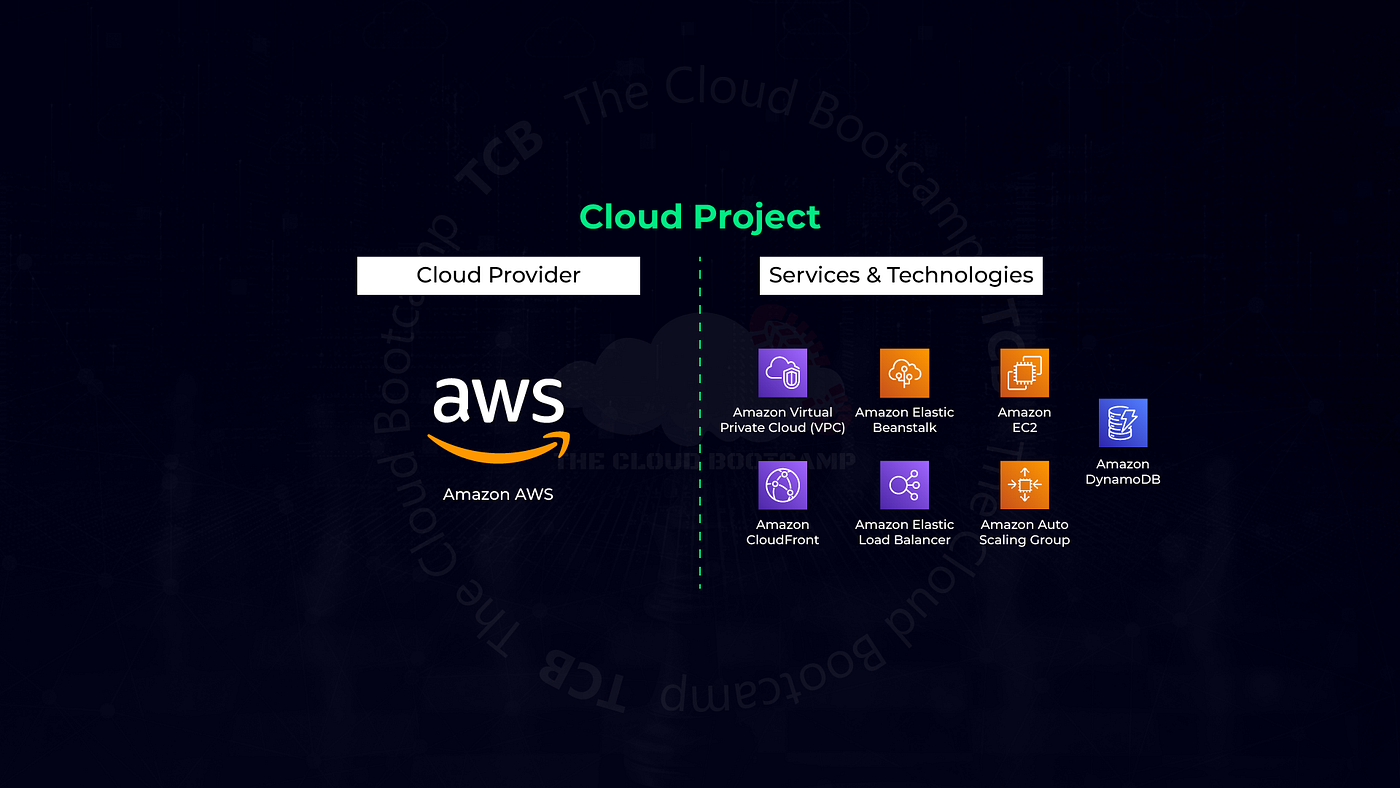
The solution was built using a combination of AWS services to handle traffic distribution, data storage, and performance optimization:
- Elastic Beanstalk for application deployment and automatic scaling
- DynamoDB for high-speed, serverless data storage to store emails.
- CloudFront for global content delivery and caching
- Edge Locations to reduce latency for users worldwide
- CloudWatch for monitoring and performance tracking

Implementation Approach
1. Application Deployment with Elastic Beanstalk
I deployed the web application using AWS Elastic Beanstalk to simplify infrastructure management.
- Configured the environment for automatic scaling based on incoming traffic
- Enabled load balancing to distribute requests across multiple instances
- Ensured high availability during peak usage
This allowed the application to handle sudden spikes without manual intervention.
2. Scalable Data Storage with DynamoDB
To handle thousands of simultaneous email submissions, I used DynamoDB.
- Designed a table optimized for high write throughput
- Used a simple and efficient schema to store user email addresses
- Leveraged DynamoDB’s ability to scale automatically without performance degradation
This ensured fast and reliable data ingestion during peak traffic.
3. Performance Optimization with CloudFront
To improve user experience across different regions, I implemented CloudFront.
- Configured CloudFront distribution to cache static and dynamic content
- Reduced latency by serving content from Edge Locations closest to users
- Minimized direct load on the application servers
This improved response time for global users and reduced backend pressure.
4. Monitoring with CloudWatch
To maintain visibility into system performance, I used CloudWatch.
- Monitored application health and resource utilization
- Tracked request volume and response times
- Observed system behavior during peak load
This helped ensure the application remained stable throughout the event.
Key Challenges and Solutions
Challenge: High concurrent traffic
- Thousands of users accessing the application at the same time
Solution
- Used Elastic Beanstalk auto scaling and load balancing to distribute traffic
Challenge: Fast and reliable data capture
- Large volume of email submissions in a short time
Solution
- Implemented DynamoDB for low-latency, high-throughput writes
Challenge: Global audience performance
- Users accessing the application from different regions
Solution
- Used CloudFront and Edge Locations to reduce latency and improve response time
Results and Impact
- Successfully handled traffic from over 10,000 users without downtime
- Achieved low latency for global users through Edge Locations
- Ensured reliable data capture during peak load
- Reduced operational overhead using fully managed AWS services
Key Skills Demonstrated
- Cloud architecture design for scalability
- AWS Elastic Beanstalk deployment and configuration
- DynamoDB data modeling and performance optimization
- Content delivery optimization with CloudFront
- Monitoring and observability with CloudWatch
Key Takeaways
- Managed services like Elastic Beanstalk and DynamoDB simplify scaling
- Designing for high traffic requires both compute and data layer optimization
- Global performance depends on content delivery strategy
- Monitoring is critical during high-demand events
메타데이터
- post_id
- f5d8a070d1bd
- slug
- implementation-of-a-scalable-web-application-using-the-services-of-aws-elastic-beanstalk-dynamodb-f5d8a070d1bd
- url
- https://medium.com/@komiabotsi/implementation-of-a-scalable-web-application-using-the-services-of-aws-elastic-beanstalk-dynamodb-f5d8a070d1bd
- canonical_url
- https://medium.com/@komiabotsi/implementation-of-a-scalable-web-application-using-the-services-of-aws-elastic-beanstalk-dynamodb-f5d8a070d1bd
- author_url
- https://medium.com/@komiabotsi
- status
- ok
- fetched_at
- 2026-08-20 00:26:54


