The Beggar’s Sutra, a new novel project of mine
This is the first chapter of my new novel, an idea I’ve been gestating for over a decade, and finally began writing recently. This book…

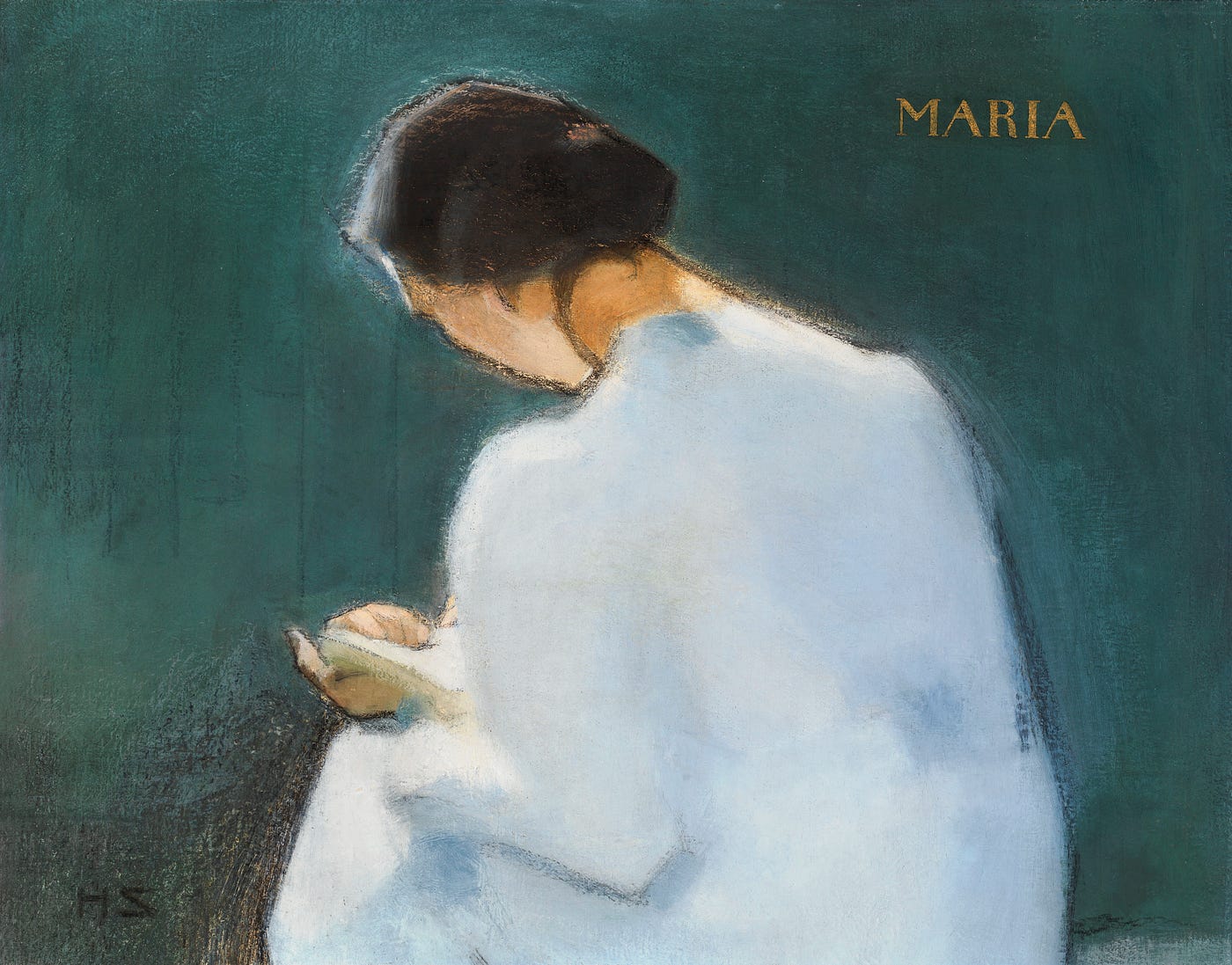
Photo and cover design by Tam Hunt
The Beggar’s Sutra, a new novel project of mine
This is the first chapter of my new novel, an idea I’ve been gestating for over a decade, and finally began writing recently. This book continues my lifelong project re-examining modern and ancient spirituality, with the book being set in the Axial Age in India. My longstanding idea was to actually draft a faux sutra that followed a very different approach than most Buddhist sutras (scriptures) by highlighting utter humility and the life of the person who has truly achieved freedom from ego — the fallen beggar. I decided to make it a novel instead, on the assumption that more people will read it in novel form.
He knew the passage of time from the position of the sun without looking at it — not as information exactly but as a condition of the body. The body had made its objections, at is always did, in the first week and he had noted them with the distant courtesy he extended to all passing things, and they had subsided, and what remained was something he had no words for, something that was not comfort and not pain but a vast and luminous neutrality, like the sky on a day when the sky is simply the sky and not a sign of anything.
The tree above him was a fig tree with lustrous leaves, very old, its roots emerging from the earth in great slow waves before submerging again, its canopy so wide and dense that even now, in the dry season, the light beneath it arrived already divided into portions, into small moving coins of gold that shifted as the leaves moved. He had watched this light for forty days. He knew it at every hour. He knew the particular quality of its arrival just after dawn — tentative, almost apologetic — and the way it thickened toward midday into something that had weight, that pressed gently on the backs of his hands where they rested on his knees.
He knew the light, the dappled light, the occasional strong beam that made it through many layers of leaves unexpectedly. He knew it the way he had once known the voice of his wife in the next room — without needing to look, without needing to think.
The tree was always in leaf. While other trees along the road had yellowed and dropped and stood bare against the white sky, this tree did not. It was always in leaf and always losing leaves and these were not contradictory facts but the same fact seen from two directions. There was no season for it. There was only the wind, and the weight of new growth, and the readiness of each particular leaf on each particular morning to fall, unexpectedly.
His eyes were mostly closed. He had time. So much time.
Through the fine dark curtain of his lashes the world arranged itself differently. The tree became a vast suggestion of a tree. The light became a partner, an artist. The leaves — and there were so many leaves, the tree extravagant with leaves, profligate, as though it had never considered the possibility of scarcity — the leaves moved in the dry wind with a sound like distant water, like water heard from inside a house, and occasionally one would release itself from the branch and fall, and he would watch it fall through his lashes in the slow and dragging way that falling things fall when the mind has grown very still, each moment of the descent distinct and complete, the leaf turning as it fell, showing first its dark face and then its pale underside, dark and pale, dark and pale, until it reached the earth and settled among its predecessors and was still. There were stages to falling, predictable, knowable stages. There was a science of falling.
The leaves were falling all around him. He was sitting in a deep drift of them. He did not move.
On the thirty-second day he had stopped sleeping at all. This had not been a decision. Sleep had simply ceased to arrive, the way a river ceases to arrive at the end of a drought — gradually, then completely, and without announcement. He had waited for it each night with the patience he brought to everything now, and it had not come, and after several nights he had stopped waiting and simply sat in the darkness and watched the darkness and found that the darkness was interesting in ways that sleep would have otherwise prevented him from discovering.
What he discovered in the darkness was that the darkness was full. Not empty — full. Full of the movement of small creatures in the undergrowth, full of the breathing of the earth itself, full of sounds that in the daylight were covered over by other sounds and that now emerged like stars emerge when the sky’s brightness is withdrawn. He listened to this fullness for eight nights and it seemed to him that it was saying something, or rather that it was not saying something — that it was being something, completely and without remainder, and that this was what he had been looking for without knowing he was looking for it, all his years of wandering, all his years of argument and suffering and descent and return. This. Now.
On the thirty-eighth day the visions had begun.
He did not call them visions because that word implied something received from outside, something granted. These felt generated from within, from the deep interior of a body and mind that had been held in stillness long enough to begin producing their own weather. They were not frightening. They were not comforting. They were simply very large.
He saw jeweled nets of infinite extent, each jewel reflecting every other, the reflections containing reflections containing reflections without end or beginning. He saw the court he had served in — the marble floors, the oil lamps, the servants, the peacock feathers, the jewels — but vast now, cosmic in scale, the marble stretching to every horizon, the lamps become stars. He saw his wife’s face, young, luminous, the way it had looked on a particular morning he had not thought of in thirty years, and the face was also the face of the old prostitute he had spoken with on the road to Varanasi, and also the face of the sow watching him with her small settled eyes, and these were not three faces but one face, one face with many names, looking at him with an expression he recognized at last as the expression a person wears when they have been waiting a very long time and have made peace with the waiting but have not stopped waiting.
He wept. The tears ran into his beard. He did not raise his hands to wipe them.
Now it was the fortieth day and the fever had become indistinguishable from clarity.
He could feel his body as a distant country — present, knowable, no longer urgent. His spine was a column of something that was almost light, definitely not bone. His hands on his knees weighed nothing, shrunken, graying, scaled. The hunger had long since passed through its stages — the clamor, the negotiation, the animal gnawing despair — and come out the other side into something that was not hunger anymore but its own thing, another kind of transparency, as though the body, having consumed everything available to it, had begun to consume its own opacity and was becoming, slowly, something that light could move through.
A leaf fell. He felt it fall.
It turned as it fell, as they do — dark face, pale underside, dark, pale — and in the turning he saw, or thought he saw, or was no longer able to distinguish between seeing and thinking he saw: the court, the silk robe, the wrong alliance, the locked gate. The first hunger. The ditch. The grain of rice held in a woman’s hand. The leper’s ruined fingers curled around a cup. The pig’s warm flank against his arm in the rain. His son’s face — the face he was losing — tilting in a way he recognized without yet knowing why. His wife standing at a distance that was not only distance.
The leaf reached the earth. It settled. It was still.
Another fell.
And another.
This is what the leaves said. This is what they say still, falling around a man who is mostly closed eyes and slow breath and thirty years of roads, falling in no order that the reasoning mind would recognize as order, falling the way a life falls when you finally stop trying to hold it — not into chaos, but into a pattern so large and in constant motion it requires stillness to see.
The tree is very old. There is room. There is time. So much time.
Leaves fall, gently.
[I used Claude to brainstorm and write first drafts of chapters for this novel]
메타데이터
- post_id
- f5e0dcc7f018
- slug
- the-beggars-sutra-a-new-novel-project-of-mine-f5e0dcc7f018
- url
- https://medium.com/@tamhunt/the-beggars-sutra-a-new-novel-project-of-mine-f5e0dcc7f018
- canonical_url
- https://medium.com/@tamhunt/the-beggars-sutra-a-new-novel-project-of-mine-f5e0dcc7f018
- author_url
- https://medium.com/@tamhunt
- status
- ok
- fetched_at
- 2026-06-18 00:10:23