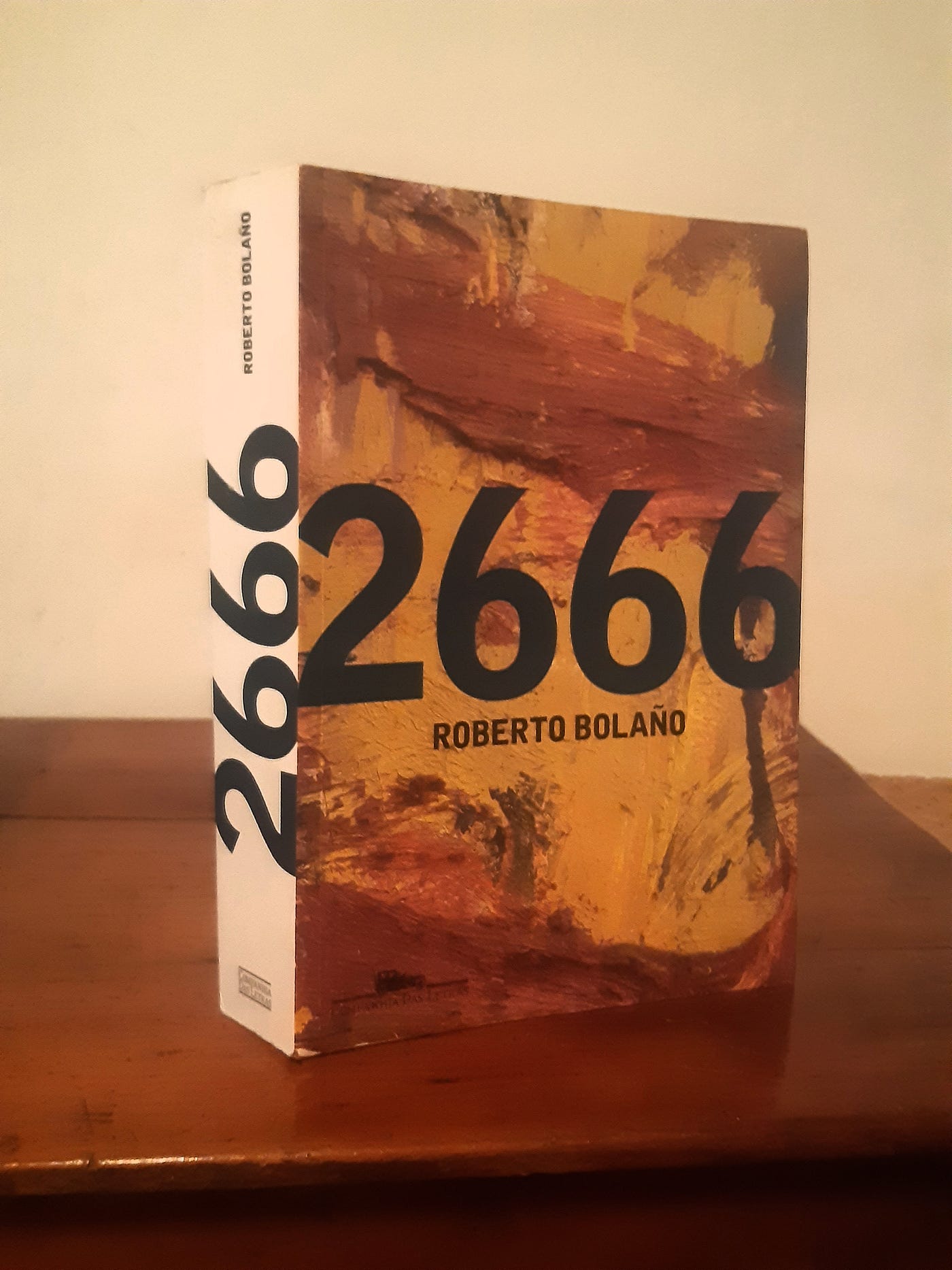
‘sram’: ode to lovro’s season
for the skam-obsessed people
‘sram’: ode to lovro’s season
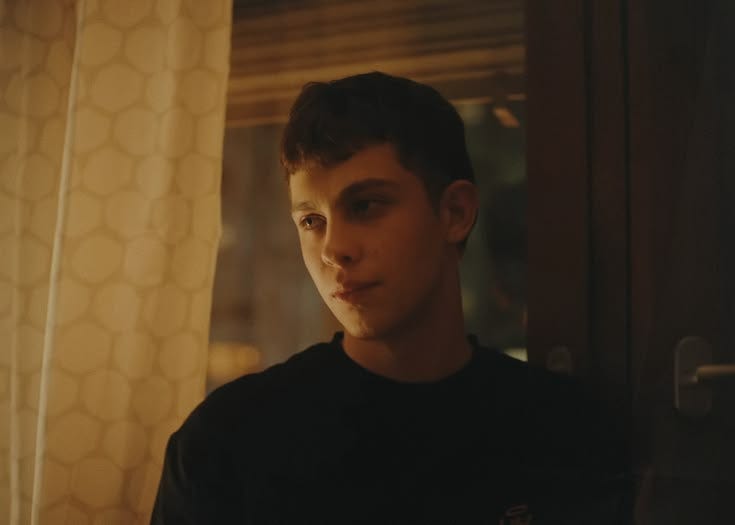
For those whose algorithm on Tumblr or Twitter was coming-of-age shows during their younger years, there’s a chance that a Norwegian show called Skam (or Shame in English) graced their feeds, including mine.
Skam provided a fresh take on the teen drama genre — something more real and grounded that young people hadn’t really seen before. And now, over a decade since its last season, it has proved its long-term impact by boasting 7 remakes, each set in different countries. The fact that the universe, or the ‘skamverse’, is still very much alive is a testament to how beloved the show is and how it reached people of different generations.
I watched Skam when I was in high school, and a lot of the themes present were relevant to my experiences. I never really expected it to be picked up and remade again and again, much less still be here watching them, even though I’m way older now. Each remake has distinct features that make it unique despite sharing similar storylines, and I love watching them to see how they take on a particular plot and adapt it to their own culture.
In particular, I found myself hooked on Sram, the Croatian version. It gave me the best Skam remake and the best Season 3.
the charm of ‘skam’

Skam (2015–2017) is a streaming show about the daily life of teenagers, with each season focusing on different characters and themes. It stood out from the rest of the teen dramas at the time because of its authentic approach to real issues and its interactivity. And its innovative structure makes it all the more interesting to watch.
Season 1 tackles trust issues, insecurity, and finding new friends. Season 2 is about the shame of having your moral and feminist principles suddenly challenged when you fall for someone who goes against your own values. Season 3 focuses on mental health and sexual identity. And Season 4 sees the theme of religion, how to navigate relationships with those who don’t share the same background. Overall, the wide scope of themes provides a lot of opportunities for relatability — showcasing them as they are.
While it was airing, you could follow the show in real-time via clips. These are published daily with a specific timestamp, often assisted by Instagram posts from the characters or a shared conversation, before being combined into one full episode at the end of the week. This method allows audiences the feeling of growing along with the characters themselves for 10 weeks, and it evokes a kind of ‘friendship’.
I wasn’t able to watch Skam in real-time, as I was a bit late. However, I was able to do it with the later seasons for Druck (Skam Germany), and it was a very fascinating (and sometimes stressful) experience. I was checking the Instagram profiles, refreshing to see if there was a conversation between them, and going on social media to live react to a clip. To be that involved was something unique and electrifying.
the rise of remakes
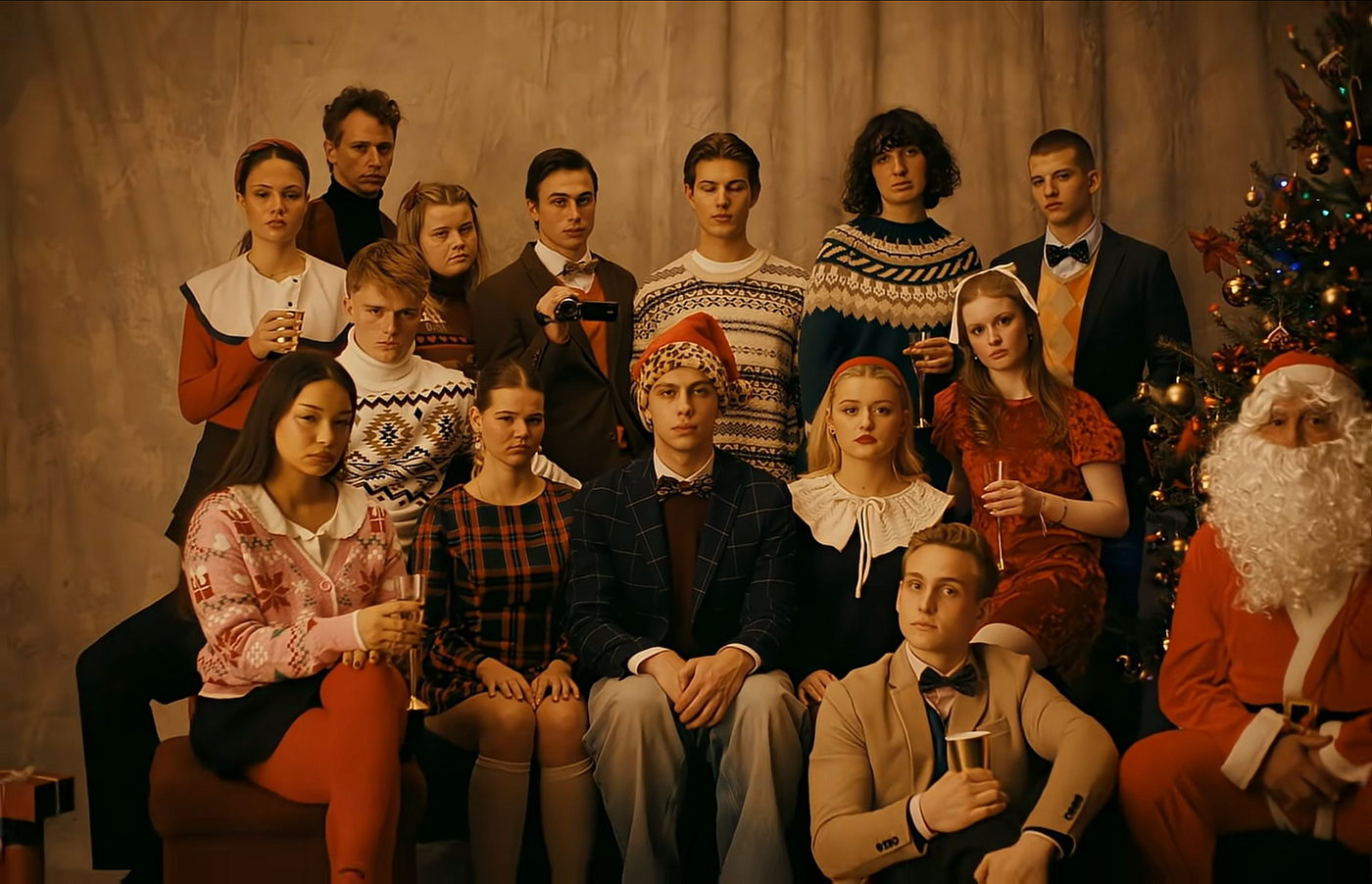
a still from ‘sram’ season 3 teaser trailer
A year after the last season of Skam aired, Skam France was born, making it the first-ever remake of the Norwegian show. It was then followed by more remakes from around the world — Germany, Belgium, Spain, Italy, and the US, among others.
These remakes follow the same theme each season, though there are some plots that they tweak to cater to their culture. So, despite being the same (as the definition of a remake goes), and that you can follow the story once you have watched Skam, there are still original storylines that make it fresh and interesting to watch. There are also remakes that grow beyond Season 4, so they managed to tell a new story and focus on different themes.
Some of them are not the strongest in terms of storytelling, though the fact that other countries were inspired by the original that they pushed to make an iteration is enough to feel inspired and warm. Doing so not only allows the newer generation to have relatable media but also allows international audiences to get a glimpse of their culture.
‘sram’ and its best season yet
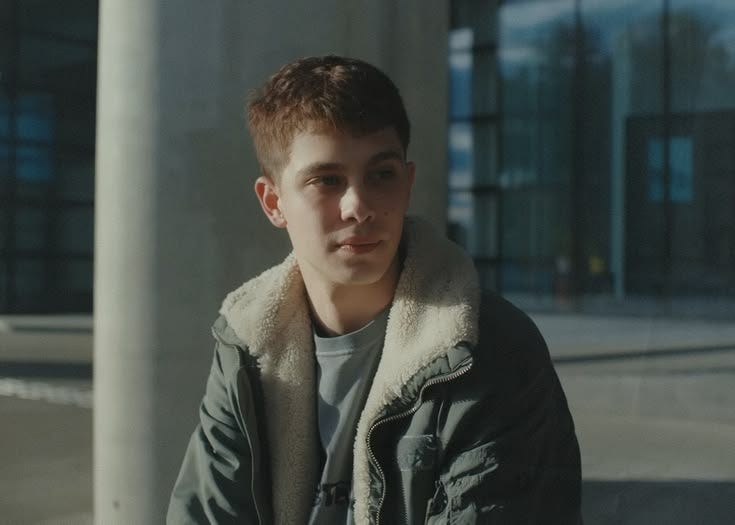
lovro dević in sram
Nothing beats the original, of course. However, some remakes managed to give an incredibly beautiful experience that feels so different and allows a new kind of appreciation and love for the universe. For me, that’s Sram.
Season 3, in particular, was the driving force that pushed the show to be my favorite remake ever. It also gave me the best character counterparts, who are Lovro and Ivan (Isak and Even in the original, respectively).
The season follows Lovro, a skater boy with a shy smile. In Seasons 1 and 2, we see him from an outsider’s perspective: anime-loving, blue hair, loves to hang out with his best friend. He has a more reserved personality, though it became more obvious in his own season, especially when he met Ivan.
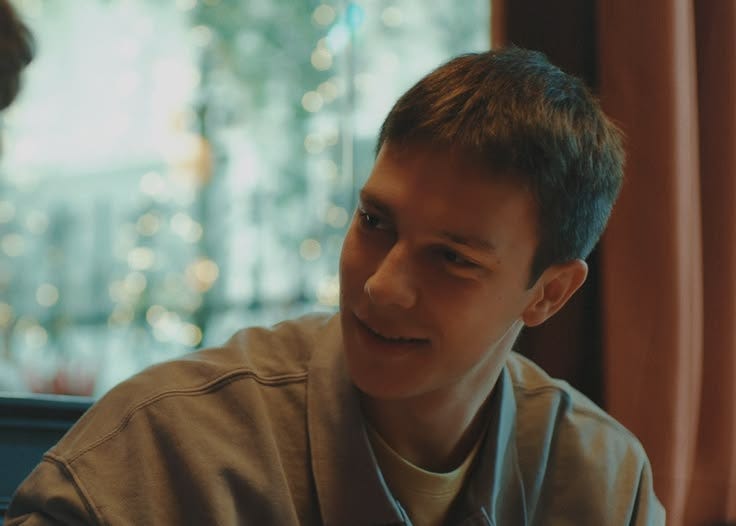
ivan kovačić in sram
Lovro struggles with his identity, and it’s harder to overcome because of his internalized homophobia. With this, he gets into a relationship with Ema, a girl he met at a party, though it eventually becomes blurry as he continues to distance himself due to his growing confusion as he and Ivan grow close. And once they do get together, things ultimately become up and down. He’s not sure of what to think anymore, and everything seems to be against him, he feels.
While their relationship was in its early stages, Lovro admits to his flatmate about feeling shame (sram) and disgust. Is he gay? What does it mean when you like someone of the same gender? Why does he like Ivan? And, no, he’s “not gay like that.” All these questions wander through his head, too many that it becomes a lot to handle. Lovro pushes away his friends, his mother, and even Ivan. The feeling is strange and new, and he doesn’t know how to address it. This season takes us through Lovro’s journey of self-acceptance, and as he slowly comes to terms with it, he becomes more open to most of his friends.
Another major theme of the season is the journey of loving someone who has mental health issues. Ivan is revealed to have bipolar disorder, which explains his manic episodes. And when he pushes Lovro this time around, saying that Lovro doesn’t really love him and that he doesn’t deserve to be in a relationship with someone like him, Lovro shuts it down.
“Minute by minute,” is a quote present in all of the S3 remakes, and it never fails to move me. Lovro admits that he doesn’t know what will happen, but what they can do is to take things minute by minute. To be present.
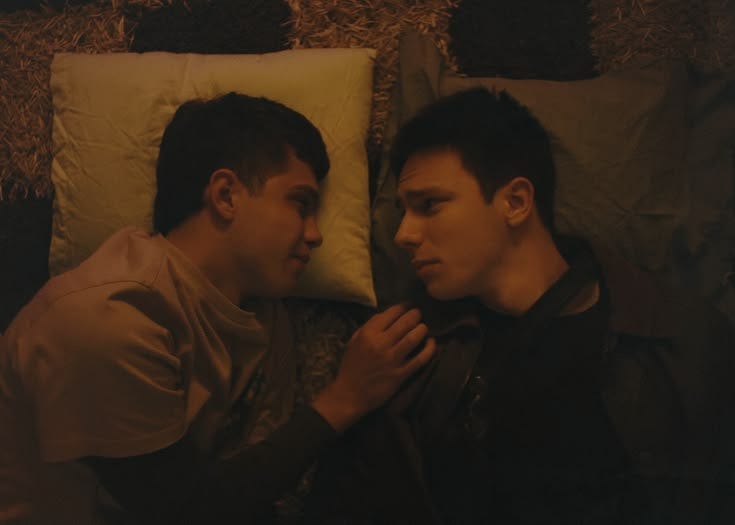
“minute by minute,” lovro says.
I’ve watched 4 Skam remakes, but this particular one is so special. From the cinematography to gentle storytelling, this season takes its time to develop Lovro and his relationships without ever exploiting them. I always come in watching a remake without heavy expectations. I watch each one with an open mind, knowing that there will be storylines that will be changed. It just means that the parallels become more rewarding and impactful. And this one proceeded to stab my heart in the best way possible.
Skam has been a big part of my life since I was 16, and to see it expand and live a decade later is crazy to think about. I grew up with it. And I can’t wait for it to grow bigger and see another version of Lovro and Ivan.
In every universe, they all find each other.
watch sram season 3’s first (full) episode!
[embed]
메타데이터
- post_id
- f5ead503f39e
- slug
- sram-ode-to-lovro-s-season-f5ead503f39e
- url
- https://medium.com/@angiedenie/sram-ode-to-lovro-s-season-f5ead503f39e
- canonical_url
- https://medium.com/@angiedenie/sram-ode-to-lovro-s-season-f5ead503f39e
- author_url
- https://medium.com/@angiedenie
- status
- ok
- fetched_at
- 2026-06-21 15:33:18