What Is Complex Care in Nursing?
Sometimes medical and healthcare terms can be really confusing. All the technical words and complicated explanations can be overwhelming…
What Is Complex Care in Nursing?
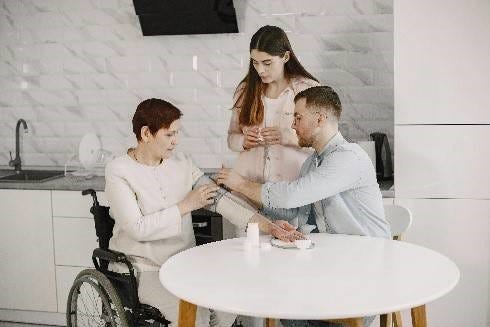
Sometimes medical and healthcare terms can be really confusing. All the technical words and complicated explanations can be overwhelming for people who’re not in the healthcare field. This can make it hard for them to understand the care options that’re available for themselves or a loved one.
At the heart of what we do we think that healthcare information should be easy to understand and supportive. As a care provider that is led by nurses our job is not just to give people quality care but also to help families understand what support is available to them.
In this article we will explain what complex care is in terms. We will look at who it helps, what it involves and why having support that is tailored to the individual is so important.
What Is Complex Care?
Complex care is support that is designed for people who are living with many long term or serious health conditions.
Often one or more of these conditions needs medical care or ongoing support that can be difficult for family members to manage on their own.
Complex care is not about physical health conditions. Many people also have emotional or social needs that require extra support and close monitoring.
Because of this complex care is usually given through a team approach that involves healthcare professionals, nurses, carers, therapists and families working together to create a care plan that is tailored to the individual.
The goal is not just to manage conditions but to support the person’s dignity, wellbeing, independence and quality of life.
Who Might Need Complex Care?
People may need care when they have needs that affect many areas of their daily life at the same time.
This could involve a combination of:
- Medical conditions
- Physical disabilities
- Cognitive challenges
- Behavioral support needs
- Mental health conditions
In cases conditions get worse over time. Someone may be able to cope with support at first but eventually they may need special complex care as their situation changes.
For example, an older person living with dementia, diabetes and high blood pressure may need close supervision help with medication and behavioral support throughout the day.
Similarly, someone living with Parkinson’s disease and dementia may need physiotherapy support help with mobility, cognitive care and ongoing supervision to stay safe and well.
Complex care can also be needed for a time. For instance, someone who is recovering from surgery or a serious injury may need special support during rehabilitation.
It is also important to remember that complex care is not for older people. Individuals of any age including children, teenagers and younger adults may need care depending on their situation.
Conditions That May Require Complex Care
Some examples of conditions that are often supported with care include:
- Parkinson’s disease
- Multiple sclerosis
- Palsy
- Epilepsy
- Dementia
- Autism spectrum disorder
- Traumatic brain injuries
- Rare genetic disorders
- Severe mental health conditions
Every person’s situation is unique which is why care plans should always be tailored to their needs.
Who Provides Complex Care?
Complex care requires trained professionals who have special skills and clinical knowledge.
Day to day support is often given by carers and nurses who understand the challenges that come with complex conditions and can respond when needs change.
A nurse-led approach provides clinical oversight and ensures care remains safe, responsive and focused on the individual.
While hospitals and nursing homes are an option for many families choose home-based care because it allows their loved one to stay in familiar surroundings while still getting professional support.
For people, live-in care can provide the perfect balance between special care and independence at home.
What Does Complex Care Involve?
Complex care is different for every person because no two situations are the same.
Care plans should be carefully developed with input from:
- The person receiving care
- Family members
- Specialists
- Nurses and carers
- Therapists and other professionals involved in treatment
These plans must be flexible so they can change as care needs change over time.
Depending on the level of support needed complex care may involve home visits, daily care or full 24-hour live-in support.
The overall goal is to give care while promoting dignity, independence, comfort and safety.
Practical Support May Include:
- Help with medication
- Health monitoring
- Personal care assistance
- Support
- Emotional wellbeing support
- Mobility and exercise assistance
- Light housekeeping
- Shopping support
- Social engagement and companionship
- Travel and appointment assistance
Communication between carers, healthcare professionals and families is also a crucial part of effective complex care.
Why Home-Based Complex Care Matters
Getting care at home has emotional and practical benefits.
Staying in surroundings can reduce stress, preserve routines and give a stronger sense of comfort and security. It also allows people to keep their independence and continue enjoying life in the place they know best.
Home-based care also enables personalized one-to-one support allowing carers to focus entirely on the individual’s needs.
For families this gives them reassurance that their loved one is getting attentive compassionate care while continuing to live with dignity and familiarity.
How to Arrange Complex Care
If you think your loved one may benefit from care, it’s helpful to talk to their healthcare professionals for guidance.
It’s also important to consider:
- The level of care required
- The experience of the care provider
- Expertise and special training
- Flexibility of care services
- Communication and family involvement
Choosing the right provider is about finding a team that understands your loved ones needs and can give compassionate reliable support tailored to their situation.
Frequently Asked Questions
- Do you provide care across the UK?
We provide care services across Bedfordshire, Gloucestershire, Hertfordshire, Northamptonshire, Oxfordshire and surrounding areas.
- What are the benefits of home-based care?
Home-based care allows people to stay in familiar surroundings while getting personalised one-to-one support. It promotes comfort, dignity, independence and continuity in routines while reducing the disruption that often comes with moving into residential care. You can look at our complex needs page for more information or contact us for more information.
- Do you offer 24-hour live-in care?
Yes. Care can range from home visits to full live-in and 24-hour support depending on the individual’s needs. Care plans can also be adapted as circumstances change over time.
- How much does care cost?
The cost of complex care varies depending on the level of support required and the individual’s specific care needs. Every care plan is tailored to ensure the right level of support is provided.
메타데이터
- post_id
- f5f9f918cab2
- slug
- what-is-complex-care-in-nursing-f5f9f918cab2
- url
- https://medium.com/@stately/what-is-complex-care-in-nursing-f5f9f918cab2
- canonical_url
- https://medium.com/@stately/what-is-complex-care-in-nursing-f5f9f918cab2
- author_url
- https://medium.com/@stately
- status
- ok
- fetched_at
- 2026-06-09 15:37:30


