Staying Safe While Working in Bad Weather Conditions: Essential Tips for Outdoor Workers and…
Bad weather doesn’t take a day off, and neither do many essential workers in construction, utilities, agriculture, delivery, maintenance…
Staying Safe While Working in Bad Weather Conditions: Essential Tips for Outdoor Workers and Employers
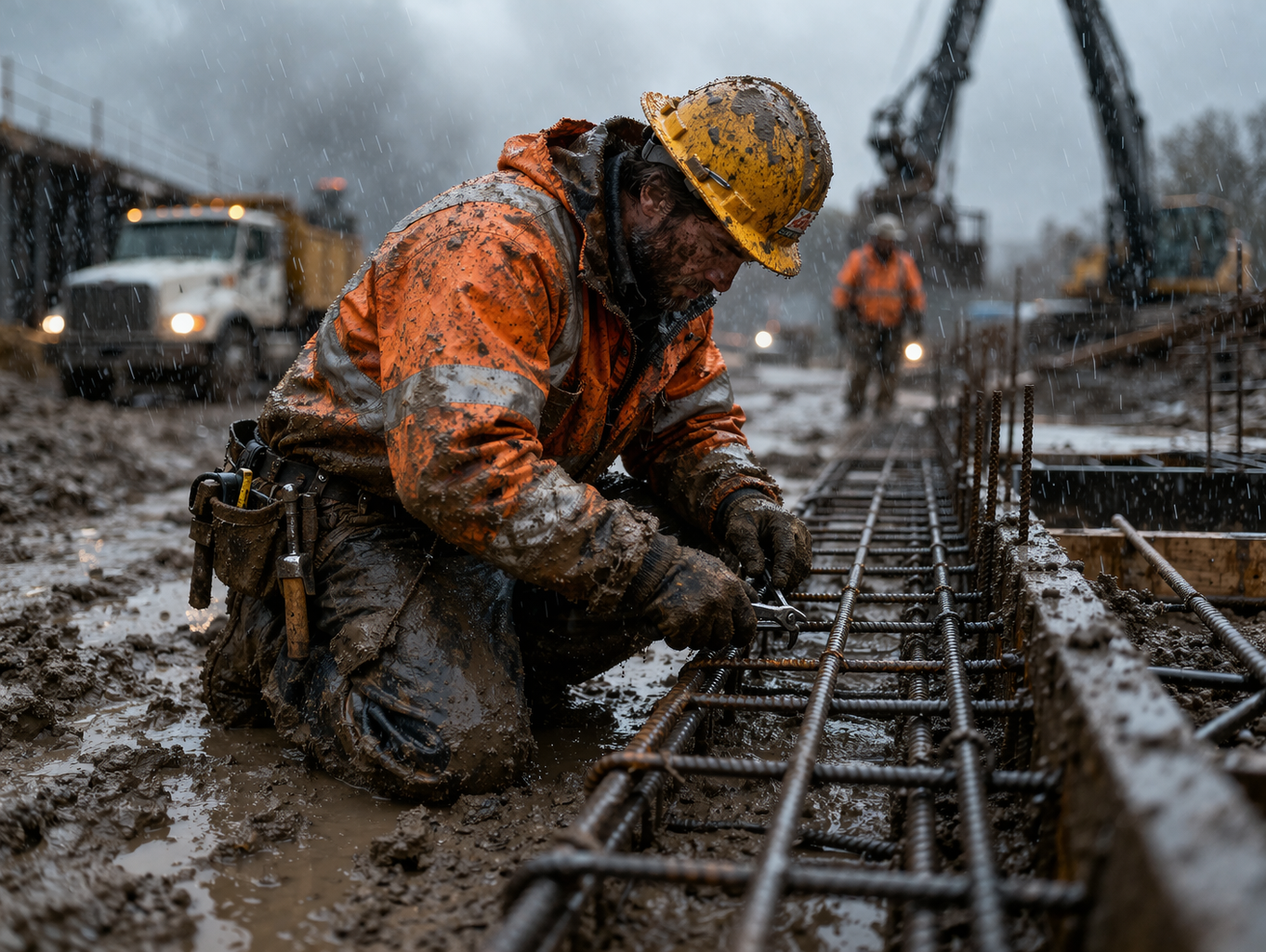
Bad weather doesn’t take a day off, and neither do many essential workers in construction, utilities, agriculture, delivery, maintenance, and other field-based jobs. Rain, snow, ice, high winds, extreme heat, cold, or sudden storms can turn a routine workday into a hazardous one.
Slips, falls, heat exhaustion, hypothermia, flying debris, and lightning strikes are just some of the real risks.
What is the good news? With proper preparation, training, and smart practices, these challenges become much more manageable. Safety always comes before productivity. Whether you’re a worker on the job site or an employer responsible for your team’s well-being, here’s a practical guide to handling inclement weather.
Why Weather Safety Matters More Than Ever
Climate patterns are shifting, bringing more frequent extreme events. Employers have a duty under OSHA’s General Duty Clause (and similar regulations worldwide) to provide a safe workplace free from recognized hazards. Workers, meanwhile, have the right to refuse unsafe conditions without fear of retaliation.
Recent developments include ongoing OSHA efforts toward a federal heat illness prevention standard, with states stepping up on both heat and cold protections where federal rules lag. Monitoring tools like the Wet Bulb Globe Temperature (WBGT) for heat and wind-chill factors for cold are becoming standard in risk assessments.
Core Principles for Working Safely in Any Bad Weather
Before diving into specific conditions, adopt these foundational habits:
- Monitor forecasts daily: Use reliable sources like the National Weather Service for residents of the US, and if you are in Nigeria, you could check out NiMet. Watch for signs like darkening skies, rising winds, or sudden temperature drops.
- Have an Emergency Action Plan: Include shelter locations, communication protocols, stop-work triggers, and evacuation procedures.
- Train everyone: Recognize symptoms of weather-related illnesses (dizziness, shivering, confusion, nausea) and know how to respond.
- Use the buddy system: Regular check-ins help catch issues early.
- Hydrate and rest: Aim for about 32 ounces of water per hour for outdoor workers, regardless of temperature, and take frequent breaks in sheltered areas.
- Know when to stop: Suspend high-risk tasks (working at heights, crane operations, electrical work) during warnings. Safety trumps deadlines.
Rain and Wet Conditions: Preventing Slips and Electrical Hazards
Wet surfaces, mud, and reduced visibility increase slip-and-fall risks, while water near electricity creates shock dangers.
Key Tips to practice:
- Wear waterproof, non-slip boots with deep treads and grip-enhanced gloves.
- Clear walkways, use anti-slip mats, and secure tools/materials, so they don’t become projectiles or tripping hazards.
- Avoid standing in puddles near electrical equipment.
- Change out of wet clothes quickly to prevent chilling.
- Reschedule or modify slippery tasks when possible.
Snow, Ice, and Extreme Cold: Layer Up Against Cold Stress
Frostbite, hypothermia, and reduced mobility are major concerns. Wind-chill could also make temperatures feel far colder than the thermometer shows.
Key Tips to follow:
- Dress in layers: Moisture-wicking inner layer, insulating middle layer (fleece or wool), and wind/waterproof outer layer. Include insulated waterproof boots, gloves, hats, and face coverings.
- Keep extra dry clothes handy, including your socks and underwear.
- Clear snow/ice from surfaces and use ice cleats or de-icer.
- Schedule demanding work for warmer daylight hours and take warm-up breaks in sheltered areas.
- Drink warm, sweetened fluids (avoid alcohol and caffeine). Watch for shivering, numbness, or confusion, and get warmth immediately.
- Employers should provide sheltered break areas and rotate workers to limit exposure.
High Winds: Secure Everything That Can Fly
Strong gusts turn loose materials into dangerous projectiles and make elevated work especially risky.
Key Tips:
- Tie down or store all tools, scaffolding, ladders, tarps, and large sheets of material.
- Wear hard hats with chin straps and use harnesses for work at heights.
- Stop scaffold, roof, or crane operations when winds exceed safe limits (check local guidelines).
- Be extra cautious about anything that can act like a sail.
Extreme Heat: Beat the Heat Before It Beats You
Heat exhaustion and heat stroke can strike quickly, especially for unprepared workers. New and returning employees need gradual exposure.
Key Tips:
- Wear lightweight, light-colored, breathable clothing. Use shaded or cooled rest areas.
- Hydrate frequently, even if not thirsty. Provide cool water and electrolytes as needed.
- Monitor heat index or WBGT on-site. Schedule heavy work for cooler times (early morning or evening) and take mandatory breaks.
- Watch for symptoms: dizziness, nausea, rapid heartbeat, muscle cramps. Use a buddy system and act fast, move to shade, and get some rest.
- Employers: Implement acclimatization plans, ensure shade/water access, and consider engineering controls like misters.
Storms, Lightning, and Severe Weather: When to Seek Immediate Shelter
Lightning, flooding, and high winds demand fast action. Lightning Safety (The 30–30 Rule):
- When you see lightning, count the seconds until thunder. If 30 seconds or less, seek sturdy shelter immediately.
- Stay sheltered for at least 30 minutes after the last clap of thunder.
- Go inside a fully enclosed building or hard-topped metal vehicle. Avoid trees, water, open fields, and metal objects.
- For tornadoes or severe storms: Move to the lowest interior part of a sturdy building. Avoid overpasses and use ditches only as a last resort.
General Storm Tips:
- Secure the entire site; tie down equipment and evacuate if needed.
- Update your Emergency Action Plan for hurricanes, tornadoes, or floods.
Employer Responsibilities and Worker Rights
- Provide appropriate PPE and training.
- Conduct risk assessments and maintain clear inclement weather policies.
- Do not require workers to drive or perform high-risk tasks in unsafe conditions.
- Workers: You have the right to a safe workplace and can refuse dangerous assignments. Speak up and document concerns if needed.
After severe events, allow time for safe cleanup and site inspections for hidden hazards like weakened structures or contaminated floodwater.
We have to understand that Preparation Turns Risks into Manageable Challenges. Bad weather is unpredictable, but your response doesn’t have to be.
Check forecasts, communicate openly, prioritize hydration and rest, and never hesitate to pause work when conditions feel unsafe.
For employers: Document policies, train regularly, and foster a culture where safety comes first.
For workers: Know the signs of trouble and trust your instincts. Stay safe out there. If your job involves specific weather challenges or you’re in a particular region with unique regulations, share more details for tailored advice.
What weather-related safety tip has saved you or your team? Drop a comment below!
Stay prepared. Work smartly. Go home safely.
메타데이터
- post_id
- f61477e6ef32
- slug
- staying-safe-while-working-in-bad-weather-conditions-essential-tips-for-outdoor-workers-and-f61477e6ef32
- url
- https://medium.com/@brightkenneth2022/staying-safe-while-working-in-bad-weather-conditions-essential-tips-for-outdoor-workers-and-f61477e6ef32
- canonical_url
- https://medium.com/@brightkenneth2022/staying-safe-while-working-in-bad-weather-conditions-essential-tips-for-outdoor-workers-and-f61477e6ef32
- author_url
- https://medium.com/@brightkenneth2022
- status
- ok
- fetched_at
- 2026-06-24 11:06:28