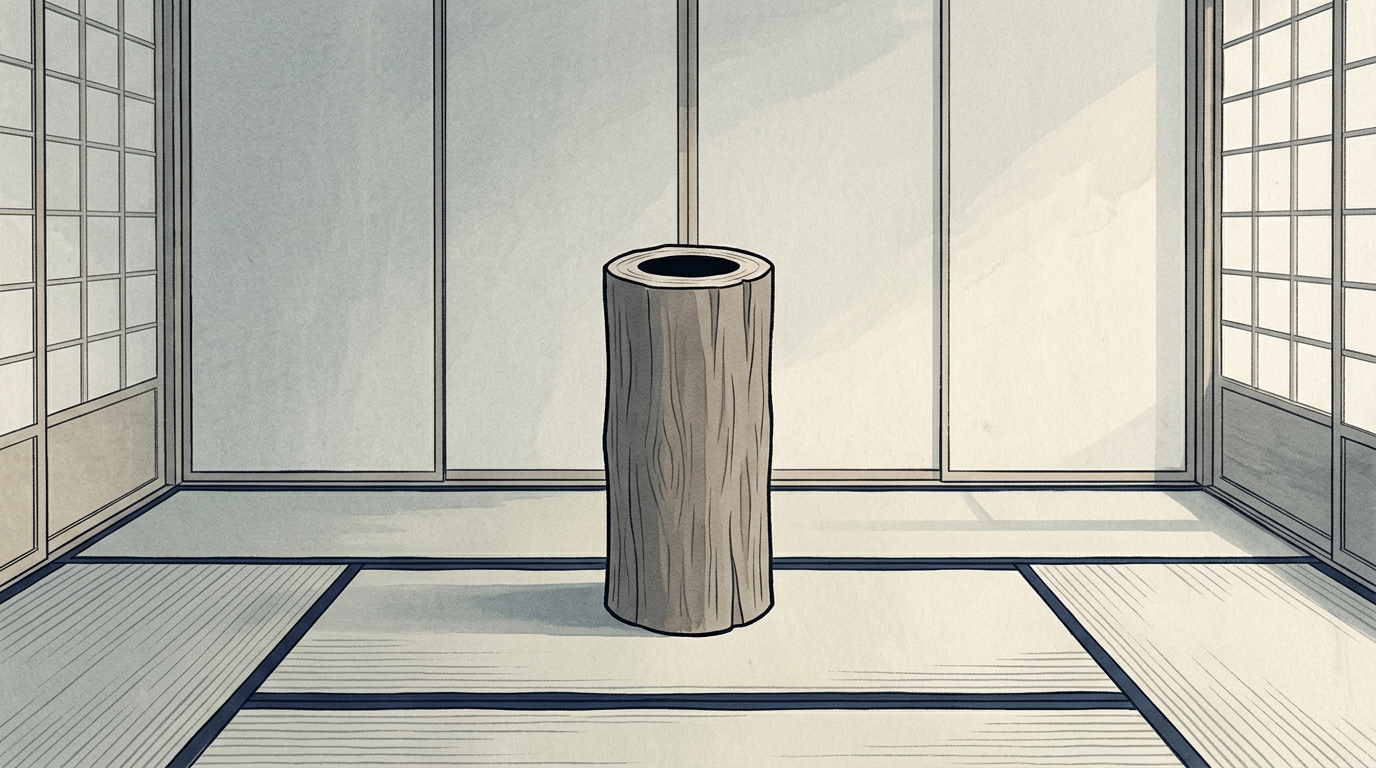
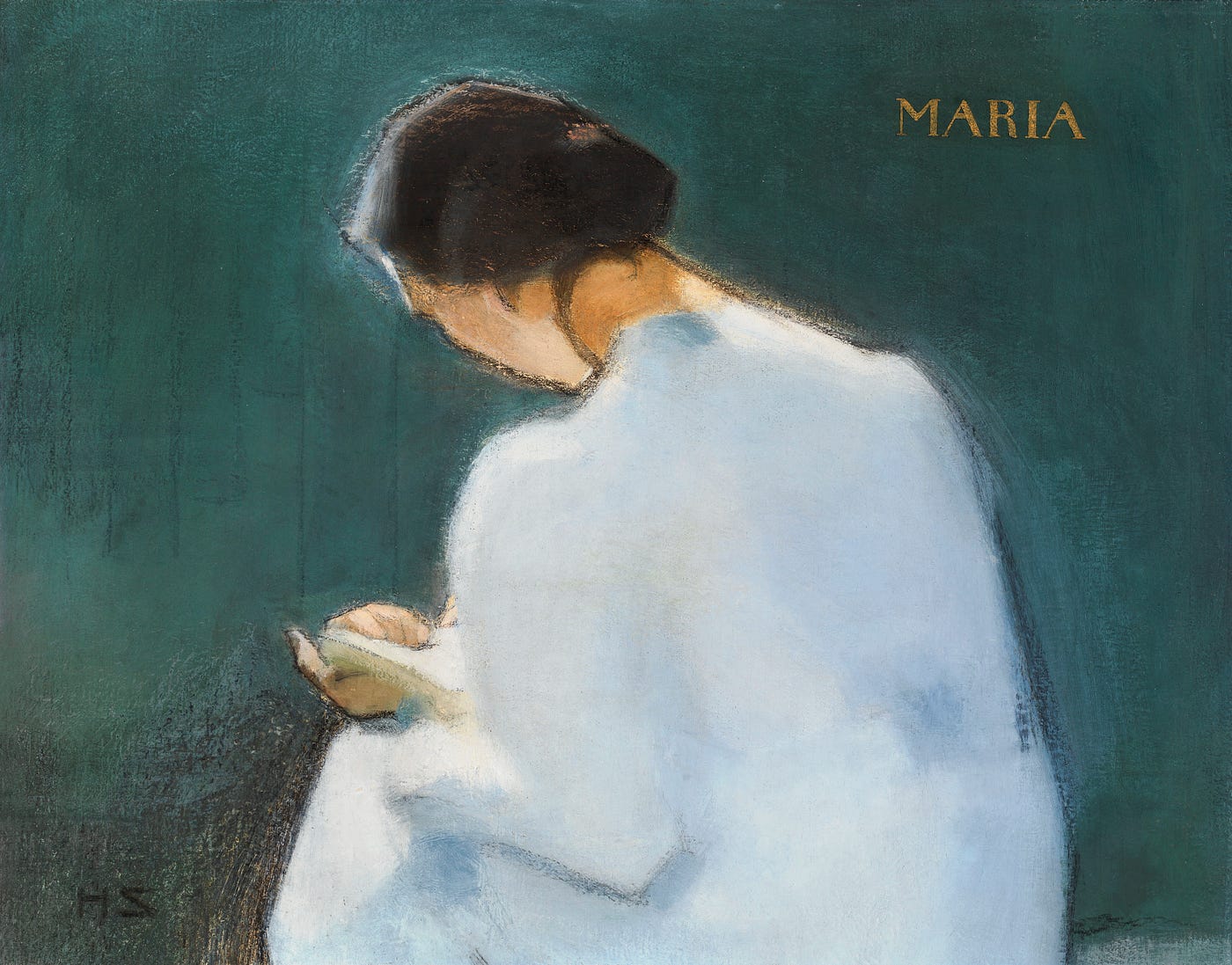
[Interpretive Experiment] Why Was the Man Able to Live “A Hundred Years” in a Single Night?
— The Truth of Natsume Soseki’s “The First Night” and Eternity and a Day
[Interpretive Experiment] Why Was the Man Able to Live “A Hundred Years” in a Single Night?

— The Truth of Natsume Soseki’s “The First Night” and Eternity and a Day
“I had a dream like this.”
Natsume Soseki’s fantastical short story collection, Ten Nights of Dreams. Its opening piece, “The First Night,” is a beautiful and mysterious tale of a dying woman and a man who waits for an unimaginable length of time, believing in her final promise. In this note, I will record an experimental analysis to unravel the “mystery of time” hidden within this story. Introduction: The Question of “Eternity and a Day” Are you familiar with the film Eternity and a Day by director Theo Angelopoulos? It is a masterpiece, a visual poem about an old poet who, facing death the next day, reflects on his entire life. In this film, there is a striking scene where his wife once asks, “How long is tomorrow?” and the protagonist answers, “Eternity and a day.” This is a declaration of resolve from someone facing imminent death, expressing the intent to live by condensing their entire life (eternity) into the brief “one day” they have left. Actually, there is a deep spiritual resonance between Soseki’s “The First Night” and this film. This is because both stories depict the collapse of the boundary between “objective time (Chronos),” ticked away by a clock, and “subjective time (Kairos),” experienced by the heart. Just as the film’s protagonist “saw eternity in a single day,” the man depicted by Soseki “locked an eternity of a hundred years within a single night’s dream.” Let’s delve into this “mystery of time” from three perspectives.
Perspective 1:
Religious — The Fusion of Eastern “Reincarnation” and Western “Resurrection” First is the perspective of “Religion.” The man digs a hole with a “pearl oyster shell” and places a “fragment of a star” as a tombstone. A shell born from the sea, the source of life, and a star that fell from the heavens. This can be seen as a preparation for Eastern “reincarnation” (samsara), returning the woman not simply to the earth, but to the cycle of the great universe. On the other hand, the “pure white lily” that blooms a hundred years later is also a symbol of Christian “resurrection.” The white lily represents purity and innocence as a symbol of the Virgin Mary, while a lily blooming in spring signifies the resurrection of Jesus Christ. If we view the “plump drop of dew” falling from heaven as grace or holy water, the man’s act of kissing it appears as a sacred ritual of a vow. Soseki weaves together the grand religious views of the East and West within this short dream.
Perspective 2:
Physical — “Time Travel” Compressed to the Absolute Limit Second is the perspective of “Physics.” The greatest mystery is the true nature of the “hundred years” the man spent waiting. As the theory of relativity shows, time is not absolute; it stretches and shrinks depending on the observer. The duration of REM sleep, when humans dream, is only a few minutes to tens of minutes in reality. However, within a brain where external stimuli are cut off, the speed of information processing accelerates to the limit. The man’s act of counting the red suns “one, two” is an expression of “reason” desperately trying to apply the logic of reality (day and night caused by rotation) to a dream world where physical laws do not apply. The hundred years he experienced can be called an “eternity of time travel compressed to the absolute limit,” created by the locked room of a dream.
Perspective 3:
Philosophical — Bergson’s “Pure Duration” and Existential Awakening Third is the perspective of “Philosophy.” Henri Bergson called objective time measured by a clock “spatialized time,” and the continuous time lived inwardly by humans “pure duration.” At first, the man tried to measure time with an objective indicator — the movement of the sun — and fell into despair when it didn’t work. However, at the very moment he let go of that obsession and his reason was about to collapse, the white lily bloomed. His murmur, “A hundred years had already arrived,” was not because the clock struck a century. It was the moment of “existential awakening,” realizing that the weight of his own inner experience of suffering and waiting had finally reached a hundred years.
Conclusion:
Release from the Spell of Time “A hundred years had already arrived.” At this moment of realization, the man was completely released from the “spell of time” brought by the clock’s hands. A massive amount of time, a hundred years, became equal in value to the single moment a lily blooms. This equivalent exchange of time is the essence of this fantastical tale, narrating the strength of human “love and will.” Just as the protagonist of the film Eternity and a Day imbued his remaining day with his entire life. The resolve of the man in “The First Night” was also a readiness to live an endless “present” that continues until the promise is fulfilled, rather than living on calendar time. That single night he spent counting suns on the moss was not mere endurance. It was a duration of one long “now” leading to the moment of his loved one’s rebirth — an “eternal process” to complete their love. “How long is tomorrow?” “Eternity and a day.” Perhaps what Natsume Soseki infused into this “First Night” was also such a tale of a single night’s love, compressed to the absolute limit, that could be called eternity.
(Afterword / Notice)
The video that formed the basis of this analysis is available on YouTube. Please enjoy it with the Taisho-era watercolor-style illustrations and the readings and commentaries in both Japanese and English.
메타데이터
- post_id
- f65d34412d0c
- slug
- interpretive-experiment-why-was-the-man-able-to-live-a-hundred-years-in-a-single-night-f65d34412d0c
- url
- https://medium.com/@jacopass/interpretive-experiment-why-was-the-man-able-to-live-a-hundred-years-in-a-single-night-f65d34412d0c
- canonical_url
- https://medium.com/@jacopass/interpretive-experiment-why-was-the-man-able-to-live-a-hundred-years-in-a-single-night-f65d34412d0c
- author_url
- https://medium.com/@jacopass
- status
- ok
- fetched_at
- 2026-06-21 19:25:17