mAkE Project Concludes: Three Years of Strengthening African-European Maker Collaborations
After three transformative years, mAkE wrapped up its mission of strengthening the maker movement through infrastructure, collaboration…
mAkE Project Concludes: Three Years of Strengthening African-European Maker Collaborations
After three transformative years, mAkE wrapped up its mission of strengthening the maker movement through infrastructure, collaboration, policy advocacy, and capacity-building
Participants from across Africa convene at the Africa Makerspaces Ecosystem Gathering 2024 in Cape Town to build collaborations. Photo credits: mAkE
Over the past three years, the African European Maker Innovation Ecosystem (mAkE) Project has united 10 African and European networks to shape the future of makerspaces and digital innovation hubs. Through infrastructure development, sustainable financial models, policy advocacy, and educational programs, mAkE has strengthened connections between Africa and Europe, empowering local innovators and fostering cross-continental collaboration.
A Network of Networks
The African European Maker Innovation Ecosystem (mAkE) was a collaborative innovation initiative designed to strengthen the ties between African and European Digital Innovation Hubs (DIHs) and makerspaces. At its core, mAkE sought to position DIHs and makerspaces as key drivers of local digital innovation in Africa.
Diagram illustrating the interconnected spectrum of community networks within the mAkE project. Photo credits: mAkE
By bringing together 10 African and European organizations, mAkE provided access to a global network of resources, funding opportunities, and expertise. The project united the efforts of: Global Innovation Gathering; Greentec Capital Africa Foundation; Centre for Social Innovation; Fab Lab Barcelona/IAAC; Africa Makerspace Network; Africa Open Science Hardware; Association for the Promotion of Open Science in Haiti and Africa (APSOHA); Open African Innovation Research; Internet of Production; Fab City Foundation
Achievements of the mAkE Project
Through collaborations within the mAkE partners and its networks, we delivered the following notable milestones:
- Promoted the financial sustainability of makerspaces through the development of the Open Catalogue of Business Models and Venture Building Handbook.
- Provided hands-on experience for makers through the Makers-in-Residency Program.
- Co-created policy recommendations and facilitated Minister meet Maker discussions in over 10 international events.
- Developed infrastructure such as the Maker Passport, Map of Machinery, and Digital Contracting System to enhance local production.
- Created open educational resources to support makerspaces such as the Open Makerspace Toolkit, and MOOC.
In July 2024, Kweku Efa-Ampomah, led a Train-the-Trainer workshop at the AfricaOSH Summit in Accra and trained over 50 teachers from 12 public schools across Ghana, equipping them to manage 12 newly established STEM laboratories in senior high schools.
How was mAkE Designed to Support Makerspaces?
The mAkE project presented an interconnected framework that contributed to an enabling environment for makerspaces in Africa. This was made possible through the following key pillars:
Infrastructure
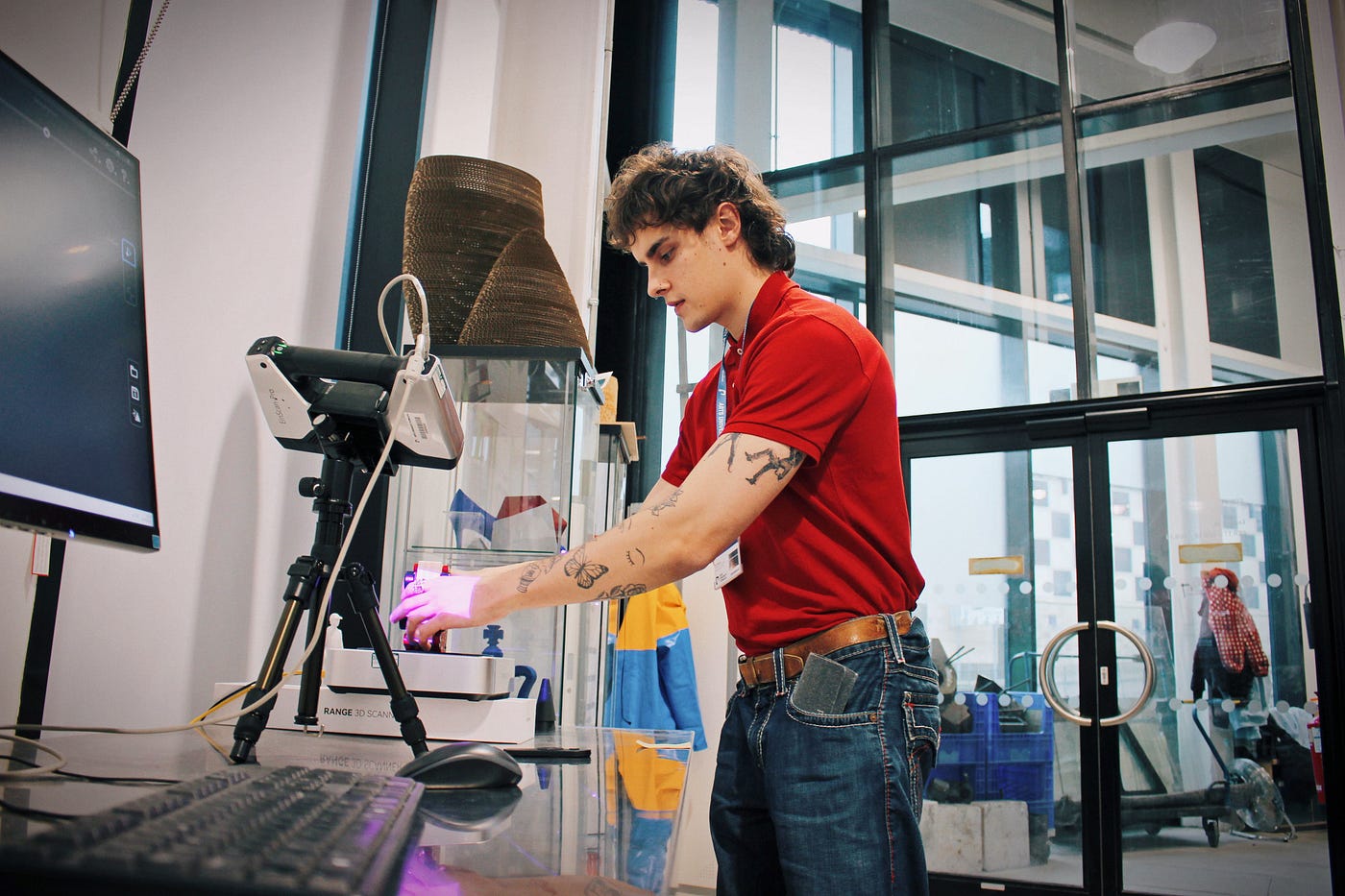
With this vision, the Internet of Production developed innovative distributed manufacturing infrastructures to facilitate the sharing of skills, machinery, and contracts.
- **Maker Passport:** A prototype system based on the People and Skills Specification, allowing makers to communicate their experience and skill levels globally.
- **Map of Machinery:** An open-access system where individuals and organizations can share and host data on machines, facilities, people, and materials enabling distributed manufacturing.
- **Contracting System:** Given the complexities of distributed manufacturing, an innovative digital contracting system was designed. It offers role-based frameworks and digital tools designed to tackle challenges related to quality assurance, payments, legal compliance, and coordination, thereby unlocking the potential for localized, efficient, and sustainable production.
“The Innovative Manufacturing in Africa program was a sister project led by the Internet of Production, funded by the RISA Fund and the UK Government. During the 1-year project (2023), the innovative infrastructures developed under the mAkE project in WP4 (Maker Passport, Map of Machinery and Contracting system) were tested for 3 rounds of distributed manufacturing trials. See more here: https://www.internetofproduction.org/innovative-manufacturing-in-africa”
Educational resources
A key goal of mAkE was to create a joint learning space for African and European Digital Innovation Hubs (DIHs), makerspaces and innovation communities. To achieve this, APSOHA led the development of a set of online open educational resources (OERs) within a dedicated e-learning platform, aimed at improving the skills and knowledge base of makers.
Resources include:
- **Open Makerspace Toolkit:** A structured, open-access resource designed to support the development and sustainability of makerspaces and DIHs across Africa and Europe.
- **MOOC (Massive Open Online Course):** A learning platform fostering cross-regional collaboration and lifelong learning among African and European DIHs.
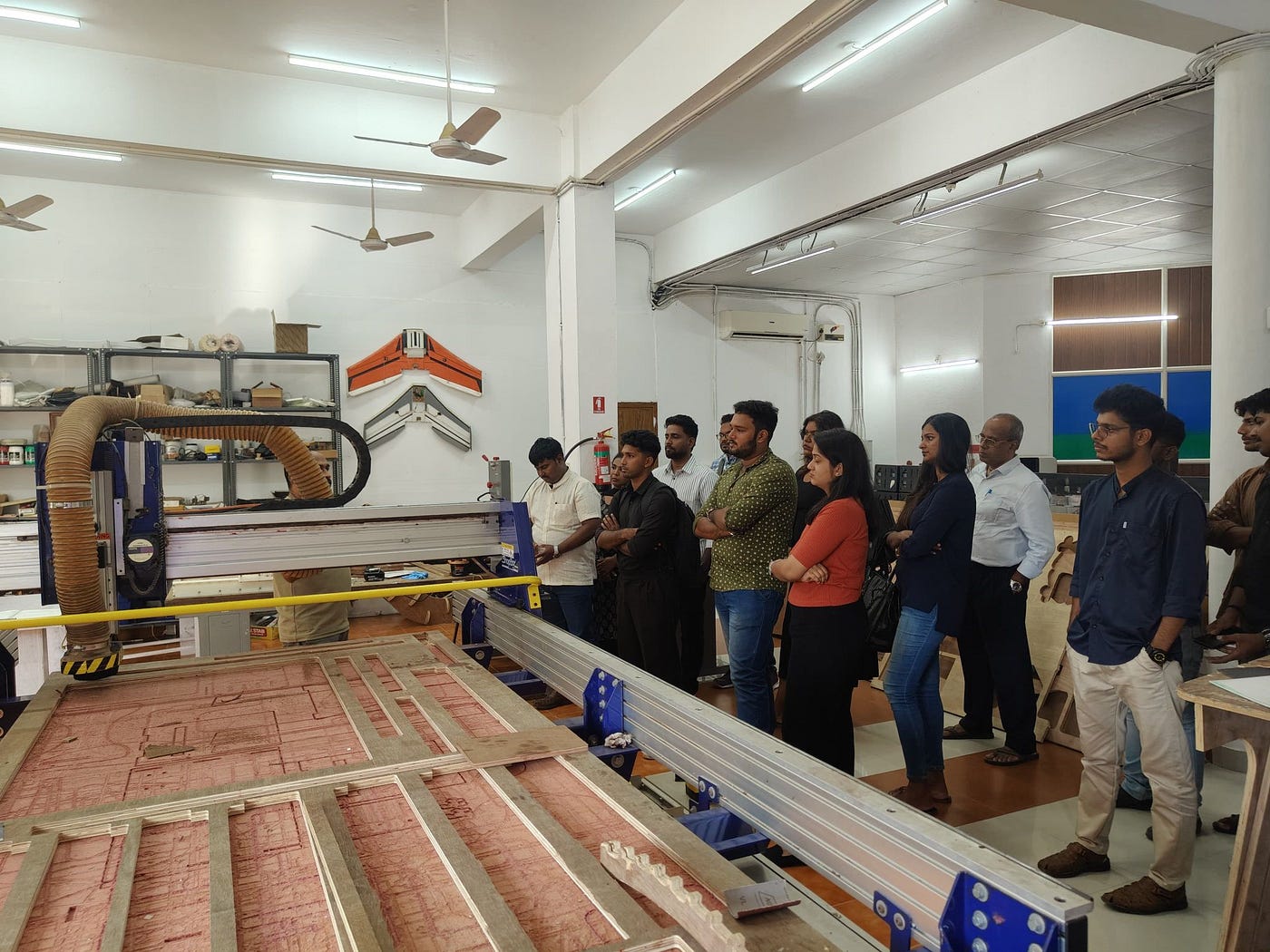
“To ensure broad accessibility, the Open Makerspace Toolkit ToT workshops were organized across multiple locations, including Barcelona, Yaoundé, Abidjan, Berlin, and Accra, ensuring a broad geographic reach and diverse participation. The workshops provided hands-on experience with the Open Makerspace Toolkit, allowing trainers to develop interactive sessions, tailor training content to various learner levels, and refine their instructional techniques.”
Venture building business models
To foster sustainability and entrepreneurship, GreenTec Capital Africa Foundation developed innovative business models, funding strategies, and venture-building programs.
Resources and initiatives include:
- **Open Catalogue of Business Models:** A resource designed to help makerspaces achieve financial sustainability while continuing to deliver public benefits.
- **Makers-in-Residency (MiR) Program:** An initiative to provide hands-on experience to makers. During the program, selected African makers completed residencies in European makerspaces.
- **Venture Handbook Book**: A toolkit for venture owners, managers, venture and builders in makerspaces in the process of creating successful, scalable businesses.
“One standout case was a maker collaborating with FabLab Copenhagen to develop a digital stethoscope, exploring market opportunities despite visa-related travel restrictions. The program successfully fostered cross-cultural collaboration and knowledge exchange, with European makerspaces gaining fresh perspectives from African innovators”
Policy and Advocacy
To integrate makerspaces into national and regional strategies, the Fab City Foundation together with the Africa Makerspace Network developed a Common Policy Agenda that outlines five key policy recommendations:
- Collaborate with makerspaces on national projects.
- Create dedicated funding initiatives.
- Endorse maker programs.
- Integrate makerspaces into STEAM education.
- Recognize makerspaces as critical local manufacturers.
The Common Policy Agenda has been co-created with over 60 African and European makers and has been disseminated at over 10 events including the makerspace track at the Afrilabs Annual Gathering 2024 and the African Makerspaces Ecosystem gathering 2024.
These policy recommendations also supported Minister Meet Maker dialogues, enabling policymakers and makers to engage in collaborative discussions.
The Minister Meet Maker Report documents key learnings and outreach strategies, emphasizing the importance of ongoing engagement between makers, policymakers, and development organizations.
Engaging innovators and makers in a Minister meet maker dialogue at the Ghana Digital Innovation Week 2024. Photo credits: GDIW organisers
“During the Ghana Hubs Network’s general meeting 2023, the policy recommendations were presented to a diverse group of stakeholders — including government representatives such as the Director of National Entrepreneurship and Innovation Programme (NEIP), a GIZ representative, the Dean of Languages at Takoradi Technical University (TTU), and others from the Ghana Association of Industry and the Ghana National Youth Employment Agency.”
Creating a Conducive Innovation Environment for Makerspaces
The Fab City Foundation and the Africa Makerspace Network, through their collaborative efforts in developing the Common Policy Agenda and facilitating Minister meet Maker dialogues, recommend the following actions for stakeholders committed to advancing the global maker movement:
Policy makers
- Adopt the policy agenda: Integrate the policy agenda into national and regional policy frameworks and programs to secure funding and partnerships for makerspaces.
- Partner with makerspaces: Collaborate with makerspaces to strengthen sectors such as manufacturing and promote sustainable practices and local production.
- Build on the policy agenda: Develop targeted policies that support and scale makerspaces and digital innovation hubs.
- Engage with innovation networks: Participate in maker gatherings to facilitate dialogue between policy makers and makers, driving effective policy changes and support for maker ecosystems.
Development Partners and Innovation Networks
- Promote the impact of the maker movement: Development partners and humanitarian organizations, with their extensive networks, influential platforms, and credible reputations, can amplify the visibility of makerspaces and the maker movement. By showcasing how makerspaces drive innovation, foster entrepreneurship, and address local challenges, they can inspire greater public and policy-level support.
- Integrate makerspace activities into programs: Include makerspace-led side events and workshops in programs to provide opportunities for makerspaces to share their work and showcase their products. This can lead to increased recognition and endorsements from influential stakeholders.
- Facilitate cross-sectoral partnerships: Act as conveners to build partnerships between makerspaces and other stakeholders. These partnerships can provide makerspaces with access to funding, mentorship, technical expertise, and markets, fostering their growth and sustainability.
- Advocate for funding mechanisms for makerspaces: Lobby for the creation of grant schemes and other financial mechanisms that specifically target makerspaces. Dedicated funding opportunities will ensure makerspaces can remain operational and continue to deliver impactful work over time.
mAkE and DDP project partners uniting efforts in a policy workshop framed using the Common Policy Agenda. Photo credits: mAkE
Conclusion
The mAkE project has created a lasting impact on the maker ecosystem, delivering a repository of resources, from sustainable business models and open educational tools to distributed manufacturing technologies and policy frameworks. By fostering hands-on experiences, access to funding, cross-regional collaborations, and strategic partnerships, mAkE has significantly elevated the visibility and capabilities of makerspaces, especially in Africa.
As we look to the future, the momentum generated by mAkE underscores the critical role of makerspaces in shaping resilient, locally productive economies. The Fab City Foundation is committed to building on this legacy, strengthening the bridge between the mAkE and Fab City communities, and advancing our shared mission for cities to become more sustainable, self-sufficient, and innovation-driven.
Special thanks to Joseph Agyina and the mAkE consortium
To explore the project outcomes and for potential collaborations, please send an email to freda@fab.city.
메타데이터
- post_id
- f6bb08d1f75b
- slug
- make-project-concludes-three-years-of-strengthening-african-european-maker-collaborations-f6bb08d1f75b
- url
- https://blog.fab.city/make-project-concludes-three-years-of-strengthening-african-european-maker-collaborations-f6bb08d1f75b
- canonical_url
- https://blog.fab.city/make-project-concludes-three-years-of-strengthening-african-european-maker-collaborations-f6bb08d1f75b
- author_url
- https://medium.com/@fabcityfoundation
- status
- ok
- fetched_at
- 2026-08-27 19:44:24