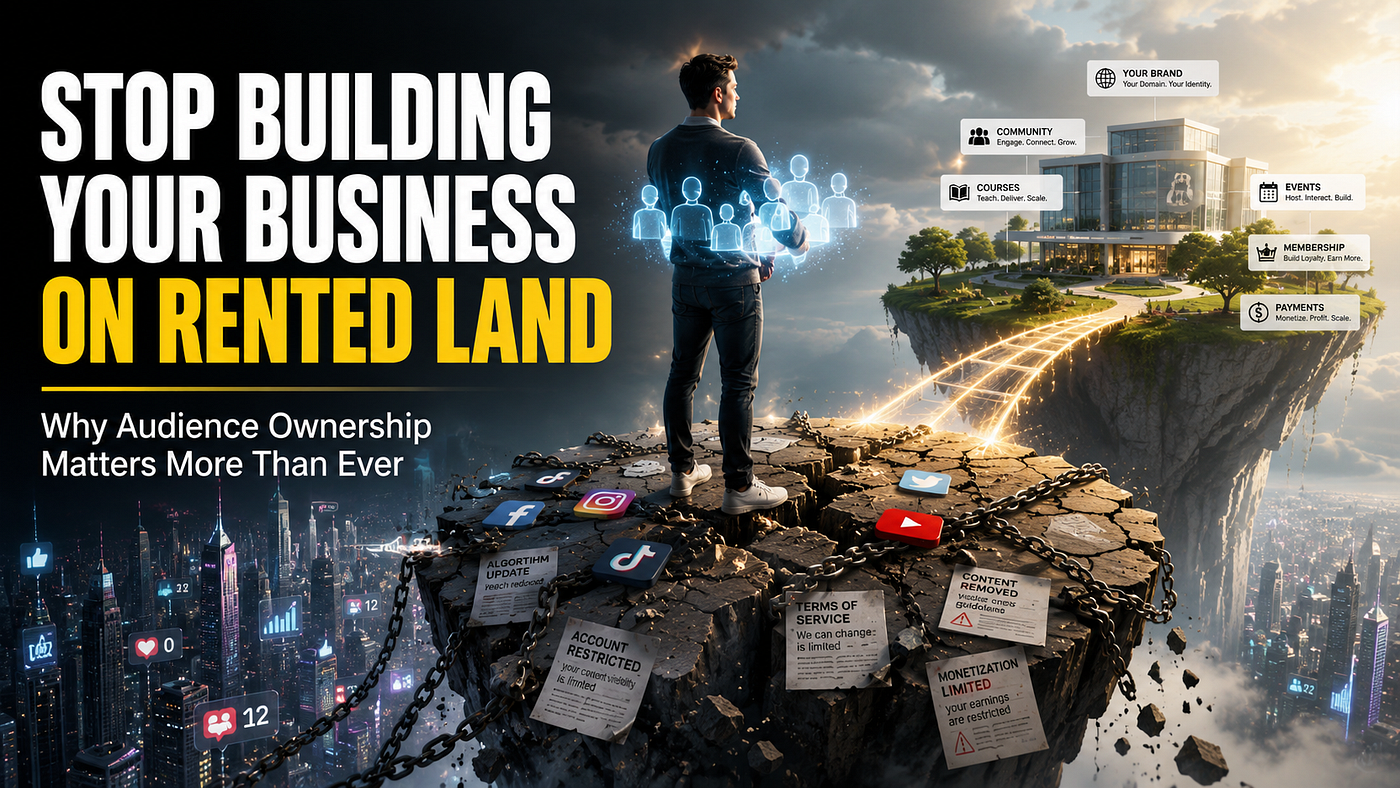
Stop Building Your Business on Rented Land
The Dangerous Mistake Many Creators Don’t Realize They’re Making
Stop Building Your Business on Rented Land
The Dangerous Mistake Many Creators Don’t Realize They’re Making
Imagine spending five years building an audience.
You post consistently.
You create valuable content.
You engage with your community.
You build trust.
Then one morning, an algorithm changes, a platform updates its policies, or your account gets suspended without warning.
Suddenly, the audience you worked so hard to build feels like it belongs to someone else.
It’s an uncomfortable thought, but it’s a reality many creators, coaches, consultants, educators, and business owners face every day.
The internet has made it easier than ever to build an audience.
It has also made it easier than ever to build a business on foundations you don’t actually own.
That’s what I mean by rented land.
And if you’re serious about building a long-term business, it’s a problem worth paying attention to.
What Does “Rented Land” Actually Mean?
When people hear the phrase “rented land,” they often think about social media.
But the concept goes much deeper.
Rented land is any platform where another company controls the rules, access, pricing, and visibility of your audience.
Examples include:
- Social media platforms
- Facebook groups
- Third-party community platforms
- Subscription-based creator tools
- Marketplaces
- Video platforms
- Email platforms you don’t control
None of these are bad.
In fact, they’re often necessary.
The problem starts when your entire business depends on them.
If one company controls your audience, your content, your customer relationships, and your ability to generate revenue, you are operating with a level of risk many entrepreneurs underestimate.
The Lesson Most Business Owners Learn Too Late
A few years ago, a creator I know built a thriving Facebook group with thousands of engaged members.
The group became the center of his business.
His courses were promoted there.
His coaching clients came from there.
His community lived there.
Everything seemed perfect.
Then engagement started dropping.
Not because the content changed.
Not because members left.
The platform simply changed how content was displayed.
Over time, fewer people saw his posts.
Fewer people clicked.
Fewer people engaged.
His business suffered, and there was little he could do about it.
He didn’t own the platform.
He was simply renting space on it.
This story is more common than most people realize.
Why Ownership Matters More Than Ever
The creator economy has matured.
Years ago, simply having followers was enough.
Today, followers alone are not a business asset.
Ownership is.
A creator with 5,000 highly engaged community members they control often has a stronger business than someone with 500,000 social media followers they don’t.
Why?
Because ownership creates stability.
When you own the relationship, you control:
- Communication
- Branding
- Monetization
- Customer experience
- Long-term growth
You are not constantly adapting to someone else’s decisions.
Instead, you build according to your own vision.
Common Mistakes People Make
Mistake #1: Confusing Followers With Assets
Followers can disappear overnight.
An audience you own is far more valuable than an audience you borrow.
Mistake #2: Relying on a Single Platform
Many creators build their entire business around one platform.
When that platform changes, everything changes.
Diversification matters.
Mistake #3: Ignoring Community Ownership
Many business owners focus on acquiring customers.
Few focus on creating environments they fully control.
This often becomes a costly mistake later.
Mistake #4: Chasing Reach Instead of Relationships
Reach feels exciting.
Relationships create revenue.
The strongest businesses focus on building direct connections rather than simply accumulating views.
Why Most People Struggle With This
Most people don’t intentionally build on rented land.
They simply follow the easiest path.
A Facebook group is easy.
A social media profile is easy.
A marketplace is easy.
A subscription platform is easy.
The challenge is that convenience today can create dependency tomorrow.
Another reason people struggle is that ownership feels less urgent than growth.
Getting more followers feels exciting.
Building infrastructure feels boring.
But the businesses that last are usually built on strong foundations rather than temporary attention.
Think about it this way.
Nobody builds a house and ignores the foundation.
Yet many entrepreneurs build entire businesses without considering who actually controls the ground beneath them.
The Hidden Cost of Platform Dependency
Most people think platform dependency is a marketing problem.
It’s actually a business problem.
When you depend entirely on external platforms, you often face:
Rising Costs
Many platforms begin affordable and become more expensive over time.
Limited Customization
Your business becomes constrained by someone else’s system.
Reduced Brand Identity
Your brand starts looking like everyone else’s.
Revenue Risk
Changes in platform policies can directly impact income.
Customer Experience Challenges
Moving customers between multiple tools creates friction and confusion.
These issues may seem small individually.
Combined, they can slow growth and reduce profitability.
What Smart Creators Do Differently
Successful creators think differently about digital assets.
They focus on ownership.
Instead of asking:
“How do I get more followers?”
They ask:
“How do I build stronger relationships with the audience I already have?”
Instead of relying entirely on third-party platforms, they create environments where their audience can engage directly with their brand.
They invest in:
- Owned communities
- Email lists
- Branded experiences
- Direct customer relationships
- Long-term infrastructure
These assets become more valuable over time.
Building an Audience You Actually Control
You don’t need to abandon social media.
That’s not the point.
Social platforms are excellent for discovery.
The mistake is treating discovery platforms as your business foundation.
A better approach looks like this:
Step 1: Use Social Media for Visibility
Let platforms help people find you.
Step 2: Move People Into Owned Assets
Encourage subscribers, members, and customers to join environments you control.
Step 3: Build Community
Create a place where relationships can grow beyond algorithms.
Step 4: Create Direct Communication Channels
Email, community messaging, events, and membership experiences help maintain direct connections.
Step 5: Strengthen Ownership Over Time
The more direct relationships you build, the less vulnerable your business becomes.
A Simpler Way to Get Better Results
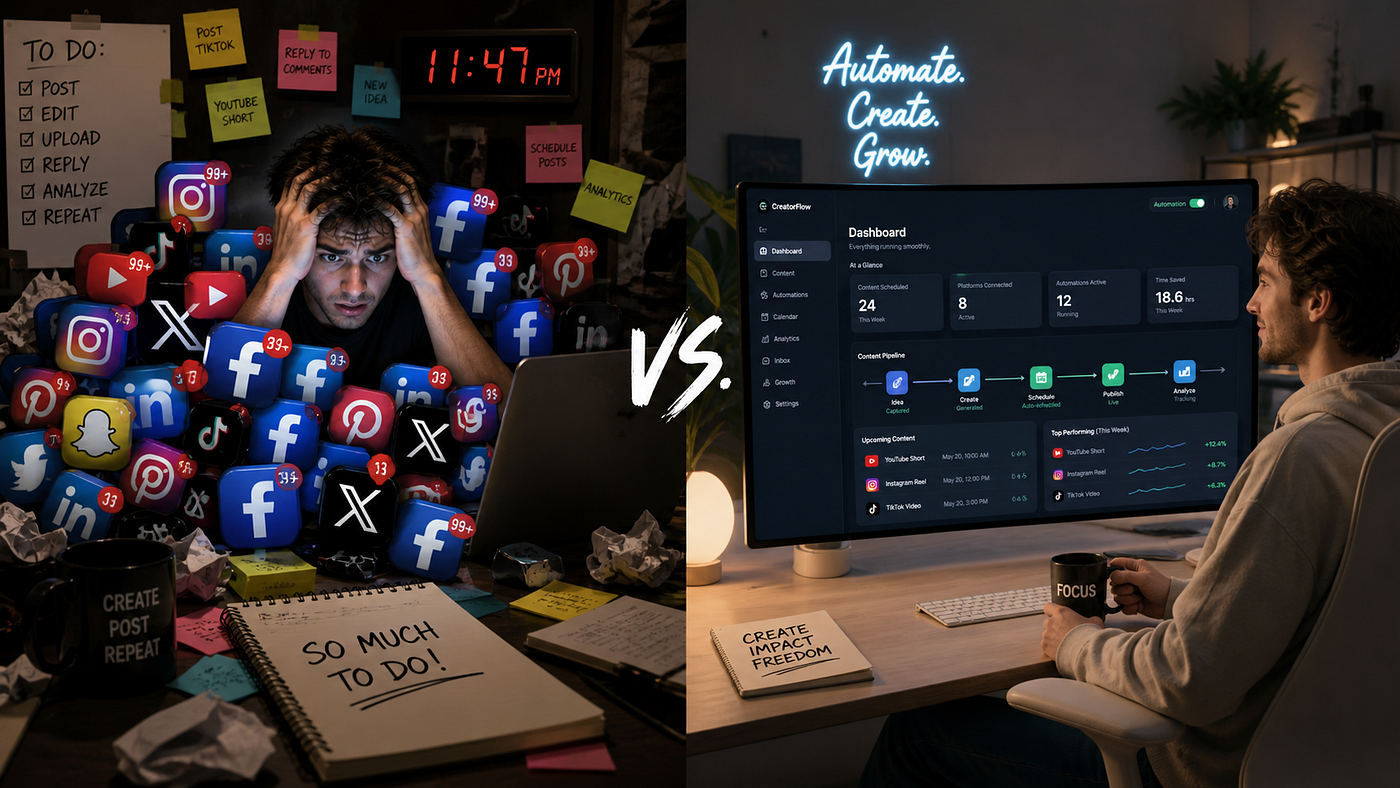
One challenge many creators face is fragmentation.
They use one tool for community.
Another for courses.
Another for events.
Another for member communication.
Another for payments.
Over time, the stack becomes expensive and difficult to manage.
This is where all-in-one platforms have started gaining attention.
Instead of stitching together multiple tools, some creators prefer bringing everything into one branded environment.
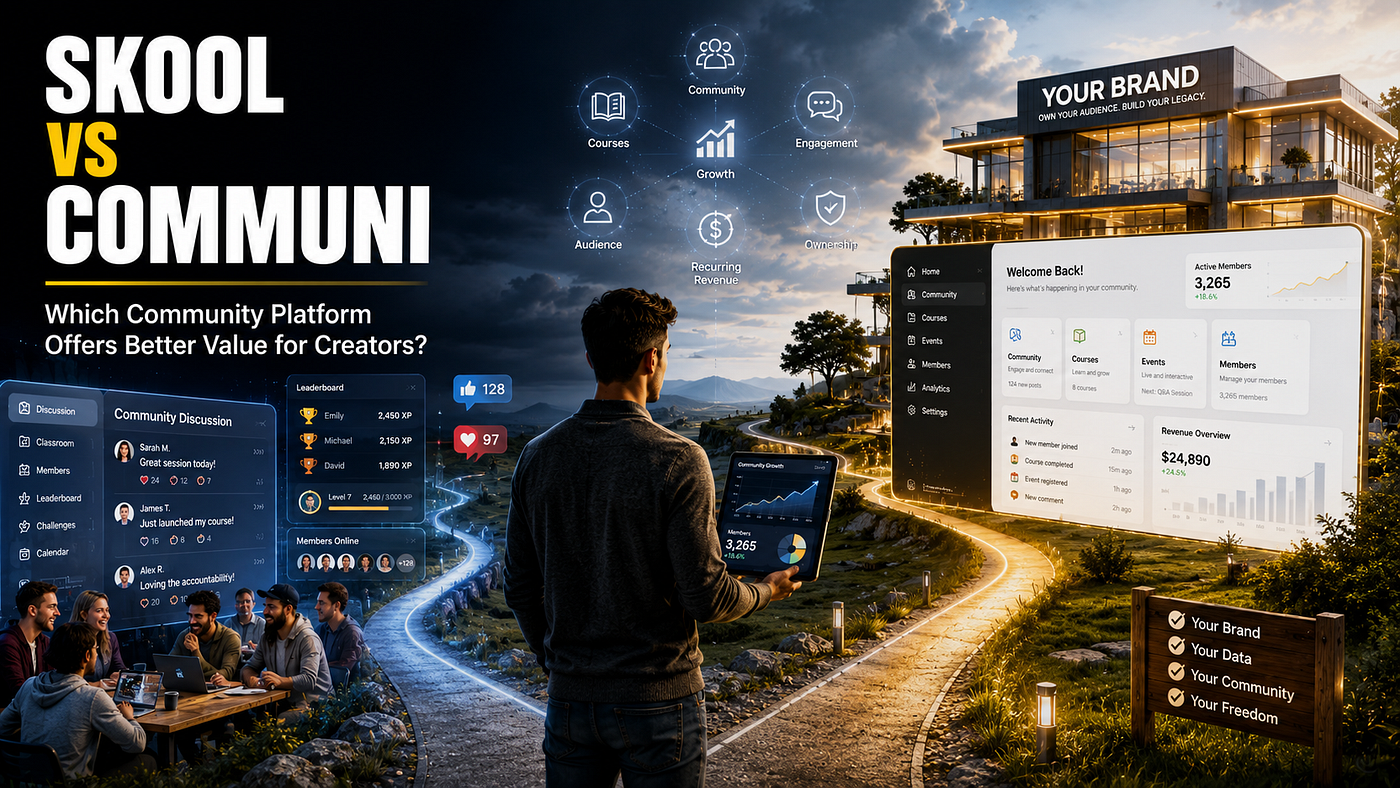
One example is **Communi**.
Rather than focusing solely on community discussions, it combines community management, courses, events, engagement features, payments, and branding capabilities into a single platform.
What makes this approach interesting is not simply convenience.
It’s ownership.
Instead of scattering your audience across multiple platforms, you can create a central hub that reflects your brand and keeps your community connected in one place.
It’s not the only option available, but it aligns well with the growing shift toward audience ownership and long-term business sustainability.
Pros and Benefits
For creators and business owners focused on ownership, there are several advantages to moving toward a more centralized model.
Better Control
You decide how your audience experiences your brand.
Stronger Community Relationships
Members interact directly within your ecosystem.
Reduced Complexity
Fewer tools often mean fewer technical headaches.
More Consistent Branding
Your audience experiences your brand rather than someone else’s platform.
Greater Long-Term Stability
Your business becomes less vulnerable to external platform changes.
The Future Belongs to Businesses That Own Their Audience
The internet will continue changing.
Algorithms will change.
Platforms will change.
Pricing models will change.
That part is unavoidable.
What you can control is where your business lives.
Creators who prioritize ownership today will likely have more stability tomorrow.
They’ll spend less time worrying about platform updates and more time serving their audiences.
They’ll build stronger relationships.
They’ll create more resilient businesses.
Most importantly, they’ll own the ground beneath their feet.
Final Thoughts
Building on rented land is easy.
That’s why so many people do it.
Building owned assets takes more intention.
But it also creates more security, more control, and more long-term opportunity.
If you’re a creator, coach, consultant, educator, membership owner, course seller, or community builder, it’s worth asking yourself one simple question:
If the platform you rely on disappeared tomorrow, what would happen to your business?
The answer to that question may reveal whether you’re building a business you truly own or simply renting space inside someone else’s.
The good news is that it’s never too late to start building differently.
And the sooner you begin prioritizing ownership, the stronger your business foundation becomes.
Learn More
If you’re exploring ways to create a branded community, host courses, manage events, and build stronger audience ownership from a single platform, it may be worth taking a closer look at **Communi**.
메타데이터
- post_id
- f719cd4e77f6
- slug
- stop-building-your-business-on-rented-land-f719cd4e77f6
- url
- https://medium.com/@theainexusai/stop-building-your-business-on-rented-land-f719cd4e77f6
- canonical_url
- https://medium.com/@theainexusai/stop-building-your-business-on-rented-land-f719cd4e77f6
- author_url
- https://medium.com/@theainexusai
- status
- ok
- fetched_at
- 2026-08-06 18:54:07