Four Years Later, They Came Back: Nigeria’s School Kidnapping Economy
How impunity enables Nigeria’s school kidnap economy
Four Years Later, They Came Back: Nigeria’s School Kidnapping Economy
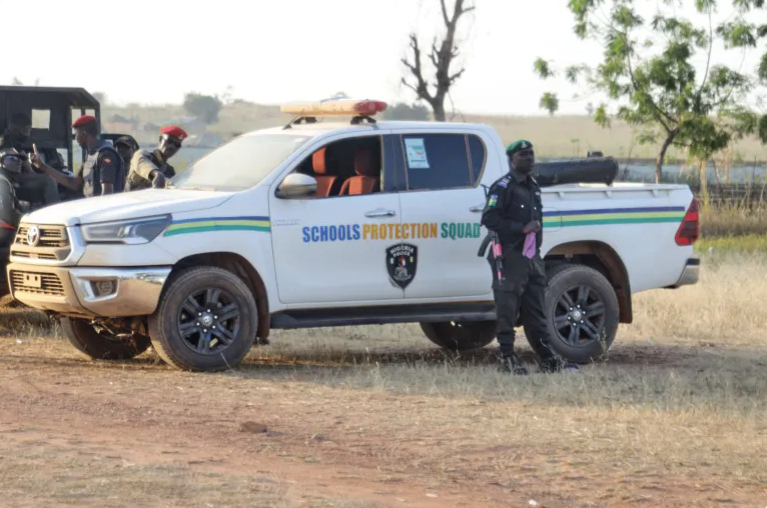
The gunmen who scaled the fence of Government Girls Comprehensive Secondary School in Maga, Kebbi State on November 17, 2025, were not pioneers testing new criminal territory. They were return customers visiting a proven market. Four years earlier, in June 2021, armed bandits had kidnapped over one hundred students and staff from a government college in the same state, collecting ransoms in batches over two years while some female students were forcefully married and returned with babies. Now, at 4 a.m. on a Monday morning, twenty-five more schoolgirls disappeared into the same forests, the vice principal lay dead, and Nigeria confronted an uncomfortable truth: the state’s failure to prosecute the 2021 attackers had written an instruction manual for the 2025 operation.
This is not a story about isolated criminal opportunism. This is a story about how impunity creates industrial-scale repetition, transforming schools from protected spaces into renewable revenue sources for armed groups who have learned that Nigerian communities will pay anything to recover their daughters, and that nothing will happen to kidnappers once payment clears. Understanding why this phenomenon has occurred twice in four years requires examining how Nigeria’s response to the first mass abduction actively enabled the second, creating a self-perpetuating economic model where successful ransoms fund operational expansion while zero prosecutions guarantee future attacks.
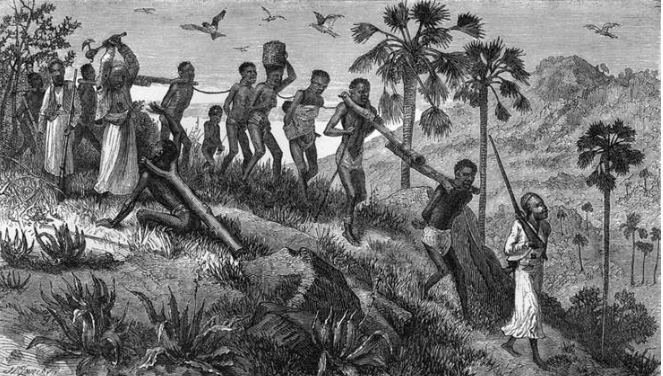
The mechanics of school kidnapping as economic enterprise become visible when examining the 2021 incident’s aftermath. Over two years, parents raised ransoms that secured the release of their children in batches, a payment structure that mirrors installment plans in legitimate commerce. Some students returned forcefully married, some returned with babies, and all returned to communities that had liquidated assets to pay armed groups who faced no legal consequences. The operational lesson for criminals was unambiguous: schools in northern Nigeria offer high-value targets with guaranteed payment and zero prosecution risk. The 2025 attack simply repeated a proven business model.
The transformation of schools into economic targets reflects specific governance failures that create vulnerability. Nigeria has witnessed at least 1,500 student abductions since Boko Haram’s 2014 Chibok kidnapping of 276 schoolgirls. Yet this massive casualty toll has not produced systematic school protection protocols, prosecution of known kidnappers, or security reforms that would make schools harder targets than markets or highways. Instead, schools remain soft targets where concentrations of vulnerable individuals gather predictably in locations with minimal security, creating ideal conditions for mass abductions that maximize ransom leverage.
The economic incentives driving school-focused kidnapping operations deserve careful examination. Analysts note that strategic kidnapping of schoolchildren generates far more attention and pressure than marketplace or roadside abductions. When twenty-five schoolgirls disappear, governors visit, army chiefs issue statements, and international media reports the incident. This attention translates into payment urgency that armed groups deliberately exploit. Parents facing the prospect of daughters held in forest camps, potentially subjected to forced marriage or worse, will sell farmland, liquidate savings, and borrow from relatives to raise ransoms. The school setting provides both concentration of high-value targets and the social pressure that ensures payment.
The pattern visible in Kebbi extends across northwestern Nigeria, where armed gangs have repeatedly targeted schools despite government pledges to improve security. March 2024 saw over 130 schoolchildren rescued after more than two weeks in captivity in Kaduna State. Each incident demonstrates similar operational patterns: coordinated attacks using motorcycles, exchanges of gunfire with overwhelmed security forces, rapid movement into forest hideouts where rescue operations face enormous challenges. The repetition reveals not random criminal activity but refined tactical approaches that armed groups share, adapt, and improve based on what works.
The human consequences of this kidnapping economy extend far beyond immediate trauma to create generational impacts that destabilize entire communities. These young women face destroyed educational trajectories, community stigma, moreover, their presence in communities serves as constant reminder of state failure to protect its citizens or punish perpetrators.
The educational impact compounds over time as schools become sites of fear rather than learning. Following the November 17 attack, the Government Girls Comprehensive Secondary School stood deserted, its dormitories empty, its classrooms silent. Parents throughout Kebbi State now confront impossible calculations about whether their daughters’ education is worth the kidnapping risk. Many will choose to keep daughters home, creating a lost generation of girls whose educational opportunities ended not because schools don’t exist but because attending them became too dangerous. This educational destruction serves armed groups’ interests by ensuring future generations remain economically marginalized and therefore vulnerable to recruitment.
The state response pattern reveals institutional dynamics that perpetuate rather than interrupt this cycle. When Lieutenant-General Waidi Shaibu visited Kebbi following the November attack, he directed “intelligence-driven operations and relentless day-and-night pursuit of the abductors” while emphasizing that “success is not optional.” Yet identical rhetoric followed the 2021 attack, and four years later the same state faces the same crime in the same location. The gap between stated commitment and demonstrated capability suggests either fundamental institutional incapacity or lack of genuine political will to implement reforms that would make school protection effective.
The prosecution gap emerges as the most significant governance failure enabling kidnapping repetition. Analysts and residents consistently identify failure to prosecute known attackers as the primary driver of northwestern Nigeria’s insecurity. When armed groups collect millions in ransoms, release hostages, and face zero legal consequences, the economic calculation becomes straightforward: kidnapping offers high rewards with negligible risk. The corruption that limits weapons supplies to security forces while ensuring steady supply to gangs creates operational environment where criminals possess equipment advantages over state forces theoretically charged with stopping them.
The international dimension of this crisis introduces additional complications that affect both understanding and response. When Trump administration officials seized on the Kebbi kidnapping to claim Christians face systematic persecution in Nigeria, they ignored Kebbi State police confirmation that the abducted schoolchildren were all Muslim. This deliberate misrepresentation for domestic American political purposes obscures the actual dynamics driving school attacks. Northwestern Nigerian kidnapping targets victims based on economic vulnerability and payment capacity, not religious identity. Muslims and Christians both suffer mass abductions in regions where state absence creates opportunity for armed groups seeking ransom revenue.
The ransom payment debate reveals the impossible position in which Nigerian families find themselves when state protection fails. National security officials appeal to families to cease ransom payments, arguing such payments perpetuate the kidnapping cycle. Yet families facing daughters held in forest camps by armed groups must choose between abstract policy arguments about not funding criminals and concrete reality that refusing payment likely means daughters die or remain permanently enslaved. Without credible state capacity to rescue hostages, the moral burden of refusing ransom payments falls on victims while perpetrators face no consequences.
The economic destruction caused by repeated ransom payments extends beyond individual families to destabilize entire regional economies. When communities liquidate assets to raise ransoms, they destroy accumulated wealth that took generations to build. Farmers sell land their families cultivated for decades. Merchants close businesses to raise cash. Extended family networks exhaust savings accounts to contribute to ransom pools. This wealth transfer from vulnerable communities to armed groups simultaneously enriches criminals while impoverishing the regions they prey upon, creating conditions that make future recruitment easier as economic desperation grows.
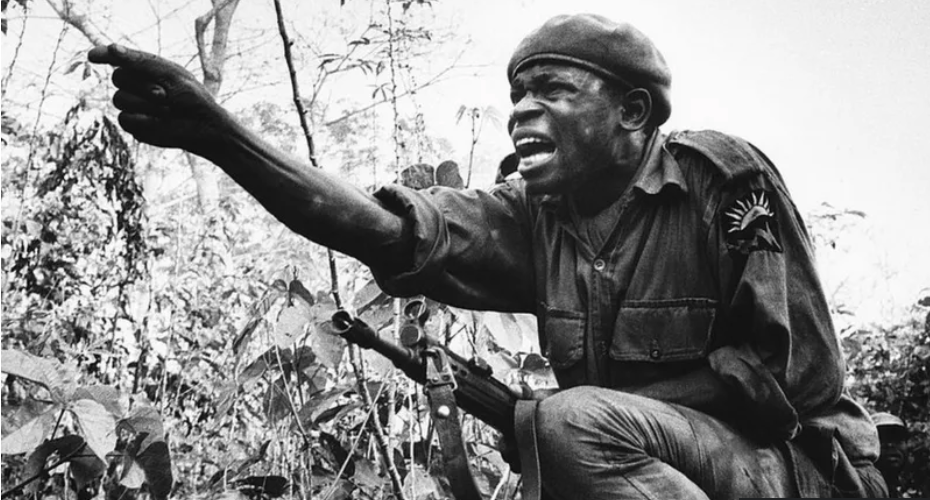
The comparison with the 2014 Chibok abduction reveals how patterns established over a decade continue shaping present crises. When Boko Haram kidnapped 276 schoolgirls from Chibok, it demonstrated that mass school abductions generate international attention, enormous pressure on governments, and leverage for negotiation. While many Chibok girls eventually escaped or were released, some have never returned, living reminder of state failure that persists over ten years later. The Chibok precedent established school kidnapping as viable tactic that armed groups across northern Nigeria have subsequently adopted and refined.
The forward trajectory of this crisis depends entirely on whether Nigeria implements reforms that break the impunity-repetition cycle. Effective intervention requires multiple simultaneous actions: prosecuting kidnappers from previous attacks, securing schools with permanent security presence rather than post-attack rhetoric, disrupting ransom payment mechanisms that fund operations, and rebuilding state presence in peripheral regions where absence creates opportunity. Yet each reform faces political obstacles, resource constraints, and institutional resistance that have prevented implementation despite years of escalating attacks.
The test of whether November 2025 represents inflection point or simply another data point will emerge in coming months through observable indicators. Do security forces actually locate and rescue the twenty-five Kebbi schoolgirls, or does this attack follow the 2021 pattern of ransom negotiations and batch releases? Do prosecutors charge anyone for either the 2021 or 2025 attacks, or does impunity continue guaranteeing future incidents? Do parents in Kebbi State send daughters back to school, or does fear empty classrooms across the region? These questions will determine whether Nigeria finally confronts the governance failures enabling school kidnapping or whether armed groups continue treating educational institutions as renewable revenue sources.
The schoolgirls who disappeared into Kebbi’s forests on November 17 joined at least 1,500 students kidnapped across Nigeria since 2014, each case representing not just individual tragedy but systematic state failure. Their fate will reveal whether Nigeria possesses the institutional capacity and political will to protect its children or whether schools remain sites where armed groups can reliably extract ransoms while facing zero consequences. Four years after the first mass school abduction in Kebbi, the bandits returned because nothing had changed to stop them. Whether they return again in 2029 depends entirely on choices Nigerian authorities make in the months ahead, choices between genuine reform and continued rhetoric that has consistently failed to prevent armed groups from treating schoolgirls as economic commodities in a kidnapping economy the state refuses to dismantle.
메타데이터
- post_id
- f71b3fbaabf2
- slug
- four-years-later-they-came-back-nigerias-school-kidnapping-economy-f71b3fbaabf2
- url
- https://medium.com/@OS_Okonkwo/four-years-later-they-came-back-nigerias-school-kidnapping-economy-f71b3fbaabf2
- canonical_url
- https://medium.com/@OS_Okonkwo/four-years-later-they-came-back-nigerias-school-kidnapping-economy-f71b3fbaabf2
- author_url
- https://medium.com/@OS_Okonkwo
- status
- ok
- fetched_at
- 2026-08-05 16:15:03