Can You Bottle Nostalgia? Recreating the Smell of Rain
Imagine the smell of dry sand after the first rain. Many perfume industries have tried to recreate this smell. The Smell is changing now!
Can You Bottle Nostalgia? Recreating the Smell of Rain
Imagine the smell of dry sand after the first rain. Many perfume industries have tried to recreate this smell. The Smell is changing now!
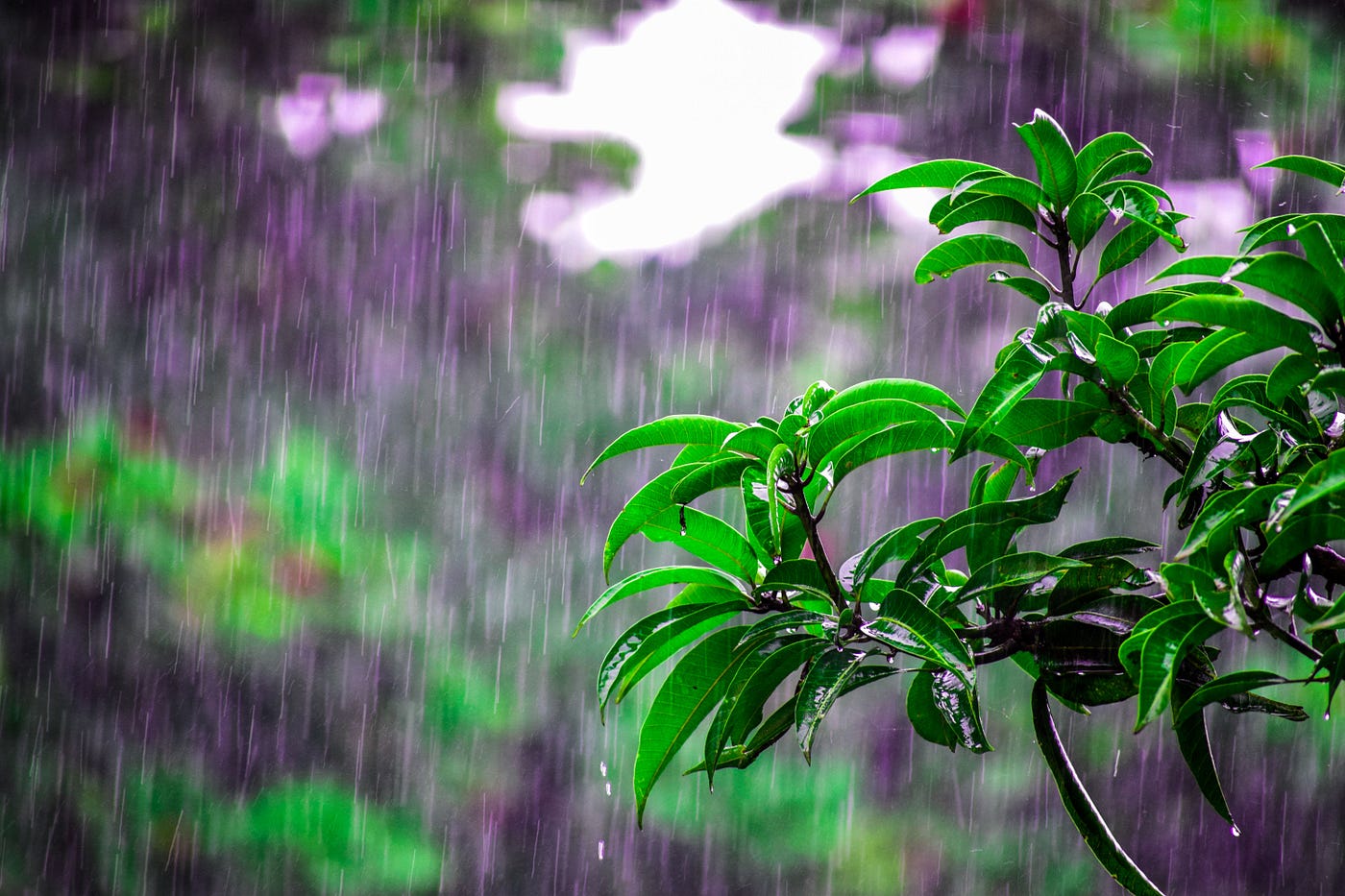
Image Source: Pexels
Stand outside right after the first rain hits dry ground, and you will know the smell before you can name it. It rises up fast, almost like the earth exhaling. It smells like wet stone, old soil, and something faintly sweet underneath. People stop what they are doing. Children run outside. Someone always says the same thing without thinking about it:
It smells like rain.
That smell has a name. Scientists call it petrichor. It is one of the most recognized scents on earth, and yet almost no one can describe where it comes from. For decades, perfumers have tried to bottle it anyway.
They have spent careers chasing a smell that exists for only a few minutes, in a moment that cannot be repeated the same way twice. The story of why they keep trying says less about chemistry and more about what humans are willing to do to hold on to a feeling.
What Petrichor Actually Is
In 1964, two Australian scientists named Isabel Joy Bear and Richard Thomas gave this smell a name. They called it petrichor. The word comes from old Greek roots. Petra means stone. Ichor means the blood of the gods. Before that, scientists just called it a dry, boring name. The new word finally matched how special the smell feels.
The smell comes from three simple things. The first is geosmin, made by tiny bacteria that live in soil. These bacteria have been around for hundreds of millions of years. The second is plant oils that build up in dry soil and on rocks. The third is ozone, a sharp, clean smell that lightning creates in the air before rain even falls. When raindrops hit dry ground, they release all three into the air at once. That burst is what you smell.
Humans are extremely sensitive to geosmin. Studies show people can smell it at incredibly tiny amounts, far smaller than most other scents. Some research even suggests humans are more sensitive to it than sharks are to blood in water. One theory says our ancestors needed this skill to find water in dry places. The smell of rain may once have meant survival itself.
A Smell Almost Everyone Recognizes
Ask someone about the smell of the first monsoon rain hitting hot sand, and they will likely close their eyes a little before answering. In India, this smell even has its own name in perfumery. It is called mitti attar, made by distilling baked clay with sandalwood oil, a tradition that goes back centuries, long before any laboratory identified geosmin as the cause. The same experience repeats itself around the world in different forms.
A farmer in the American Midwest knows the smell of rain hitting a dry field. Someone walking through a city after a summer storm knows the smell of water hitting hot pavement, sharp and almost metallic. The chemistry shifts slightly depending on soil, climate, and plant life, but the emotional pull stays remarkably similar everywhere.
This is part of what makes petrichor so unusual. Most smells that people love are personal. A certain perfume might remind one person of their grandmother and mean nothing to someone else. Petrichor seems to skip that step. It reaches almost everyone, regardless of where they grew up or what language they speak. That kind of universal pull is rare, and it is exactly what drew perfumers to try to capture it in the first place.
Why Perfumers Cannot Leave It Alone
Bottling rain sounds simple until you actually try it. The smell of petrichor is not one ingredient. It is a moving target made of dozens of compounds shifting together at once, changing with humidity, soil type, temperature, and the length of the dry spell before the rain. Perfumers who have tried to recreate it describe it less like building a recipe and more like chasing a memory that keeps changing shape.
Geosmin is the backbone of almost every rain-themed fragrance, but it comes with a problem. In its pure form, geosmin does not smell like rain at all. It smells like beets, heavy and almost unpleasant. Only when it is diluted down to around one percent, sometimes far less, does it open up into something that resembles wet earth. Perfumers often add this in tiny amounts, sometimes just a single drop, because too much can overwhelm an entire fragrance and tip it from earthy into rotten. Around that base, perfumers layer other materials.
Patchouli and vetiver add depth and a woody undertone. Ozonic molecules are added to mimic the sharp clean smell that lightning leaves in the air. Some even use small traces of sulfur compounds to capture the slightly unpleasant edge that real rain carries, because a smell that is too clean stops feeling believable.
Despite all this effort, most perfumers admit that nature still wins. Real petrichor is built from fifty or more chemical compounds working together, shifting with the environment in ways a bottle cannot fully copy. Fragrances inspired by rain, sold under names that evoke storms, wet stone, and forest floors after a downpour, can come close.
They can move people and even bring them close to tears in a department store. But almost no perfumer claims to have fully recreated the real thing. What they have built instead is something close enough to trigger the same feeling, which may be the only kind of accuracy that ever mattered.
Why a Smell Can Undo a Person
There is a reason petrichor hits so hard emotionally, and it has nothing to do with chemistry alone. It has to do with how the brain handles smell differently from every other sense. When you see or hear something, that information travels through several processing stops before it reaches the parts of the brain tied to emotion and memory.
Smell skips most of that detour. The olfactory system connects almost directly to the amygdala and the hippocampus, the two brain regions most responsible for emotional memory and recall. This is why a smell can pull up a memory faster and more vividly than a photograph or a song.
This effect even has a name borrowed from literature. It is called the Proust phenomenon, named after the writer Marcel Proust, who famously described a flood of childhood memory triggered by the taste of a small cake dipped in tea.
One study published in the journal Memory found that scent-triggered nostalgia is linked to higher self-esteem, a stronger sense of social connection, and a greater feeling of meaning in life compared to nostalgia triggered by other senses.
Another study using brain imaging found that smell-evoked memories are rated as more emotional and arousing than memories triggered by music or images, even when the underlying memory is the same one.
Petrichor sits right in the center of this effect because it is so widely shared. For many people, it is tied to childhood summers, to the relief of a heatwave finally breaking, to running outside barefoot, to a roof that finally stopped feeling like an oven. The smell becomes a kind of time machine, except no one had to ask for the ticket. It simply happens the moment the first drop hits dry ground.
But, This Smell Is Quietly Changing!
This is where the story stops being only about chemistry and nostalgia. It starts becoming about climate change. Petrichor depends on a very specific sequence.
There has to be a real dry spell first, long enough for geosmin and plant oils to build up in the soil. Then rain has to arrive at a normal, steady pace, enough to release those compounds into the air without simply flooding past them. That balance is exactly what global warming is disrupting in many parts of the world.
In regions facing longer droughts, soil can become so dried out that the bacteria producing geosmin struggle to survive, which changes the strength and character of the smell when rain finally returns. In other regions, rainfall patterns are shifting toward fewer, heavier storms instead of the gradual seasonal rains communities are used to.
A sudden downpour after months of extreme dryness does not always produce the same gentle release of scent. Sometimes it produces flooding and erosion instead, washing away the very compounds that create petrichor before anyone gets the chance to notice the smell at all.
Urban areas face a related problem. As more land gets paved over and natural soil disappears under concrete, there is simply less exposed earth left to produce the smell in the first place.
None of this means petrichor will disappear completely. Soil bacteria are resilient, and rain will keep falling somewhere on Earth. But the experience is becoming less reliable in many places, arriving less often, smelling different when it does arrive, or showing up alongside flooding instead of relief.
Climate scientists rarely talk about smell when they discuss environmental change.
Most conversations focus on rising sea levels, melting ice, or extreme heat, all of which deserve attention. But there is something worth noticing in the fact that even something as small and universal as the smell of rain is shifting under the weight of a warming planet.
What Future Generations Might Miss
There is a particular kind of loss that does not get discussed enough in conversations about climate change, and it is the loss of ordinary sensory experiences that generations before us simply assumed would always be there.
Children growing up in increasingly drought-prone regions may never experience the specific magic of rain breaking a long dry spell over natural soil, because the soil itself may be too degraded or too often paved over to produce the smell the way earlier generations remember it.
The mitti attar tradition in India relies on real clay and real dry earth. If droughts become longer and more extreme, even that centuries-old craft faces pressure simply because the raw material it depends on is harder to find in the right condition.
This is part of why perfumers keep trying to bottle petrichor even though they know they cannot fully succeed. A fragrance in a bottle does not depend on rainfall patterns or soil bacteria. It does not care whether a drought lasted six months or six years.
In a strange way, the perfume industry’s pursuit of synthetic rain scent is also a quiet form of preservation.
It is an attempt to keep a feeling alive in a bottle in case the real version becomes harder to find. Whether that counts as progress or as a kind of grief dressed up as innovation depends on how you choose to look at it. Either way, the answer to the original question is complicated. You can bottle a version of nostalgia.
Perfumers have proven that much. They can build something close enough to bring back a flash of childhood, close enough to feel, for a moment, like real rain on real dry ground. But what they cannot bottle is the dry spell that came before it, the particular soil it touched, or the unrepeatable conditions that made that one smell happen exactly once.
Petrichor was never really about the chemicals. It was always about timing, about scarcity, about something good arriving after something hard. That part has never come in a bottle, and as the climate keeps shifting, it may become harder to find anywhere at all.
메타데이터
- post_id
- f73612a50a3e
- slug
- can-you-bottle-nostalgia-recreating-the-smell-of-rain-f73612a50a3e
- url
- https://medium.com/the-environment/can-you-bottle-nostalgia-recreating-the-smell-of-rain-f73612a50a3e
- canonical_url
- https://medium.com/the-environment/can-you-bottle-nostalgia-recreating-the-smell-of-rain-f73612a50a3e
- author_url
- https://medium.com/@offbeat_gallary
- status
- ok
- fetched_at
- 2026-06-28 10:39:35