Complete Guide to Electrical Panel Upgrades and Replacement Services
Your electrical panel is one of the most important components of your home’s electrical system. It distributes electricity safely…
Complete Guide to Electrical Panel Upgrades and Replacement Services
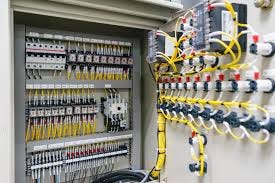
Your electrical panel is one of the most important components of your home’s electrical system. It distributes electricity safely throughout the property and protects your appliances and wiring from overloads. If your home has an outdated or damaged panel, searching for **electrical panel replacement near me** is an important step toward improving safety and efficiency. Modern electrical demands require reliable systems capable of handling today’s appliances, smart devices, and high-energy equipment.
Many older homes were built with panels designed for much lower electrical usage. As households continue adding modern appliances, electric vehicles, HVAC systems, and home offices, outdated panels may struggle to meet demand. Replacing or upgrading your electrical panel can improve performance, reduce safety risks, and increase property value.
What Is an Electrical Panel?
An electrical panel, also called a breaker box or distribution board, is the central hub of your home’s electrical system. It receives power from the utility company and distributes it to different circuits throughout the house.
The panel contains circuit breakers that automatically shut off power when electrical overloads or short circuits occur. This helps prevent fires and protects appliances from damage.
Signs You Need an Electrical Panel Replacement
Many homeowners ignore warning signs until major electrical problems occur. Recognizing early signs can help prevent dangerous situations.
Frequent Circuit Breaker Trips
If breakers trip regularly, your panel may not be able to handle the electrical load.
Flickering or Dimming Lights
Lights that flicker when appliances are turned on may indicate panel overload issues.
Burning Smell or Heat
A burning odor near the panel or excessive heat is a serious warning sign that requires immediate professional attention.
Outdated Fuse Box
Older fuse boxes are often insufficient for modern electrical needs and may pose safety risks.
Limited Power Capacity
Homes with 60-amp or 100-amp panels may require upgrades to support modern appliances and technology.
Why Electrical Panel Replacement Is Important?
Replacing an outdated electrical panel offers several benefits.
Improved Safety
Modern panels reduce the risk of electrical fires and overloads.
Better Electrical Capacity
New panels can handle higher power demands from modern devices and appliances.
Increased Home Value
Updated electrical systems make properties more attractive to buyers.
Support for Renovations
Home additions and renovations often require upgraded electrical capacity.
Compliance with Electrical Codes
Modern panels meet current safety standards and local building regulations.
Common Types of Electrical Panels
Different homes require different types of panels depending on power needs.
Main Breaker Panels
These are the most common residential panels and include a main breaker that controls electricity throughout the house.
Subpanels
Subpanels distribute power to specific areas such as garages, workshops, or additions.
Fuse Boxes
Older homes may still use fuse boxes instead of circuit breakers. These systems are outdated and often need replacement.
Smart Electrical Panels
Modern smart panels allow homeowners to monitor and manage electricity usage through mobile apps.
How Electrical Panel Replacement Works?
Replacing an electrical panel requires professional expertise and careful planning.
Initial Inspection
An electrician evaluates the current electrical system and determines whether replacement or upgrading is necessary.
Permit and Code Compliance
Most jurisdictions require permits for panel replacement projects.
Power Shutdown
Electricity is temporarily disconnected to safely remove the old panel.
Installation of New Panel
The electrician installs the new panel and reconnects circuits properly.
Testing and Inspection
The new system is tested to ensure safety and proper functionality.
Benefits of Upgrading to a 200-Amp Panel
Many homeowners choose 200-amp upgrades because they offer improved performance and flexibility.
Supports Modern Appliances
High-capacity panels can handle HVAC systems, electric vehicle chargers, and large appliances.
Reduces Overload Risks
Additional circuit capacity prevents frequent breaker trips.
Future-Proofing
Upgraded panels accommodate future technology and home expansion.
Improved Energy Management
Modern systems provide more stable electrical distribution.
Electrical Panel Replacement Costs
Several factors influence the total cost of panel replacement.
Panel Size
Larger panels typically cost more due to increased capacity.
Labor Costs
Installation complexity affects labor expenses.
Wiring Upgrades
Older homes may require additional wiring improvements.
Permit Fees
Permit and inspection costs vary by location.
Additional Features
Smart panels and surge protection systems can increase costs.
How Long Does Electrical Panel Replacement Take?
Most standard panel replacements can be completed within one day. However, larger or more complex projects may take longer.
Project Type
Estimated Time
Basic Panel Replacement
4–8 hours
Panel Upgrade with Rewiring
1–3 days
Large Residential Upgrade
2–5 days
Unexpected electrical issues may extend project timelines.
Importance of Hiring a Licensed Electrician
Electrical work should always be handled by qualified professionals.
Safety Expertise
Licensed electricians understand safety procedures and electrical codes.
Proper Installation
Professional installation reduces the risk of future electrical problems.
Insurance Protection
Licensed contractors typically carry insurance for added protection.
Code Compliance
Professional electricians ensure installations meet local regulations.
Common Electrical Panel Problems
Several issues may indicate that a panel requires repair or replacement.
Corrosion
Moisture exposure can damage panel components.
Overcrowded Circuits
Too many circuits in a small panel create overload risks.
Faulty Breakers
Damaged breakers may fail to trip during overloads.
Aluminum Wiring Issues
Some older homes contain outdated aluminum wiring that may require upgrades.
Preventive Maintenance Tips
Proper maintenance helps extend panel lifespan and improve safety.
Schedule Regular Inspections
Professional inspections can identify hidden issues early.
Avoid Overloading Circuits
Do not connect too many devices to a single outlet or circuit.
Keep the Panel Accessible
Ensure the electrical panel remains easy to access in emergencies.
Watch for Warning Signs
Address unusual sounds, odors, or breaker trips immediately.
Smart Home Compatibility
Modern homes increasingly rely on smart technology, making electrical upgrades even more important.
Electric Vehicle Chargers
EV chargers require dedicated high-capacity circuits.
Home Automation Systems?
Smart lighting, security systems, and thermostats increase power usage.
Solar Power Integration
New panels can support solar energy systems more effectively.
Electrical Safety Tips for Homeowners
Maintaining electrical safety is essential for every household.
Never Ignore Electrical Problems
Small issues can quickly become dangerous if left unresolved.
Use Surge Protection
Surge protectors help safeguard appliances and electronics.
Avoid DIY Electrical Work
Improper electrical work can lead to fires or serious injury.
Upgrade Outdated Systems
Older electrical systems should be modernized to meet current demands.
Many homeowners searching for reliable electricians also look for professional **electrical panel installation near me** services to ensure safe, code-compliant upgrades that support modern energy needs.
Final Thoughts
Electrical panel replacement is a crucial investment in home safety, efficiency, and long-term functionality. As modern households rely on more electrical devices and appliances, outdated panels can struggle to meet increasing power demands.
By upgrading your electrical system, you can improve safety, reduce overload risks, and prepare your home for future technology. Working with licensed electricians ensures that installations are completed professionally and in compliance with local codes.
Whether you are remodeling your property, adding new appliances, or simply improving electrical reliability, replacing your panel is a smart step toward creating a safer and more efficient home.
메타데이터
- post_id
- f738c8a0dac6
- slug
- complete-guide-to-electrical-panel-upgrades-and-replacement-services-f738c8a0dac6
- url
- https://medium.com/@smithsjohn1947/complete-guide-to-electrical-panel-upgrades-and-replacement-services-f738c8a0dac6
- canonical_url
- https://medium.com/@smithsjohn1947/complete-guide-to-electrical-panel-upgrades-and-replacement-services-f738c8a0dac6
- author_url
- https://medium.com/@smithsjohn1947
- status
- ok
- fetched_at
- 2026-06-24 13:29:15