How to Select and Maintain Hammer Unions for Long-Term Oilfield Service Life
In professional oil and gas field operations, pipeline connection failures are one of the most common causes of construction downtime…
How to Select and Maintain Hammer Unions for Long-Term Oilfield Service Life
In professional oil and gas field operations, pipeline connection failures are one of the most common causes of construction downtime, fluid leakage, and on-site safety accidents. Most field operators tend to focus heavily on large drilling and fracturing equipment while overlooking the critical value of tiny but core mechanical accessories — hammer unions. As essential high pressure hammer union connecting components for oilfield pipeline systems, the quality, model matching accuracy, and daily maintenance of oilfield hammer union[(https://newlinda.com/**)](https://newlinda.com/)**products directly determine overall construction safety, long-term operating costs, and the service life of oilfield pipeline equipment. This article focuses on real oilfield application scenarios, delivering practical hammer union selection tips and standardized oilfield hammer union maintenance guidelines to help oil and gas enterprises minimize equipment failure rates and boost overall operational efficiency.
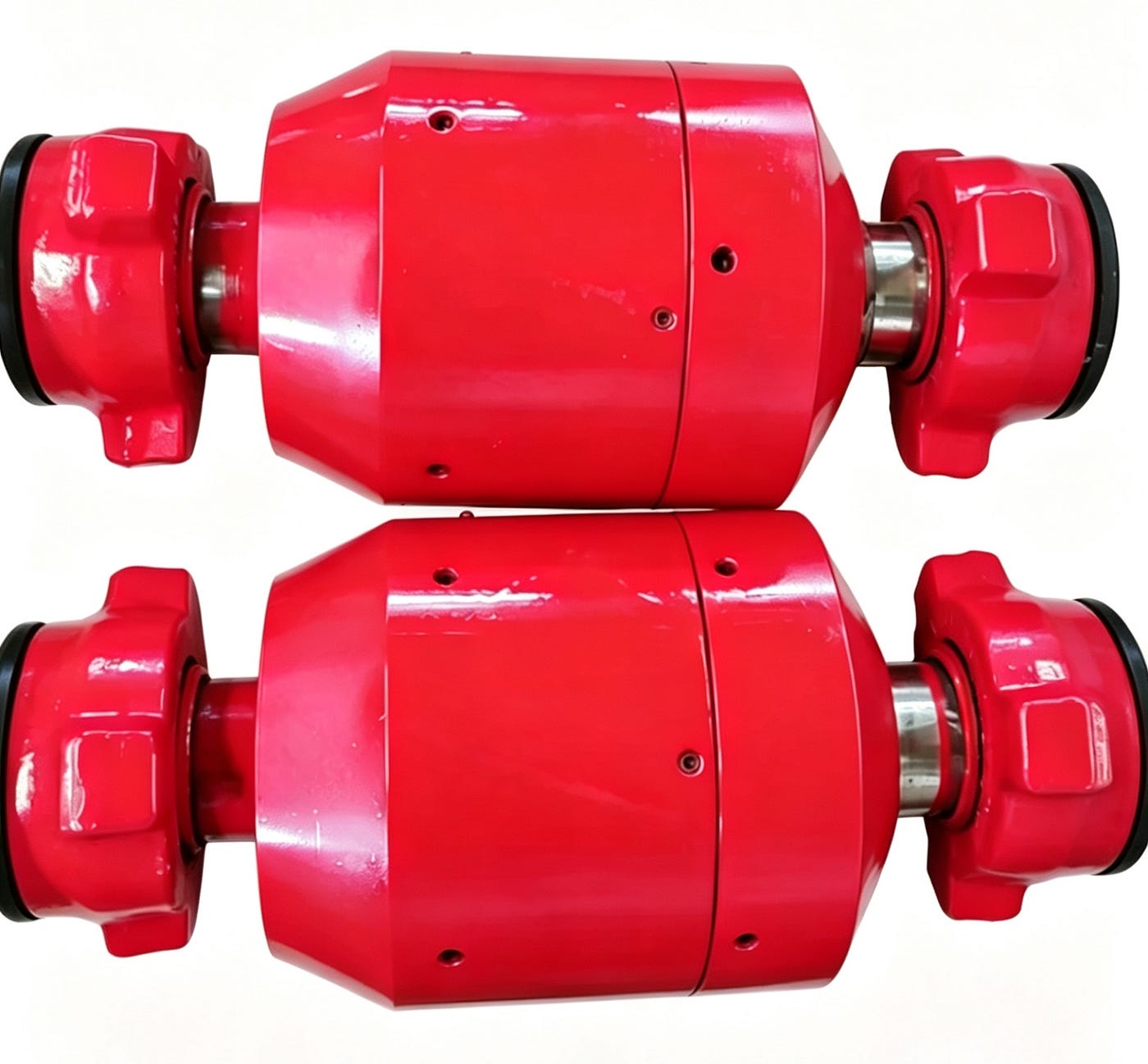
Most on-site pipeline leakage and joint damage issues in oilfield projects arise from improper hammer union selection. Unlike ordinary mechanical parts, professional oilfield hammer union (https://newlinda.com/**)products feature strict unified standards for working pressure, application scenarios, and transmission media adaptation, making model selection the top priority for stable pipeline operation. The primary selection principle for any high pressure hammer union is verifying its pressure resistance grade. All standard petroleum pipeline fittings follow unified FIG specifications, with each model supporting a fixed safe pressure range. Conventional low-pressure models such as FIG 206 and FIG 602 hammer unions are perfectly suited for routine water injection, natural gas transmission, and low-pressure well flushing tasks. For high-load oilfield operations including hydraulic fracturing, acidizing treatment, and high-pressure well testing, construction teams must adopt premium FIG 1002 and FIG 1502 high pressure hammer unions(https://newlinda.com/). These heavy-duty oilfield equipment accessories** can withstand working pressure up to 10000–15000 PSI, effectively preventing joint burst, fluid leakage, and pipeline failure caused by pressure overload.
Besides pressure rating matching, operating media and field environmental conditions are also decisive factors for reasonable hammer union selection. Ordinary carbon steel hammer unions, the most common petroleum pipeline fittings, work stably in low-corrosive environments that transmit conventional crude oil, industrial water, and natural gas. However, oilfields with high salinity, high sulfur content, and intense chemical corrosion require upgraded alloy steel oilfield hammer union products with professional anti-corrosion surface treatment. These optimized oilfield equipment accessories deliver outstanding acid-base resistance and anti-oxidation performance, effectively avoiding metal rust, pipeline perforation, and sealing failure from long-term contact with corrosive media. Additionally, for extreme low-temperature or high-temperature oilfield working zones, temperature-resistant customized high pressure hammer unions are mandatory to ensure the sealing structure remains intact and functional amid drastic temperature fluctuations.
Even with accurate hammer union selection matching field working conditions, non-standard daily operation and pooroilfield hammer union maintenance will drastically shorten the service life ofhigh pressure hammer unions. Irregular installation is the most prevalent on-site problem affecting petroleum pipeline fittings performance. Many construction workers apply excessive force during locking operations, resulting in thread deformation and irreversible damage to the union’s sealing ring. On the contrary, insufficient locking force leads to loose joint connection and fluid leakage under continuous high-pressure pipeline impact. The standardized installation process for all oilfield hammer union products requires precise alignment of male and female ends, flat installation of the sealing ring, and uniform locking force. This standardized operation ensures a tight, stable connection without extrusion deformation of core accessory components.
Systematic daily inspection and routine maintenance are essential to guarantee the long-term stable operation of high pressure hammer unions in harsh oilfield environments. After every construction cycle, operators must thoroughly clean the threads and sealing grooves of eachoilfield hammer union to remove residual crude oil, sediment, and chemical contaminants, preventing particle abrasion and thread clogging that affect sealing performance. Regular inspection work focuses on sealing ring wear, thread integrity, and surface crack detection of all in-use petroleum pipeline fittings. Worn, aging, or damagedhammer unions must be replaced timely, and defective accessories are strictly prohibited from repeated use to avoid safety hazards. Furthermore, idleoilfield equipment accessories including sparehammer unions need dry, dust-proof storage, with anti-rust oil coated on threads to prevent oxidation and rust during long-term storage.
In conclusion, standardized hammer union selection and scientific oilfield hammer union maintenance are the core foundations of safe and efficient oilfield pipeline operation. Standardized management of high pressure hammer unions can not only greatly reduce pipeline failure risks and on-site safety accidents but also effectively cut down equipment replacement costs and construction downtime losses. As indispensable petroleum pipeline fittings and key oilfield equipment accessories, oilfield hammer union products play an irreplaceable role in oil and gas production. Mastering professional selection and maintenance skills is critical to improving the overall safety, stability, and operational efficiency of entire oilfield production systems.
메타데이터
- post_id
- f74af83aeae6
- slug
- how-to-select-and-maintain-hammer-unions-for-long-term-oilfield-service-life-f74af83aeae6
- url
- https://medium.com/@shao5636/how-to-select-and-maintain-hammer-unions-for-long-term-oilfield-service-life-f74af83aeae6
- canonical_url
- https://medium.com/@shao5636/how-to-select-and-maintain-hammer-unions-for-long-term-oilfield-service-life-f74af83aeae6
- author_url
- https://medium.com/@shao5636
- status
- ok
- fetched_at
- 2026-07-09 09:01:30