Terrorists on Social Media: Why Can’t Nigeria Find Them?
In recent years, Nigerians have witnessed a disturbing trend. Videos of bandits, terrorists, kidnappers, and violent extremist groups…
Terrorists on Social Media: Why Can’t Nigeria Find Them? Should Citizens Carry Arms and Defend Themselves?
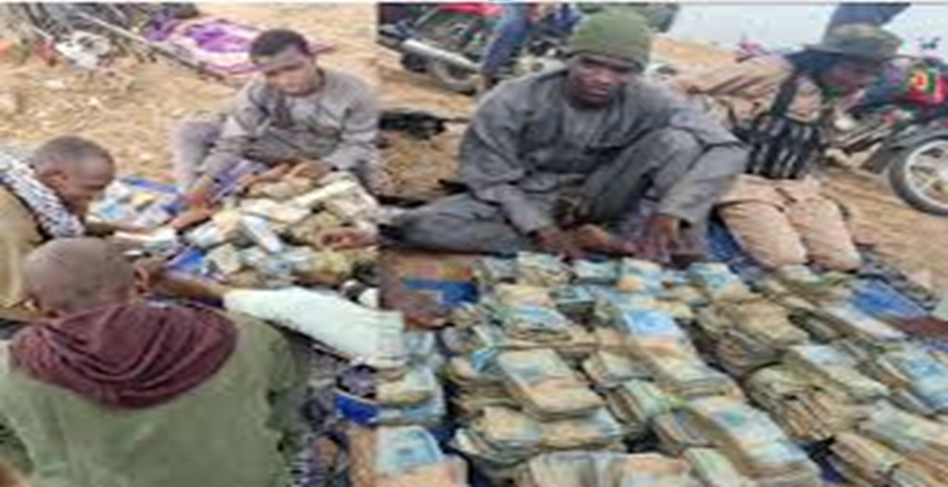
In recent years, Nigerians have witnessed a disturbing trend. Videos of bandits, terrorists, kidnappers, and violent extremist groups frequently appear on social media platforms such as TikTok, Facebook, Telegram, and other online channels. In many of these videos, the criminals openly display weapons, cash, motorcycles, vehicles, and sometimes even their captives. Some record propaganda messages, boast about attacks, or threaten communities and government authorities.
This troubling reality has led many Nigerians to ask a difficult question: If these criminals can upload videos and communicate online, why can’t security agencies locate and arrest them? Does this suggest that Nigeria is becoming a failed state, or is there something more complex behind the situation?
A failed state is generally defined as a country that has lost the ability to maintain law and order, protect its citizens, and exercise effective control over its territory. While Nigeria still maintains functioning government institutions, armed forces, courts, and law enforcement agencies, the continued activities of terrorists and bandits in several regions have raised concerns about the state’s capacity to provide adequate security.
Many citizens find it difficult to understand how criminals can repeatedly release videos while remaining beyond the reach of security forces. In an age where technology allows governments around the world to track communications, identify locations through digital footprints, and monitor online activities, the continued online presence of terrorist groups creates understandable frustration among the public.
However, there are several factors that may explain why these criminals remain difficult to apprehend. Terrorist groups often operate in remote forests, mountainous terrain, and sparsely populated areas where government presence is limited. They may use stolen devices, multiple accounts, encrypted messaging services, or intermediaries to upload content. In some cases, videos are recorded in one location but uploaded from another, making digital tracking more challenging.
Despite these challenges, Nigerians have a right to demand more effective security operations. Citizens expect security agencies to utilize modern intelligence gathering, cybercrime investigations, satellite technology, telecommunications data, and international cooperation to identify and dismantle criminal networks. When terrorists can consistently broadcast their activities online, it naturally raises questions about the effectiveness of existing security strategies.
Some Nigerians go further and suspect that corruption, insider collaboration, or political interests may be helping criminal groups survive. Such concerns are fueled whenever arrests are not made, attacks continue, or investigations fail to produce visible results. However, allegations that government officials are directly involved in terrorism or banditry require credible evidence. Without evidence, such claims remain speculation and should be treated with caution.
The larger issue is public confidence. Citizens need to see results. They need to see arrests, prosecutions, rescued victims, and disrupted criminal networks. Security agencies must improve transparency and communicate successes and challenges more effectively. The government must also address the root causes of insecurity, including poverty, unemployment, corruption, weak governance, and inadequate education.
Nigeria possesses enormous human and natural resources. Yet insecurity continues to undermine economic growth, discourage investment, and destroy countless lives. Every video released by terrorists is not only a propaganda tool but also a reminder of the fear and uncertainty many Nigerians face daily.
The question Nigerians are asking is not merely whether the country is a failed state. The real question is whether the government can demonstrate the political will, technological capability, and institutional effectiveness required to defeat those who terrorize innocent citizens.
The answer will ultimately be measured not by speeches or promises but by tangible improvements in security and justice for the Nigerian people.
Should Citizens Carry Arms and Defend Themselves?

As insecurity continues to affect many communities across Nigeria, another difficult question has emerged: Should citizens be allowed to carry arms and defend themselves?
For many Nigerians living in areas frequently attacked by bandits, terrorists, kidnappers, and violent criminals, the answer seems obvious. They argue that every human being has a natural right to protect their life, family, and property when the government is unable to provide immediate security. To them, waiting helplessly for security forces that may arrive hours or days later is not a practical solution.
Supporters of civilian self-defense often point to communities that have formed vigilante groups to protect farms, villages, and local roads. In some cases, these groups have helped security agencies by providing intelligence and resisting criminal attacks. They believe that law-abiding citizens should not be left defenseless while criminals possess sophisticated weapons.
However, the issue is far more complicated than simply distributing firearms to the public.
Critics warn that widespread civilian armament could create new security challenges. Nigeria already struggles with ethnic tensions, communal conflicts, political violence, cultism, and criminal gangs. Introducing more weapons into society could increase armed robberies, accidental shootings, revenge attacks, and inter-community conflicts. Weapons intended for self-defense could eventually find their way into criminal hands.
Another concern is training and accountability. Effective use of firearms requires proper training, licensing, background checks, psychological screening, and strict regulation. Without these safeguards, the risks may outweigh the benefits.
The debate therefore should not be framed as a choice between complete helplessness and unrestricted access to weapons. A more balanced approach may involve strengthening community policing, improving intelligence gathering, supporting properly regulated vigilante organizations, increasing police presence in vulnerable communities, and ensuring that citizens can report threats and receive rapid responses from security agencies.
Ultimately, the primary responsibility for security belongs to the government. Citizens pay taxes, obey laws, and elect leaders with the expectation that their lives and property will be protected. When people begin asking whether they should arm themselves against terrorists and bandits, it reflects a deeper crisis of confidence in the state’s ability to fulfill its most fundamental duty.
No nation can achieve lasting peace if every citizen is forced to become their own soldier. The long-term solution lies not in creating millions of armed civilians, but in building security institutions that are professional, accountable, well-equipped, and capable of protecting every Nigerian regardless of tribe, religion, or social status.
The frustration of Nigerians is understandable. Communities that have suffered repeated attacks naturally seek ways to survive. Yet the ultimate goal should be a country where citizens do not have to choose between being victims and becoming combatants, but can instead rely on a security system that works for everyone.
메타데이터
- post_id
- f751ec451362
- slug
- terrorists-on-social-media-why-cant-nigeria-find-them-f751ec451362
- url
- https://medium.com/@erugem8/terrorists-on-social-media-why-cant-nigeria-find-them-f751ec451362
- canonical_url
- https://medium.com/@erugem8/terrorists-on-social-media-why-cant-nigeria-find-them-f751ec451362
- author_url
- https://medium.com/@erugem8
- status
- ok
- fetched_at
- 2026-06-13 12:55:53