Liberation Day and Korean Cinema
Today, August 15, 2026, marks Gwangbokjeol, Korea’s Liberation Day, commemorating the 81st anniversary of the country’s independence in…
Liberation Day and Korean Cinema
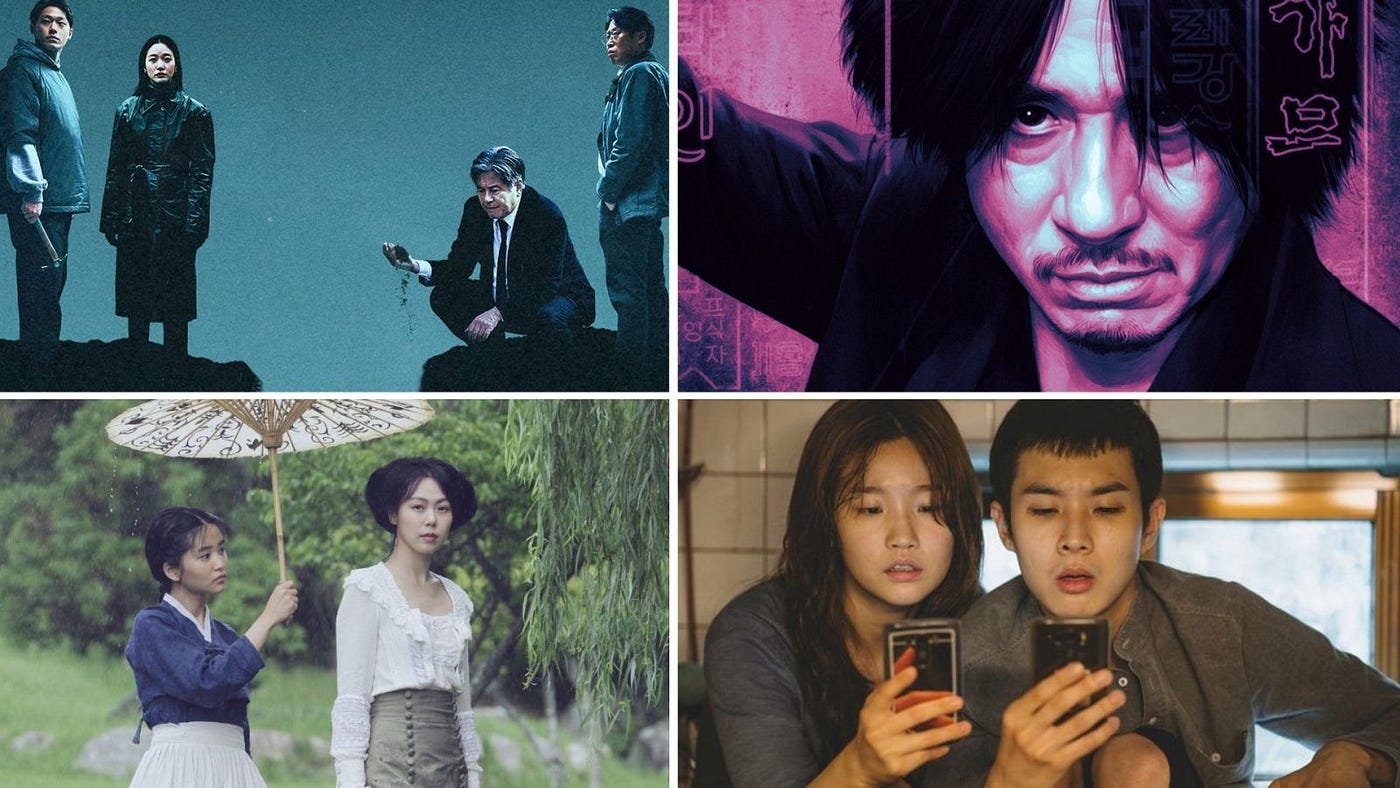
Today, August 15, 2026, marks Gwangbokjeol, Korea’s Liberation Day, commemorating the 81st anniversary of the country’s independence in 1945.
It is a historic day for all Koreans, and particularly significant for the Korean film industry. Why? Because without this liberation, Korean cinema might not have become as advanced or renowned as it is today.
A brief look at history: Korean cinema was born in 1919, while the country was still under Japanese rule. Various external factors shaped its development; Korean audiences were introduced to moving images through the systems in place at the time, yet censorship policies dictated what could be produced and screened.
Following liberation, American influence became another crucial element in the history of Korean film. Koreans gained easier access to Hollywood movies, and many learned filmmaking techniques and received training through the U.S. military, often for purposes of documentation and military communication.
In a sense, Korean cinema learned the language of film partly through colonial and foreign influences. Over time, however, Korean filmmakers and audiences developed their own tastes, preferences, and understanding of cinema’s potential.
Subsequently, Korea began to build its own film industry.
This growth was aided by government policies that encouraged domestic production and protected the local industry at various stages. The relationship with Hollywood evolved over the decades — shifting from protectionism and competition to a point where Korean companies could finally compete with Hollywood on a much larger scale.
Yet, what fascinates me most is not simply how Korean cinema learned to compete.
It is the messages they chose to convey once they were able to find their own voice with greater confidence.
Consider the Korean films that achieved massive success at the domestic box office, such as “The Admiral: Roaring Currents”, “Extreme Job”, “Ode to My Father”, and the more recent “The King’s Warden”, which also surpassed the 10-million-viewer mark.
These films are incredibly diverse, yet they share one common trait: authenticity. They present the Korean cinematic experience in its entirety, without straining to appear “Korean” in a way that requires explanation to the outside world. They simply are.
These films tell stories rooted in history, mythology, family life, humor, and the everyday lives of the Korean people. And perhaps, therein lies the authenticity of Korean cinema.
After all, no one else can tell Korean stories in quite the same way as the Korean people themselves, can they?
Another fascinating aspect is that some of these major films are not merely tales of simple triumph; they encompass elements of loss, separation, sacrifice, and grief.
I felt this deeply while watching “The King’s Warden”. Without needing to dwell on the historical backdrop, what resonated most with me was witnessing someone who had previously almost entirely withdrawn from the world slowly allow warmth back into his life, even while in exile. It was the human emotion that took center stage.
While the historical setting is distinctly Korean, the emotions within are universal and deeply relatable to anyone, regardless of nationality.
And perhaps that is the unique power of a story’s distinctiveness: a tale can be deeply rooted in a nation’s history yet still evoke a sense of familiarity in someone from a world away.
So, perhaps the meaning of freedom in Korean cinema goes beyond the mere liberty to produce films.
It may well be the freedom to decide which stories deserve to be told and how honestly they are conveyed.
The freedom to examine one’s own history, including its darker chapters, without the pressure to force every story to end in triumph.
The freedom to create works steeped in Korean sensibilities without first worrying whether the outside world will understand them. For the initial goal may simply be to preserve and protect a spirit that belongs, first and foremost, to the nation itself. And this also serves as a reminder that authenticity does not mean being free from outside influences; after all, Korean cinema initially developed through exposure to the international world.
Yet, in the end, they succeeded in transforming those influences into a distinctive style of their own.
They studied the language of cinema from across the globe, and then learned how to give voice to their own unique identity.
Words by A
— — — — — — — — — — — — — — — — — — — — — — — — — — — — — — — — — — — — — -
메타데이터
- post_id
- f7807e85ed9f
- slug
- liberation-day-and-korean-cinema-f7807e85ed9f
- url
- https://medium.com/@unpostedshowbiz/liberation-day-and-korean-cinema-f7807e85ed9f
- canonical_url
- https://medium.com/@unpostedshowbiz/liberation-day-and-korean-cinema-f7807e85ed9f
- author_url
- https://medium.com/@unpostedshowbiz
- status
- ok
- fetched_at
- 2026-08-16 18:49:06