Homemade Bamieh Recipe: How to Make Crispy Persian Doughnuts at Home
If you’ve ever craved those golden, crispy little Persian doughnuts called Bamieh, you’ll be happy to know that making them at home is…
Homemade Bamieh Recipe: How to Make Crispy Persian Doughnuts at Home
Bamieh
If you’ve ever craved those golden, crispy little Persian doughnuts called Bamieh, you’ll be happy to know that making them at home is easier than you think. The secret lies in preparing the syrup ahead of time and following a few simple techniques for the dough and frying. In this article, you’ll learn how to prepare authentic Bamieh step by step, along with its fragrant saffron and rosewater syrup, and also discover the cultural story behind this beloved Persian sweet.
What Is Bamieh?
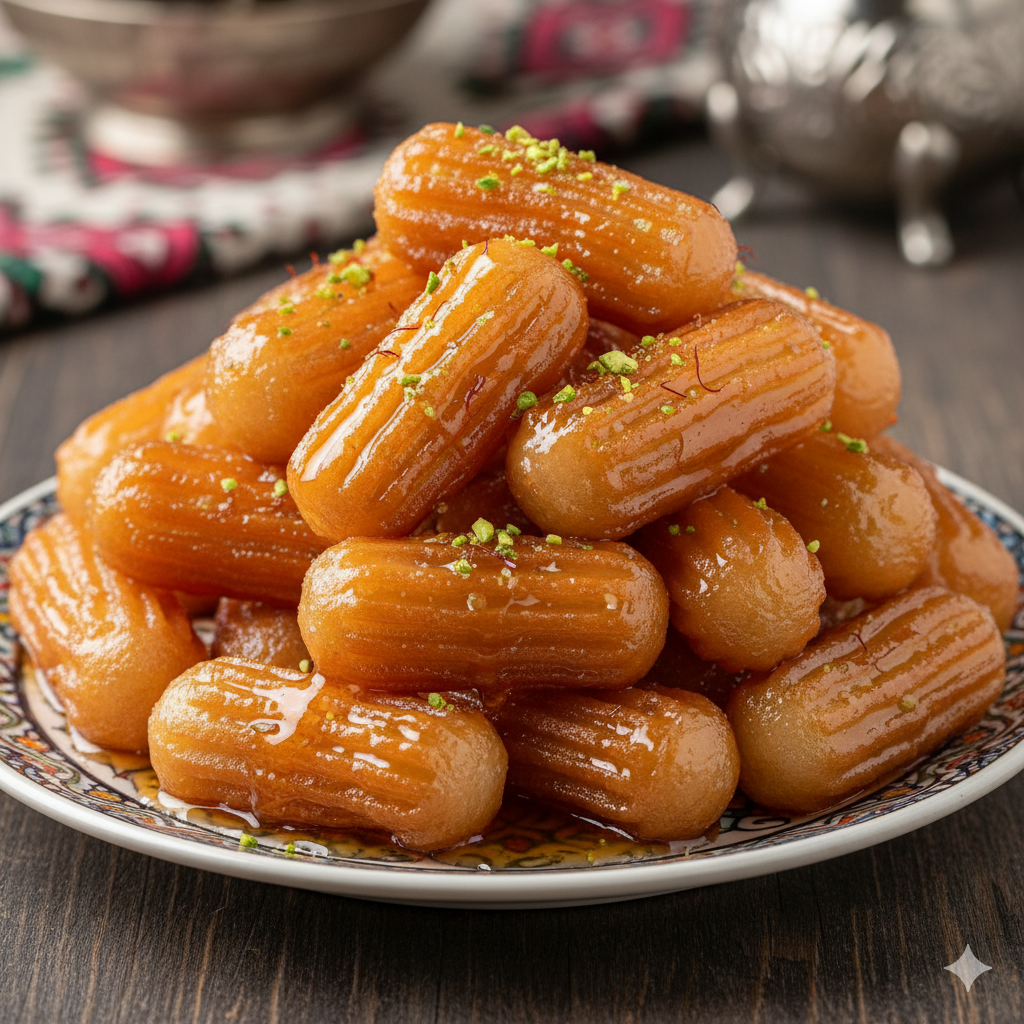
Bamieh is a traditional Persian dessert that looks like tiny golden doughnuts, but with a star-shaped design and glossy coating. The name “Bamieh” actually means okra in Persian, because the shape of the sweet resembles small pieces of okra.
These bite-sized treats are deep-fried until golden, then soaked in a cold, aromatic syrup made with saffron, rosewater, and lemon juice. The result is a crunchy exterior with a soft, fluffy inside, lightly perfumed with floral and citrus notes.
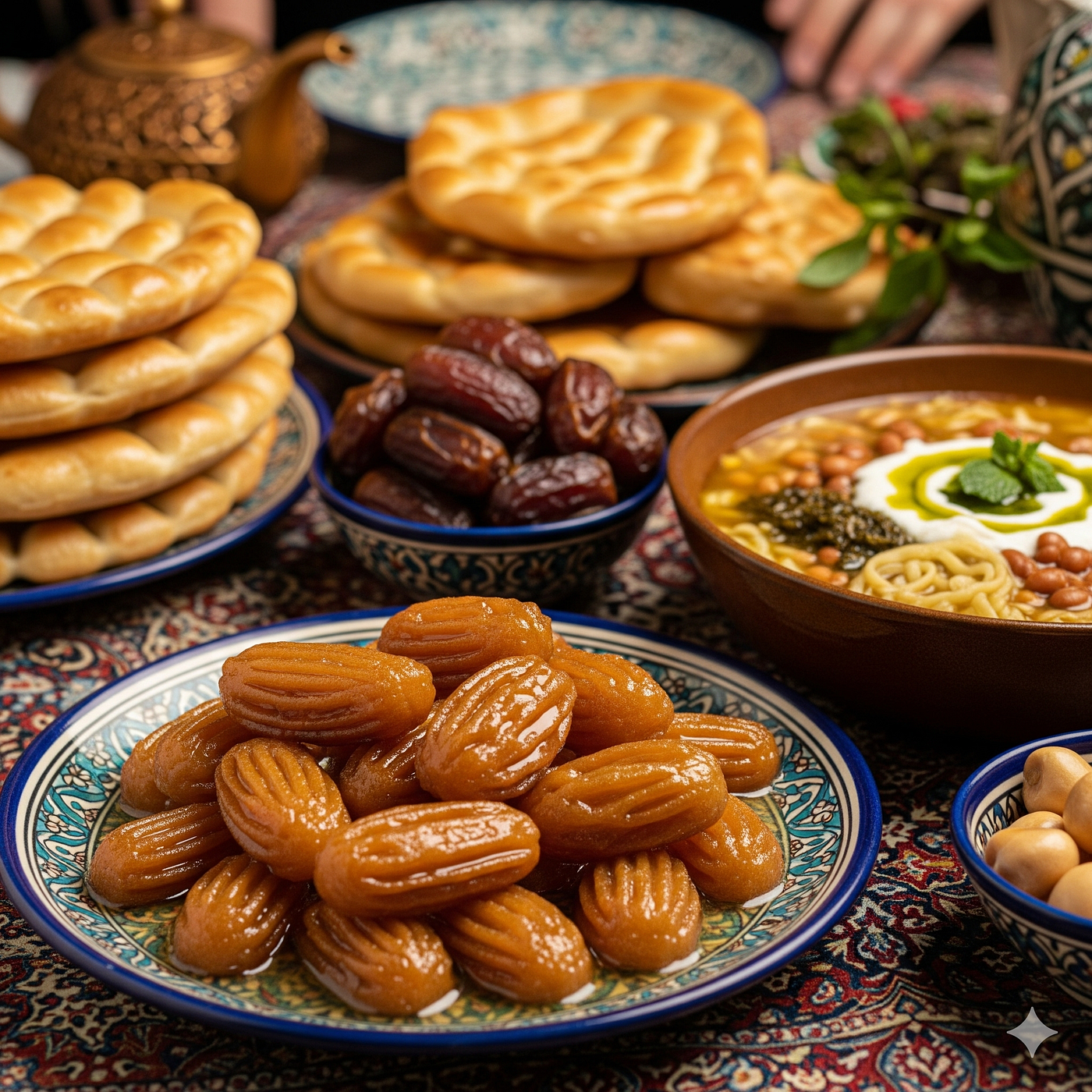
Bamieh has been enjoyed in Persian households for generations and holds a special place during the holy month of Ramadan. Alongside Zoolbia (spiral-shaped fried sweets), Bamieh is a classic Iftar dessert, traditionally served with tea after a day of fasting. However, its popularity goes far beyond Ramadan. You’ll find Bamieh in pastry shops across Iran throughout the year, often sprinkled with crushed pistachios and served during celebrations, family gatherings, and festive occasions.
Ingredients
For the Syrup
▪︎Sugar: 1 ½ cups
▪︎Water: 1 cup
▪︎Rosewater: 2 tablespoons
▪︎Brewed saffron : 1 tablespoon
▪︎Lemon juice (or citric acid): 1 tablespoon
For the Dough
▪︎Water: 1 cup
▪︎All-purpose flour: 1 cup
▪︎Butter or solid oil: 1 tablespoon
▪︎Honey or glucose syrup (optional, for shine): 2 tablespoons
▪︎Egg: 1 large
▪︎Salt: a pinch
Instructions
Step One: Preparing the Syrup
The syrup should always be made in advance and cooled completely before you use it. If you add hot Bamieh to warm syrup, they will turn soft and doughy instead of staying crisp.
In a small saucepan, combine the sugar and water. Place it over medium heat and stir until the sugar is fully dissolved. Once it dissolves, stop stirring. Let the mixture come to a gentle boil. At this stage, add the lemon juice, rosewater, and saffron.
Reduce the heat and let the syrup simmer gently for about 5 to 7 minutes. It should thicken slightly but not too much—the syrup for Bamieh must remain light. Remove the saucepan from the heat and set it aside to cool completely before using.
Step Two: Making the Dough
In a medium pot, add the water, butter (or solid oil), honey or glucose, and salt. Bring this mixture to a boil over medium heat. Once it starts bubbling, lower the heat and add the flour all at once. Stir quickly and continuously with a wooden spoon until the dough comes together and pulls away from the sides of the pot. This step is important because it ensures the flour is cooked properly.
Remove the pot from the heat and let the dough cool slightly until it is just warm to the touch. Now add the egg and mix thoroughly, either by hand or with a mixer, until it is fully absorbed into the dough. At first, the mixture may look greasy, but keep mixing—it will turn smooth and elastic.
Step Three: Frying and Coating the Bamieh
Transfer the dough into a piping bag fitted with a star-shaped nozzle. In a deep, heavy-bottomed pot, pour enough vegetable oil so that it is about 2 inches (5 cm) deep. Place the pot over very low heat.
Pipe strips of dough directly into the cool or just-warm oil, cutting them off to your desired size. Starting with cool oil ensures the Bamieh cook all the way through while becoming crispy on the outside.
Gradually increase the heat so the Bamieh fry gently. Stir them occasionally to help them brown evenly. When they turn a deep golden color, remove them with a slotted spoon.
Immediately drop the hot Bamieh into the cold syrup and let them soak for 2 to 3 minutes so they absorb the flavor. Remove them from the syrup and arrange on a serving dish. If you like, sprinkle them with crushed pistachios or desiccated coconut for garnish.
Bamieh in Persian Food Culture
Bamieh in Ramadan
To understand why Bamieh is so beloved, it’s important to look at its role in Persian culinary traditions. Iran has a long history of desserts flavored with saffron and rosewater, two ingredients that symbolize luxury and celebration in Persian cuisine. From rice puddings to pastries, these flavors evoke both elegance and comfort.
During Ramadan, Bamieh and its sister sweet Zoolbia are everywhere—sold fresh in bakeries, packed into gift boxes, and served in family homes after sunset prayers. They are often paired with strong black tea to balance the sweetness. In fact, many Iranians cannot imagine a Ramadan evening without this duo on the table.
Interestingly, Bamieh also has cousins in other Middle Eastern and Mediterranean cuisines. In Turkey, you’ll find a similar sweet called Tulumba. In Arabic countries, fried dough desserts soaked in syrup are also common, though each culture adds its own twist, whether through shape, syrup ingredients, or frying techniques. Bamieh, however, retains a distinctly Persian identity thanks to its generous use of saffron and rosewater.
Serving Suggestions
Bamieh with tea
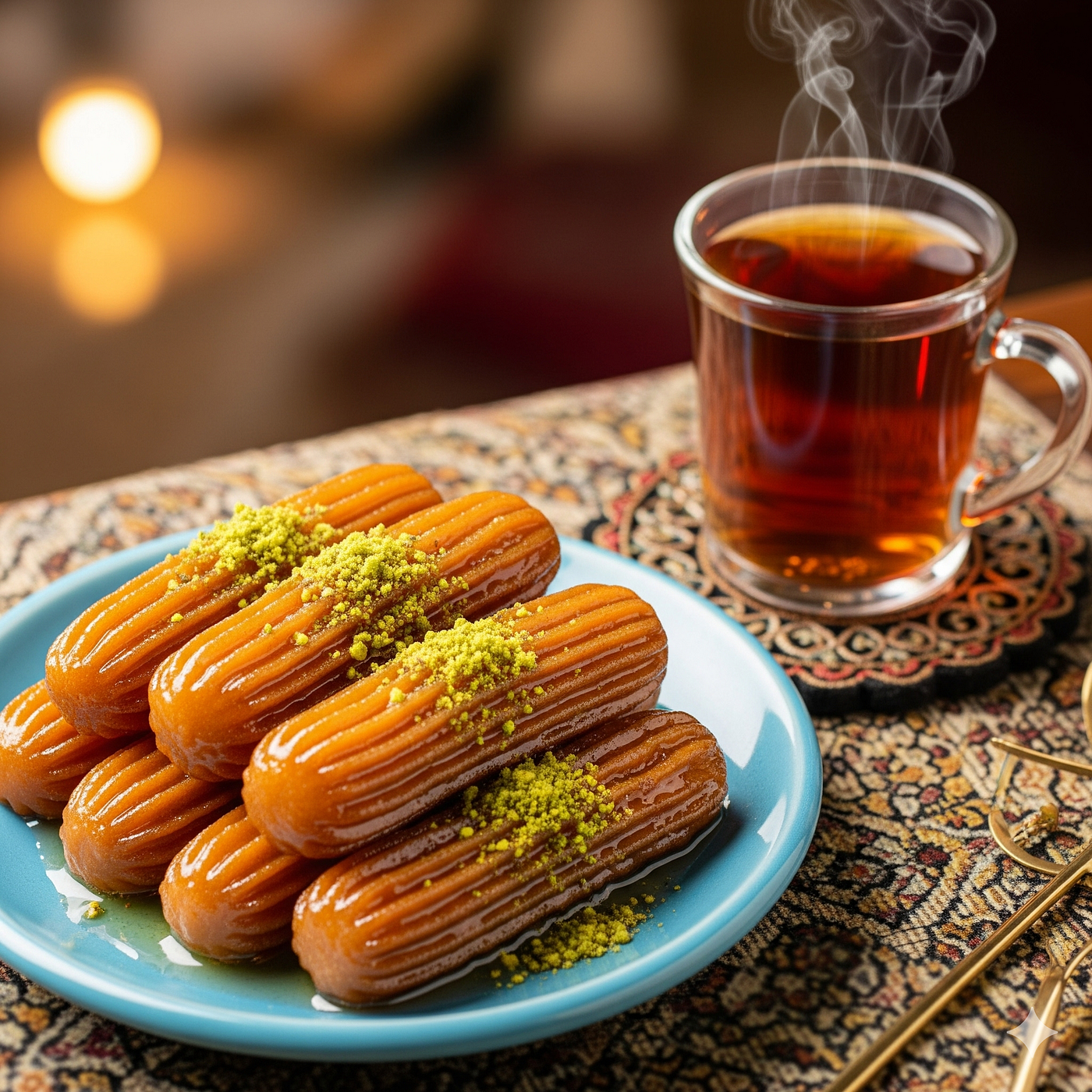
Bamieh is best enjoyed fresh, while still crisp on the outside and soft inside. They are traditionally served during Ramadan evenings in Iran alongside hot tea, but they also make a delightful sweet treat for any gathering.
For a more festive look, garnish your Bamieh with finely ground pistachios, almonds, or shredded coconut. You can serve them on a decorative platter at dinner parties, or simply enjoy them with family at home. Their small size makes them perfect for sharing, and they tend to disappear quickly once placed on the table.
Conclusion
Making Bamieh at home is not only simple but also incredibly rewarding. With a few key steps—like cooling the syrup in advance and starting the frying process in cool oil—you’ll have perfectly crisp, golden Bamieh every time. Beyond the recipe, you’ll also be recreating a piece of Persian tradition, one that has brought families together for centuries.
So the nxt time you crave
메타데이터
- post_id
- f7c73f7e23f7
- slug
- homemade-bamieh-recipe-how-to-make-crispy-persian-doughnuts-at-home-f7c73f7e23f7
- url
- https://medium.com/@shivamanafiazar1381.com/homemade-bamieh-recipe-how-to-make-crispy-persian-doughnuts-at-home-f7c73f7e23f7
- canonical_url
- https://medium.com/@shivamanafiazar1381.com/homemade-bamieh-recipe-how-to-make-crispy-persian-doughnuts-at-home-f7c73f7e23f7
- author_url
- https://medium.com/@shivamanafiazar1381.com
- status
- ok
- fetched_at
- 2026-07-20 23:18:48