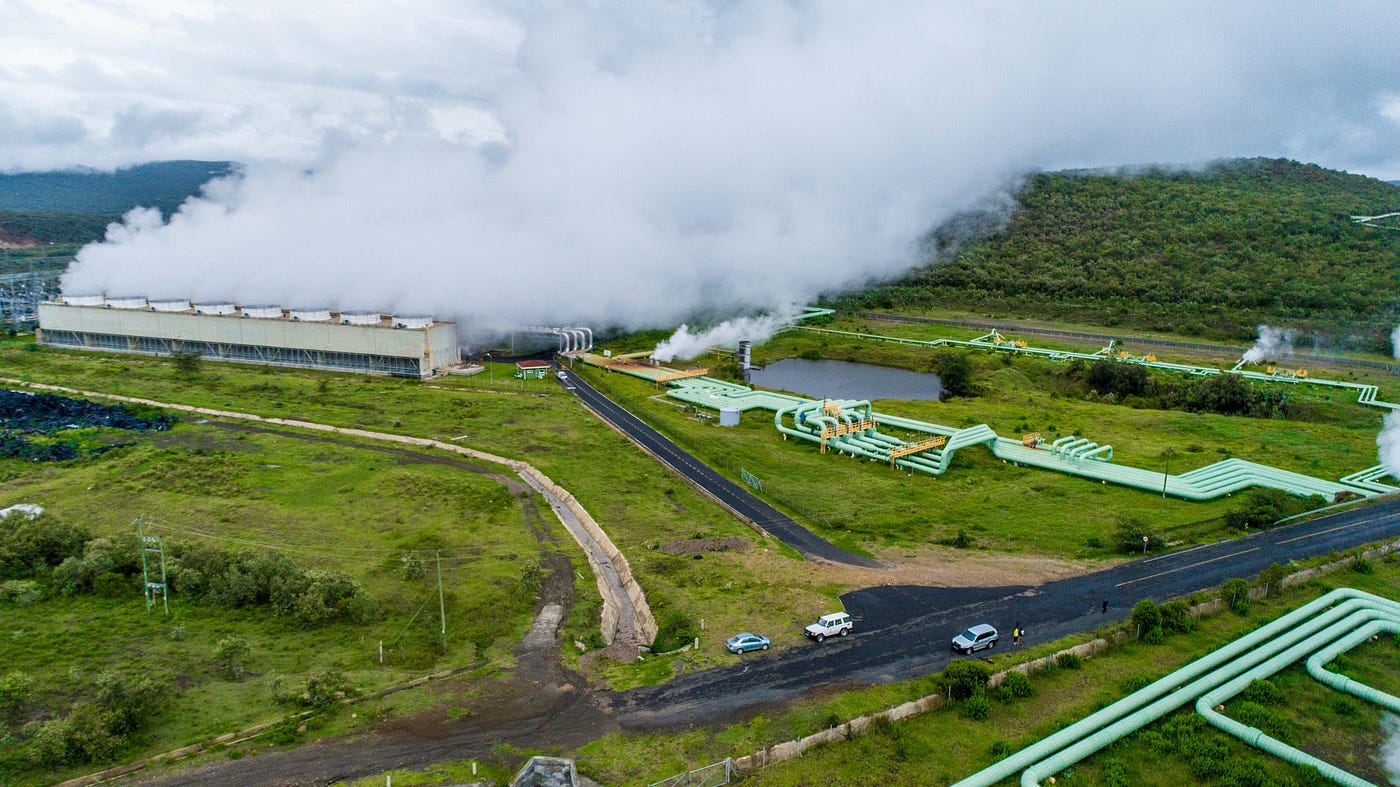
Environment Sustainability, Impact & Reporting
What is Sustainability?
Environment Sustainability, Impact & Reporting
What is Sustainability?
Sustainability could be understood as prosperity in abundance. It could be related to anything like your career, goals or climate. In this article we would be talking about the environmental sustainability and why is it required to be reported by the Companies.
So, let’s start understanding the meaning of environmental sustainability first and what impact would a sustainable environment would create on human life?
Environmental Sustainability Meaning:
Do you remember the basic necessities of human were “Roti, Kapda and Makan” i.e. Food, Clothes and Shelter, now with the environment sustainability in it lets revise the basic necessities of human as Roti, Kapda, Makaan, Pure Air, Clean Water, Health, Sanitation, Safety and Education and Awareness. Environment sustainability refers to the balance between the consumption of the earth’s natural resources and its availability. It means to create a harmony between the consumption and availability of these resources without compromising the ability of future generations to meet theirs. In Indian Vedic texts, earth and environment have been treated as God. Quoting two phrases from Atharvaveda:
1. “Mātā Bhūmiḥ Putro’ham Pṛthivyāḥ” (12.1.1)- Meaning: “Earth is my mother; I am her son.”, and
2. ”Pṛthvī saṃtaraṇāt saṃtu naḥ puṇyā puṇyena vātaḥ, puṇyena adhyuṣṭa puṇyā pṛthvī puṇyena saṃtu naḥ” (Bhūmi Sūkta / Pṛthvī Sūkta 12.1) — Meaning: “May the Earth, which sustains and carries us, be auspicious to us. May the wind, made sacred by purity, be auspicious to us. Sustained by purity, may the pure Earth, through that very purity, be auspicious to us.”
These phrases from the Vedic texts of the Indian ancient history stresses on the relevance of environment, its resources and the necessity of them being protected. Environment is and has always been an integral part of our life.
To understand this in a better way, let’s take an example. Think of environment sustainability as your body. To live healthy and happily you need to take care of your body by cleansing it regularly, detoxifying it, feeding healthy, exercising daily etc. That way, you would be able to sustain a happy healthy lifestyle. Similarly, sustainability works for environment as well. To keep our environment healthy we need to cleanse it regularly, detoxify it and feed it healthy.
In today’s era, it is very important to think and plan for environmental resources in a similar way as we think and plan for our finances, because just as money is limited, so are the planet’s resources (clean water, air, minerals, fertile land). Overconsumption depletes both. There are various ways to achieve the protection of environment which includes, reduction of plastic usage, stop littering, usage of proper waste management channels, shifting on the renewable sources of energy, keeping ourselves accountable for the tasks we are performing in respect to the environment. This brings me to the very important topic which is three pillars of environment sustainability-
the “ESG”
- Environmental sustainability: Businesses committed to environmental sustainability strive to implement practices that foster healthy ecosystems, reduce finite resource and raw material consumption, waste generation, and greenhouse gas emissions.
- Social sustainability: Social sustainability focuses on fostering equitable and inclusive workplaces, supporting local communities and Indigenous Peoples, and upholding human rights throughout the supply chain. It involves initiatives such as fair labour practices, diversity and inclusion efforts, and community engagement projects.
- Governance (Economic sustainability): This aspect emphasizes the long-term viability of economic activities, ensuring profitability while maintaining ethical business practices and contributing to society.
Taking these three pillars of sustainability further if we only achieve two out of three pillars then we end up with:
· Social + Economic Sustainability = Equitable
· Social + Environmental Sustainability = Bearable
· Economic + Environmental Sustainability = Viable
Only through balancing economic + social + environmental can we achieve true sustainability and a truly circular economy.
Impact of Environmental Sustainability on human Life and Businesses:
Environmental sustainability has a direct and long-term impact on human life by safeguarding essential natural resources such as clean air, potable water, fertile soil, and a stable climate. Unsustainable exploitation of environmental resources leads to rising health issues, water scarcity, food insecurity, climate-induced disasters, and a decline in overall quality of life. Conversely, sustainable environmental practices promote healthier living conditions, reduced disease burden, improved sanitation, and long-term social well-being.
From a business perspective, environmental sustainability is no longer a voluntary initiative but a strategic necessity. Companies that actively manage their environmental footprint are better positioned to mitigate operational risks, reduce regulatory penalties, and enhance long-term resilience. Climate change, resource depletion, and environmental degradation directly affect supply chains, production costs, and business continuity.
Sustainable business practices such as efficient energy usage, waste reduction, water stewardship, and adoption of renewable energy not only lower environmental impact but also improve cost efficiency and operational performance. Moreover, environmentally responsible businesses enjoy improved brand reputation, stronger stakeholder trust, and increased investor confidence.
In today’s global economy, investors, customers, regulators, and financial institutions increasingly assess companies based on their environmental performance. Organizations that fail to address environmental sustainability risk losing market competitiveness, access to capital, and social license to operate. Therefore, integrating environmental sustainability into core business strategy is essential for long-term value creation for both businesses and society at large.
Why Reporting on Environment Sustainability is important?
Environmental sustainability reporting plays a crucial role in translating sustainability commitments into measurable and transparent outcomes. While adopting sustainable practices is essential, reporting ensures accountability, comparability, and credibility of those efforts. It allows stakeholders to assess how effectively organizations manage environmental risks and opportunities.
For businesses, sustainability reporting helps identify and quantify environmental impacts related to energy consumption, greenhouse gas emissions, water usage, waste generation, and biodiversity. By measuring these parameters, organizations can set realistic targets, monitor progress, and make informed strategic decisions. Reporting also enables companies to anticipate regulatory requirements and avoid compliance risks.
From a regulatory and governance standpoint, environmental reporting has gained significant importance globally. In India, frameworks such as Business Responsibility and Sustainability Reporting (BRSR) have made ESG disclosures mandatory for listed entities. Globally, sustainability reporting standards and frameworks are increasingly being aligned to ensure consistency, reliability, and investor-focused disclosures.
For investors and financial institutions, environmental sustainability reporting serves as a key decision-making tool. Transparent disclosures help investors evaluate climate risks, resource efficiency, and long-term financial sustainability of organizations. Companies with robust sustainability reporting mechanisms often gain better access to capital, lower cost of financing, and improved valuation.
Ultimately, environmental sustainability reporting bridges the gap between intent and impact. It promotes responsible corporate behavior, supports informed stakeholder decision-making, and drives the transition towards a sustainable and circular economy. In an era where environmental responsibility is intertwined with economic performance, sustainability reporting is not just a compliance requirement but a strategic business imperative.
Conclusion
Environmental sustainability is no longer a peripheral concern but a central element of responsible business conduct. By integrating sustainable practices and robust reporting mechanisms, organizations can contribute meaningfully to environmental protection while ensuring long-term economic viability. Transparent sustainability reporting empowers businesses to move beyond compliance and create measurable, positive impact for society and future generations.
References: 1. Microsoft -Environmental sustainability: A commitment to a better future-(https://www.microsoft.com/en-us/sustainability/learning-center/environmental-sustainability) 2. Nicholas Patterson — What is Environmental Sustainability? Goals With Examples — (https://www.snhu.edu/about-us/newsroom/stem/what-is-environmental-sustainability)
-
What Is Sustainability, And Why Is It Important?- https://unity.edu/articles/what-is-sustainability/
-
Understanding what sustainability is and why it matters- http://fsc.org/en/blog/why-is-sustainability-important
-
Sustainability and Sustainable Development — What is Sustainability and What is Sustainable Development?- https://circularecology.com/sustainability-and-sustainable-development.html
메타데이터
- post_id
- f7ca7cf4b78f
- slug
- environment-sustainability-impact-reporting-f7ca7cf4b78f
- url
- https://medium.com/@aayushibansal93/environment-sustainability-impact-reporting-f7ca7cf4b78f
- canonical_url
- https://medium.com/@aayushibansal93/environment-sustainability-impact-reporting-f7ca7cf4b78f
- author_url
- https://medium.com/@aayushibansal93
- status
- ok
- fetched_at
- 2026-06-21 12:17:11