Passive Fire Protection in Parramatta: A Complete Guide for Property Owners and Builders
Introduction
Passive Fire Protection in Parramatta: A Complete Guide for Property Owners and Builders
Introduction
With rapid development across Parramatta, ensuring buildings meet strict fire safety standards is more important than ever. **Passive fire protection in Parramatta** plays a critical role in safeguarding lives, protecting property, and ensuring compliance with Australian building regulations.
Whether you’re a builder, property developer, strata manager, or commercial property owner, understanding passive fire protection (PFP) is essential for maintaining safety and legal compliance.
What Is Passive Fire Protection?
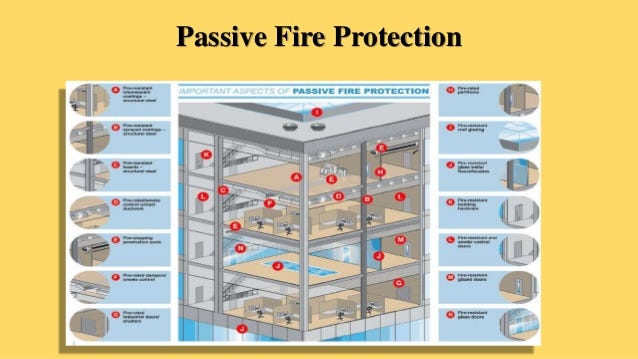
Passive fire protection refers to built-in fire safety measures designed to contain or slow the spread of fire and smoke within a building. Unlike active systems (such as sprinklers or alarms), passive systems do not require activation — they are always working in the background.
Common passive fire protection systems include:
- Fire-rated walls and floors
- Fire doors
- Fire dampers
- Fire stopping around service penetrations
- Intumescent coatings
- Fire-resistant sealants
These systems work together to compartmentalise fire, giving occupants more time to evacuate and reducing structural damage.
Why Passive Fire Protection Is Critical in Parramatta
1. Rapid Urban Development
As one of Sydney’s fastest-growing business hubs, Parramatta has seen significant growth in:
- High-rise residential apartments
- Commercial office towers
- Mixed-use developments
- Retail centres
With increasing density, properly installed passive fire protection in Parramatta is essential to prevent fire from spreading between units or floors.
2. Compliance with NSW & Australian Standards
Buildings in Parramatta must comply with:
- The National Construction Code (NCC)
- Australian Standards such as AS 1530
- NSW fire safety regulations
Failure to meet compliance requirements can result in penalties, insurance complications, and serious legal consequences.
Professional passive fire inspections ensure that installations meet regulatory standards and are properly certified.
3. Strata and Commercial Property Obligations
Strata managers and commercial landlords in Parramatta are legally responsible for maintaining fire safety systems. This includes:
- Inspecting fire doors
- Ensuring penetrations are properly sealed
- Maintaining fire-rated walls and ceilings
- Conducting regular fire safety audits
Routine maintenance prevents costly rectification work later.
Key Components of Passive Fire Protection
Fire Compartmentation
Fire-rated walls and floors divide buildings into compartments, preventing flames and smoke from spreading rapidly.
Fire Stopping
Openings created for electrical, plumbing, and HVAC services must be sealed using approved fire-resistant materials.
Unsealed penetrations are one of the most common compliance issues found during audits.
Fire Doors
Fire doors must:
- Close and latch properly
- Have compliant seals
- Remain unobstructed
Damaged or modified fire doors can void compliance certifications.
Intumescent Coatings
These special paints expand when exposed to heat, protecting structural steel from collapse during a fire.
Common Issues Found in Parramatta Buildings
Many properties — especially older commercial buildings — face issues such as:
- Poorly sealed service penetrations
- Damaged fire doors
- Uncertified installations
- Inadequate documentation
- Non-compliant retrofits after renovations
Regular inspections by qualified professionals help identify and rectify these problems before they become serious liabilities.
Choosing a Passive Fire Protection Specialist in Parramatta
When selecting a provider, look for:
- Experience with NSW compliance standards
- Proper certification and accreditation
- Detailed inspection reporting
- Clear documentation for insurance and council requirements
- Experience in high-rise and commercial properties
A reputable specialist will conduct thorough audits and provide compliant solutions tailored to your building type.
The Long-Term Benefits of Passive Fire Protection
- Reduced property damage
- Regulatory compliance
- Insurance protection
- Increased property value
- Peace of mind
Final Thoughts
As Parramatta continues to grow into a major commercial and residential hub, fire safety cannot be overlooked. Passive fire protection in Parramatta is not just a regulatory requirement — it is a critical investment in the safety of occupants and the longevity of buildings.
If you own, manage, or develop property in Parramatta, now is the time to review your passive fire systems and ensure they meet current compliance standards.
메타데이터
- post_id
- f7f8ebb30dd6
- slug
- passive-fire-protection-in-parramatta-a-complete-guide-for-property-owners-and-builders-f7f8ebb30dd6
- url
- https://medium.com/@stefanx1106/passive-fire-protection-in-parramatta-a-complete-guide-for-property-owners-and-builders-f7f8ebb30dd6
- canonical_url
- https://medium.com/@stefanx1106/passive-fire-protection-in-parramatta-a-complete-guide-for-property-owners-and-builders-f7f8ebb30dd6
- author_url
- https://medium.com/@stefanx1106
- status
- ok
- fetched_at
- 2026-07-16 08:50:33