It Took Gojek 14 Years to Turn a Profit. Here’s What That Unlocks for Every Clone Builder in 2026
Fourteen years of losses.
It Took Gojek 14 Years to Turn a Profit. Here’s What That Unlocks for Every Clone Builder in 2026
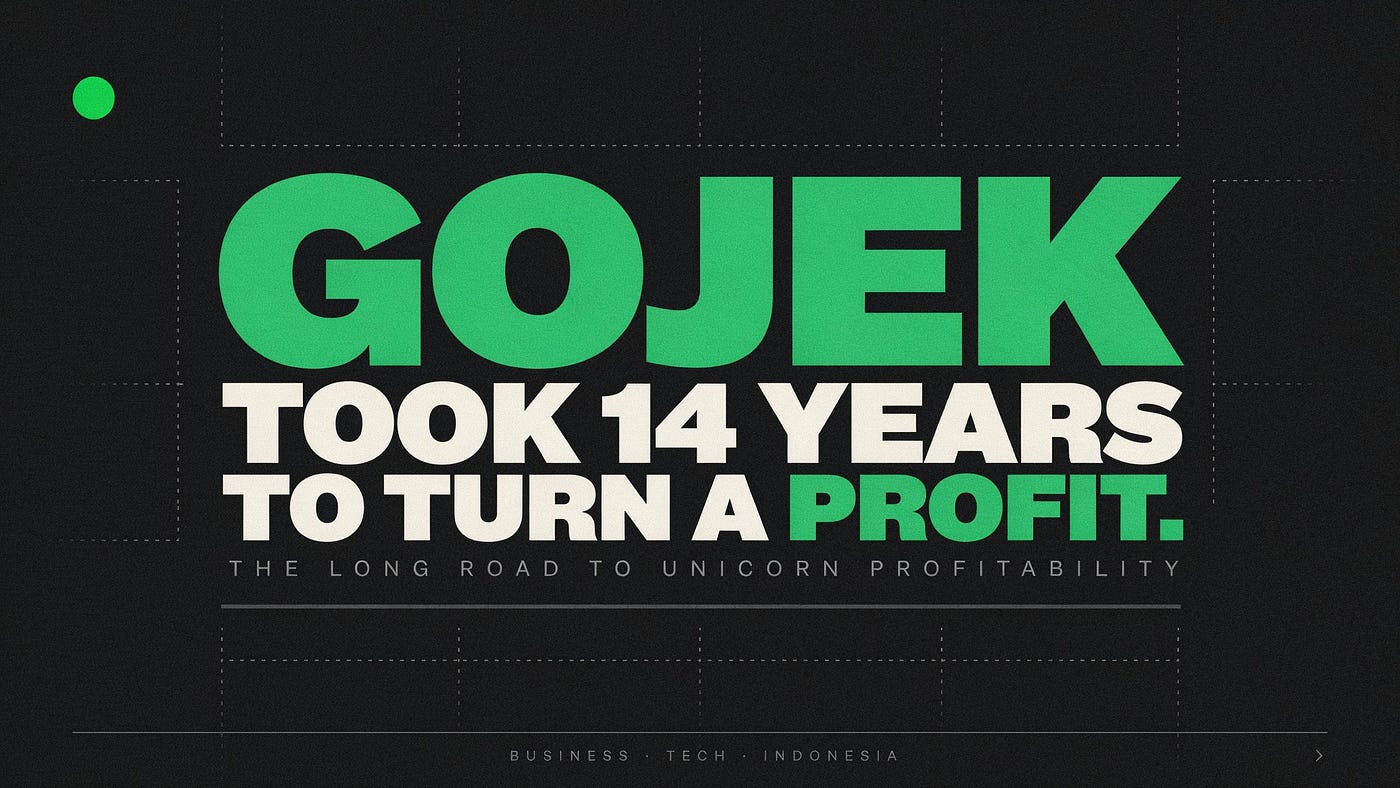
Fourteen years of losses.
Billions burned on driver incentives, food subsidies, market expansion, and a merger that reshaped Indonesia’s entire tech economy.
Then in Q1 2026 first net profit. Ever.
GoTo Group posted Rp257.9 billion in net profit, reversing a loss of Rp283 billion from the same period a year earlier. Revenue grew 26% year-on-year to Rp5.34 trillion. Annual transacting users hit 69 million.
Here’s what that milestone means for every founder thinking about a Gojek clone: the playbook is finally proven. The losses were the price of figuring out what works. The profit is the receipt.
And the receipt tells you exactly where to build and where not to.
Gojek didn’t win by offering 120 services. It won by owning one market so completely that every service it added compounded on an existing base of trust. A Gojek clone that starts with that logic beats one that starts with a feature list every single time.
The Real Reason Gojek Finally Makes Money
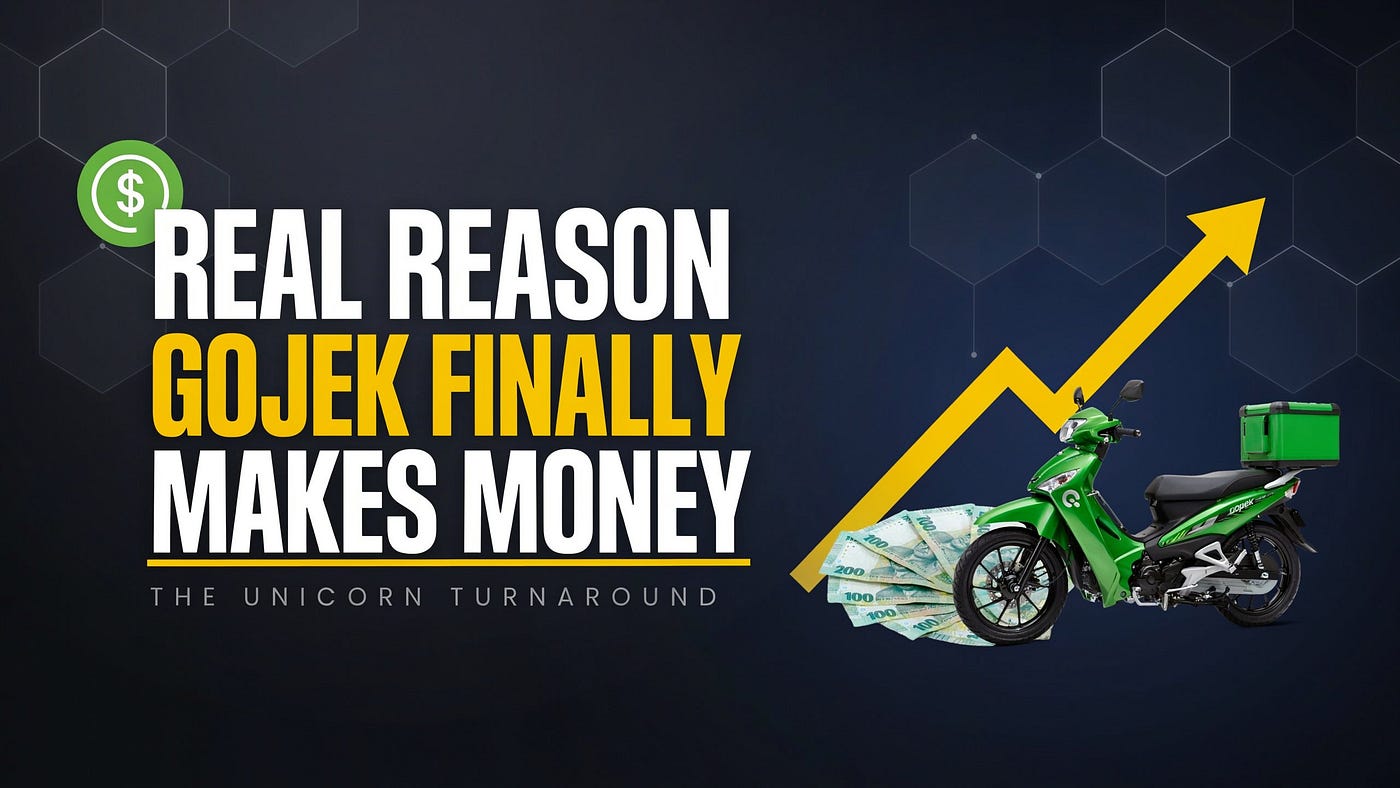
Everyone knows Gojek as the super app. Rides, food, groceries, payments, courier all in one.
What most clone guides miss is why it’s profitable now, specifically.
It’s not rides. It’s not food delivery.
It’s fintech.
GoPay hit 24.2 million monthly transacting users in Q3 2025, processing over 500 million transactions in a single month for the first time. Fintech net revenue grew 55% year-on-year, with lending revenue surging 84%.The consumer loan book crossed Rp 7.6 trillion and for the first time, fintech posted a full-year adjusted EBITDA profit.
The logic is brutal in its simplicity. Gojek spent 14 years building transaction data on millions of underbanked consumers. Then it used that data to underwrite loans traditional banks wouldn’t touch. The rides and food delivery weren’t the business. They were the customer acquisition engine for the financial services business.
A clone built around ride-hailing is building the loss-maker. A clone designed from day one with a digital wallet and lending layer is building toward where Gojek’s profit actually comes from.
Southeast Asia’s super app market surpassed $58 billion in 2025 and is growing at over 30% CAGR.Every serious player Grab, GoTo, Be turned profitable in the same twelve-month window. The market isn’t maturing. It’s arriving.
The Depth vs. Breadth Decision That Defines Everything
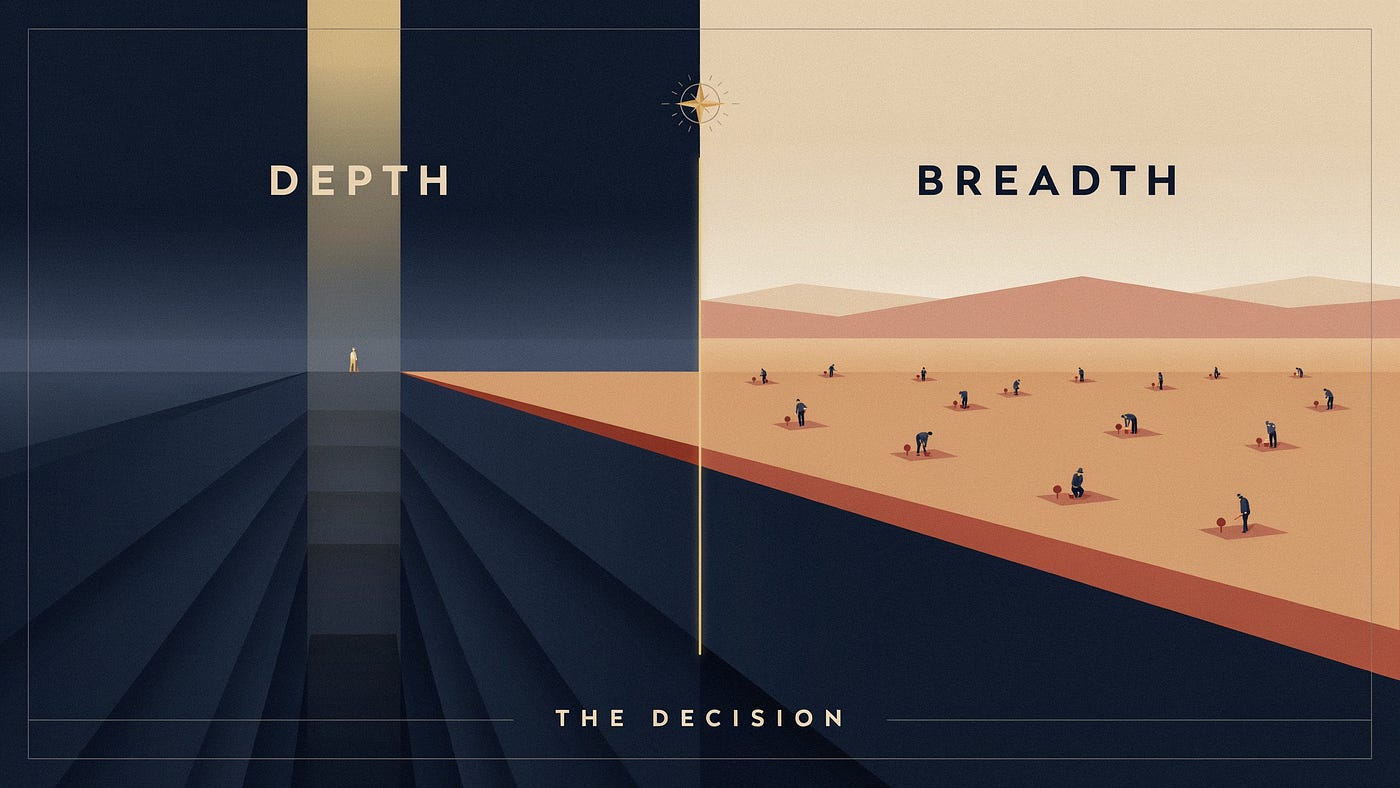
Grab operates across eight Southeast Asian countries. GoTo operates in two Indonesia and Singapore.
GoTo is worth more.
That’s not a paradox. It’s a strategy lesson.
Gojek chose depth over breadth. It exited Southeast Asian markets outside Indonesia and Singapore to focus entirely on its home market where it has unmatched brand recognition, regulatory relationships, and local understanding.Indonesia is its fortress. 270 million people. The world’s fourth-largest population. A digital economy projected to hit $124 billion.
Gojek doesn’t compete across eight countries. It dominates one so completely that 2% of Indonesia’s entire GDP flows through GoTo’s ecosystem.
For a clone builder, this is the most important strategic decision you’ll make before writing a single line of code. Not which services to offer. Which geography to own so completely that a competitor would need years to displace you.
Be Group, Vietnam’s homegrown challenger, reached profitability by knowing one market better than any regional platform ever could.It doesn’t compete on Grab’s regional breadth or GoTo’s ecosystem depth it competes on knowing one market extremely well.
Pick your Indonesia. Own it completely. Then expand.
Two-wheelers captured 63% of Indonesia’s ride-hailing market in 2025. GoBike isn’t competing with Uber. It’s competing with walking and congested buses. That’s a different product. Know the difference in your market before you design the app.
What the Grab-GoTo Merger Signals for Clone Builders
A potential Grab-GoTo merger has dominated headlines through 2026. If it closes two of Southeast Asia’s three dominant super apps become one.
That consolidation doesn’t shrink the market. It concentrates it and pushes underserved demand toward platforms that incumbents, now focused on margin rather than growth, stop chasing aggressively.
Gojek spent its first decade subsidizing users with cash promos and driver incentives. Now, merchant-funded promotions replace GoTo-funded ones, reducing platform burn.GoClub loyalty replaces cashback. The platform is optimizing for revenue quality over user volume.
That shift creates specific gaps. Price-sensitive users who relied on heavy discounts. Tier-2 city markets where the incentive budget no longer reaches. Micro-service categories that don’t move the needle for a $58 billion market but are someone’s entire daily economy.
Every gap a profitable super app stops caring about is an entry point for a focused clone.
Gojek supported over 900,000 SMEs and created 2 million jobs in Indonesia before it turned profitable. The social infrastructure came first. The financial return came after. A clone that understands this builds for the ecosystem not just the transaction fee.
Build vs. Buy |The Honest Version for 2026
A Gojek clone at MVP level needs: ride-hailing, food delivery, a digital wallet, and an admin panel. That’s it. Everything else is phase two.
White-label scripts covering all four deploy in 7–14 days for $15,000–$40,000. For a founder validating a city-level thesis, that is the correct starting point. Custom development costs $100,000+ and six months before a single user has confirmed your market assumption.
Oyelabs’ Gojek clone deploys in 7 days with full source code ownership. That last part is the one that matters at month 12 when your market tells you it needs a lending feature, a loyalty layer, or a B2B corporate account module that no generic script anticipated. Source code ownership means you build it. Without it, you’re filing a feature request with a vendor who has fifty other clients ahead of you.
The most expensive Gojek clone mistake in 2026 is building a generalist super app for a market that already has Grab or GoTo. The second most expensive is launching in a market that needs local regulatory navigation and using a script designed for a different jurisdiction. Know your market before you choose your stack.
Final Takeaway
Gojek took 14 years and billions of dollars to prove the super app model works in Southeast Asia. The proof is now public, audited, and sitting in GoTo’s Q1 2026 earnings report.
The lesson isn’t copy Gojek. It’s copy what Gojek learned that fintech is the profit engine, geography depth beats geographic breadth, and the market you serve deeply will always outlast the market you serve broadly.
A Gojek clone in 2026 doesn’t need 120 services. It needs one city, one wallet, and the patience to become infrastructure before it tries to become everything.
Before you go
- Please take a moment to like the post and follow the writer!
- Did you know that over 400,000 developers share what they’re building, learning, and discovering across our platforms every month? Learn how you can contribute here
메타데이터
- post_id
- f804bdb735bb
- slug
- it-took-gojek-14-years-to-turn-a-profit-heres-what-that-unlocks-for-every-clone-builder-in-2026-f804bdb735bb
- url
- https://blog.venturemagazine.net/it-took-gojek-14-years-to-turn-a-profit-heres-what-that-unlocks-for-every-clone-builder-in-2026-f804bdb735bb
- canonical_url
- https://blog.venturemagazine.net/it-took-gojek-14-years-to-turn-a-profit-heres-what-that-unlocks-for-every-clone-builder-in-2026-f804bdb735bb
- author_url
- https://medium.com/@myoyelabs
- status
- ok
- fetched_at
- 2026-07-10 20:03:45