Why a 7,000-Follower Account Beats a Million-Follower Celebrity
For over a decade, the playbook for corporate marketing was deceptively simple: find the biggest name with the largest following, write a…
Why a 7,000-Follower Account Beats a Million-Follower Celebrity
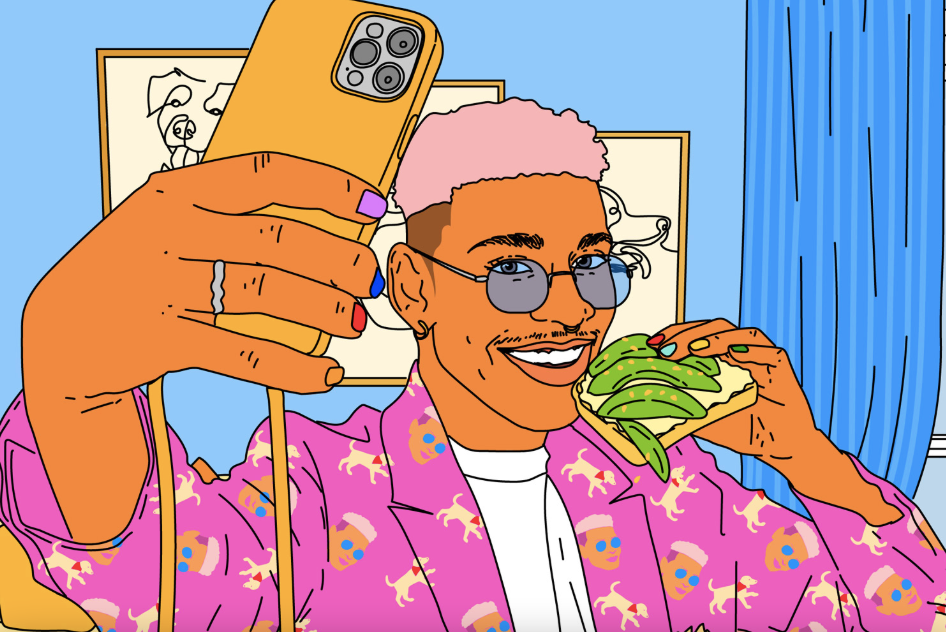
In the modern digital economy, relevance dethrones reach as micro-influencers with 7,000 deeply loyal followers out-convert mega-celebrities through authentic, peer-to-peer trust and hyper-targeted algorithmic engagement.
For over a decade, the playbook for corporate marketing was deceptively simple: find the biggest name with the largest following, write a massive check, and watch the sales roll in. It was a strategy built on the legacy foundations of television advertising, where raw reach was the ultimate metric of success. If a Hollywood actor or a reality TV star with ten million followers flashed a skincare bottle on their profile, it was considered a win.
However, the digital landscape has completely transformed. Consumers have developed a deep, almost subconscious immunity to polished, celebrity-driven endorsements. The glossy, high-production-value ad that once commanded attention is now routinely scrolled past in milliseconds.
Instead, a quiet revolution has taken place on our feeds. The most valuable real estate in marketing is no longer held by global icons, but by hyper-niche creators boasting seemingly modest communities — accounts with 7,000 deeply engaged, fiercely loyal followers. In the modern attention economy, relevance has decisively dethroned reach, and intimacy has become the ultimate currency.
The Mathematical Trap of the Mega-Follower
To understand why the paradigm shifted, we have to look closely at the math behind human attention. When an account grows into the millions, its audience inevitably becomes a monoculture fractured into thousands of unrelated sub-groups. A mega-celebrity’s followers are not bound together by a shared passion, a specific geographic location, or a common problem; they are bound together simply by the vague concept of fame.
Consequently, the algorithms that govern our feeds treat these massive accounts with increasing severity. When a celebrity posts a sponsored recommendation, the platform pushes it to a broad, generalized sample of their audience. Because the content is naturally broad to appeal to millions, it generates weak initial engagement. The algorithm interprets this lack of immediate reaction as a sign of low quality, burying the post. It is not uncommon for a creator with two million followers to see an engagement rate crater below 1%. A million views on paper means very little if only a tiny fraction of those viewers actually look at the content, and an even smaller fraction trust it.
Contrast this with the architecture of a 7,000-follower account. A creator at this scale operates in what can be described as a digital village. Their audience is highly self-selected. They are a tight-knit community of amateur filmmakers, urban gardeners, local foodies, or indie software developers. When this creator publishes a post, a staggering percentage of their followers see it, react to it, and discuss it in the comments. Engagement rates for these micro-communities regularly hover between 6% and 10%. They do not need millions of eyeballs because the few thousand they do have are fully locked in.
The Psychology of the Digital Peer
The deeper reason for this shift is rooted in human psychology and the evolution of trust online. We are living in an era of acute advertisement fatigue. Modern consumers know exactly how the influencer industry works; they understand that celebrities are paid exorbitant sums to read scripts about products they may have never used outside of the photoshoot. The traditional endorsement feels like a transaction, and transactions do not inspire loyalty.
A creator with 7,000 followers, however, occupies a completely different psychological space in the mind of the consumer: the space of a trusted peer. When someone with a modest following recommends a tool, a book, or a piece of clothing, the audience does not assume a massive corporate contract is behind it. They assume the creator genuinely discovered something useful and wanted to share it with their friends.
Furthermore, these micro-creators are highly accessible. If a follower asks a question in the comment section of a mega-celebrity, the query is instantly swallowed by a sea of noise and spam. If a follower asks a question on a 7,000-follower post — such as inquiring about the sizing of a jacket or the battery life of a gadget — the creator almost always replies directly. This two-way dialogue transforms the passive act of consuming media into an active, community-driven conversation. Trust is built in the comments section, a place where mega-celebrities simply cannot afford to spend their time.
Algorithmic Rewarding of the Raw and Real
The algorithms governing modern media platforms have adapted to reward this authenticity. The era of the heavily curated, highly filtered aesthetic is drawing to a close. Audiences are actively repelled by content that feels manufactured or overly commercial. They crave the raw, unedited, phone-shot video captured in a messy bedroom or a noisy kitchen.
Micro-influencers excel at this form of low-fidelity, high-authenticity content. Because they do not have massive production budgets or a team of agents managing their public image, their videos feel like FaceTime calls from a friend. They show the flaws, they talk about the downsides of products, and they speak in a natural, unscripted cadence.
Modern distribution algorithms prioritize these signals of genuine human connection over artificial polish. A piece of content that sparks real conversations, high share rates, and prolonged watch times within a small, dedicated group is frequently pushed out to wider, lookalike audiences who share those exact interests. A micro-influencer can achieve organic virality within a specific target market that a generic celebrity post could never replicate, even with a massive paid-ad budget backing it up.
De-Risking the Marketing Budget
For brands and marketers, the economic reality of this shift is profound. Relying on a single mega-celebrity is the marketing equivalent of putting all your capital into a single, highly volatile stock. If the celebrity becomes embroiled in a public scandal, if their audience happens to be offline the day the post goes live, or if the creative execution completely misses the mark, the entire budget is vaporized instantly.
Working with micro-influencers allows brands to practice diversification. Instead of spending a $50,000 budget on one fleeting piece of content from a major star, a brand can distribute that exact same budget across ten or fifteen different micro-creators, each possessing 7,000 intensely loyal followers.
This approach turns a campaign into a brilliant data-gathering exercise. Each creator will bring their own unique voice, creative spin, and audience demographic to the table. Within two weeks, the brand can clearly see which angles, hooks, and creative formats are driving actual business results. They can identify the top-performing micro-creators and elevate them into long-term brand ambassadors, creating a stable, predictable pipeline of customer acquisition that is entirely immune to the volatility of celebrity culture.
The Future Belongs to the Niche
We are moving away from a world of shared global cultural moments and toward a fragmented landscape of thousands of hyper-specific digital subcultures. In this environment, trying to speak to everyone simultaneously is the fastest way to mean absolutely nothing to anyone.
The 7,000-follower account is the master of the niche. They do not want to conquer the world; they want to deeply understand, serve, and entertain their specific corner of it. For brands looking to build lasting relationships with consumers, these micro-communities are no longer an alternative tactic — they are the new foundation of effective marketing. Reach is a vanity metric; resonance is what builds businesses.
메타데이터
- post_id
- f807eb62ba0d
- slug
- why-a-7-000-follower-account-beats-a-million-follower-celebrity-f807eb62ba0d
- url
- https://medium.com/@gamalkotobna/why-a-7-000-follower-account-beats-a-million-follower-celebrity-f807eb62ba0d
- canonical_url
- https://medium.com/@gamalkotobna/why-a-7-000-follower-account-beats-a-million-follower-celebrity-f807eb62ba0d
- author_url
- https://medium.com/@gamalkotobna
- status
- ok
- fetched_at
- 2026-07-24 02:21:50