Washing Hands, Sealing Records: The Reflex That Refuses Evidence
The Doctor Who Was Right Too Soon
Washing Hands, Sealing Records: The Reflex That Refuses Evidence

The Doctor Who Was Right Too Soon
In the 1840s, a Hungarian physician named Ignaz Semmelweis noticed a strange pattern in his hospital. Women giving birth in doctor-led clinics died of childbed fever at much higher rates than women giving birth with midwives.
Semmelweis discovered the cause of the difference. Doctors were going straight from autopsies to deliveries without washing their hands even once.
He introduced hand-washing to the clinic. Death rates dropped dramatically within weeks.
His colleagues did not celebrate his discovery. They ridiculed him publicly. They rejected his evidence because it contradicted their deepest beliefs about how the world worked.
Semmelweis lost his job, suffered a breakdown, and died in an asylum.
Years later, Louis Pasteur confirmed germ theory with solid evidence. Hand-washing became standard practice everywhere.
Semmelweis had been right all along. The medical establishment had preferred its own comfort to the lives of its patients.
The Reflex That Rejects New Truths
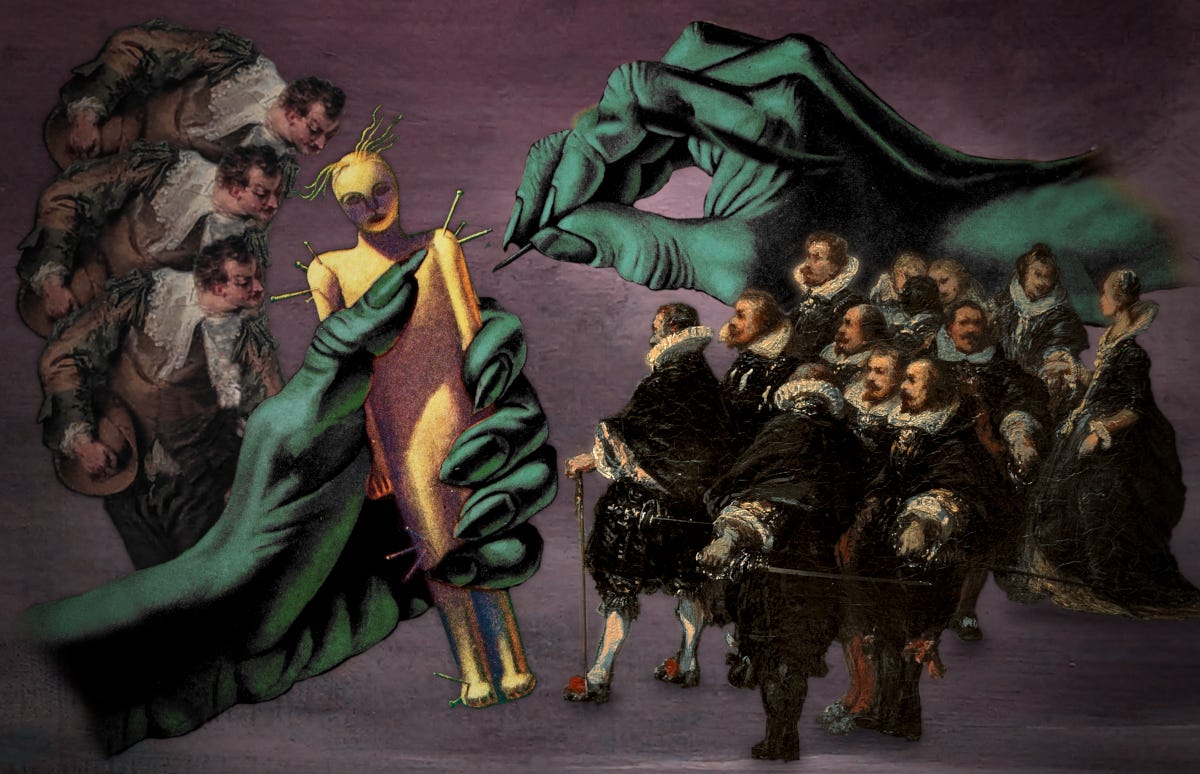
The Semmelweis reflex describes this painful pattern in human behavior. People reject new evidence that contradicts established norms. The reflex protects the existing worldview at all costs.
The evidence does not matter to true believers. The worldview matters more than anything.
Adoption operates under a powerful established norm in popular culture. It saves babies from terrible fates. It is beautiful for everyone involved. Adoptees should feel grateful for their rescue.
This worldview has dominated popular culture for a full century. Movies, books, and agency marketing all reinforce the same ‘warm’ message.
Evidence the Reflex Hides
Study after study shows elevated risks for adopted people across many measures.
Higher rates of depression, anxiety, suicide attempts, and attachment disorders. Higher rates of juvenile detention and residential treatment placement. A 2025 study found adoptees face 35 times higher risk of suicide attempt compared to non-adoptees.
The Semmelweis reflex kicks into gear every time this evidence appears. Adoption advocates point to individual ‘happy and successful’ adoptees as proof. They question the methodology of each study and argue that correlation does not equal causation. They also change the subject to the children “languishing in foster care.”
The reflex does not engage with the actual evidence, in fact, it dismisses the proof outright. The aim is to protect the industry’s profits and the public’s cozy feelings about adoption.
Why the Reflex Persists
The Semmelweis reflex persists because change costs too much money and causes discomfort.
If the evidence stands as true, if adoption really does cause measurable harm to real people, then the entire industry must change its ways.
Agencies would need to prioritize family preservation over placement profits. Courts would need to open locked records for inspection. Adopters would need to confront uncomfortable truths about their own transactions.
The reflex offers a cheaper path to everyone involved. Ignore the evidence entirely. Ridicule the messengers of bad news. Keep the old story running year after year.
The reflex works perfectly for everyone except the adoptees who keep showing up in grim statistics.
Breaking the Reflex
The Semmelweis reflex breaks when enough people refuse to look away from the evidence. Germ theory eventually won because patients kept dying preventable deaths. Doctor after doctor saw the evidence with their own tired eyes.
Adoption statistics will eventually win because adoptees keep struggling, searching for answers, and dying by suicide at alarming rates. Some real parents share similar struggles.
But the reflex can only delay the arrival of truth, it can never kill the truth entirely. Semmelweis died in an asylum, but hand-washing won the day.
The adoption industry will eventually lose its grip. Dark evidence piles too high for denial, bodies pile too high for comfort. The reflex tires before bare facts ever do, so let’s shine the light for the well-being of future generations.
메타데이터
- post_id
- f837276d0f1c
- slug
- washing-hands-sealing-records-the-reflex-that-refuses-evidence-f837276d0f1c
- url
- https://medium.com/@ms567/washing-hands-sealing-records-the-reflex-that-refuses-evidence-f837276d0f1c
- canonical_url
- https://medium.com/@ms567/washing-hands-sealing-records-the-reflex-that-refuses-evidence-f837276d0f1c
- author_url
- https://medium.com/@ms567
- status
- ok
- fetched_at
- 2026-07-13 11:34:04