Masonic “Shopska Salad”: How One Grand Lodge Became a Thousand “Supreme Councils”
In Serbia, if three men get into a fight over a restaurant bill, there is a high probability that by morning they will have founded two…
Masonic “Shopska Salad”: How One Grand Lodge Became a Thousand “Supreme Councils”
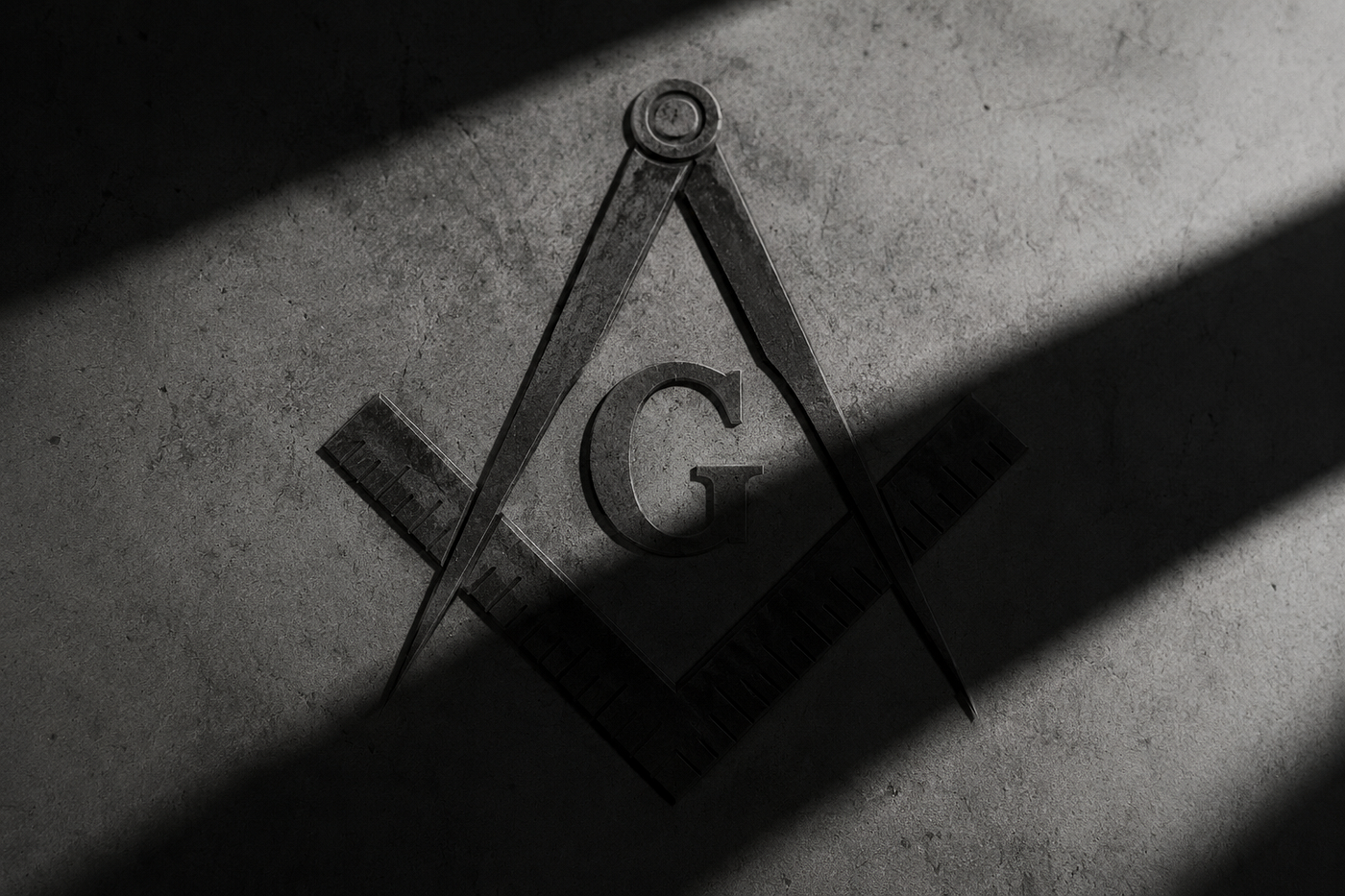
Pod senkom ali ne od sveća
In Serbia, if three men get into a fight over a restaurant bill, there is a high probability that by morning they will have founded two political parties and at least one “regular” Grand Lodge.
For a country that prides itself on tradition and “ancient landmarks,” Serbian Freemasonry today resembles a fast-food franchise model more than a discrete society dedicated to hewing the rough ashlar. But if we want to be brutally honest — which is the only way to peel back these polyester aprons — we must return to 1990. To the point where it all began, and where, for many, it actually ended.
1990: An Awakening or the Beginning of the End?
In the fateful year of 1990, Zoran Nenezić and fifteen “brethren” decided to resurrect the Grand Lodge of Yugoslavia (GLY). Let us be clear: at that moment, that was the only point of legitimacy. Everything we see today — 97% of what calls itself Freemasonry in Serbia — stems from that Nenezić source.
The remaining 3%? Those were the Jewish lodges (B’nai B’rith) doing their work, and a few discrete diplomatic lodges attached to embassies, where foreign consuls “hewed their stone” while waiting for cables from their headquarters. There were a few other specific groups, but we shall save those eccentricities for another time.
Nenezić and his team laid the foundation. Perhaps it wasn’t perfect, perhaps it was laid at the worst possible time as the state was collapsing, but it was — the only one.
“Putschists” and Masonic Magic: How to Become a Master in an Afternoon
As early as 1993, we encounter the first true Balkan specialty: The Masonic Schism. Or, as the brethren would have called it in older terms — a coup.
A group of members who were excluded (expelled, let’s be honest) from the Grand Lodge of Yugoslavia for violations of rules and discipline decided they didn’t feel like going home. Instead of accepting the status of “dormant” or expelled members, they used the help of foreign jurisdictions — primarily Germany and Italy — to form a “new” Grand Lodge of Yugoslavia.
This brings us to the part where logic dies and “Rimini Style” Masonry takes over. According to all ancient rules and Masonic constitutions, the process is crystal clear:
- If you are expelled, you are a civilian. Period.
- If you want back in, you start from zero. You submit a petition, you wait, you undergo investigation.
- It takes years of diligent work to reach the degree of Master.
- To found a lodge, you need enough Masters. To form a Grand Lodge, you need multiple lodges and years (at least five, under the most ideal circumstances) of proving legitimacy.
But why wait five years and sweat over rituals when you can order “regularity” like an espresso in Rimini?
Masonic Coffee to Go
With a “tailwind” provided by the “cousins” from Italy and Germany, legitimacy was obtained overnight. This wasn’t hewing stone; it was printing diplomas.
The problem in Serbia isn’t just the “Rimini” lodges. The problem is the metastasis. It is vital to understand that it wasn’t just the ‘Rimini variant’ that emerged from expelled brethren; there were several such instances throughout the entire lifespan of the Grand Lodge of Yugoslavia, meaning legitimacy was constantly being eroded from within.
Almost all of today’s lodges that boast about foreign recognition originated from these expelled brethren. If the root is tainted (or in this case, legally void according to Masonic law), what kind of fruit can it bear?
Looking at the scene today, where every other building in Belgrade likely hides at least one “Grand Master,” one cannot help but wonder: are these people engaged in spiritual self-improvement, or are they just collecting titles they bought through foreign interests?
Conclusion (For Act One)
The Grand Lodge of Yugoslavia from 1990 may not have been ideal, but it was authentic. Everything that followed after 1993 — those “instant” Masters and “express” Grand Lodges — created a noise in which you can no longer hear the sound of the chisel and hammer, only the rustling of paper and the clinking of ordered medals.
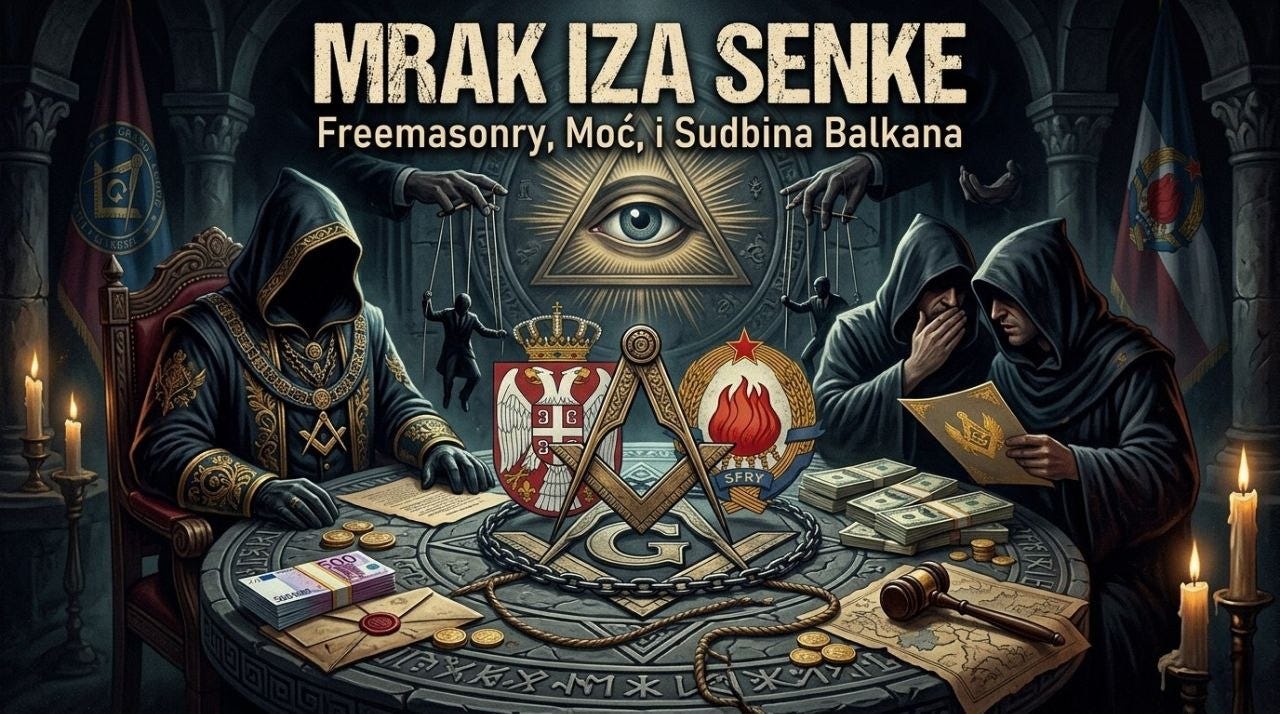
Serbian language edition below
Masonska šopska salata: Kako smo od jedne lože dobili hiljadu „Vrhovnih saveta“
U Srbiji, ako se tri čoveka posvađaju u kafani oko računa, velika je šansa da će do jutra osnovati dve političke partije i barem jednu „regularnu“ Veliku ložu.
Za zemlju koja se ponosi tradicijom i „drevnim međama“, srpsko slobodno zidarstvo danas više podseća na franšizni model brze hrane nego na diskretno društvo posvećeno klesanju grubog kamena. Ali, ako želimo da budemo surovo iskreni — a to je jedini način da se razgrne ova kecelja od poliestera — moramo se vratiti na 1990. godinu. Na tačku gde je sve počelo i gde je, zapravo, za mnoge sve i završilo.
1990: Buđenje ili početak kraja?
Te fatalne 1990. godine, Zoran Nenezić i petnaestak „braće“ odlučili su da vaskrsnu Veliku ložu Jugoslavije (VLJ). Da se razumemo, to je u tom trenutku bila jedina tačka legitimiteta. Sve što danas vidimo, 97% onoga što sebe naziva masonerijom u Srbiji, vuče koren iz tog Nenezićevog izvora. Preostalih 3%? To su bile jevrejske lože (B’nai B’rith) koje su radile svoj posao, i pokoja diskretna diplomatska loža pri ambasadama, gde su strani konzuli „kuckali kamen“ dok su čekali depeše iz svojih centrala. Postojalo je još par specifičnih grupacija, ali o tim egzotikama ćemo nekom drugom prilikom.
Dakle, Nenezić i ekipa su postavili temelj. Možda taj temelj nije bio savršen, možda je bio postavljen u nevreme dok se država raspadala, ali je bio — jedini.
„Pučisti“ i masonska magija: Kako postati majstor za popodne
Već 1993. godine dobijamo prvi pravi balkanski specijalitet: Masonski raskol. Ili, kako bi to braća u starim terminima nazvala — puč.
Grupa članova, koji su zbog kršenja pravila i discipline isključeni (izbačeni, da se ne lažemo) iz Velike lože Jugoslavije, odlučuje da im se ne ide kući. Umesto da prihvate status „uspavanih“ ili izbačenih, oni uz pomoć stranih jurisdikcija, pre svega Nemačke i Italije, formiraju „novu“ Veliku ložu Jugoslavije.
Ovde dolazimo do dela gde logika umire, a nastupa „Rimini Style“ masonerija.
Po svim drevnim pravilima i masonskim konstitucijama, proces je jasan:
- Ako si izbačen, ti si civil. Tačka.
- Ako hoćeš nazad, krećeš od nule. Podnosiš molbu, čekaš, ideš na ispitivanja.
- Potrebne su godine marljivog rada da bi postao Majstor.
- Da bi osnovao ložu, treba ti dovoljno Majstora. Da bi osnovao Veliku ložu, treba ti još više loža i godine (barem pet, u najidealnijim uslovima) dokazivanja legitimiteta.
Ali, zašto čekati pet godina i znojiti se nad ritualima, kad možeš da naručiš „regularnost“ kao espreso u Riminiju?
Masonska kafa za poneti
Uz „vetar u leđa“ od strane braće po tetki iz Italije i Nemačke, legitimitet je dobijen preko noći. To nije bilo klesanje kamena; to je bilo štampanje diploma.
Problem Srbije nije samo u tim „Rimini“ ložama. Problem je u metastazi. Važno je razumeti da nije samo ta Rimini varijanta nastala od izbačene braće, već je takvih primera bilo više tokom celokupnog života Velike lože Jugoslavije, čime je legitimitet konstantno krunjen iznutra. „Rimini“ nije bio izolovan incident, već manir rada. Skoro sve današnje lože koje se hvališu priznanjima iz inostranstva nastale su upravo od te izbačene braće. Ako je koren zatrovan (ili u ovom slučaju, pravno ništavan prema masonskom pravu), kakav je onda plod?
Gledajući današnju scenu, gde svaka druga zgrada u Beogradu verovatno krije po jednog „Grand Mastera“, čovek ne može a da se ne zapita: da li se ovi ljudi bave duhovnim usavršavanjem ili kolekcionisanjem titula koje su kupili uz pomoć stranih interesa?
Zaključak (za prvi čin)
Velika loža Jugoslavije iz 1990. možda nije bila idealna, ali je bila autentična. Sve što je usledilo nakon 1993, ti „instant“ Majstori i „ekspres“ Velike lože, stvorili su šum u kojem se više ne čuje zvuk čekića i mistrije, već samo šuštanje papira i zveckanje naručenih odlikovanja.
O ostaloj izbačenoj braći i njihovim „vrtovima“ pričaćemo drugi put. Ima tu još mnogo korova koji se prodaje kao engleska trava.
Ovo je tekst Z.N. iz ugla onoga ko ne mora da opipava zidove da bi znao da su krivi. Moja vinkla ne prašta, a vaša ‘velika arhitektura’ se pod mojim merenjem pretvara u običnu scenografiju.
Crni Brat — Onaj koji vidi kroz povez
메타데이터
- post_id
- f85f52a9b556
- slug
- masonic-shopska-salad-how-one-grand-lodge-became-a-thousand-supreme-councils-f85f52a9b556
- url
- https://medium.com/@sov.ins/masonic-shopska-salad-how-one-grand-lodge-became-a-thousand-supreme-councils-f85f52a9b556
- canonical_url
- https://medium.com/@sov.ins/masonic-shopska-salad-how-one-grand-lodge-became-a-thousand-supreme-councils-f85f52a9b556
- author_url
- https://medium.com/@sov.ins
- status
- ok
- fetched_at
- 2026-06-09 15:37:30