Hemp Is Legal. But Is Your THC Gummy?
The 2018 Farm Bill made hemp federally legal. Six years later, regulators are still figuring out what that means.
Hemp Is Legal. But Is Your THC Gummy?
The 2018 Farm Bill made hemp federally legal. Six years later, regulators are still figuring out what that means.

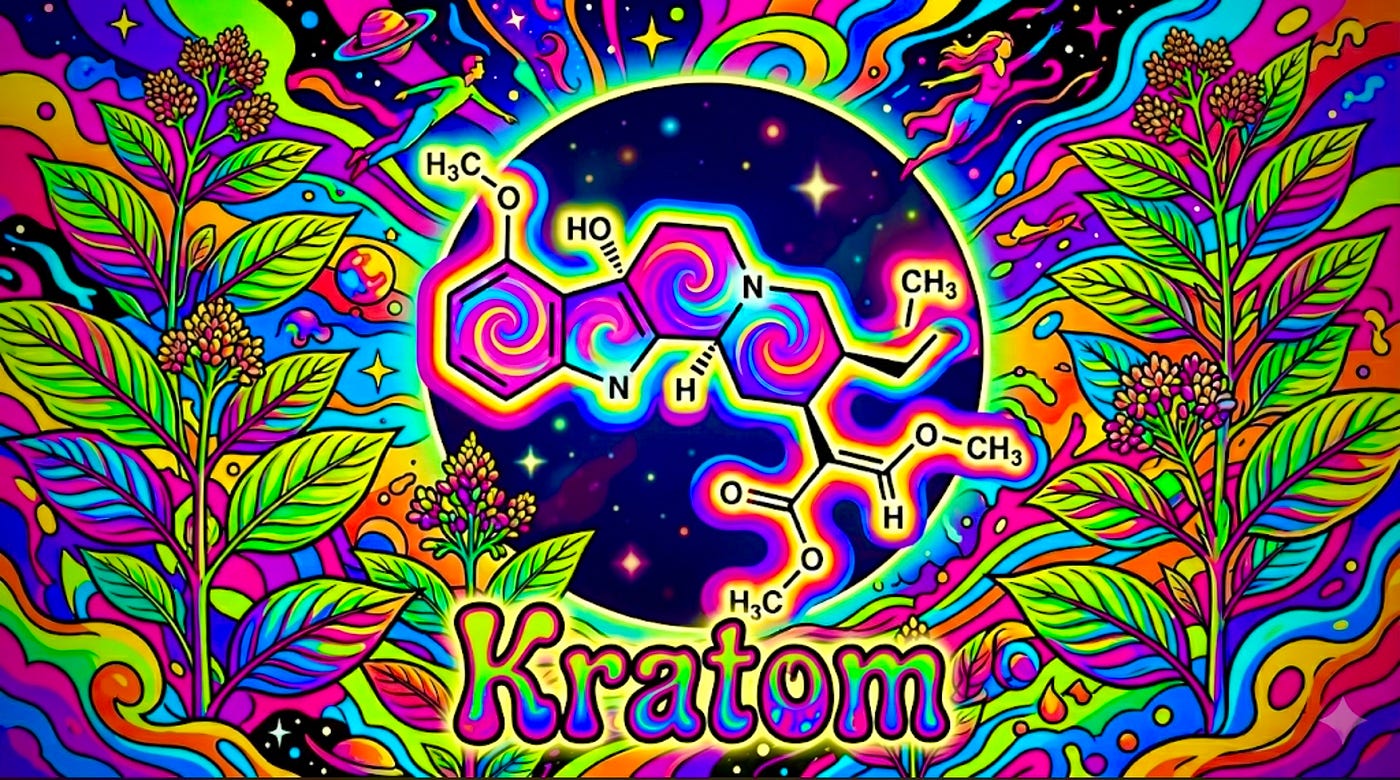
Artwork via Nano Banana
Hemp products are federally legal. Whether the THC inside them is legal depends on chemistry, math, and which year you’re reading this. If you’ve ever stood in a gas station staring at a shelf full of delta-8 gummies wondering how they got there, this article is for you.
Hemp Became Legal in 2018. What Did That Actually Mean?
The 2018 Farm Bill removed hemp from the Controlled Substances Act. That one move opened the floodgates.
The law defined hemp as cannabis containing less than 0.3% delta-9 THC by dry weight. Note the specifics: delta-9 only, and measured by dry weight. Those two constraints created loopholes large enough to drive a semi-truck through.
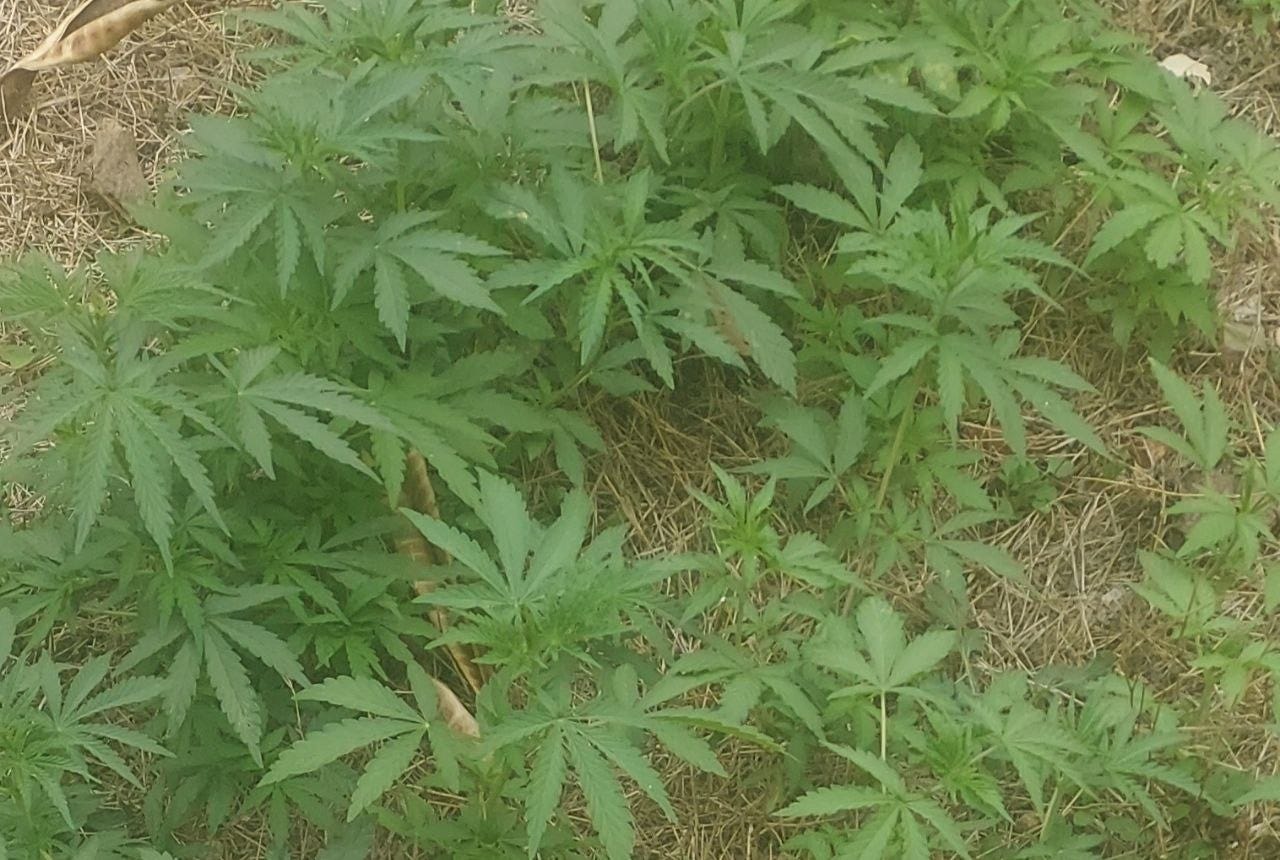
Hemp and marijuana are the same plant species, *Cannabis sativa*. The only legal distinction is that one number: 0.3% delta-9 THC. Cross that line and your agricultural crop becomes a controlled substance. Stay under it and you can sell your product at a gas station in most of the country.
What Is THC, Exactly?
Most people use THC as shorthand for a single compound. It’s actually a family.
Delta-8, delta-9, and delta-10 THC share the same chemical formula but differ slightly in molecular structure. One double bond shifts position by a single spot in the ring. That small difference changes the name. It does not change the fact that all three are psychoactive and bind to cannabinoid receptors in the brain.
Then there’s THCA, or 9-tetrahydrocannabinolic acid. THCA is the dominant cannabinoid in the living cannabis plant. It is not psychoactive on its own. It first needs heat to convert into delta-9 THC, the compound that actually produces a high.

Heat converts THCA to Delta-9-THC.
CBD, or cannabidiol, rounds out the common cannabinoids. It interacts with the same receptors as THC but through different mechanisms. It does not produce a high.
The law treats each of these compounds differently. That determines what’s actually in your gummy.
Why Did THCA Gummy up the Works?
The 2018 Farm Bill measured only delta-9 THC in the plant. Not THCA.
A cannabis plant could contain 25% THCA and only 0.2% delta-9 THC and qualify legally as hemp. Cultivators caught on fast. High-potency “hemp” flower with THCA concentrations between 20% and 30% began moving freely across state lines. Smoke it or vape it, the heat converts that THCA to delta-9 THC, and you have a product with the potency of high-grade marijuana sold under the legal classification of hemp.
The 2018 bill was not designed to enable this. It happened anyway because the law is precise in ways that chemistry is not.
In November 2025, Congress closed this gap. The Agriculture Appropriations Act redefined hemp by limiting total THC, including THCA, to 0.3% on a dry weight basis. The rule takes effect in November 2026. When it does, the vast majority of hemp flower currently on the market will become federally illegal overnight.
Does the Math Work for Edibles?
The dry weight rule applies differently to edibles and drinks. The arithmetic actually favors them.
A 12-ounce drink weighs around 355 grams. To hit the 0.3% threshold, that can would need to contain about 1,065 milligrams of delta-9 THC. Commercially available hemp beverages contain 5 to 10 milligrams. They clear the threshold without effort.
Gummies are even smaller. A single gummy candy weighs about 5 grams. At 0.3%, that gummy could legally contain up to 15 milligrams of delta-9 THC before triggering any federal concern. Most THC gummies are dosed at 5 or 10 milligrams. The math works.
This is how 10-milligram hemp beverages and edibles became widely available in states where recreational marijuana remains illegal. The 2018 Farm Bill, by focusing on dry weight, did not anticipate concentrated products at all.
The Rules Are Changing. Again.
The November 2025 law added a second provision specifically targeting edibles. Any hemp-derived final product containing more than 0.4 milligrams of THC per container is no longer federally legal. That threshold sits well below a single commercial dose of any THC gummy or beverage.
The impact on the industry would be severe if this goes into full effect. A 10-milligram beverage is 25 times over the new limit.
However, in April 2026, lawmakers introduced amended legislation that would shift hemp regulation back to the states rather than imposing a blanket federal standard. The debate is not resolved. Industry groups, state regulators, and public health advocates are all at the table.
As a consumer, the implication is straightforward: the products on your shelf right now are in legal limbo. What is on your shelf today may not be there in 2027.
What About Delta-8 and Delta-10?
These two compounds existed largely outside the original 2018 framework. The Farm Bill restricted delta-9 only. Delta-8 and delta-10 fell into a regulatory gray zone by default.
Both occur naturally in cannabis, but at concentrations far too low for commercial use. Producing them at scale requires synthetic chemistry, which has raised legitimate concerns about impurities and manufacturing contamination. Products on shelves today are not naturally occurring; they are synthesized from CBD.
Some early evidence suggests delta-8 and delta-10 are less potent than delta-9. The research is thin. Scientists need more data on potency, metabolism, and health effects before drawing firm conclusions.
The proposed total THC standard addresses this gap by accounting for all THC variants, not just delta-9. If enacted, it closes the delta-8 and delta-10 loophole as well.
One More Plot Twist: Marijuana Got Rescheduled
In April 2026, the Trump administration moved medical marijuana from Schedule I to Schedule III of the Controlled Substances Act. Schedule I drugs have no accepted medical use and a high potential for abuse. Schedule III drugs have recognized medical applications and a lower abuse profile.
This rescheduling does not legalize recreational marijuana. It does lower barriers to research, which matters more than it sounds. Most of the unresolved questions about THC potency, how the body metabolizes it, and its therapeutic potential exist partly because Schedule I status made rigorous clinical research prohibitively difficult.
In the short term, rescheduling adds another layer to an already complicated regulatory picture. In the long term, it may generate the evidence base needed to write better law.
Still Confused About THC? So Is the Law.
One molecule sits at the center of every legal ruling, state carveout, and product label: delta-9 THC. The law has been chasing the chemistry since 2018, tightening definitions and closing loopholes as the industry finds new ones.
What you need to know as a consumer: hemp and marijuana are the same plant. Hemp-derived THC and marijuana-derived THC are chemically identical. Whether a product is legal depends on concentration, source, form, and, increasingly, which state you are standing in.
Read the label. Know your dose. And check back next year, because the rules may have changed again.
Before using any THC product, check your state’s current hemp and cannabis laws. Federal and state regulations may differ significantly, and both are subject to change.
Thanks for the read. I’m a pharmacist turned health and wellness writer. I make health content clear, credible, and human. Let’s work together: KateByrdPharmD@gmail.com
메타데이터
- post_id
- f86e4f8438be
- slug
- hemp-is-legal-but-is-your-thc-gummy-f86e4f8438be
- url
- https://medium.com/@katebyrdpharmd/hemp-is-legal-but-is-your-thc-gummy-f86e4f8438be
- canonical_url
- https://medium.com/@katebyrdpharmd/hemp-is-legal-but-is-your-thc-gummy-f86e4f8438be
- author_url
- https://medium.com/@katebyrdpharmd
- status
- ok
- fetched_at
- 2026-06-09 15:37:30