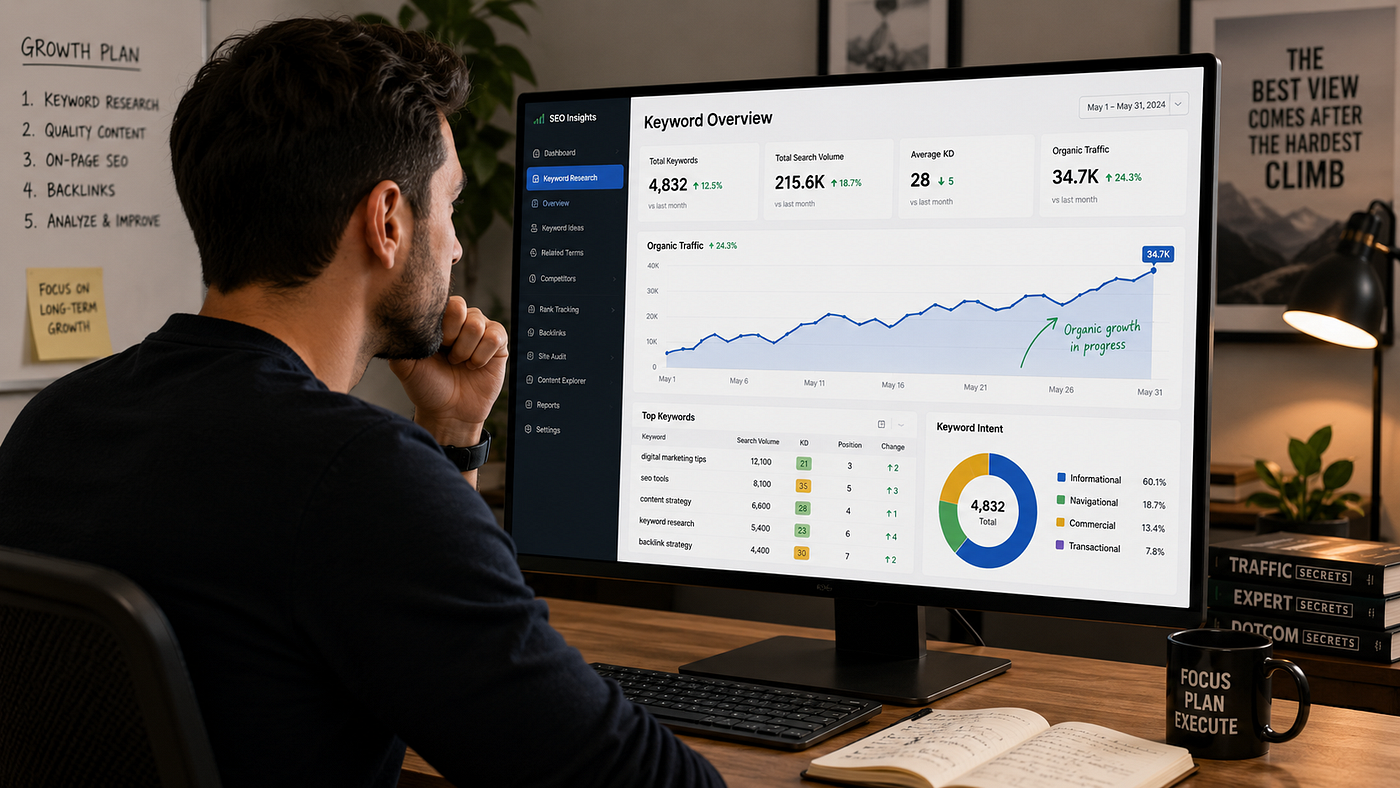
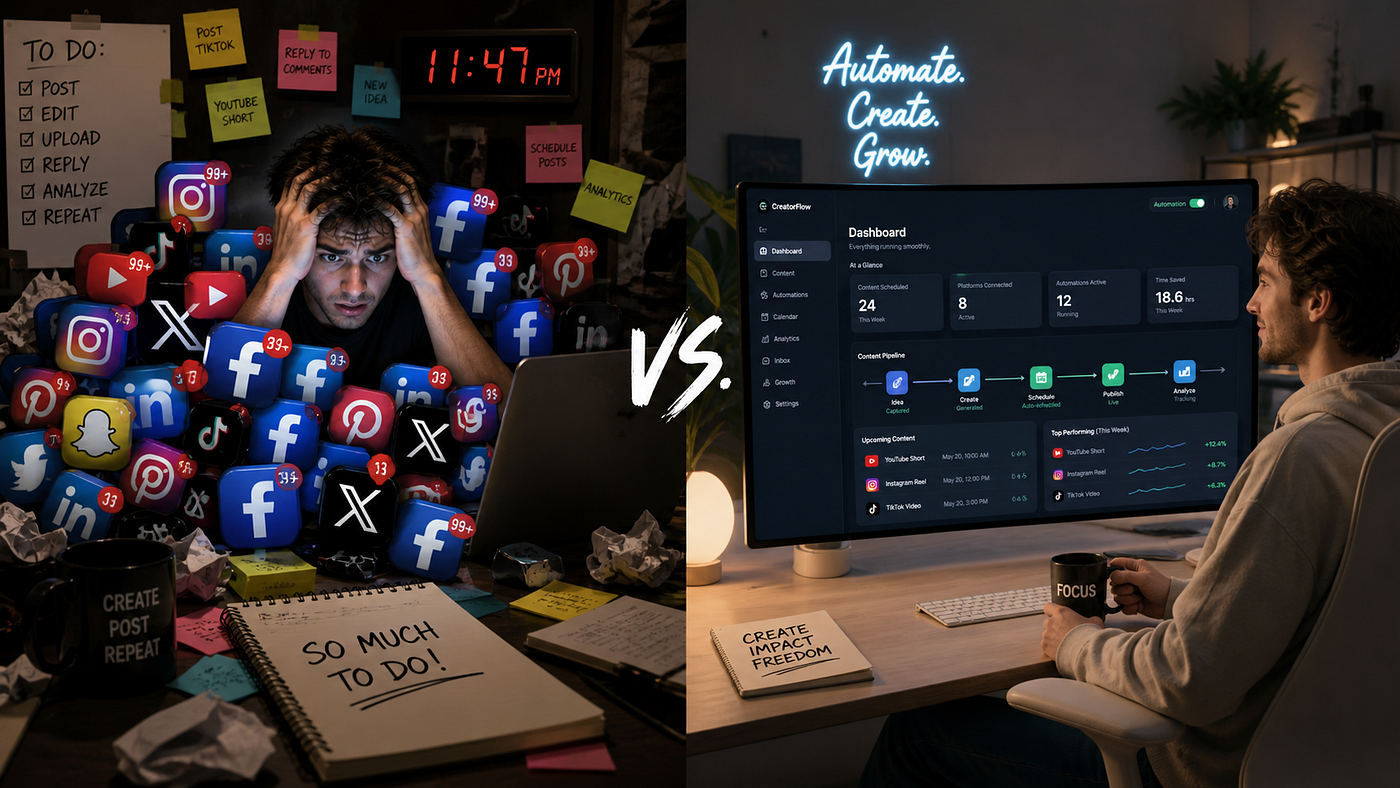
How Should Mental Health Marketing Evolve to Reach Men More Effectively?
Because “begin your healing journey” isn’t exactly speaking their language.
How Should Mental Health Marketing Evolve to Reach Men More Effectively?
Because “begin your healing journey” isn’t exactly speaking their language.
Photo by Stefan Spassov on Unsplash
Let’s start with an uncomfortable truth: a lot of mental health marketing is kind of terrible at reaching men.
Not because the intentions aren’t good. Not because the services aren’t valuable. But because somewhere along the way, a significant chunk of the industry decided that the best way to market mental wellness was through a very specific aesthetic.
Soft lighting. Muted colors. Someone is staring peacefully out a window with a warm beverage. A tagline about “beginning your healing journey.”
And look, that works for a lot of people. But for the average guy scrolling his phone and asking ChatGPT why he keeps snapping at his kids or can’t sleep more than four hours? That imagery might as well be from another planet.
The good news is that this is very fixable. June’s Men’s Mental Health Month gives behavioral health providers a perfect excuse to zoom out and ask the real question: not just how do we do more marketing, but how do we do smarter, more evolved marketing that actually reaches the men who need help and gets them through the door?
Glad you asked. Let’s get into it.
Want a marketing strategy that actually connects with male clients? Talk to Beacon Media + Marketing, and let’s build one that works.
Here’s What’s in This Post:
- Mental health marketing has a real blind spot when it comes to men, and the fix is less about adding more content and more about rethinking the approach entirely
- Men respond to specificity, outcomes, and realness over inspiration-poster vibes and vague emotional language
- Video and authentic media are among the most effective tools for reaching men who are on the fence about seeking care
- Men’s Mental Health Month is a launching pad for year-round strategy, not a one-month checkbox
- Beacon Media + Marketing specializes in helping behavioral health providers build marketing that actually moves male audiences from curious to committed
Is Mental Health Marketing Actually Built for Men, or Did We Just Assume It Was?
Short answer: we mostly assumed it was, and that assumption has quietly cost the industry a lot of missed connections.
Mental health marketing didn’t evolve with a deliberate gender exclusion in mind. It evolved organically, shaped by who was already seeking care, who was creating the content, and what aesthetics felt “healing.” And because women have historically sought mental health treatment at significantly higher rates, the marketing ended up reflecting a female-skewing experience of care almost by default.
The result is a landscape where a lot of mental health provider websites, social media pages, and ad campaigns look and sound fantastic to one segment of the population and quietly signal “not for you” to another. Men pick up on this faster than we give them credit for. And given that men are already less likely to reach out due to cultural conditioning around strength and self-sufficiency, a brand that doesn’t feel relevant to them is all the reason they need to keep scrolling.
Men’s Mental Health Month is a good annual gut-check. If your June content is just your regular content with a blue ribbon slapped on it, that’s a sign that your marketing hasn’t really evolved to include men year-round. And year-round is the only cadence that actually moves the needle.
What Kind of Language Actually Resonates With Men in Mental Health Marketing?
The kind that doesn’t make them feel like a case study. Men are not allergic to emotional depth; they’re allergic to emotional performance.
There’s a big difference between content that invites honest reflection and content that feels like it’s asking them to publicly audition their vulnerability.
The former works. The latter makes them click away.
What does work? Direct language that leads with the problem, not the process. “Struggling to stay present with your family after a rough week at work?” hits differently than “Explore your emotional landscape in a safe, supportive environment.”
Both might describe the same service. But one of them sounds like a guy talking to a friend, and one of them sounds like a brochure from 2003.
Outcome-forward framing is consistently one of the highest-performing approaches for male audiences in behavioral health marketing.
What will be better in their life after working with you? What will they be able to handle, navigate, or experience differently?
Lead with that. Build toward the deeper stuff.
Men are not less capable of engaging with emotional nuance; they’re just less likely to trust it as an entry point from a brand they don’t know yet. Give them something concrete to hold onto first, and then you’ve earned the conversation.
Photo by Nik Shuliahin 💛💙 on Unsplash
How Does Video Change the Game for Mental Health Marketing Aimed at Men?
Dramatically. And this is one area where a lot of practices are genuinely leaving opportunity on the table.
Video does something that written content and static imagery simply can’t: it puts a real human being in front of the viewer and lets them decide, in real time, whether they trust that person.
For men who are evaluating a potential therapist or practice from behind a screen, that human quality check matters enormously.
A short, genuine video of a provider talking plainly about what it’s like to work with men in her practice can outperform a beautifully designed ad campaign on conversion rates. Not because it’s more polished; often it’s less. But because it’s real.
Men can tell when someone is performing wellness versus actually practicing it. And they respond to the latter at a much higher rate.
Video and media production built specifically for behavioral health doesn’t have to be cinematic or high-budget to be effective with male audiences. It has to be honest, specific, and placed in front of the right people.
A sixty-second video of a therapist saying “here’s what I actually help men work through, and here’s what that looks like in real sessions” is marketing gold. And most practices aren’t doing it. Which means the ones who start now have a genuinely clear lane.
Should Mental Health Providers Be Thinking About Men’s Mental Health Month Differently?
Yes, and the shift in thinking is pretty simple: treat it as a launch pad, not a landing pad.
Most practices approach Men’s Mental Health Month as a destination. They create content for June, post it in June, and feel good about their contribution to the awareness conversation.
Then July hits, and everything goes back to business as usual.
But here’s how male help-seeking actually tends to work. A man sees something in June that lands. He sits on it. Maybe talks to his wife about it. Maybe Google the practice once. Doesn’t call. Then something happens in September, and suddenly he’s ready. He goes back to look for that thing he saw a few months ago. And if your digital presence went quiet after June 30th, you’ve lost him to whoever stayed visible.
Men’s Mental Health Month should be the ignition point for a content and campaign strategy that carries through Q3 and into the fall. The awareness spike of June is genuinely useful. But it’s most useful when it seeds a longer relationship, not when it serves as the entirety of your male-audience strategy for the year.
Think of June as the first chapter, not the whole book.
What Channels Are Actually Worth Investing in to Reach Men With Mental Health Content?
All of them, honestly, but not equally and not with the same message.
The channel mix that tends to perform best for reaching men in behavioral health marketing is a combination of search (where intent is explicit), social video (where the bar to engagement is low), and content distribution that extends the life and reach of your best work.
On the search side, men who are ready to act are Googling with real specificity. They’re not searching “mental health support.” They’re searching “therapist for men dealing with anger,” or “anxiety help for executives,” or “therapy for veterans near me.”
Your SEO and paid search strategy needs to meet that specificity, not just chase broad mental health traffic.
On the social side, short-form video and genuine storytelling consistently outperform polished graphic posts when the goal is reaching male audiences who haven’t made the decision to seek care yet.
Facebook and Instagram still have enormous male reach when the creative is built for them. And content distribution that repurposes your best content across channels, from blog to video to social to press, compounds your visibility without requiring you to create something new every single week.
The honest truth is that most behavioral health practices are either not in these channels at all when it comes to male-specific messaging, or they’re in them with content that wasn’t designed with men in mind. Either way, the bar to stand out is genuinely not that high right now. And that window won’t stay open forever.
What’s the Single Biggest Shift Providers Can Make Right Now?
Stop marketing services and start marketing outcomes. This sounds simple, but it’s actually a pretty significant reframe for most practices.
When you lead with your services (“we offer individual therapy, group sessions, and telehealth”), you’re asking the reader to do the work of figuring out how those things apply to their life. When you lead with outcomes (“men who work with us report clearer communication with their families, better performance at work, and finally sleeping through the night”), you’ve done that work for them.
Men in particular respond to this kind of outcome-forward framing because it gives them a concrete reason to engage without requiring them to first publicly identify as someone who is struggling. That’s a meaningful distinction. “I want those outcomes” is a much easier internal permission slip to grant than “I need to admit I need help.”
It’s a simple shift in copywriting and creative direction, but it changes everything about how men receive and respond to your marketing. And it’s exactly the kind of strategic, nuanced approach that Beacon Media + Marketing brings to behavioral health providers every day.
We understand the audience, the language, and the marketing mechanics that turn male curiosity into new client relationships.
The Bottom Line: The Marketing Needs to Evolve, and the Time Is Now
Mental health marketing that was designed for the average help-seeker of ten years ago is not mental health marketing that will reach the men sitting on the fence today. The language, the channels, the creative approach, and the strategy all need to grow up a little.
Not because men are a mystery. But because they’ve been an afterthought in this space for too long, and the practices that recognize that and act on it are going to be the ones that grow.
Men’s Mental Health Month is a reminder that this audience exists, that it’s growing, and that it’s genuinely ready to engage with providers who show up for them correctly. The question is whether your marketing is ready to do that.
**If you’re not sure, let’s find out together. Contact Beacon Media + Marketing today.**
메타데이터
- post_id
- f878ada5c8af
- slug
- how-should-mental-health-marketing-evolve-to-reach-men-more-effectively-f878ada5c8af
- url
- https://medium.com/beacon-media-marketing/how-should-mental-health-marketing-evolve-to-reach-men-more-effectively-f878ada5c8af
- canonical_url
- https://medium.com/beacon-media-marketing/how-should-mental-health-marketing-evolve-to-reach-men-more-effectively-f878ada5c8af
- author_url
- https://medium.com/@jeremiah_82247
- status
- ok
- fetched_at
- 2026-07-09 17:12:49