Weird Facts About Popular Snacks
Snacks are more than just convenient bites to curb hunger between meals. They often carry stories that span centuries, cultures, and…
Weird Facts About Popular Snacks
Snacks are more than just convenient bites to curb hunger between meals. They often carry stories that span centuries, cultures, and sometimes, downright bizarre origins. From sweet to salty, the snacks we casually enjoy are steeped in history, science, and oddities that most people would never guess. While they may appear simple on the outside, the journey of each snack from creation to popularity is filled with fascinating quirks. In this article, we explore some of the strangest, most unexpected facts about popular snacks, shedding light on the hidden worlds behind the foods we think we know.
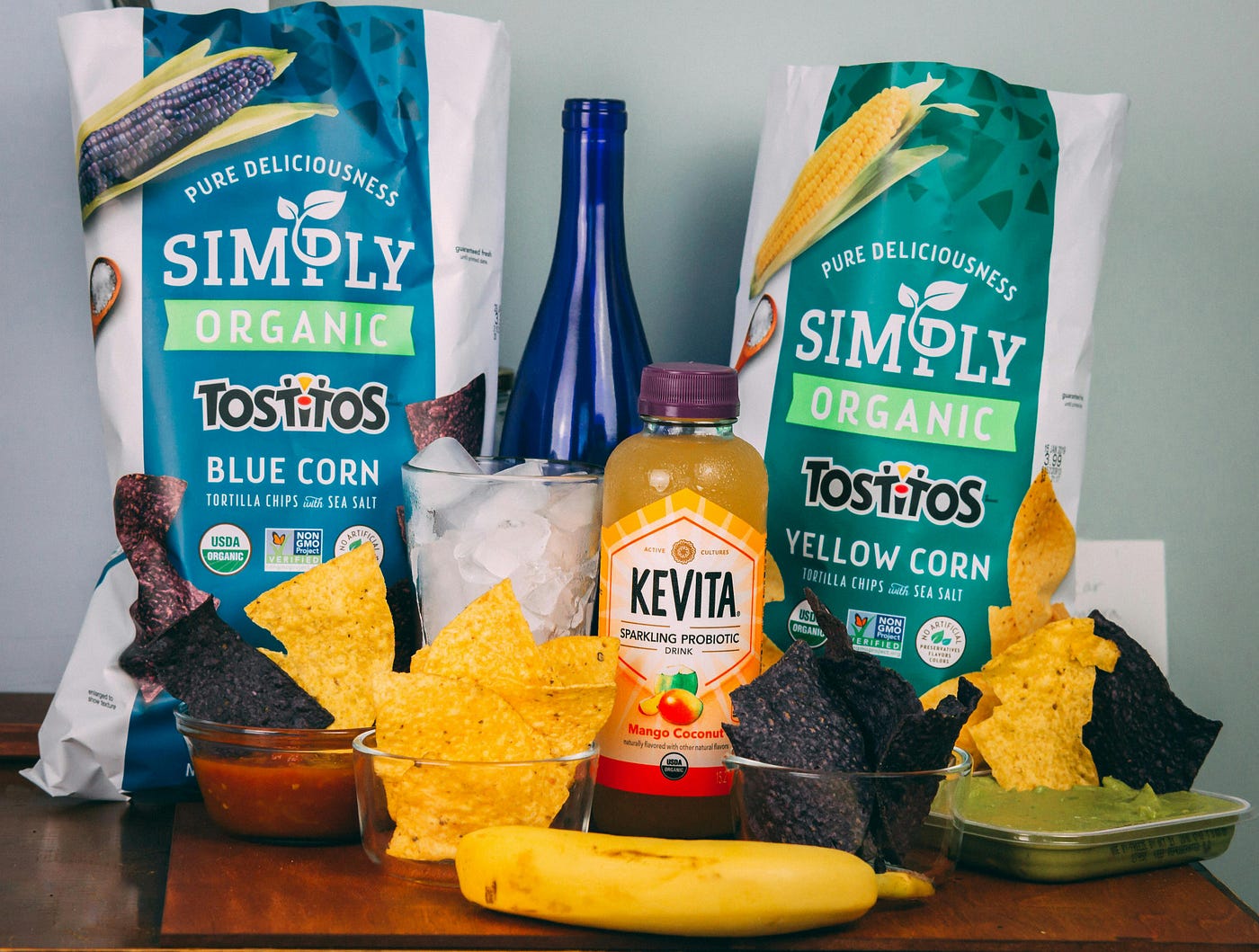
Snacks are more than just convenient bites to curb hunger between meals. They often carry stories that span centuries, cultures, and sometimes, downright bizarre origins.
The Surprisingly Tricky Origin of Potato Chips
Potato chips, a snack that epitomizes simplicity and crunch, have an origin story that is almost too peculiar to believe. Contrary to popular belief, they were not invented by accident during a routine kitchen experiment. In 1853, a chef named George Crum in Saratoga Springs, New York, created them out of sheer frustration. A customer at Moon’s Lake House repeatedly complained that Crum’s fried potatoes were too thick and soggy. Annoyed, Crum sliced the potatoes as thin as possible, fried them until crisp, and added extra salt. The customer loved them, and the rest is history. What is even stranger is that for years, Crum never patented the idea, and potato chips became a household phenomenon largely through word of mouth, long before mass commercial production made them a global staple.
Potato chips are not just quirky in origin; their chemical composition also tells a peculiar story. The Maillard reaction, the chemical process responsible for their golden-brown color and savory flavor, is a fascinating transformation where simple sugars and amino acids create hundreds of new compounds. This means that every batch of chips is a small science experiment, and the slight differences in frying temperature and potato type can yield surprisingly different tastes and textures, even from the same recipe.
Popcorn: A Snack That Explodes
Popcorn might be one of the most magical snacks on the planet. Its transformation from a hard kernel to a fluffy edible cloud is a phenomenon that delights children and adults alike. The science behind popcorn is both simple and astonishing. Each kernel contains a small amount of water inside a hard shell. When heated, the water turns into steam, creating pressure inside the kernel until it bursts open in a dramatic explosion. What’s truly odd is that not all kernels pop, and the reasons for this inconsistency are a mix of genetics, moisture content, and heat distribution. Some kernels, known as “old maids,” stubbornly refuse to explode, defying even the most careful preparation.
Popcorn also boasts a history filled with cultural significance and strange quirks. Archaeologists have discovered popcorn in caves in New Mexico dating back over 5,000 years. It wasn’t merely a snack for ancient peoples; popcorn was used decoratively in ceremonies and even strung together as festive ornaments. The way we eat popcorn today, drenched in butter and salt, is just one iteration of its long and curious journey through human society. Even the microwave popcorn bag, with its susceptor patch designed to create localized heat, is an invention that borders on engineering genius rather than simple cooking.
The Colorful World of Candy Coatings
Candy is often associated with bright colors, sweet flavors, and pure joy. However, the science and oddity behind candy coatings are stranger than most people realize. Take, for instance, M&M’s, those tiny, colorful chocolate discs. The hard candy shell was originally designed to prevent the chocolate from melting in the hands of soldiers during World War II. Mars & Murrie, the creators, devised this clever coating after noticing that chocolate tended to liquefy in warm conditions, making it messy and difficult to transport. The candy coating that seems so whimsical today is, in fact, a solution born from wartime necessity.
Even the colors themselves have an unusual story. The red dyes that once colored candies like M&M’s and Skittles were originally derived from cochineal insects, a natural source of carmine pigment. These tiny insects, found mainly in South America, were harvested and crushed to produce a vibrant red dye that was safe to eat. Imagine that every red candy could, in theory, have once contained the essence of tiny insects, turning what seems like a simple treat into a biological curiosity. Modern synthetic dyes have largely replaced this practice, but the history remains a peculiar reminder of how food science intersects with nature in unexpected ways.
Pretzels: Shapes with Symbolic Meaning
Pretzels are more than twisted bread sticks; they are historical symbols with peculiar meanings. The traditional shape, with its three loops, is said to represent arms crossed in prayer. According to legend, a monk in the early Middle Ages invented the pretzel as a reward for children who learned their prayers. Each twist symbolized the Holy Trinity, turning a simple snack into a tool for moral instruction. This combination of religious symbolism and culinary art makes pretzels uniquely bizarre among common snacks.
The texture and taste of pretzels also hide interesting surprises. The unique chewiness comes from a process called “lye dipping,” where the dough is briefly immersed in a mild lye solution before baking. This chemical treatment creates the signature flavor and deep brown crust while also making pretzels remarkably resilient to mold. It’s a subtle touch that most snackers never consider when reaching for a crunchy bite but is essential to the pretzel’s identity.
Chewing Gum: A Sticky Past
Chewing gum seems like a simple way to freshen breath or pass the time, yet its history is anything but ordinary. Ancient civilizations chewed natural substances similar to gum, such as chicle, a latex sap from the sapodilla tree. The modern bubble gum we know today was invented in 1928 by Walter Diemer, an accountant with a passion for experimentation. Diemer’s first bubble gum was pink simply because that was the only dye he had on hand, and this color choice stuck, becoming a defining characteristic of bubble gum worldwide.
What makes gum truly strange is its persistence. Humans have chewed it for thousands of years, yet most of it is indigestible. Even today, gum is almost entirely resistant to digestive enzymes, meaning swallowed pieces pass through the body largely unchanged. This has inspired urban myths, such as the often-repeated — but false — claim that swallowed gum stays in the stomach for seven years. Still, the chewiness of gum, its ability to form bubbles, and its long-lasting flavor are products of chemistry that border on the magical.
Chocolate: From Bitter Brew to Sweet Obsession
Chocolate is perhaps the most beloved snack worldwide, yet its story is full of contradictions and bizarre twists. The cacao bean, from which chocolate is derived, was first cultivated by the Olmecs, Mayans, and Aztecs in Central America. Early chocolate was consumed as a bitter, frothy drink, often mixed with chili, spices, and even cornmeal. Sweet chocolate as we know it today only became possible after sugar and milk were added in Europe in the 17th and 18th centuries. The idea that chocolate, one of the most universally loved snacks, started as a spicy, bitter beverage is surprising to many modern snackers.
Chocolate’s chemistry is equally fascinating. It contains compounds like theobromine and phenylethylamine, which can stimulate the brain and create mild euphoria. This is why chocolate is sometimes called “food of the gods.” Some varieties even contain trace amounts of caffeine, adding a subtle pick-me-up effect. The way chocolate melts just below human body temperature is another quirk — its smooth, creamy texture is a product of precise tempering, a technique so delicate that even a few degrees’ difference can ruin the batch.
Candy Bars: Marketing Meets Madness
Candy bars are more than sugar and chocolate; they are marketing marvels wrapped in foil. The invention of the first modern candy bars in the late 19th and early 20th centuries coincided with advances in mass production and refrigeration. One of the earliest examples, the Hershey’s Milk Chocolate Bar, was designed to be affordable, durable, and transportable for the average American worker. What’s odd is how marketing shaped flavors and even portions. The “fun size” or “king size” variations of candy bars were created not for nutritional reasons but purely to manipulate consumer perception and buying habits.
Another strange fact about candy bars is the combination of ingredients. Many bars combine chocolate, nougat, caramel, and nuts in ways that would seem chaotic if you tried to recreate them at home. The secret lies in industrial processes that allow different textures to coexist in perfect harmony. For example, nougat’s airiness is achieved through controlled whipping and heat, while caramel is carefully boiled to a precise temperature to achieve chewiness without stickiness. Every bite is a testament to culinary engineering disguised as a simple snack.
Crackers: From Sailor Staples to Snack Time
Crackers are deceptively simple. What looks like a plain, crunchy biscuit has a long history intertwined with survival and innovation. Originally, hardtack crackers were used on long sea voyages and military campaigns because they could last for months without spoiling. These early crackers were often rock-hard and nearly inedible, requiring soaking in water or soup to soften. Modern snack crackers are light, flaky, and full of flavor, but the connection to survival rations is a strange reminder of their origins.
The production of crackers also involves an unusual chemical process. Many crackers are leavened with baking soda or yeast to create air pockets that give them their light texture. Some varieties are intentionally baked until slightly overdone to develop a toasted flavor through the Maillard reaction. The precision needed in baking crackers is often underestimated; too little heat produces a dense cracker, while too much can result in bitterness. The subtle science behind this everyday snack is a fascinating blend of chemistry, artistry, and history.
Ice Cream: Frozen Science and Sweet Oddities
Ice cream is the snack that defies physics, or at least makes it deliciously enjoyable. Its creamy texture and cold temperature mask a complex interplay of fat, sugar, air, and ice crystals. The origins of ice cream are murky, with evidence suggesting that ancient Persians and Chinese enjoyed frozen desserts long before refrigeration existed. These early versions often relied on snow or ice harvested from mountains, mixed with fruit, honey, or milk. The ingenuity required to create frozen treats without modern freezers is staggering, and it shows how much humans have always valued novelty and indulgence.
The science of ice cream is equally peculiar. Overrun, a term used in the industry, refers to the amount of air whipped into the mixture. Too much air, and the ice cream becomes fluffy and light but loses richness. Too little air, and it’s dense and icy. Stabilizers, which might sound suspicious to casual consumers, are essential to prevent large ice crystals from forming and ruining the texture. Even the flavor combinations we take for granted, like mint chocolate chip or cookies and cream, rely on precise chemistry and temperature control. Ice cream is a blend of culinary artistry, physics, and patience.
Doritos and Flavored Chips: Industrial Oddities
Flavored chips, like Doritos, represent a curious merger of snack food, chemistry, and marketing. The first Doritos, introduced in the 1960s, were an accidental hit when a local Mexican restaurant supplied triangle-shaped fried tortillas to a snack company. The seasoning, which seems straightforward, is actually a highly engineered mixture of flavor enhancers, spices, and acids. Each Dorito flavor is designed to trigger the brain’s reward pathways, making it nearly irresistible. Some researchers even suggest that the combination of salt, fat, and flavor compounds in such chips is deliberately addictive at a neurological level, though this remains a controversial topic.
The popularity of flavored chips also spawned a bizarre arms race in snack innovation. Companies constantly experiment with new textures, shapes, and taste sensations to capture consumer attention. Crunchy, wavy, ridged, puffed, or baked, each variant has its own chemistry to ensure the right mouthfeel. Even the bright colors applied to flavored chips often involve food-grade dyes that create a visually appealing product, engaging both sight and taste. These snacks are more than convenient — they are the result of decades of food science research.
Pop Tarts and Breakfast Snacks: Sweet or Weird?
Pop Tarts are another example of a snack that defies expectation. Introduced in the 1960s, these toaster pastries were designed for convenience and shelf stability, capable of lasting months without refrigeration. What is unusual is the filling. The sweet, often fruity interior contains a combination of sugars, stabilizers, and flavorings that allow it to remain soft while the outer crust crisps in the toaster. Many consumers are unaware that the filling is created through a highly engineered process, essentially creating a stable, edible gel that doesn’t dry out or separate during baking.
Even the frosting on some Pop Tarts has a scientific twist. Frosting contains waxy compounds and emulsifiers that give it shine, prevent sugar crystallization, and ensure it adheres to the pastry during baking and storage. The industrial production process is so precise that every Pop Tart has nearly identical texture, color, and sweetness — a feat impossible to replicate perfectly at home. The very notion of a shelf-stable, frosted pastry that can be toasted in minutes is a testament to the ingenuity and slightly odd obsession humans have with snack engineering.
Nuts and Trail Mix: Roasting for Flavor
Nuts are among the oldest snack foods, but even they have weird aspects. Raw nuts are relatively bland, and it is the roasting process that releases complex flavors and aromas. Roasting nuts involves controlled Maillard reactions, which not only create appealing flavors but also slightly alter the chemical composition of proteins and fats. Some nuts, like cashews, are toxic in their raw form due to urushiol, the same chemical found in poison ivy. This means that even a seemingly simple handful of mixed nuts involves a careful processing step to make them edible.
Trail mix, a combination of nuts, dried fruits, and sometimes chocolate, exemplifies the modern twist on traditional snacking. The oddity here is in storage and shelf life. Dried fruits contain sugars that can crystallize over time, while nuts can go rancid if not properly roasted or stored. Trail mix manufacturers must balance taste, nutrition, and shelf stability, creating a snack that is simultaneously healthy, portable, and oddly engineered to last long periods without spoiling.
International Snack Oddities
Around the world, popular snacks often feature even stranger ingredients and preparations. For example, in Japan, Kit Kats are available in flavors like wasabi, soy sauce, and green tea. The appeal lies in novelty and cultural taste preferences, but it’s unusual for Western snackers to imagine chocolate infused with savory or bitter notes. Similarly, in Sweden, licorice flavored with ammonium chloride, known as salty licorice, is a beloved treat despite its intense, unfamiliar taste. Many snacks that seem “normal” in one country would be considered bizarre in another, revealing just how culturally subjective snacking can be.
Other international quirks include insect-based snacks in parts of Asia, Africa, and South America, where roasted crickets, mealworms, and grasshoppers are common protein-rich snacks. While this may sound strange to many, these snacks are nutritionally efficient and have been part of local diets for centuries. The global perspective on snacks reveals that what is weird is often simply a matter of context, and that humans are remarkably inventive when it comes to food.
The Science Behind Sweet, Salty, and Crunchy
Underlying all these weird snack facts is a common theme: the science of taste. Snacks are engineered to hit the “bliss point,” a term coined in the food industry to describe the perfect balance of sugar, salt, and fat that maximizes pleasure. Companies invest heavily in research to understand texture, aroma, and flavor combinations, often relying on psychology and neuroscience to make snacks irresistible. The crunch of a chip, the smoothness of chocolate, or the chewiness of candy is never accidental — it is the result of meticulous design informed by chemistry, biology, and consumer behavior.
Even the most mundane snacks are influenced by microscopic phenomena. The way fat melts, the way sugar crystallizes, the way heat transforms proteins — all of these scientific processes contribute to the snacks we enjoy. When we eat a chip or a candy bar, we are experiencing a carefully orchestrated interplay of taste, texture, and aroma, designed to maximize sensory pleasure. The fact that so much complexity exists in seemingly simple foods is both weird and wonderful.
Conclusion: Snacks Are Stranger Than They Seem
From potato chips born out of chefly frustration to chocolates engineered to melt at just the right temperature, the world of snacks is full of oddities, surprises, and unexpected science. Each bite carries a history, a chemistry lesson, and often a cultural story that most consumers never notice. Snacks may seem trivial, but their complexity reflects human ingenuity, creativity, and curiosity. Whether it’s the explosive magic of popcorn, the insect-derived origins of red candy dye, or the scientific engineering behind Pop Tarts, snacks are much stranger than they appear at first glance.
In the end, every snack — from the simplest nut to the most elaborate candy bar — has a tale worth telling. These stories remind us that the ordinary can hide the extraordinary, and that even the smallest pleasures can have fascinating histories and hidden quirks. Next time you reach for a snack, consider not just the flavor but the weird, wonderful journey that brought it to your hand. You might discover that your favorite treat is more than a snack; it’s a story of science, culture, and odd human invention all wrapped into one delicious bite.
메타데이터
- post_id
- f87b32d116a7
- slug
- weird-facts-about-popular-snacks-f87b32d116a7
- url
- https://medium.com/@factspheremedia/weird-facts-about-popular-snacks-f87b32d116a7
- canonical_url
- https://medium.com/@factspheremedia/weird-facts-about-popular-snacks-f87b32d116a7
- author_url
- https://medium.com/@factspheremedia
- status
- ok
- fetched_at
- 2026-07-23 19:04:23