Ficus Religiosa: The Sacred Peepal Tree
अश्वत्थ (Aśvattha) वृक्ष
Ficus Religiosa: The Sacred Peepal Tree
अश्वत्थ (Aśvattha) वृक्ष
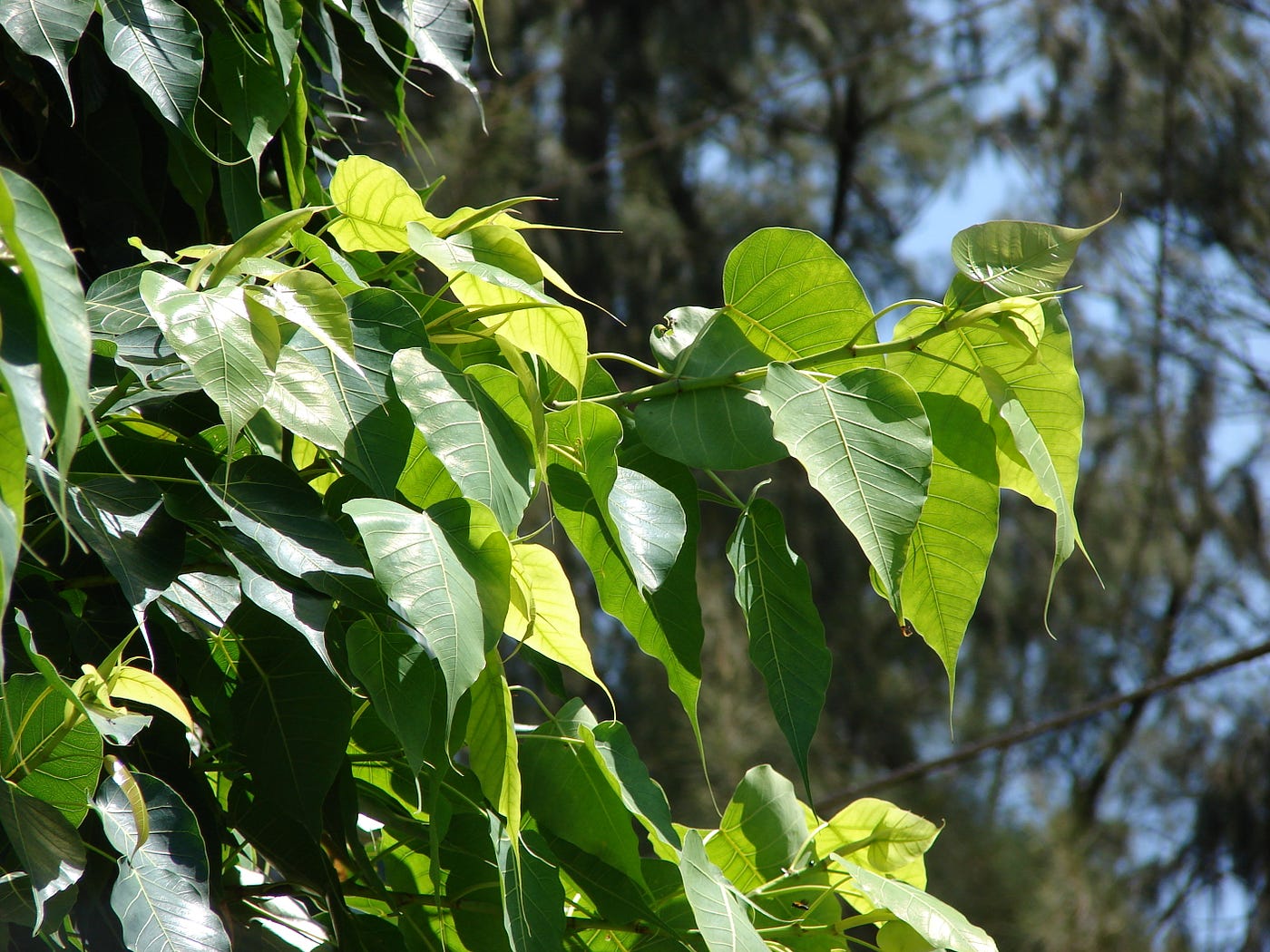
Peepal Tree
The Peepal tree has been one of the most revered trees in Hindu culture since ancient times.
Associated with Nakstra Pusya, and the deity Guru Brihaspati, the sacred fig tree provides:
- Shade and cool purified air.
Additionally:
- Peepal fruits feed wildlife throughout much of the year.
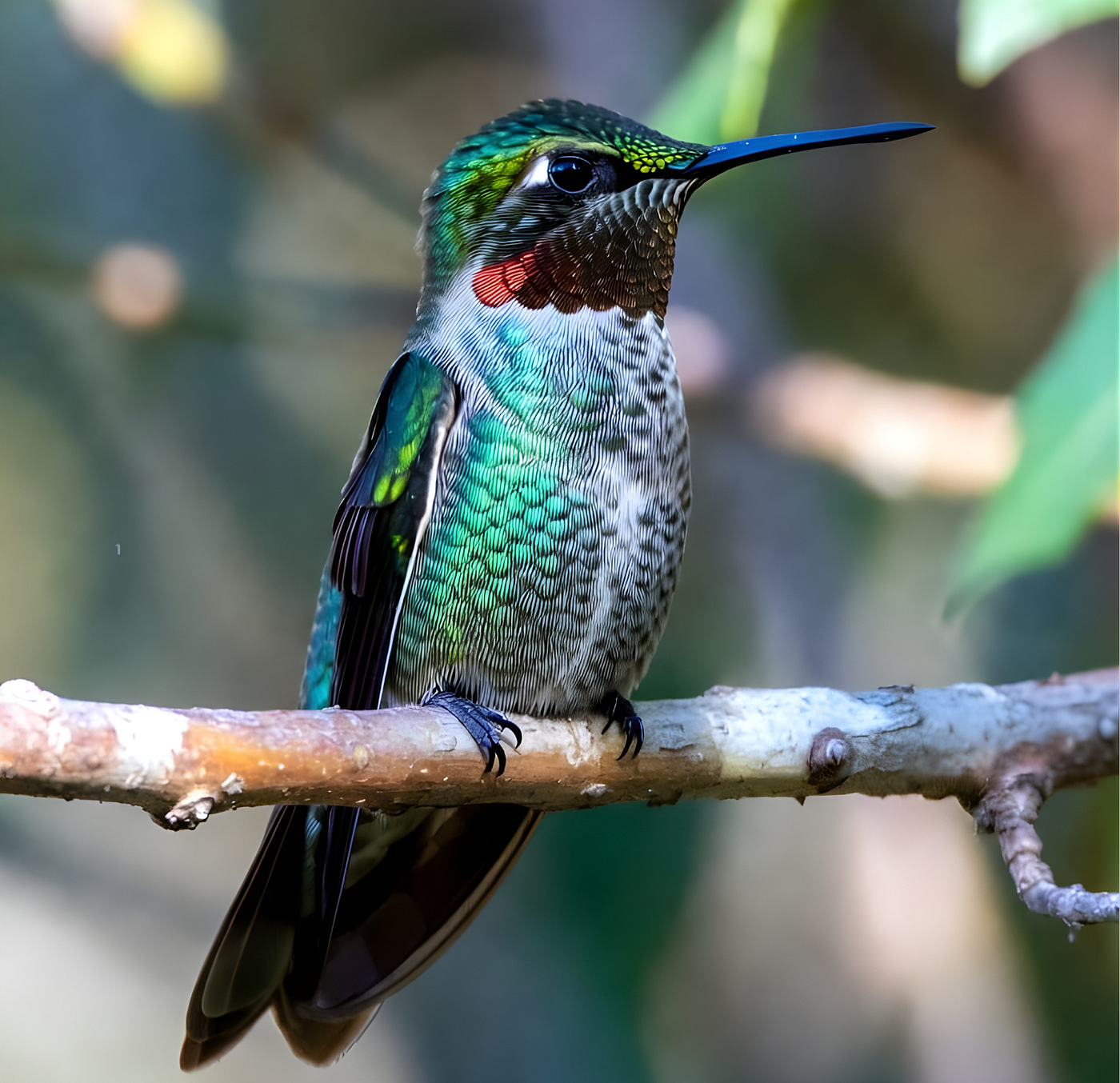
- Birds congregate around mature Peepals.
- They regenerate forests by attracting seed-dispersers.
- Insects thrive within them
- They are a home to epiphytes (plants that grow on other plants without harming them)
- They can support entire miniature ecosystems
- Villages naturally formed around large Peepal trees because these trees provided shade and served as social gathering places.
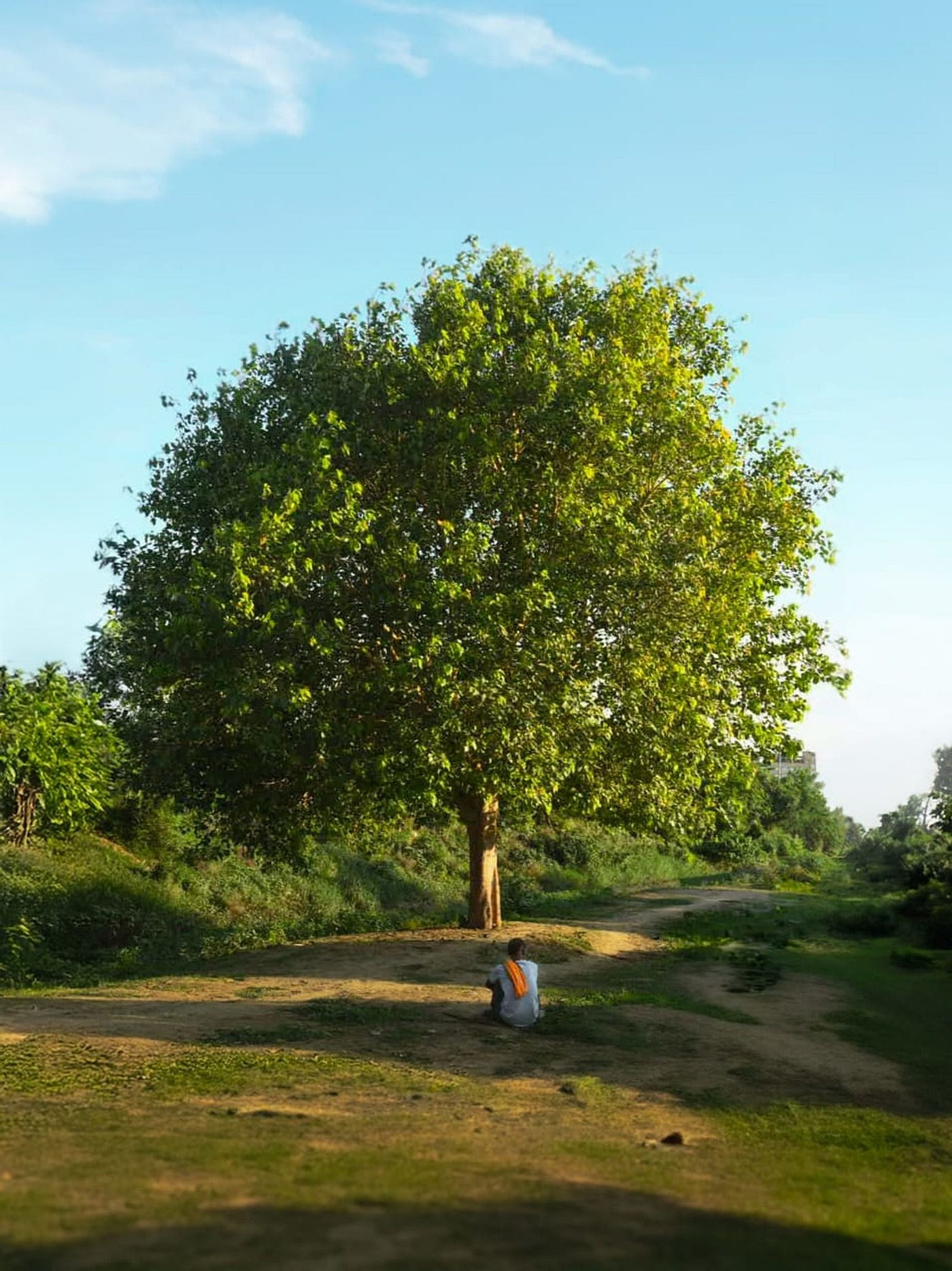
How a Peepal tree invites People
This tree of wisdom is symbolically associated with:
- Longevity
- Shelter
- Nourishment
- Growth
- Wisdom
- Protection
- Spiritual development
Long before Buddhism, Vedic sages were said to meditate beneath Peepal trees.
Siddhartha Gautama attained enlightenment beneath a Peepal (the Bodhi Tree).
Hindu ascetics often meditated beneath Peepal trees.
Many gurukulas traditionally had sacred trees as gathering places.
And have you ever noticed how Peepal leaves dance with the breeze? — That’s enough to soothe a tired mind.
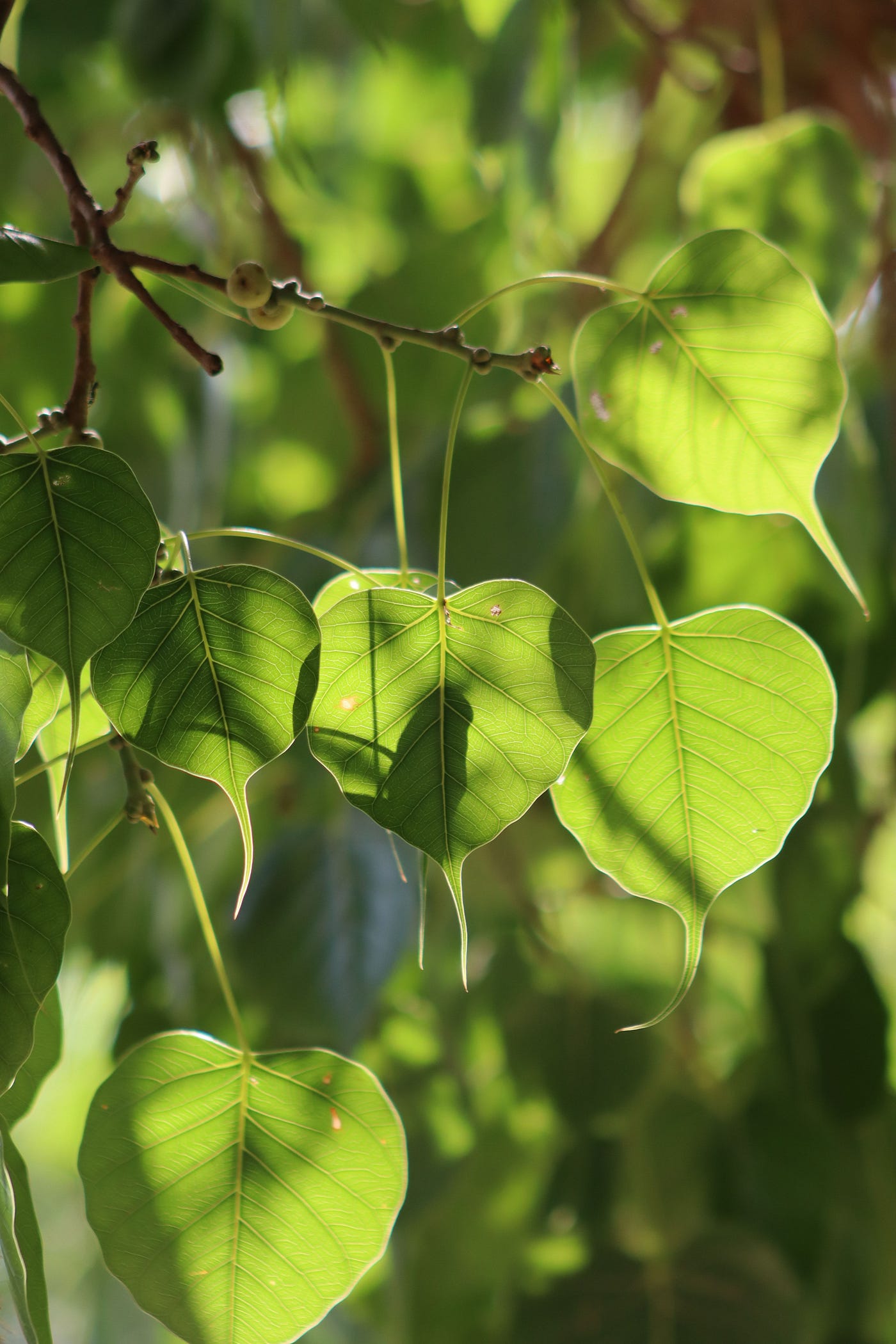
Gentle Peepal Leaves
And the trees can live for hundreds of years!
அரச மரம் or Arasa Maram in Tamil, means
அரசு (Arasu) — Peepal / Sacred Fig
மரம் (Maram) — Tree
The word “Arasu” (அரசு) is also related to “king” or “royalty” in Tamil, reflecting the tree’s revered status in South Indian culture. 🌳
Ayurveda
Belonging to Vata Kula in Ayurveda,
The Ashwattha tree, or Peepal tree, is well known for its wound healing, memory enhancing, fertility improving and absorbent properties.
In fact, steam bark, root, tender shoots, leaf, fruit and milk — all are used for medicinal purposes.
Some issues it is widely known for:
- Wound healing
- Ulcers
- Cough
- Nausea and vomiting
- Diarrhoea
- Complexion improvement
- Menstrual irregularities
- Sexual potency
Medicinal Properties
- Rasa (Taste): Kashya (Astringent), Madhura (Sweet)
- Guna (Qualities): Guru (Heavy), Ruksha (Dry)
- Vipaka: Katu (undergoes pungent taste after digestion)
- Veerya (Potency): Sheeta (Cold)
- Karma: Kaphapitta shamaka (reduces vitilates kapha pitta dosha)
No adverse effects have been reported after normal use of Ashwattha.
But it is to be noted that the Ashwattha tree is medicinal and is not recommended for daily or normal consumption because it is also:
- Durjara: Hard to undergo digestion
- Not good for those with constipation.
- And its leaves contain a high amount of tannic acid.
Ashwattha Tree is also helpful for Yonishodhana — cleansing the uterus.
And apparently! Its fruits can be consumed? 😮 — it purifies blood, strengthens the heart and is good for vitilated Kaphapitta dosha
But please exercise caution and refer to your family physician before experimenting!
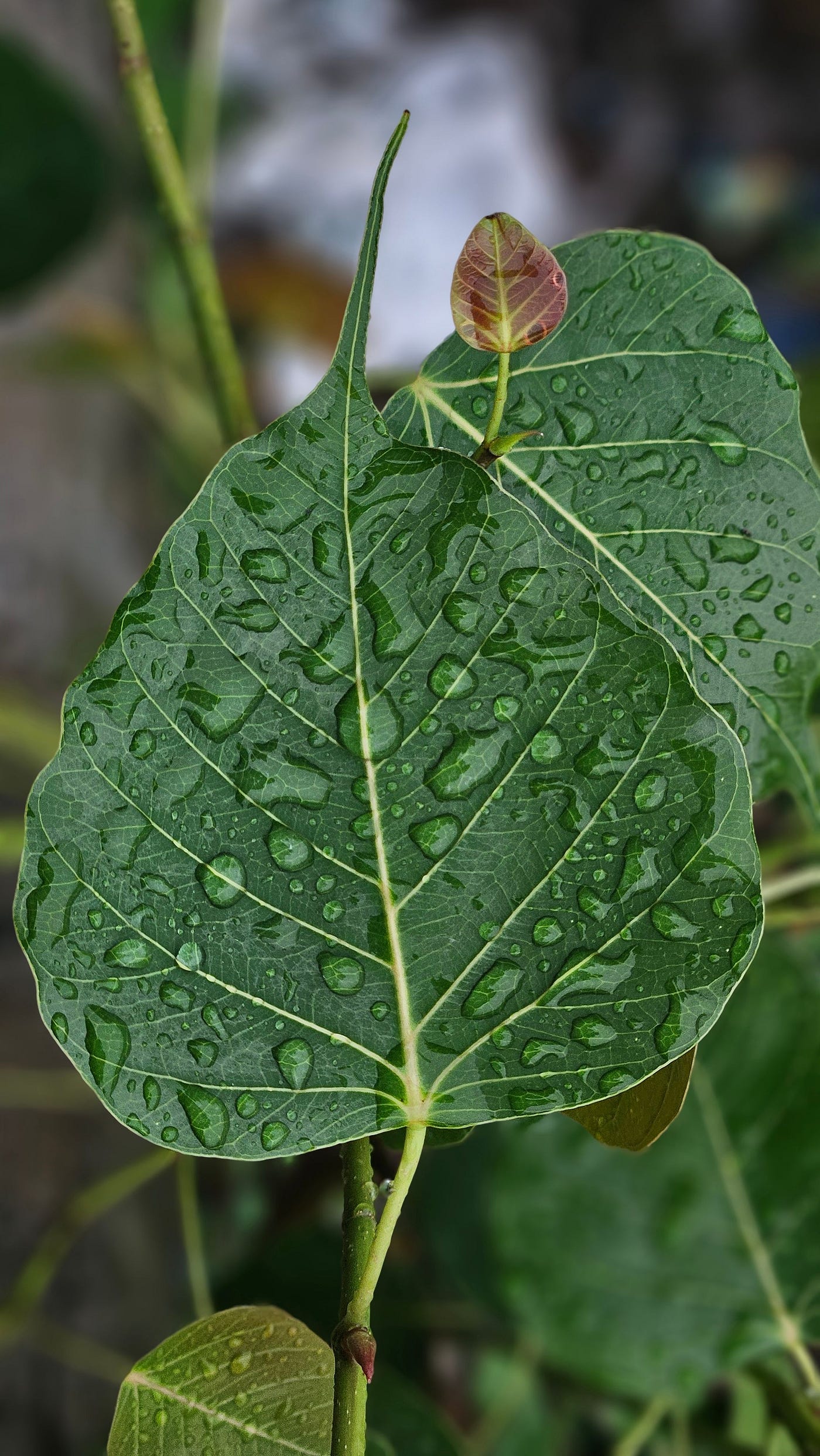
An Ashwattha Leaf
A great paper to come back to is the anti-microbial and pharmacological effects of Ashwatha or Peepal tree. The tree is also studied for its Anti-Parkinsons and Anti-Diabetic properties.
Sidha
Called Nandukal or Nandukkal.
- (From all I could find: Similar in effects and properties as Ayurveda)
Peepal Tree Vastu
Hindu culture holds that Lord Shani lives in the peepal on Saturdays and Lord Vishnu on Thursdays. The peepal tree is sacred; however, it is advised not to be planted within the house.
This may be because the peepal tree will grow to be enormous and fracture and demolish underground pipes, walls, and foundations in a few years. Additionally, the tree is home to insects, birds, and bats — all of which are undesirable visitors to the house.
Worship
In Vastu and Hindu tradition, it is highly auspicious to visit and worship a peepal tree at a temple, park, or on the side of the road. Offering water while circling the peepal three, seven, or 108 times (pradakshina) absolves sins and draws benefits.
On Saturdays, light a mustard oil lamp at the base of the Peepal, relieves Shani dosha; on Thursdays, Vishnu’s Day, the Peepal tree is presented with yellow flowers.
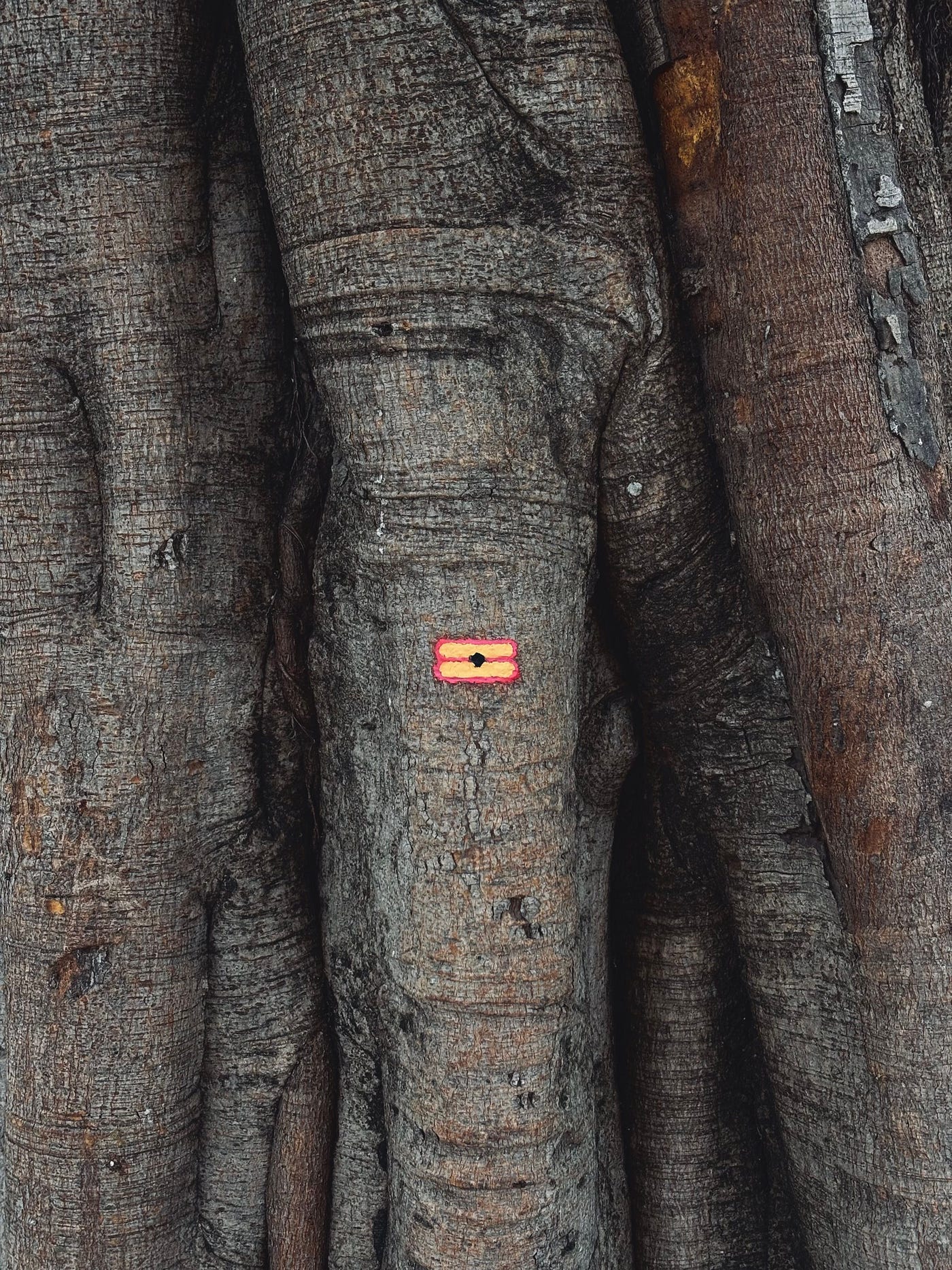
Minimal shringar: Tilak on Ashwattha Tree
References:
Dr. JV Hebbar, MD Ayurveda; Website: Easy Ayurveda, Bodhi Tree: Ficus Religiosa, Uses, Research, Remedies, Side Effects; 2017. Link
Website: VedicBirth, Peepal Tree Vastu: Sacred to Worship, Forbidden to Plant at Home; 2026. Link
PS: Another Interesting read to come back to is Link
메타데이터
- post_id
- f8a266f5cffb
- slug
- ficus-religiosa-the-sacred-peepal-tree-f8a266f5cffb
- url
- https://medium.com/@laksh.rampal/ficus-religiosa-the-sacred-peepal-tree-f8a266f5cffb
- canonical_url
- https://medium.com/@laksh.rampal/ficus-religiosa-the-sacred-peepal-tree-f8a266f5cffb
- author_url
- https://medium.com/@laksh.rampal
- status
- ok
- fetched_at
- 2026-07-07 00:45:30