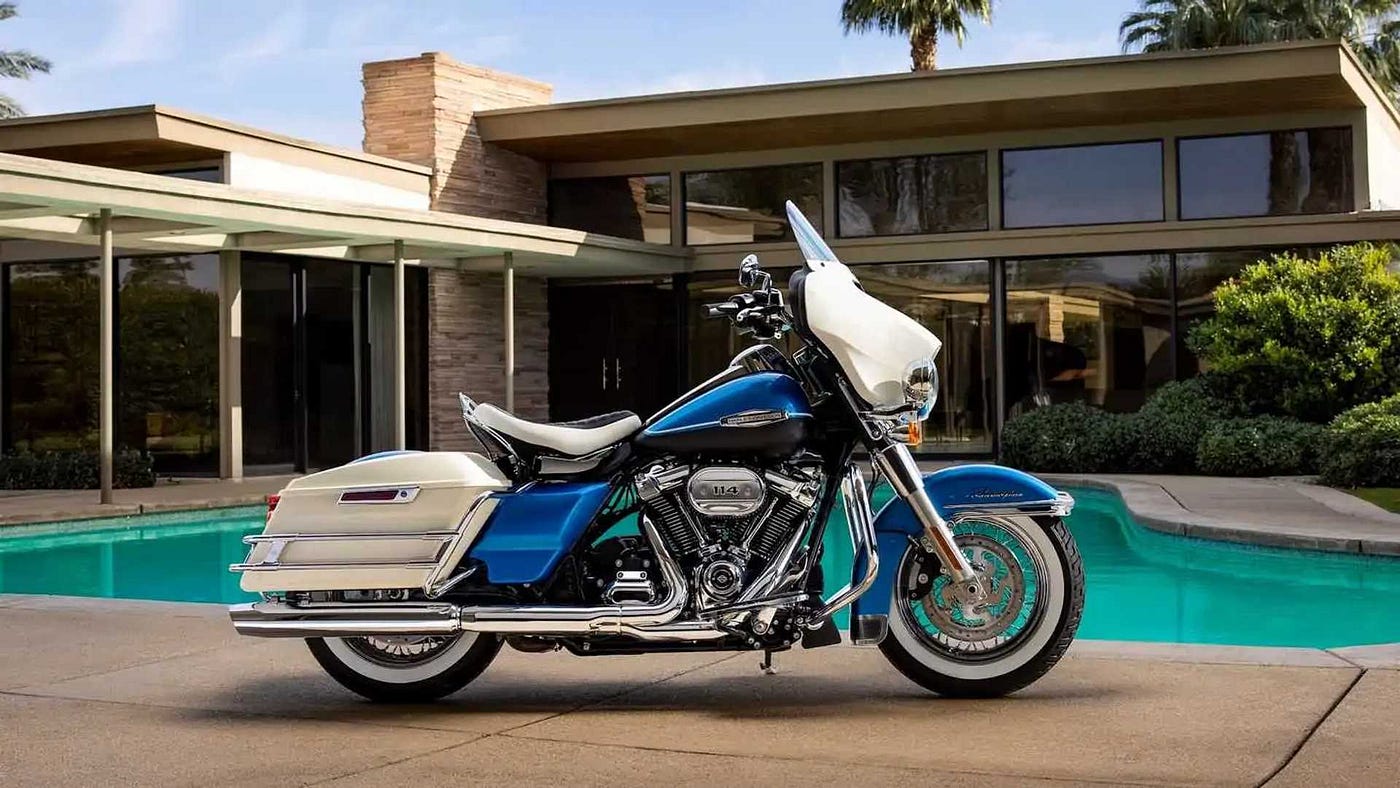
Importing and Restoring a Classic Vehicle
Importing a vehicle is always very exciting. I’ve done this many times, and most of the time, it is with vehicles I’ve ridden and driven…
Importing and Restoring a Classic Vehicle


Importing a vehicle is always very exciting. I’ve done this many times, and most of the time, it is with vehicles I’ve ridden and driven overseas before shipping them back. And every time I break the seal of the container and open it, there is a sense of excitement like getting a new car and trying it for the first time.
Perhaps, the excitement comes from revealing the “unknown”. Like the Schrödinger’s cat, opening the container is like the the absurdity of quantum superposition when applied to everyday objects — in the long voyage across the ocean, you wonder what is damaged, what else is there is the container, or what went missing…

However, most of the time, what enters the container, comes out the same way. All the worries and anxiety is over when you see the vehicles.
Buying a vehicle overseas is the easy part. You can buy a vehicle on eBay, Autotrader, Cycletrader and tons of other website direct. You can visit the country and simply get one from a dealership.
===================================================
In many countries, rules to import and register classic vehicles is less that importing new vehicles, and as classic vehicles can be cheaper (as they are used), it also cost less to own them.
In Singapore, a classic vehicle is one that is more than 35 years old. On the classic vehicle scheme, a vehicle can be driven or ridden for 45 days a year. The road tax is $280 a year. You also pay much less in insurance and in the case of a motorcycle, it is $54.50 a year. When you register the vehicle, the COE you pay to is 10% PQP which is only 10% cost of the COE compared to a new car.
There are many benefits when in comes to own a classic vehicle, so do your research.
===================================================
Some tips on buying a vehicle to import.
- You need a proper Bill of Sale or a commercial Invoice. This is one item where customs will ask.
- Make sure the vehicle has a Title. Many owner of classic vehicles overseas do not have titles as in some countries or states, it is not required. A Title is required for import.
- Check the chassis number and engine number. Make sure they match the title. (Some of the titles are so old and they do not follow the normal convention of the chassis number, and this must be corrected and a new title has to be issued or there will be problems when importing or registering in another country.
- Try to use someone physical to view the motorcycle for you. There are scams everywhere. Facebook Ads, Craigslist and many other free sites all have scammers. They will show you a nice bike that does not exist, ask you for a deposit and disappear.
===================================================
Choosing a shipper.
There are many kinds of shipping companies that deal with logistics. Only some deal with vehicles.
Out of those that deal with vehicles, only some know how to ship overseas. Picking a shipper is very important as improper documentation, a slow BL, or anything out of the ordinary will mean a delay in releasing of cargo by customs.
Make sure you pick one that can:
Pick up your vehicle at your designated location. (they will engage a tow truck for you to ship to their warehouse at the port, place it in the container, secure the cargo to export)
If they cannot pick up your vehicle, shipping it to them on a tow truck you engage may also mean they do not have experience loading it in the container.
Don’t just go for the cheapest. A good shipping company is something you cannot save on. They will pack the vehicles securely for shipping and work with you on the paperwork for export.
Choosing a Clearance Agent
An international shipper does not mean they know how to clear the cargo in your country. They often work with local shipping agents to do that.
When importing a vehicle, how it is declared, how it they pay taxes will affect your registration process. Some good logistics company know how to ship goods, but when it comes to vehicles that needs to be registered, they do not know the process to help you with the paperwork.
In Singapore, getting the DOF — Declaration of Facts — when you import the vehicle is the most important part. The customs agent will ask all sorts of questions, and when your clearance agent cannot answer, and if you are new to the process, your cargo is guaranteed to be delayed. Each day of delay will incur a demurrage fee, which can quickly add up.
Not all clearance agents are the same, and not all customs officers know the whole process. When both sides are unsure, delays happen — you pay more.
===================================================
When the vehicles clear customs, you need a location to store the vehicles. They cannot be stored at street parking as they do not have a valid license plate, so it needs to be in a workshop or private residence. When you have a location for your vehicle, restoration work can begin.


Strangely, when you have the motorcycle and everything looks nice and shiny, being 1 month on the container ship, and the humidity of tropical weather does wonderful things to the motorcycle.
This motorcycle was rust free, and just a few days in Singapore, rust appear.
So in my process of restoration, the rust will be removed. I’ll share the process next time as I work on the motorcycle now.
메타데이터
- post_id
- f8bac809b5e7
- slug
- importing-and-restoring-a-classic-vehicle-f8bac809b5e7
- url
- https://medium.com/@robinlow/importing-and-restoring-a-classic-vehicle-f8bac809b5e7
- canonical_url
- https://medium.com/@robinlow/importing-and-restoring-a-classic-vehicle-f8bac809b5e7
- author_url
- https://medium.com/@robinlow
- status
- ok
- fetched_at
- 2026-06-26 21:52:29