Chat Is an Interface Too
I was sketching out an interface for a work project when, at some point, I realized I had spent a while describing in words things that had…
Chat Is an Interface Too
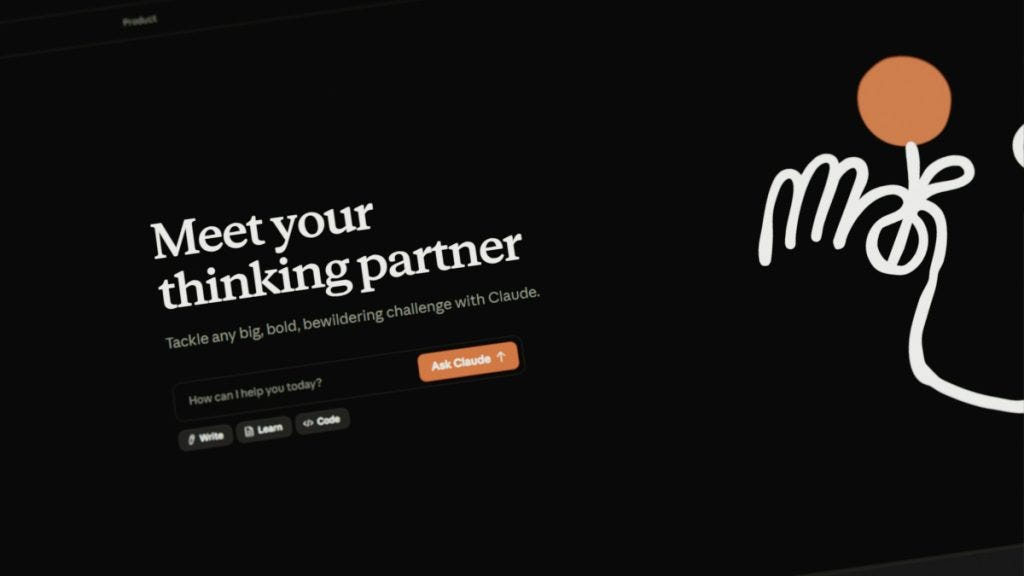
I was sketching out an interface for a work project when, at some point, I realized I had spent a while describing in words things that had always been visual before. And that’s when it hit me:
hm, I’m using an interface through language.
When you open a chat you don’t think of it as an interface. You see something graphical, you see messages, it looks like a regular messenger. But the moment you start designing inside it, things shift. We think conversational interfaces are new, but the CLI (command line) has been working this way for decades — you type a command, the system responds, you iterate.

What Siri added was voice and more natural language, but the pattern is the same: formulate your need clearly and direct the flow.
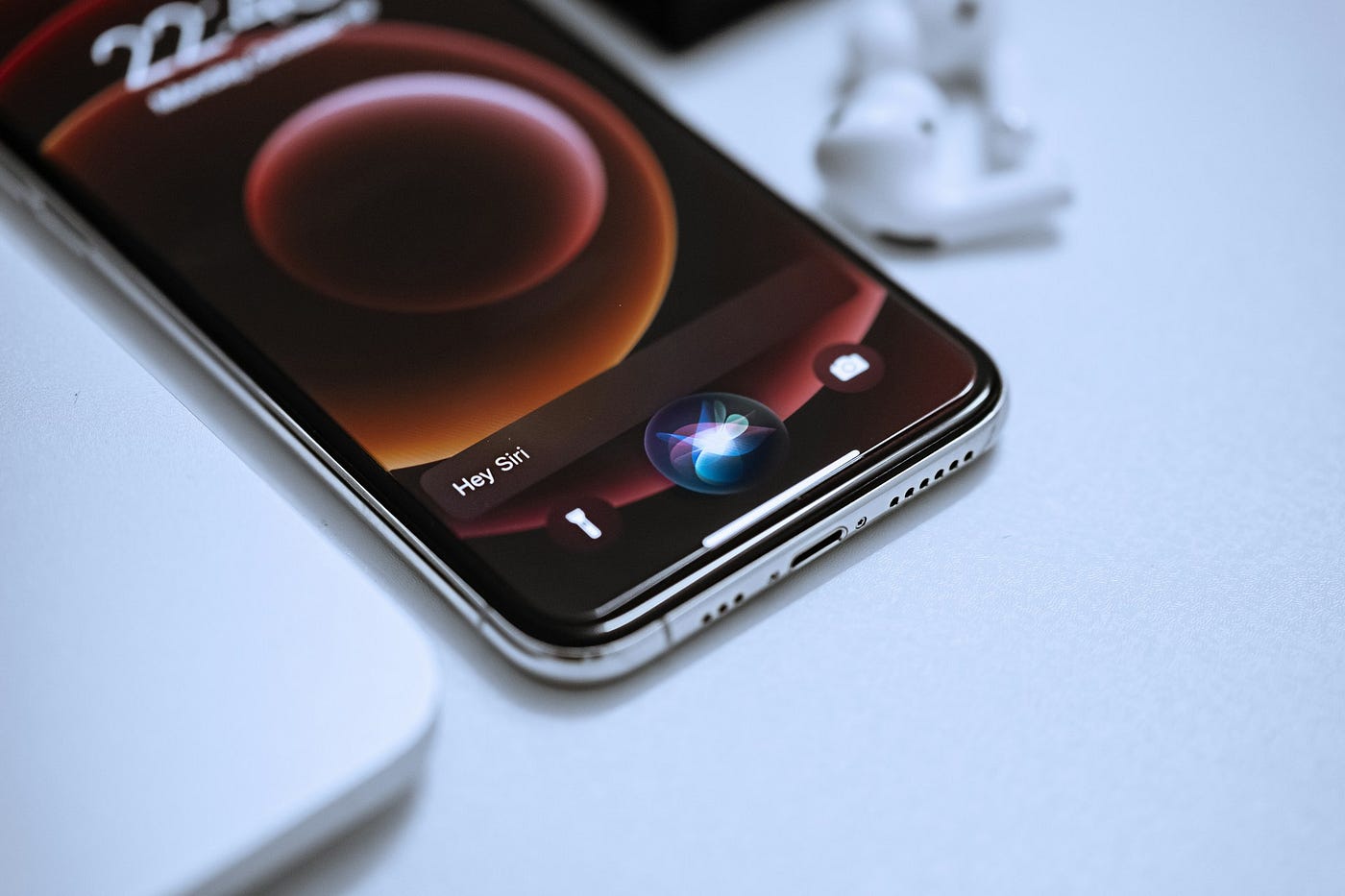
Omid Armin, unsplash.com (Siri)
The fear of the blank page
Blank pages frustrate me. Sometimes I have that fear of starting — whether on paper or directly in Figma — so I’d rather get distracted for a bit and start designing in my head. I imagine different options for what an interface could look like, and references help a lot there (inspiration for a UI doesn’t always come from other graphic UIs). That’s how the work used to start. Now I can merge that mental design phase with the chat, because
the visualizing part and the references part come together in the same place.
AI makes that transition much smoother and faster. What I have to do is start imagining, generate a first sketch, and work from there — refining imperfections, developing the idea.
Words are the new canvas
Sometimes it surprises me how well AI reads my mind. But it’s not magic. The interface is conversational, and that means the better you describe what you need, the better the result. It’s a skill. And I think we’re all gradually learning how to do it. In fact, in my book I dedicated a good amount of space to an honest glossary, precisely for this kind of thing — beyond communicating well within a team, communicating well with AI, because in the end we have to name things with words, and those words are often technical or specific to what we’re designing.
I also like working on something that isn’t perfect.
It’s actually a plus, because what I do is iterate and iterate — improving, adding detail, removing errors, cleaning up. That’s exactly the process I have with conversational design tools like Claude or Figma Make. I find it easy to use. The only difficulty is in naming things well.
Knowing how to express yourself, a soft skill that now carries more weight
We’ve been using conversational interfaces for years without calling them that. What changes now is that we also design inside them. And that turns something that was always a soft skill — knowing how to talk, knowing how to express yourself — into an ability that directly influences the outcome of the work. In design, that’s not a small thing. It makes the process of going from what you imagine to what you see much easier. And I see a lot of potential in that.
메타데이터
- post_id
- f8ccb69a3bcb
- slug
- chat-is-an-interface-too-f8ccb69a3bcb
- url
- https://medium.com/@kavita.ux.design/chat-is-an-interface-too-f8ccb69a3bcb
- canonical_url
- https://medium.com/@kavita.ux.design/chat-is-an-interface-too-f8ccb69a3bcb
- author_url
- https://medium.com/@kavita.ux.design
- status
- ok
- fetched_at
- 2026-06-26 21:52:29