ABA Therapy in Raleigh, NC: Transitioning from Pre-school to Elementary for Children with Autism
From preschool to elementary in Raleigh, NC: ABA therapy, school collaboration, and a simple timeline to help children start strong.
ABA Therapy in Raleigh, NC: Transitioning from Pre-school to Elementary for Children with Autism
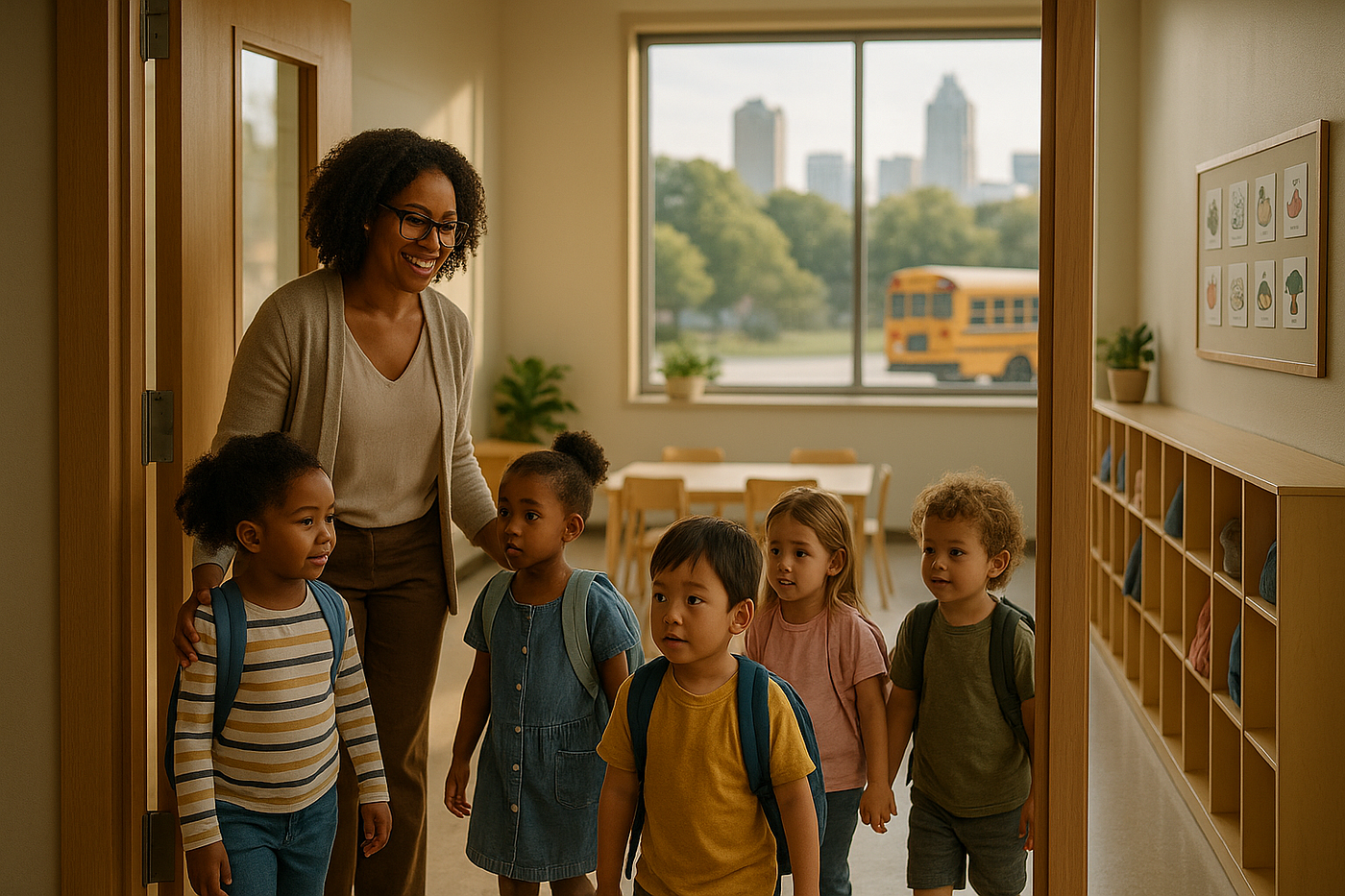
Families across Raleigh know that the move from preschool to elementary school is a big leap — new teachers, larger classrooms, and more independence. For children on the autism spectrum, the right support plan makes all the difference. This guide explains how ABA therapy in Raleigh prepares young learners for kindergarten and first grade, and how to collaborate with Wake County Public Schools for a confident, calm transition.
Why the preschool-to-elementary transition matters
Kindergarten introduces structured routines, longer seatwork, and group learning. Children are expected to follow multistep directions, communicate needs, and self‑advocate. With Applied Behavior Analysis (ABA), we break those expectations into teachable skills so kids can thrive in Raleigh classrooms from North Hills and Five Points to Brier Creek and Glenwood South. Many families search for “best ABA therapy in Raleigh for kindergarten readiness” because targeted practice before school starts reduces problem behavior and anxiety.
Skills ABA therapy builds for school readiness
Functional communication: ABA teaches requesting help, asking for a break, and initiating peer play. Strategies like Functional Communication Training (FCT) ensure a child knows what to say or show instead of engaging in challenging behavior.
Following routines: Using visual schedules and task analyses, BCBAs help children transition between centers, specials, and lunch mirroring Wake County school routines.
Group learning: Small‑group instruction and social skills groups in Raleigh practice turn‑taking, waiting, and listening to the teacher.
Self‑management: Children learn to check schedules, use calm‑down choices, and earn reinforcement for completing work.
Early academics as behavior: ABA breaks early literacy and math tasks into small steps, pairing work with engagement so kids experience success.
In‑home, clinic, and community support across Raleigh
Families benefit from flexible settings: in‑home ABA therapy in Raleigh, clinic sessions for structured learning, and community practice in parks, libraries, and after‑school programs. Many providers also serve nearby communities such as Cary, Morrisville, Garner, and Knightdale. Blending environments helps generalize skills to the places your child will actually use them hallways, cafeterias, playgrounds, and bus lines.
Partnering with your school team (IEP/504)
Strong collaboration with schools makes the transition smoother. Experienced BCBAs in Raleigh coordinate with teachers, exceptional children (EC) staff, and school psychologists to align strategies.
- IEP/504 Planning: Bring recent ABA goals and progress data; ask how they map to classroom expectations. Consider supports like preferential seating, visual schedules, or movement breaks.
- Behavior Intervention Plan (BIP): If behavior interferes with learning, your BCBA can share functional assessment results and proactive strategies that already work at home or in clinic.
- Data sharing: Agree on simple measures (e.g., independent work minutes, transitions without prompts) so everyone sees progress.
- Parent advocacy: ABA providers can coach you on questions to ask during meetings and how to request trial accommodations.
A Raleigh‑specific timeline for a calm start
4–6 months before school:
- Schedule a kindergarten readiness consult with your Raleigh ABA clinic or BCBA near you.
- Begin a school‑skills program: sitting for short intervals, group circle time, simple classroom routines.
- If relevant, start toilet training or lunchroom practice (opening containers, cleaning up).
2–3 months before school:
- Visit your assigned school; practice drop‑off, walking routes, and the cafeteria.
- Share a one‑page student profile with teacher preferences, reinforcers, and calm‑down strategies.
- Request an IEP review if goals need to reflect kindergarten expectations.
1–2 weeks before school:
- Shift wake‑up/bedtime toward the school schedule.
- Practice the morning routine with a visual checklist.
- Prepare a calm‑down kit (noise‑reducing headphones, fidget, visual break card) if permitted.
Choosing an ABA provider in Raleigh, NC
When families search “ABA therapy near me Raleigh NC” or “BCBA in Raleigh for school transition,” look for:
- Board‑Certified Behavior Analysts (BCBAs): Ask about experience with school collaboration and IEP/BIP planning.
- Setting options: Clinic + in‑home + school consultation for generalization.
- Individualized goals: Kindergarten‑ready skills (following group directions, lining up, independent work, peer play).
- Parent training: Ongoing coaching so routines stick at home.
- Insurance support: Help with authorizations (including Medicaid ABA in Raleigh and major commercial plans).
- Location & hours: Convenient access if you live in Village District, Downtown Raleigh, Midtown/North Hills, Brier Creek, or surrounding suburbs.
Long‑tail topics families ask (and ABA can address)
- How do I prepare my child with autism for kindergarten in Raleigh?
- What’s the difference between clinic‑based and in‑home ABA for school readiness?
- Can ABA therapists attend IEP meetings in Wake County schools?
- Is there ABA therapy for toddlers in Raleigh that grows into school support?
- Where can we find social skills groups in Raleigh NC before kindergarten?
Sample day in a school‑readiness ABA program
- Arrival routine: Backpack away, schedule check, greeting.
- Circle time practice: Whole‑group responding, answering “wh‑” questions, raising hand.
- Independent work: Short tasks with visual supports; reinforcement on a predictable schedule.
- Play + peer goals: Structured play dates or small‑group sessions.
- Transitions: Timers and visual countdowns for moving between activities.
- Parent coaching: End‑of‑day debrief with at‑home practice goals.
The bottom line for Raleigh families
With the right plan, your child can step into kindergarten ready to learn and connect. ABA therapy in Raleigh provides the communication, routine, and self‑management skills that teachers value — and that help children feel successful from day one. Whether you need in‑home ABA in Raleigh, a structured ABA clinic near North Hills, or school collaboration anywhere in Wake County, support is available.
Next step: Schedule a free readiness consult with a Raleigh BCBA to build a personalized transition plan before the first bell rings.
메타데이터
- post_id
- f91d101a154d
- slug
- aba-therapy-in-raleigh-nc-transitioning-from-pre-school-to-elementary-for-children-with-autism-f91d101a154d
- url
- https://medium.com/@ashtonkusher/aba-therapy-in-raleigh-nc-transitioning-from-pre-school-to-elementary-for-children-with-autism-f91d101a154d
- canonical_url
- https://medium.com/@ashtonkusher/aba-therapy-in-raleigh-nc-transitioning-from-pre-school-to-elementary-for-children-with-autism-f91d101a154d
- author_url
- https://medium.com/@ashtonkusher
- status
- ok
- fetched_at
- 2026-06-28 10:39:35




