Oil Wealth Without Rights: The Paradox of Cabinda’s Resources
How One of Africa’s Richest Oil Regions Remains Trapped in Poverty, Silence, and Political Invisibility
Oil Wealth Without Rights: The Paradox of Cabinda’s Resources

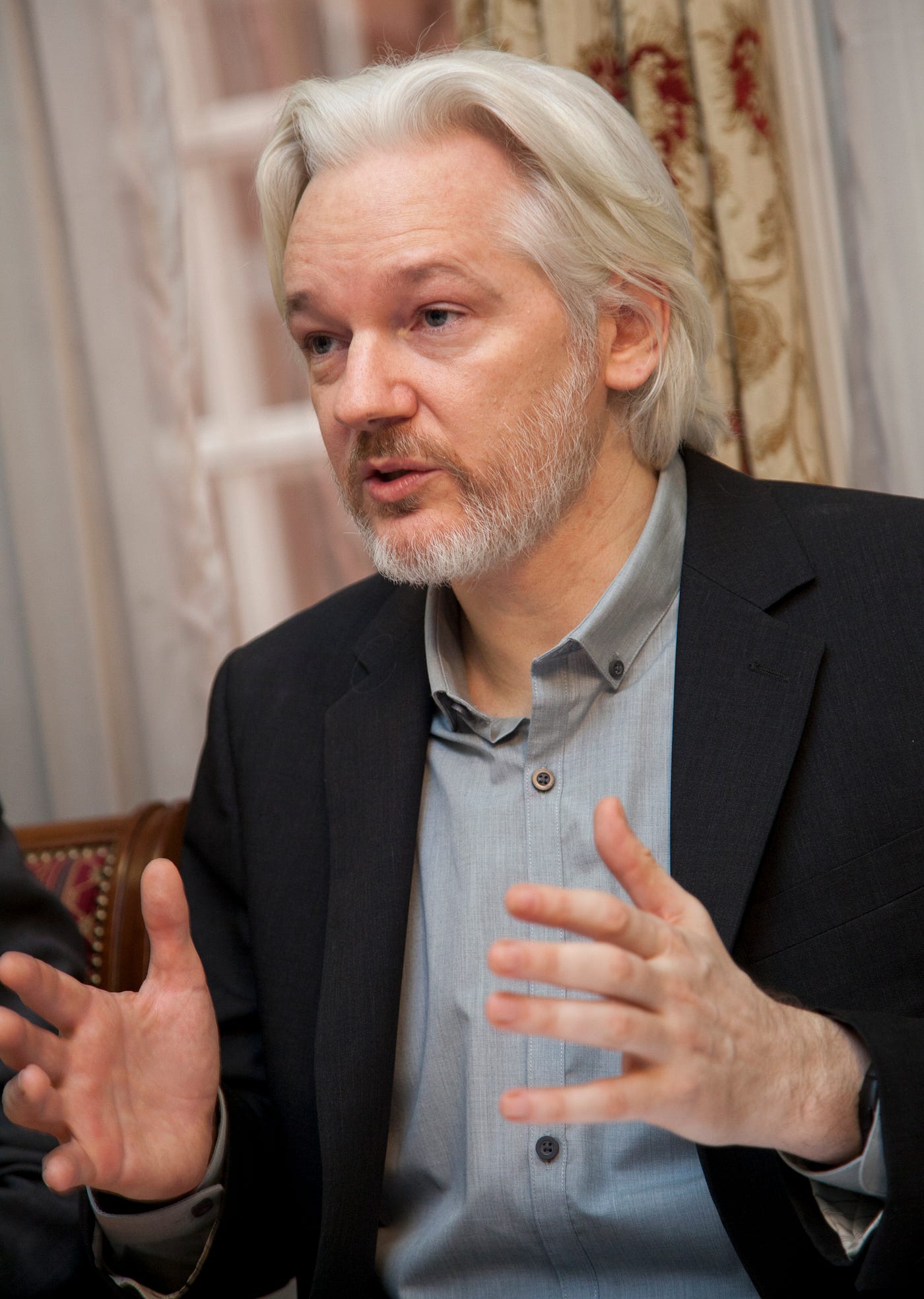
Oil wealth behind him. Silence around him. A reality Cabinda can’t afford to ignore.
How One of Africa’s Richest Oil Regions Remains Trapped in Poverty, Silence, and Political Invisibility
Cabinda, a small territory between the Democratic Republic of the Congo and Congo-Brazzaville, produces the majority of Angola’s offshore oil. Yet its people live without meaningful political rights, economic participation, or international recognition.
This article explores the paradox of Cabinda’s oil wealth, the systematic marginalization of its population, and why the world must urgently pay attention to one of Africa’s most overlooked self-determination struggles.
The Invisible Crisis Behind Africa’s Oil Boom
When the world talks about African oil, the conversation often centers on Nigeria, Angola, or Equatorial Guinea. What rarely makes global headlines is the tiny but strategically vital territory of Cabinda — a region that supplies an enormous share of Angola’s petroleum wealth yet receives little benefit in return.
Cabinda is one of the most oil-rich territories per square kilometer in the world, producing billions of dollars annually. Still, for decades, its people have lived under heavy militarization, restricted freedoms, and an almost total exclusion from decision-making about their own resources.
This is the paradox of Cabinda: abundant oil wealth combined with the absence of basic human rights.
A Territory Rich in Oil, Poor in Freedom
To understand the Cabinda paradox, one must first understand the numbers.
- Cabinda generates over half of Angola’s offshore crude production.
- Major international oil companies — Chevron, TotalEnergies, ExxonMobil — operate in its waters.
- Global markets depend on Cabinda crude, especially the world-famous “Cabinda Blend.”
Yet Cabindans themselves remain stuck in a cycle of neglect and repression.
Local communities face:
- Limited access to healthcare and education
- High unemployment despite massive oil revenues
- Minimal infrastructure development
- Severe restrictions on freedom of expression and political organization
- A widespread military presence controlling daily life
This contradiction exposes a fundamental injustice: the region that fuels a nation does not fuel its own development.
A Struggle Silenced: Why the World Rarely Hears About Cabinda
Cabinda’s situation is rarely discussed internationally — not because it is unimportant, but because it is strategically inconvenient.
Angola is a powerful oil exporter. International corporations have deep economic ties with the Angolan state. Every actor benefits from silence — except the Cabindan people.
Topics like self-determination, autonomy, or independence are often dismissed, even though Cabinda has:
- A distinct historical identity
- A separate colonial treaty (Treaty of Simulambuco, 1885)
- A long-standing claim for self-governance
- A diaspora advocating globally for recognition
The problem is not lack of legitimacy — it’s lack of visibility.
Oil Without Rights: The Human Cost
Behind the geopolitics lies a human tragedy.
Many Cabindans experience:
- Arbitrary arrests and intimidation
- Forced displacement due to military operations
- Fear of speaking publicly about political issues
- Barriers to economic participation in their own oil sector
The wealth that flows from Cabinda does not trickle down — it is exported offshore, leaving the people with little more than environmental pollution and military checkpoints.
Why the World Should Care Now
In an era where global attention is shifting toward resource justice, human rights, and energy transition, Cabinda’s case is no longer a regional issue — it is a global one.
The Cabinda situation intersects with major global topics:
- Human rights violations in resource-rich regions
- Corporate accountability in oil extraction
- Self-determination movements suppressed by states
- The fight for indigenous land rights
- Environmental exploitation without consent
Ignoring Cabinda means ignoring one of the clearest examples of how natural wealth can be used to silence, rather than empower, a people.
The Path Forward: Global Awareness Is the First Step
Cabinda does not need pity — it needs visibility.
The people of Cabinda deserve:
- A platform to tell their story
- International attention to their demands for rights
- Pressure on governments and corporations to respect human dignity
- A future where oil wealth benefits local communities, not just elites and foreign companies
As long as Cabinda remains invisible, nothing will change. But once the world starts paying attention, silence becomes impossible.
The World Must Not Look Away
Cabinda stands as one of the clearest examples of the global injustice where natural resources enrich everyone except the people who live on the land.
The paradox of Cabinda’s oil wealth is not just an African issue — it is a human rights issue, an economic justice issue, and a global accountability challenge.
By amplifying the Cabinda case, we help dismantle the silence that has protected injustice for far too long.
메타데이터
- post_id
- f92bc4e4f07c
- slug
- oil-wealth-without-rights-the-paradox-of-cabindas-resources-f92bc4e4f07c
- url
- https://medium.com/@cabindavoices/oil-wealth-without-rights-the-paradox-of-cabindas-resources-f92bc4e4f07c
- canonical_url
- https://medium.com/@cabindavoices/oil-wealth-without-rights-the-paradox-of-cabindas-resources-f92bc4e4f07c
- author_url
- https://medium.com/@cabindavoices
- status
- ok
- fetched_at
- 2026-08-11 02:31:59