The Biggest Mistakes People Make When Making Crispy Smashed Potatoes
Crispy smashed potatoes have become one of the most popular side dishes on social media — and for good reason. When made correctly, they…
The Biggest Mistakes People Make When Making Crispy Smashed Potatoes
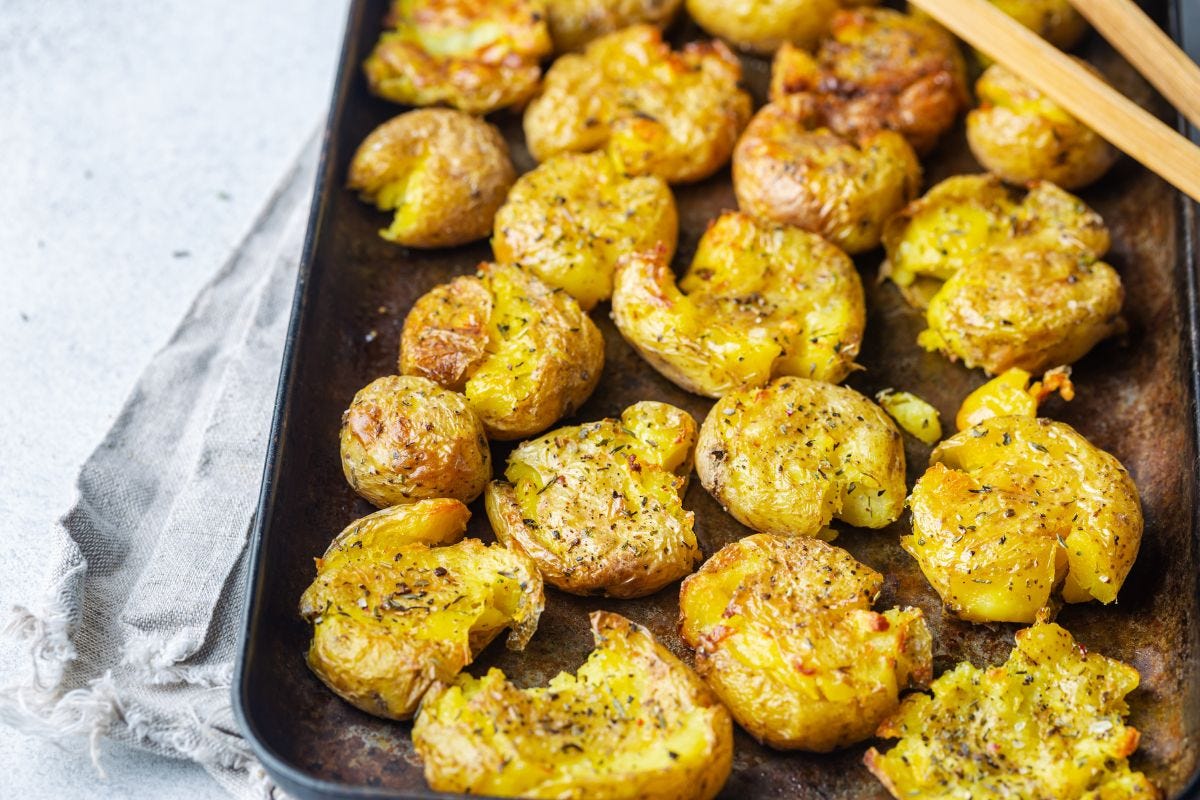
Crispy smashed potatoes have become one of the most popular side dishes on social media — and for good reason. When made correctly, they offer the perfect combination of a crunchy, golden-brown exterior and a soft, fluffy center. They pair well with everything from grilled chicken and steak to vegetarian mains, making them a versatile favorite for home cooks.
Yet despite their simple ingredient list, smashed potatoes can be surprisingly easy to get wrong. Many people end up with potatoes that are soggy, pale, or dry instead of irresistibly crispy. The good news? Most of these issues come down to a few common mistakes that are easy to fix.
Here are the biggest mistakes people make when making crispy smashed potatoes — and how to avoid them.
1. Choosing the Wrong Potato Variety
The type of potato you use has a major impact on the final result.
Many viral recipes use baby potatoes because they’re convenient, but not all baby potatoes are ideal for crispiness. Waxy varieties contain more moisture and less starch, which can make it harder to achieve crunchy edges.
For the best results, choose:
- Yukon Gold potatoes
- Yellow baby potatoes with moderate starch
- Small all-purpose potatoes
These varieties create a creamy interior while developing a crisp, golden crust in the oven.
2. Not Boiling the Potatoes Long Enough
One of the biggest mistakes is undercooking the potatoes before smashing them.
If they’re still firm in the center, they’ll crack apart instead of flattening evenly.
Boil the potatoes until a fork slides in easily with almost no resistance. Depending on their size, this usually takes 15 to 20 minutes.
Perfectly cooked potatoes flatten without falling apart, creating more surface area for crisping.
3. Skipping the Drying Step
Many people move the potatoes straight from boiling water to the baking tray.
This leaves excess moisture on the surface, which creates steam instead of crispiness.
Instead:
- Drain the potatoes well.
- Let them sit for 5–10 minutes.
- Allow steam to escape naturally.
Some cooks even return the drained potatoes to the warm pot for a minute or two to help evaporate remaining moisture.
The drier the surface, the crispier the final result.
4. Smashing Them Too Thin
It might seem logical that thinner potatoes become crispier, but flattening them too much often causes them to dry out or fall apart.
Aim for about ½ inch (1–1.5 cm) thick after smashing.
This thickness creates:
- Crispy edges
- Soft, fluffy centers
- Even cooking
Use the bottom of a sturdy glass, measuring cup, or potato masher to gently press each potato.
5. Using Too Little Oil
Oil is essential for achieving a crisp, golden crust.
Without enough oil, the potatoes may roast but won’t develop the rich color and crunch people expect.
Olive oil and avocado oil are excellent choices because they handle high roasting temperatures well.
Coat each potato evenly, paying special attention to the edges where crispiness develops first.
6. Using Too Much Oil
More oil doesn’t necessarily mean crispier potatoes.
Excess oil can leave the potatoes greasy and prevent the surface from crisping properly.
Instead of pouring oil directly onto the tray, lightly brush or drizzle it over each smashed potato for even coverage.
The goal is a thin coating — not a pool of oil.
7. Overcrowding the Baking Tray
This is one of the most common mistakes in home kitchens.
When potatoes touch each other, trapped steam prevents proper browning.
Always leave a little space between each potato.
If necessary, use two baking trays instead of squeezing everything onto one.
Better airflow equals crispier potatoes.
8. Baking at Too Low a Temperature
Low oven temperatures cook potatoes but rarely make them crispy.
For the best texture, roast at 220°C (425°F).
High heat encourages:
- Faster moisture evaporation
- Better caramelization
- Deep golden edges
- Crisp surfaces
If your oven has a convection setting, it can help circulate hot air more evenly for extra crunch.
9. Removing Them Too Early
Golden doesn’t always mean crispy.
Many people take the potatoes out of the oven as soon as they begin to brown.
Instead, wait until the edges become a deep golden brown with visible crispness.
Depending on the size of the potatoes, roasting usually takes 30–40 minutes.
For even more crunch, finish them under the broiler for the last 2–3 minutes, keeping a close eye to prevent burning.
10. Forgetting to Season at the Right Time
Seasoning only after roasting can leave potatoes tasting bland.
For the best flavor:
- Add salt before roasting.
- Sprinkle herbs and spices before baking.
- Finish with fresh herbs, Parmesan, or flaky sea salt after cooking.
Popular seasonings include:
- Garlic powder
- Smoked paprika
- Black pepper
- Rosemary
- Thyme
- Parmesan cheese
- Chili flakes
Layering flavors before and after roasting creates a more balanced taste.
Bonus Tips for Restaurant-Style Crispy Smashed Potatoes
If you want your potatoes to taste like they’re from a restaurant, keep these extra tips in mind:
- Preheat the baking tray so the potatoes start crisping immediately.
- Use parchment paper or a lightly oiled tray to prevent sticking.
- Flip halfway through roasting if you prefer crispness on both sides.
- Serve immediately, as smashed potatoes lose some of their crunch as they cool.
- Avoid covering them with foil after baking, as trapped steam softens the crispy surface.
These small adjustments can make a noticeable difference.
Frequently Asked Questions
Why aren’t my smashed potatoes crispy?
The most common reasons are excess moisture, overcrowding the tray, using too little oil, or baking at a temperature that’s too low.
Can I make smashed potatoes ahead of time?
Yes. Boil and smash the potatoes in advance, then refrigerate them. Roast them just before serving for the crispiest results.
Should I peel the potatoes?
No. The skin helps create extra texture and crispiness while adding flavor and nutrients.
What’s the best potato for smashed potatoes?
Yukon Gold potatoes are a favorite because they strike the ideal balance between starch and moisture, producing crispy edges and a creamy interior.
Final Thoughts
Perfect crispy smashed potatoes aren’t about complicated recipes — they’re about avoiding a handful of common mistakes. Choosing the right potatoes, boiling them until fully tender, letting them dry thoroughly, using just enough oil, giving them room on the baking tray, and roasting at a high temperature all work together to create the ideal texture.
With these techniques, you’ll consistently achieve potatoes that are crispy on the outside, light and fluffy on the inside, and packed with flavor. Whether you’re serving them at a weeknight dinner, a holiday meal, or a backyard barbecue, mastering these simple steps can turn an everyday side dish into one of the most popular items on the table.
메타데이터
- post_id
- f99b677d61c8
- slug
- the-biggest-mistakes-people-make-when-making-crispy-smashed-potatoes-f99b677d61c8
- url
- https://medium.com/@newyorkeditor/the-biggest-mistakes-people-make-when-making-crispy-smashed-potatoes-f99b677d61c8
- canonical_url
- https://medium.com/@newyorkeditor/the-biggest-mistakes-people-make-when-making-crispy-smashed-potatoes-f99b677d61c8
- author_url
- https://medium.com/@newyorkeditor
- status
- ok
- fetched_at
- 2026-07-22 10:16:32


