Unlock Ultimate Cycling Joy with Support Gear
Cycling is freedom.
Unlock Ultimate Cycling Joy with Support Gear
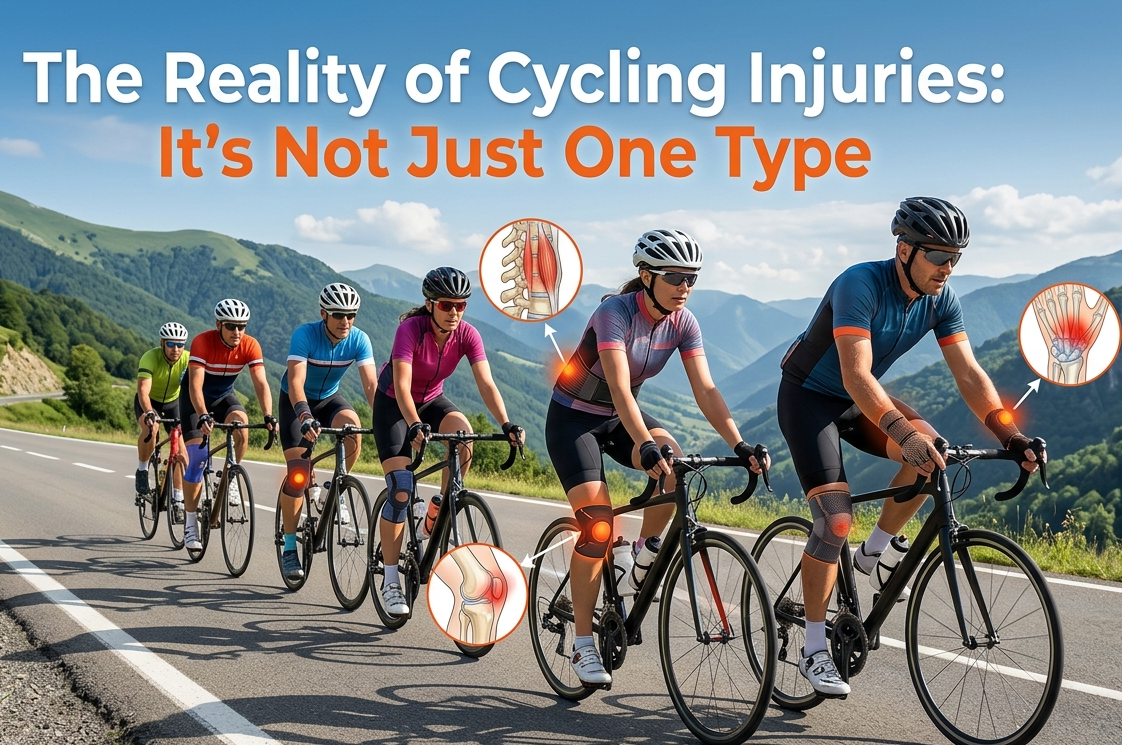
Cycling is freedom.
The open road, the rhythm of your pedaling, the quiet focus, it’s one of the few activities where your mind and body move as one. For many riders, it becomes more than just exercise. It becomes routine, escape, even identity.
But that joy has a fragile side.
Because the same repetition that builds endurance… can also build stress on your body.
At first, it’s easy to ignore.
A slight discomfort in your knee. A bit of tightness in your lower back. Numbness in your hands after a long ride.
Nothing serious — until it is.
And sometimes, it doesn’t build slowly at all.
Sometimes, it happens in a moment.
a Serious Cycling Injury…
One moment you’re riding — focused, in rhythm. The next moment — something goes wrong.
A fall. A sudden impact. A sharp pain.
For many cyclists, injuries aren’t just physical, but psychological.
The real question that follows isn’t just:
How do I recover? It’s “Can I ride again without making it worse?”
The Reality of Cycling Injuries: It’s Not Just One Type
Cycling injuries generally fall into two categories:
1. Acute Injuries (Sudden)
- Falls and crashes
- Fractures and dislocations
- Shoulder and collarbone injuries
These are often caused by:
- Road conditions
- Collisions
- Loss of control
These injuries can be severe and sometimes require long recovery periods
2. Overuse Injuries (Most Common)
This is where things get more complex.
Most cyclists don’t get injured in one moment — they get injured over time.
Common issues include:
- Knee pain
- Lower back strain
- Wrist and hand numbness
- Neck and shoulder stiffness
These are caused by:
- Repetitive motion
- Poor bike fit
- Muscle imbalances
In fact, a large percentage of cyclists report at least one overuse injury during their riding experience (Wikipedia)
The Hidden Pattern: Why Injuries Keep Coming Back
A critical pattern emerges when you look closely at real cycling experiences:
Injuries don’t just happen, they repeat
Why? Because the root problems are rarely addressed.
These include:
1. Muscle Imbalance
Stronger muscles overpower weaker ones, pulling joints out of alignment.
Example:
- Outer thigh stronger than inner thigh primarily knee tracking issues
2. Poor Positioning
Even small adjustments in:
- Saddle height
- Handlebar reach
- Foot alignment
…can significantly change stress on joints.
3. Repetition Without Recovery
Cycling is repetitive by nature.
Without recovery:
- Tendons get inflamed
- Joints get overloaded
- Pain becomes chronic
The Bigger Question Every Cyclist Eventually Asks
After experiencing injury, most riders begin to think beyond recovery:
“Since cycling is repetitive and sometimes high-impact on joints, how do I keep my joints healthy long-term — especially knees, back, shoulders, and wrists?”
This is the turning point.
Because cycling injuries are not just about accidents. They’re about sustainability.
The Most Vulnerable Areas in Cycling
Let’s break down where your body takes the most stress:
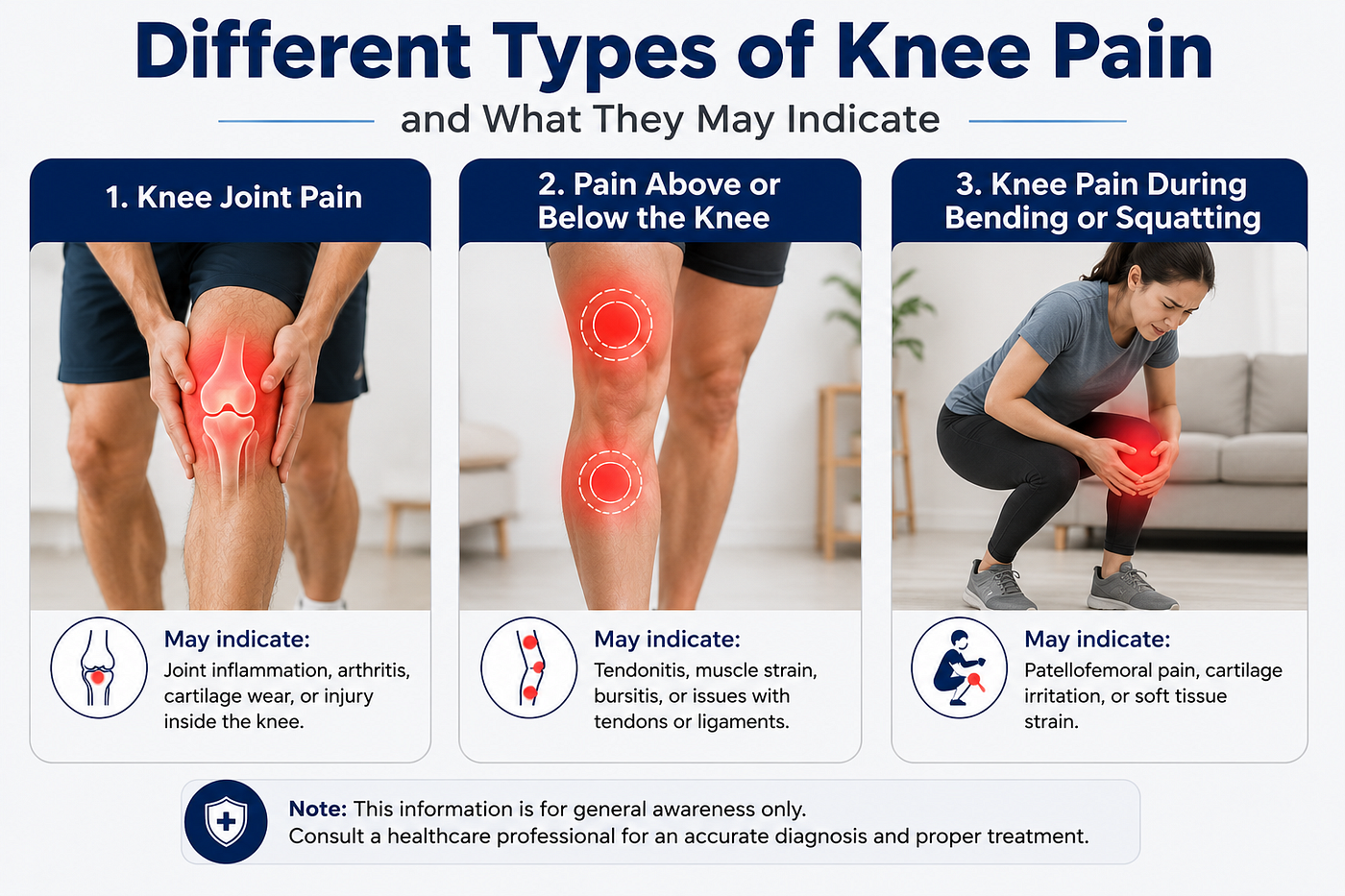
1. Knees: The Most Affected Joint
Knee pain is one of the most common cycling issues.
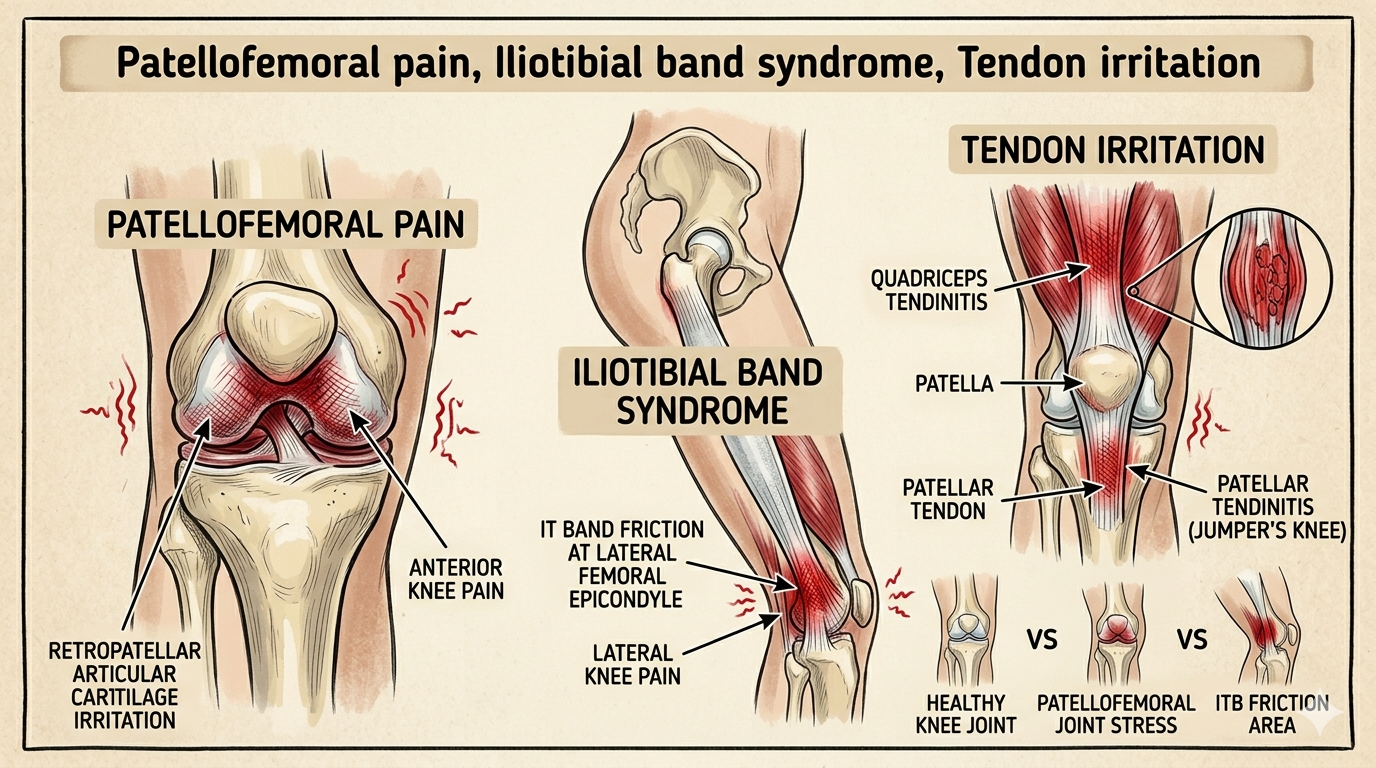
Conditions include:
- Patellofemoral pain
- Iliotibial band syndrome
- Tendon irritation
These are typically caused by:
- Improper bike fit
- Weak leg muscles
- High training load
2. Lower Back: The Posture Problem
Cycling posture involves:
- Forward bending
- Core engagement
But when core strength is weak. The lower back absorbs the load
This can lead to:
- Chronic stiffness
- Disc issues
- Long-term discomfort (Bicycling)
3. Wrists & Hands: Pressure Points
Cyclists often experience:
- Numbness
- Tingling
- Weak grip
This is caused by prolonged pressure on nerves, sometimes referred to as handlebar-related nerve issues (Wikipedia)
4. Shoulders & Neck: Tension Build-Up
Holding position for long durations creates:
- Muscle fatigue
- Tightness
- Reduced mobility
Most cyclists make this mistake:Returning Without Fixing the Cause.
They recover just enough to ride again, but don’t fix: Strength imbalances, Movement patterns, Joint support. This leads to repeated injuries.
How to Ride Again (Without Getting Injured Again)
A safe return to cycling follows a clear system:
Step 1: Rebuild Strength
Focus on:
- Quadriceps and hamstrings
- Core stability
- Upper body support
Step 2: Fix Positioning
Proper bike fit is critical.
Even small changes can:
- Reduce joint stress
- Improve efficiency
- Prevent injury
Step 3: Gradual Load Progression
Avoid:
- Sudden long rides
- High intensity too early
Step 4: Support Your Joints During Recovery
This is where most cyclists underestimate the importance of external support for cycling.
When your body is still adapting, support reduces strain and prevents overload.
Where the Right Support Changes Everything
During recovery and return to cycling, your joints need:
- Stability
- Controlled movement
- Reduced stress
This is especially important for:
- Knees (pedaling load)
- Ankles (stability)
- Wrists (pressure absorption)
Why Support Works
The right support system helps:
- Distribute pressure more evenly
- Reduce stress on injured areas
- Allow movement without overload
- Build confidence during recovery
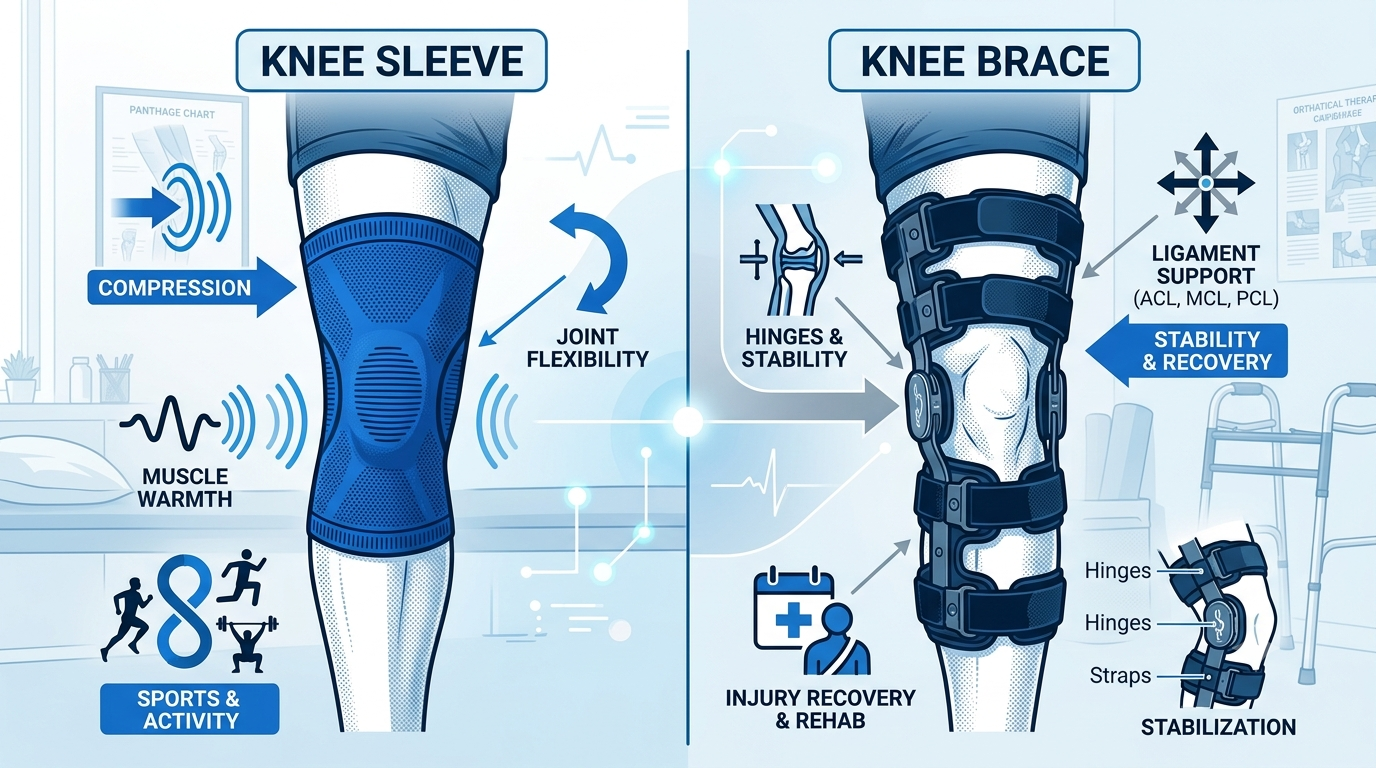
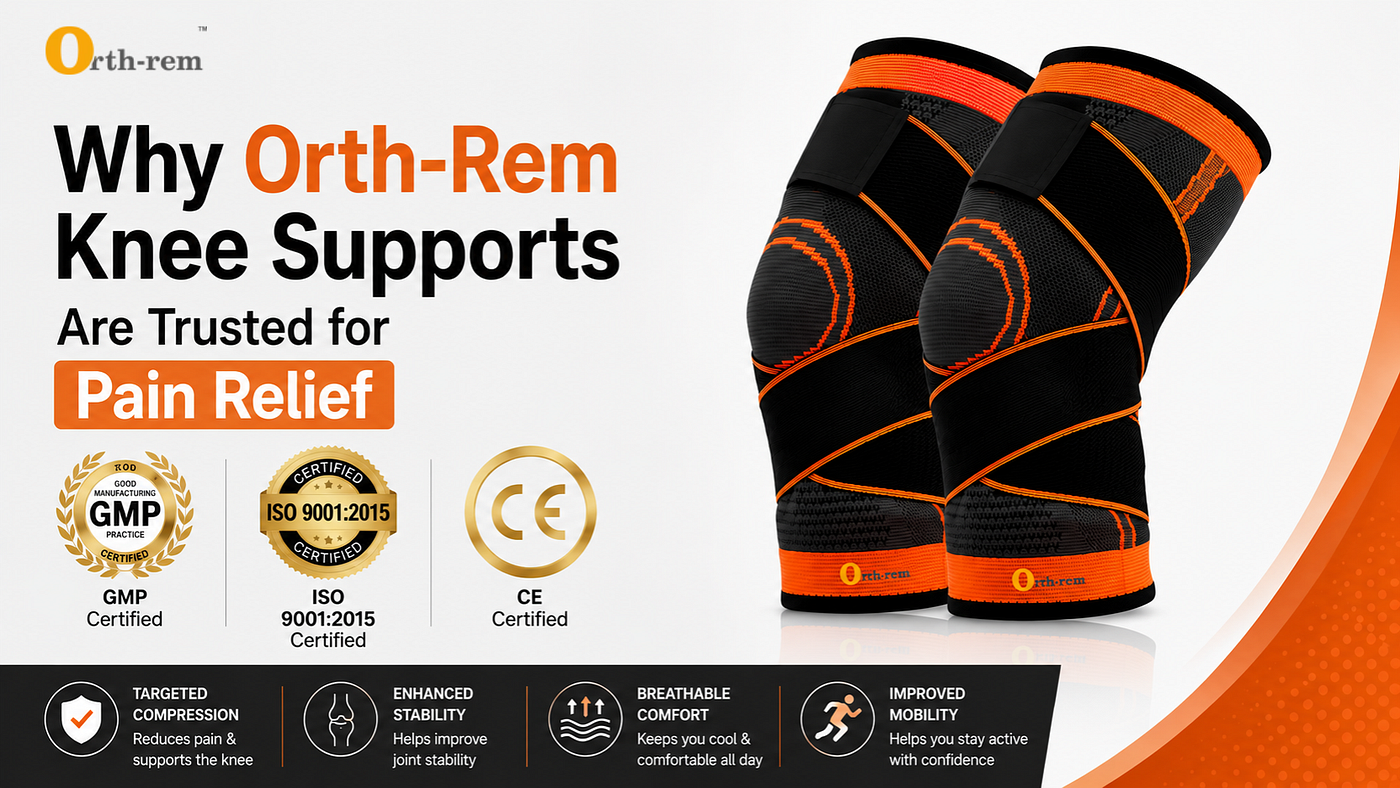
It acts as a bridge between injury and full strength. Knee, Ankle, Wrist & Back Support for Cycling
The Smart Cyclist’s Mindset
Cyclists who stay injury-free, long-term, don’t just train harder.
They:
- Listen to early pain signals
- Adjust before problems worsen
- Use support when needed
- Build strength consistently
What Most People Get Wrong
They think “Cycling is low-impact, so it shouldn’t cause injury.”
But the truth is Repetition + poor mechanics = long-term damage
Final Thought: Ride Longer, Not Just Harder
Cycling is one of the best sports for long-term fitness.
But only if your body is supported properly.
Because the goal is not just to recover, It’s to ride without fear, without pain, and without setbacks
메타데이터
- post_id
- f9d116a5277b
- slug
- unlock-ultimate-cycling-joy-with-support-gear-f9d116a5277b
- url
- https://medium.com/@orthrem/unlock-ultimate-cycling-joy-with-support-gear-f9d116a5277b
- canonical_url
- https://medium.com/@orthrem/unlock-ultimate-cycling-joy-with-support-gear-f9d116a5277b
- author_url
- https://medium.com/@orthrem
- status
- ok
- fetched_at
- 2026-06-18 00:10:23