Why a Chair Great at Night Can Fail You by Day
A specific disappointment catches users who run one chair for both gaming and work. The chair feels excellent across a few hours of gaming…
Why a Chair Great at Night Can Fail You by Day
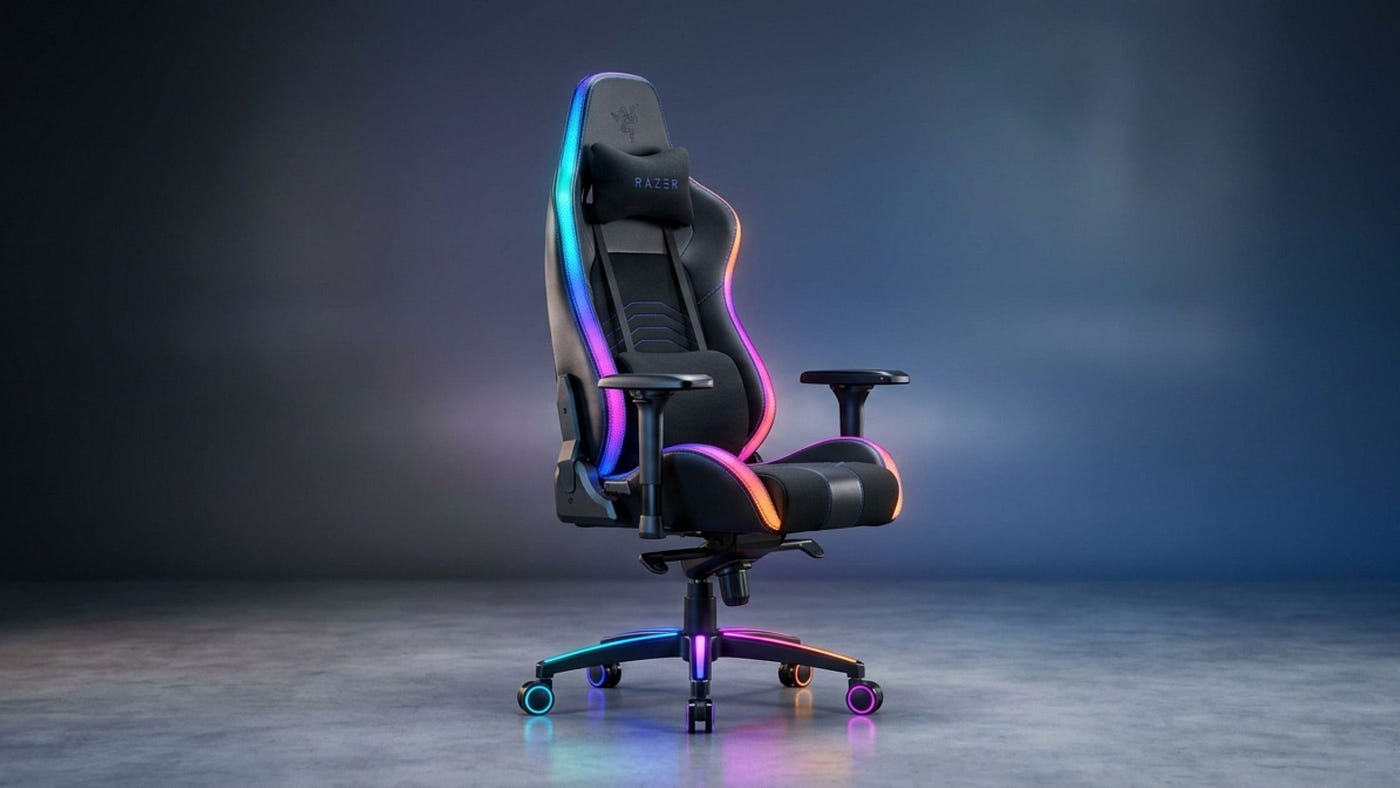
A specific disappointment catches users who run one chair for both gaming and work. The chair feels excellent across a few hours of gaming in the evening, so they trust it, and it then punishes them over a full day of work. The intuitive read is that the workday is simply longer, but duration is not the only difference. The kind of load differs, and a chair can pass the evening test while failing the day test because the two activities load it in fundamentally different ways.
Gaming supplies three things that conceal a chair’s faults: movement, engagement, and distraction. The player shifts as they play, leans into the action, and attends to the game rather than to their body, so a mediocre seat has its weaknesses masked. Static work removes all three. A focused workday holds the body in one position, with little movement and full attention on the body’s discomfort, which loads the same points continuously and surfaces every fault. An ergonomic gaming chair judged on the gaming session is being assessed under the most forgiving conditions it will ever face, which is why the evening verdict and the day verdict diverge. The honest test of a dual-purpose chair is the static one.
Why Gaming Conceals a Chair’s Faults
Gaming involves continuous small movement. The player shifts weight, leans forward into engagements, sits back during lulls, and reaches for inputs. This movement distributes the load across the session, so no single pressure point is loaded long enough to reach discomfort, and a poorly shaped or under-padded seat can feel acceptable while the body keeps moving. The movement is doing the chair a favour by spreading what a static posture would concentrate.
Engagement and distraction compound the concealment. Attention is on the game, not the body, so discomfort that would register during focused stillness goes unnoticed during absorbed play. The result is that a flawed chair can feel fine across a gaming session, not because it is good, but because the activity hides its faults. So passing the gaming test establishes little about the chair’s all-day performance, because the test conditions are forgiving. The constant small shifting that masks a seat’s faults is itself often a sign the seat does not fit, a point examined in why you keep shifting in your gaming chair and what it might mean.
Why Movement Specifically Masks a Bad Seat
Of the three concealing factors, movement is the most powerful, because it directly counters the mechanism by which a bad seat produces discomfort. A seat produces discomfort by loading the same tissue continuously until it reaches the pain threshold. Regular movement resets the loaded area before it reaches that threshold, so even a seat that would bottom out under static load can feel acceptable while the player keeps shifting.
This is why a quick test sit, during which the user naturally shifts and adjusts, reveals so little about all-day comfort. The mobile test recreates the gaming condition, spreading the load and hiding the seat’s weaknesses, so it predicts the evening experience rather than the workday. The real test is static, holding a working posture without the movement that masks the faults. A genuine assessment of whether a gaming chair supports the body or merely markets the appearance of support requires the static condition, which is the question posed in are gaming chairs good for posture or just marketing.
Why Static Work Is the Unforgiving Test
Static work removes everything that concealed the chair’s faults. A focused workday holds the body in one position for extended periods, with minimal movement and full attention, so every weakness in the seat, the support, and the ergonomics is loaded continuously and perceived consciously. The seat that bottomed out, the backrest that ached, the armrests set wrong, all surface under the static load that the gaming session distributed away.
So the workday is where a dual-purpose chair is truly tested, because it is the condition under which faults cannot hide. A chair that remains comfortable through a static, focused day has passed the harder test and will handle the gaming, which is the easier one, while a chair that passes only the gaming test may fail the day. This is why the workday, not the gaming session, should set the standard for a chair that has to do both. The way gaming and work coexist in an adult schedule, sharing the same chair, is described in behind the controller: how gaming fits into everyday adult life in Australia.
How to Test a Dual-Purpose Chair
The correct test is to sit still in a working posture for a sustained period, not to move around in the chair. A test sit during which the user shifts naturally is a gaming-style test, forgiving and unrepresentative. To assess the chair for work, the user holds a static working posture and observes what aches over time, because that is the condition the workday imposes and the one that reveals the faults.
The first twenty minutes of stillness reveal more about all-day comfort than two hours of mobile play, because stillness is what the workday is and movement is what the gaming session is. A chair that is comfortable held still and focused will serve both roles, having passed the harder test. A well-designed gaming chair for dual use is built around static, all-day comfort rather than a forgiving first impression.
The durability of that all-day comfort matters when the chair is loaded for both roles daily, which is why buying from a reliable ergonomic gaming chair provider matters for a dual-purpose seat that absorbs roughly twice the use of a single-role chair.
Configuring the chair correctly for the static work posture, as well as the gaming one, is part of getting both roles from it, which is the function of gaming chair positioning.
The community around gaming chairs in Australia increasingly judges a dual-purpose chair by its workday performance, because the workday is where the faults the gaming session hides actually surface.
Why Reviews of Dual-Purpose Chairs Mislead
The night-versus-day gap also explains why reviews can mislead a buyer who needs a chair for both roles. A reviewer who tests a chair through gaming sessions is running the forgiving, mobile test, so the chair can earn praise for a comfort it would not sustain across a static workday. The review reports the easy condition and says little about the hard one.
The most useful judgement of a dual-purpose chair therefore comes from someone who has worked full days in it, not only gamed in it. A glowing review based on evening sessions tells the buyer the chair passed the easy test, which predicts the evening experience rather than the eight-hour day the buyer also needs it for. Before trusting a review, it is worth establishing whether the reviewer actually worked in the chair or only played in it, because the two tests reward different properties, and only the static workday surfaces the faults that decide a dual-purpose chair.
Common Mistakes
Trusting the gaming session as a test. Gaming supplies movement, engagement, and distraction that hide a chair’s faults, so feeling excellent while playing proves little about all-day comfort. The gaming test is the most forgiving condition the chair will face.
Treating duration as the only difference. The hours are not the only difference between work and gaming. The static, focused nature of work loads the chair continuously and consciously, while the moving, absorbed nature of gaming distributes the load and hides the faults.
Testing a chair by moving around in it. A test sit during which the user shifts naturally recreates the gaming condition and predicts the evening experience. To assess a chair for work, the user holds a static working posture and observes what aches over time.
Assuming a comfortable gaming chair is a comfortable work chair. Movement masks a bad seat during play, so a chair that feels excellent at night can fail across a static workday. The workday is the unforgiving test, and only a chair that passes it can be trusted for both roles.
Conclusion
A chair great at night can fail by day because gaming and work load it in fundamentally different ways. Gaming supplies movement, engagement, and distraction that conceal a chair’s faults, with movement in particular resetting the loaded tissue before it reaches discomfort. Static work removes all three, holding the body in one position under full attention, which loads the same points continuously and surfaces every weakness the gaming session hid.
The honest test is therefore the static one. Sit still in a working posture for a sustained period and observe what aches, rather than trusting how the chair feels during mobile, absorbed play. A chair comfortable held still and focused has passed the harder test and will serve both roles, while a chair that passes only the forgiving gaming test may fail the workday. For a chair that has to do both, the workday sets the standard, because it is the condition under which the faults cannot hide.
Frequently Asked Questions
Why does my gaming chair feel worse at work than gaming?
Because work loads the chair differently. Gaming supplies movement and distraction that hide the chair’s faults, while static, focused work holds you in one position under full attention, loading the same points continuously and surfacing every weakness. The chair did not change; the workday reveals what gaming hid.
Does gaming hide a chair’s problems?
Yes. The movement, engagement, and distraction of gaming mask discomfort, so a mediocre chair can feel fine during a session. Movement in particular resets the loaded tissue before it reaches the pain threshold, which is why faults appear only when you sit still and focused for work.
How should I test a chair for both work and gaming?
Sit still in a working posture for a sustained period rather than moving around. A test sit during which you shift naturally recreates the forgiving gaming condition. The static test reveals how the chair will serve a workday, which is the harder of its two roles and the one that exposes faults.
Why does a quick test sit not predict all-day comfort?
Because in a quick sit you naturally shift around, which spreads the load and hides the seat’s weaknesses, recreating the gaming condition. All-day comfort is about holding a static posture for hours, so a brief, mobile test predicts the evening experience rather than the workday.
Is a comfortable gaming chair automatically good for work?
Not necessarily. Movement masks a bad seat during gaming, so a chair that feels excellent at night can fail across a static workday. The workday is the unforgiving test, and only a chair that remains comfortable held still and focused can be trusted for both roles.
What makes static work harder on a chair than gaming?
Static work holds you in one position for extended periods with minimal movement and full attention, so every weakness is loaded continuously and felt consciously. Gaming distributes the load through movement and hides discomfort through distraction, which makes it the easier test by a wide margin.
메타데이터
- post_id
- fa2cdfea01ef
- slug
- why-a-chair-great-at-night-can-fail-you-by-day-fa2cdfea01ef
- url
- https://medium.com/@mikapixel16/why-a-chair-great-at-night-can-fail-you-by-day-fa2cdfea01ef
- canonical_url
- https://medium.com/@mikapixel16/why-a-chair-great-at-night-can-fail-you-by-day-fa2cdfea01ef
- author_url
- https://medium.com/@mikapixel16
- status
- ok
- fetched_at
- 2026-07-19 12:05:52