Venice - The Lagoon City of Canals, Palaces, and Maritime History
Venice is one of the most distinctive cities in Italy and the capital of the Veneto region. Built in the Venetian Lagoon, the historic city…
Venice - The Lagoon City of Canals, Palaces, and Maritime History
Venice is one of the most distinctive cities in Italy and the capital of the Veneto region. Built in the Venetian Lagoon, the historic city is famous for its canals, bridges, narrow streets, churches, palaces, and islands. Its urban structure is unlike that of any other major Italian city, because movement in the historic center depends mainly on walking and water transport.
The history of Venice began during the period of the barbarian invasions, when people from the mainland sought protection in the lagoon. Over time, these scattered settlements grew into a more organized community. The lagoon offered natural defense, while its position between land and sea later helped Venice develop as a political, commercial, and naval power.
Starting with the 9th century, Venice developed into a city-state known as the Republic of Venice. Traditionally called La Serenissima, the republic became one of the most powerful maritime states in the Mediterranean. Its ships, merchants, and diplomatic network connected the Adriatic with the eastern Mediterranean and helped Venice control important trade routes for centuries.
The Republic of Venice remained influential until the end of the 17th century. During the 18th century, Venice became one of the most elegant cities in Europe, known for its aristocratic culture, festivals, music, and refined social life. The city’s political independence ended in 1797, when Napoleon Bonaparte conquered northern Italy.
After Napoleon’s conquest, Venice became Austrian territory following the Treaty of Campo Formio. This marked a major break in the city’s long republican history. In 1866, after the Third Italian War of Independence, Venice became part of the Kingdom of Italy. Since then, the city has remained one of Italy’s most important historical and cultural destinations.
Geographically, Venice occupies a unique position in northeastern Italy. The historic center is formed by 118 small islands in the Venetian Lagoon. These islands are linked by bridges and separated by canals, creating the city’s famous urban landscape. The lagoon environment also connects Venice with islands such as Murano, Burano, Giudecca, and Lido.
The historic center of Venice is divided into six districts called sestieri. These are Cannaregio, San Polo, Dorsoduro, Santa Croce, San Marco, and Castello. Dorsoduro includes the island of Giudecca, San Marco includes San Giorgio Maggiore, and Castello includes San Pietro di Castello and Sant’Elena. Each sestiere has its own churches, squares, canals, and local identity.
Venice is not limited to the historic island city. The wider municipality also includes mainland areas such as Mestre and Marghera, together with several lagoon islands. Mestre is especially important for transport and accommodation, while Murano is known for glassmaking and Burano for its colorful houses and lace-making tradition. Lido separates the lagoon from the Adriatic Sea.
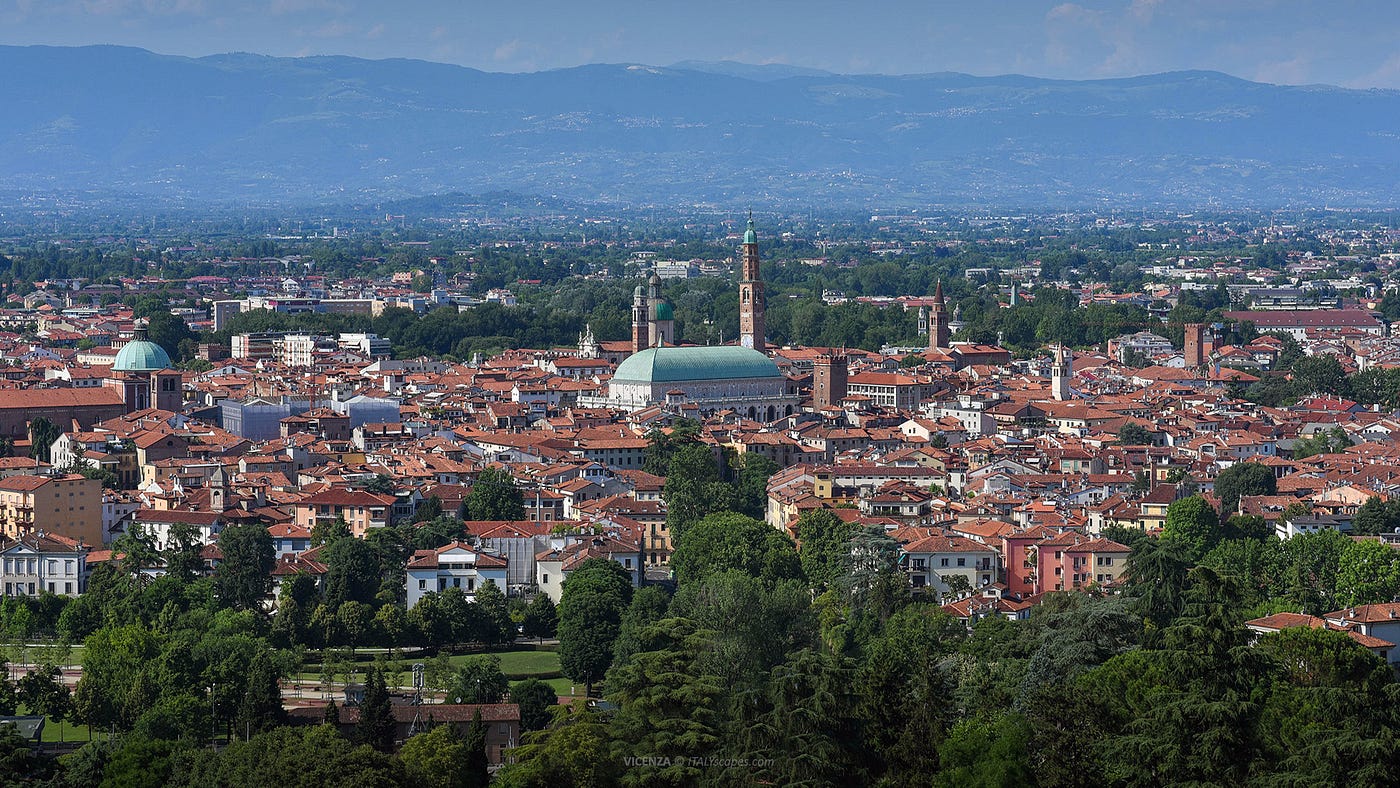
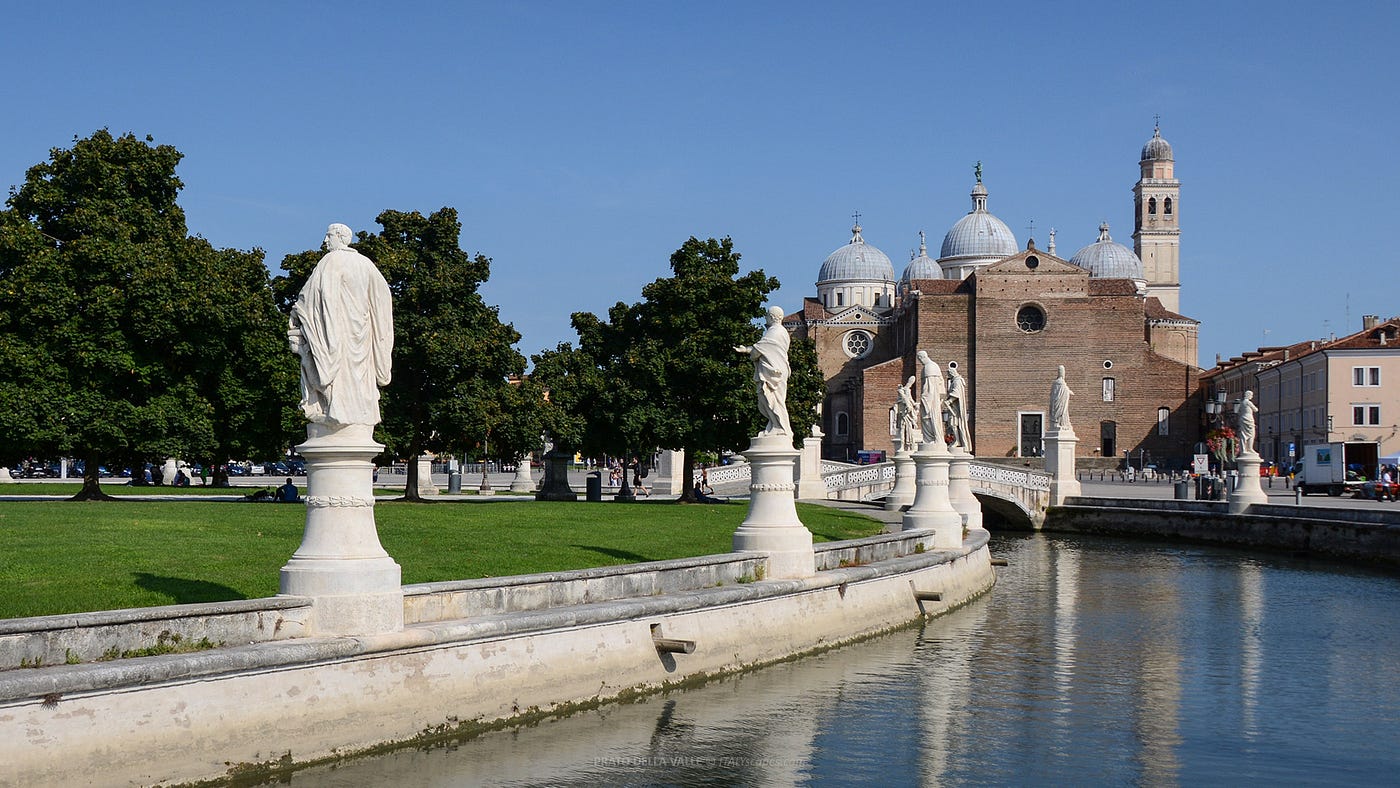
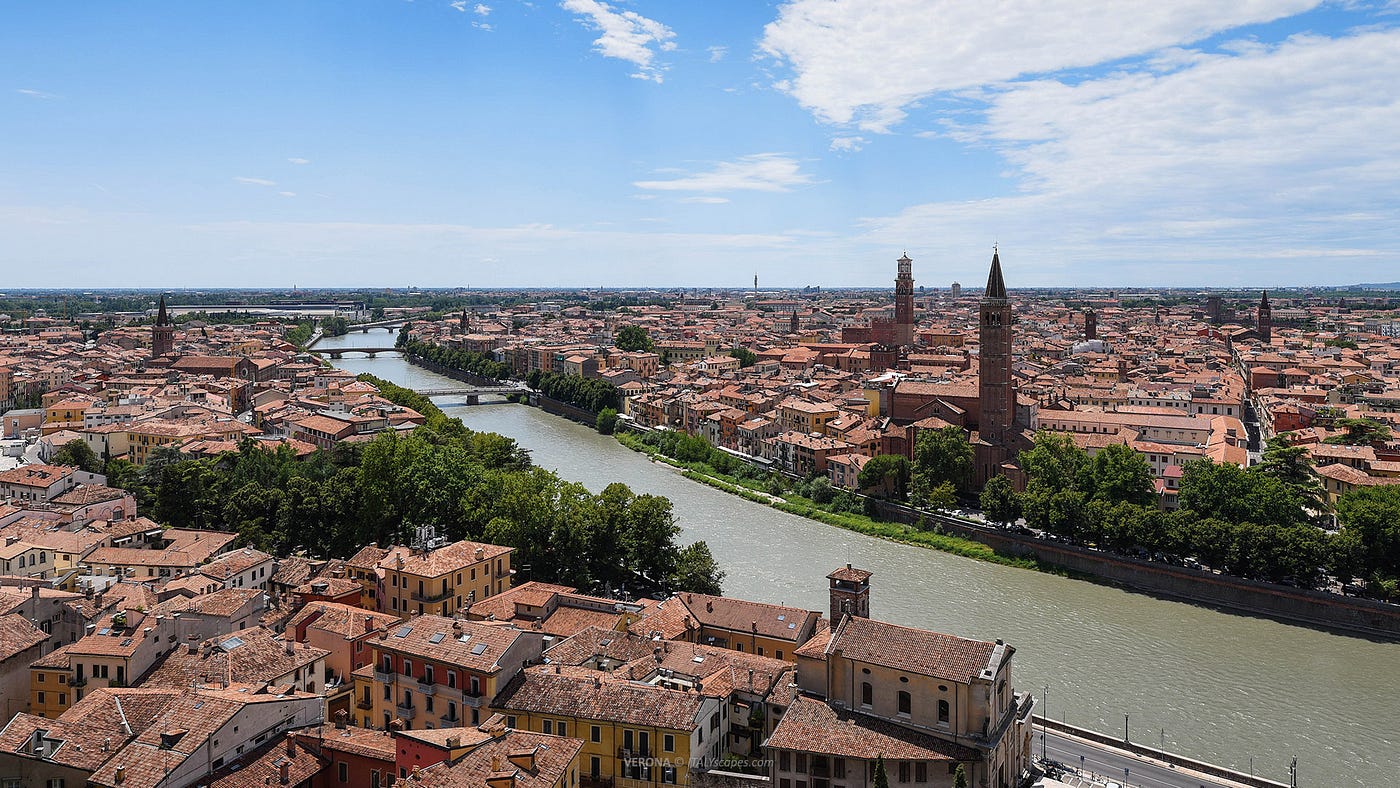
The city is well connected with other important destinations in northern and central Italy. Venice is about 42 kilometers from Padua, 68 kilometers from Vicenza, 120 kilometers from Verona, and 150 kilometers from Bologna. It is also around 256 kilometers from Florence, 275 kilometers from Milan, 476 kilometers from Rome, and 665 kilometers from Naples.
Venice can be reached by plane through Marco Polo Airport, located near Mestre, or through Antonio Canova Airport near Treviso. From Marco Polo Airport, travelers can take the ATVO Bus Line 35 to Venice in about 20 minutes. From Treviso Airport, ATVO Bus Line 351 reaches Venice in about one hour and 10 minutes.
Travelers arriving by train reach Venezia Santa Lucia railway station, which stands directly on the historic island. This is the most convenient railway arrival point for the city center. By car, access ends at Piazzale Roma, a large parking area at the entrance to Venice, because cars cannot circulate inside the historic center.
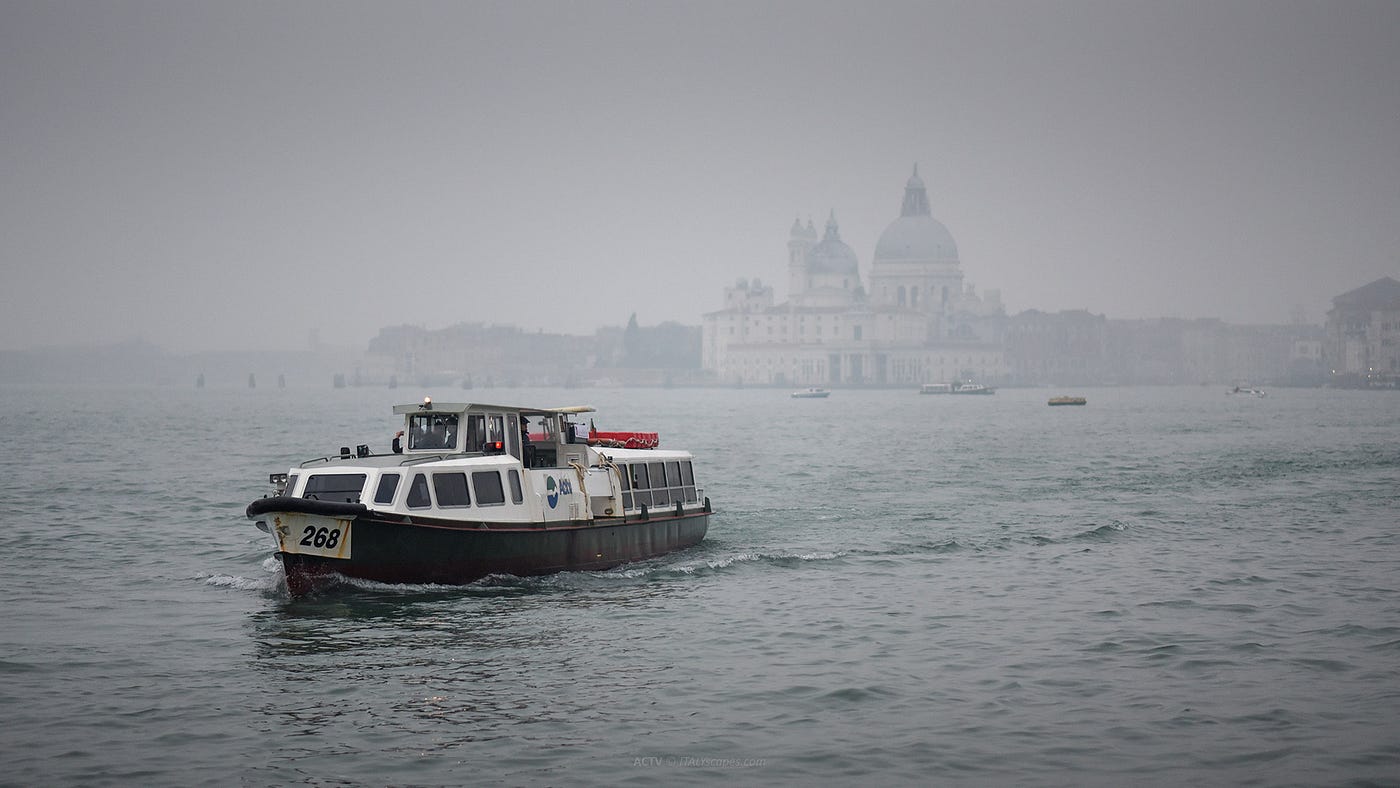
Transport inside Venice is mainly on foot or on water. Visitors move through the city by crossing bridges, walking through narrow streets, and using vaporetti, the public waterbuses managed by ACTV. Water transport connects the main islands, the Grand Canal, the lagoon, and areas that cannot be reached easily by walking alone.
The main monumental area of Venice is Piazza San Marco, the only true “piazza” in the city. The square contains Saint Mark’s Basilica, Doge’s Palace, Saint Mark’s Bell Tower, the Correr Museum, and nearby access to the Bridge of Sighs. This area represents the religious, political, and ceremonial heart of historic Venice.
Saint Mark’s Basilica is one of the most important churches in Italy. Its architecture reflects Venice’s connection with the Byzantine world and the eastern Mediterranean. Beside it, Doge’s Palace was the center of political power during the Republic of Venice. The Bridge of Sighs connected the palace with the prisons, becoming one of the city’s most famous landmarks.
The Grand Canal is Venice’s main waterway and one of its defining features. It crosses the historic center in a broad curve and is lined with palaces from different periods. The Rialto Bridge, one of the city’s most famous bridges, crosses the Grand Canal and remains closely linked to Venice’s commercial history.
Venice also has many important churches beyond Piazza San Marco. The Basilica of Santa Maria Gloriosa dei Frari is one of the city’s major religious buildings. Santa Maria della Salute stands near the entrance to the Grand Canal, while Il Redentore, San Giorgio Maggiore, San Zaccaria, San Pietro di Castello, and Santa Maria dei Miracoli are also significant.
The city’s palaces reflect the wealth and power of Venetian families. Ca’ d’Oro, Palazzo Vendramin Calergi, Palazzo Grassi, Ca’ Pesaro, and Ca’ Rezzonico are among the most important. Some preserve museum collections, while others are used for cultural activities. Their façades along canals show the importance of water in Venetian architecture.
Museums and cultural institutions add another layer to Venice’s identity. The Accademia Gallery preserves major works of Venetian painting. The Correr Museum documents the city’s history and art. Scuola Grande di San Rocco is famous for its artistic decoration, while the Jewish Ghetto of Venice remains one of the most historically significant areas of the city.
Venice is also known for major annual events. The Carnival of Venice is the most famous, taking place every year in January or February and attracting large numbers of visitors. Other important events include Festa della Sensa, Festa di San Marco on April 25, Vogalonga, Festa del Redentore, Regata Storica, Festa della Salute, and the Venice Biennale.
Venice is more than a city of canals and postcards. Its identity was shaped by the lagoon, maritime trade, republican institutions, religious traditions, and artistic patronage. The historic center, islands, churches, palaces, bridges, and waterways form a dense cultural landscape. For travelers, Venice remains one of the most remarkable urban creations in Europe.
메타데이터
- post_id
- fa558cf55632
- slug
- venice-the-lagoon-city-of-canals-palaces-and-maritime-history-fa558cf55632
- url
- https://medium.com/@ovidiu.tutunaru/venice-the-lagoon-city-of-canals-palaces-and-maritime-history-fa558cf55632
- canonical_url
- https://medium.com/@ovidiu.tutunaru/venice-the-lagoon-city-of-canals-palaces-and-maritime-history-fa558cf55632
- author_url
- https://medium.com/@ovidiu.tutunaru
- status
- ok
- fetched_at
- 2026-07-15 10:52:00