“Petrol Phir Mehenga Ho Gaya”
This week, it seemed like that line had to happen.
“Petrol Phir Mehenga Ho Gaya”
This week, it seemed like that line had to happen.
Out near the tea stalls, where delivery guys pause between runs, pieces of it floated by. At fuel stations across Delhi, murmurs found their way into routine stops. It slipped into WhatsApp circles without warning. Inside slow-moving cabs stuck in gridlock, someone would mention it again.
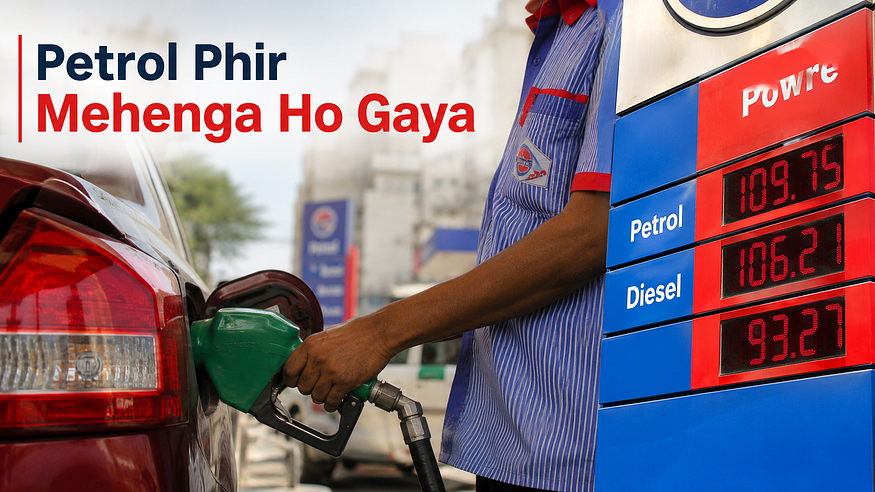
Generated by AI
Surprisingly calm, folks just carried on.
Just another day, really.
Just like before. Nearly automatic.
Another price hike.
Another round of mental math.
Come Friday, fuel stations nationwide lifted petrol and diesel costs by three rupees a litre. Rising world oil expenses made the old amounts tough to keep up, officials noted. Early announcement meant new pricing hit displays fast. By noon, nearly every city showed higher figures at the pump.
A single rupee might seem tiny when you’re just topping off your own vehicle each week.
For those making money through fuel, changes hit right away.
A Rapido biker in Noida pointed out how fuel costs now take up earnings equal to just two quick trips. Right after the update dropped, talks about shipping rates kicked off among hauliers close to Jaipur.
This is typically the way rising fuel costs unfold across India.
At first, it slips through quietly. Slow motion takes hold before you notice. Only later does the weight settle in. The real impact comes delayed. Not right away. Never sudden.
It spreads.
It Did Not Begin In India
Out here, talk drifts slowly until it lands somewhere distant from any road in India.
The Strait of Hormuz.
Just a slim waterway separates Iran from Oman, yet massive amounts of oil move through here daily. Trouble flares up, prices across the globe twitch almost at once.
Fuel prices climb here even when supplies stay steady abroad. That is how tightly global markets pull on Indian wallets.
Fear alone can do it. What matters isn’t change itself, but the thought of it creeping in. A whisper of shift unsettles more than motion ever could.
Pricing risk creeps into traders’ minds. Upward pressure nudges oil costs higher. When that shift lingers, gas stations adjust what they charge at the pump.
The Hidden Layer Shipping Costs
Marine insurance slips through the cracks when people talk about shipping tales. It shows up quietly, rarely taking centre stage in casual chats.
Fresh worries over Gulf safety pushed insurance costs up fast for oil vessels passing through. Because of that, shipping firms started thinking twice before sailing. Overnight, certain paths turned pricier without warning.
This price tag along past the ocean.
It travels.
Pricier transport starts to bite. Squeezed refiners pass little on at first. Yet fuel sellers can only hold back the rise so long.
Eventually, the product makes its way into a person’s hands.
Out of nowhere, at the gas station, everything shifts. The air changes fast.
Inside the system, it’s been building for weeks.
Why Diesel Still Plays a Bigger Role Than You Think
Fuel pumps catch the eye simply due to city routines. People passing by notice them again and again without thinking much.
Fuel keeps running without notice.
Out there, trucks hauling veggies to city markets run on it. Buses keep rolling because of this fuel, along with heavy machines at building sites. Movement across supply chains depends on its steady push.
Fuel costs go up, then trucks slow down right after.
Folks selling veggies at Delhi’s Azadpur Mandi started swapping stories about pricier deliveries right after the news dropped. Trouble with food prices tends to kick off there too, never out in the fields, always along the road.
A bit more on fuel costs begins to nudge up what you pay for regular stuff, dairy arriving by truck, items at the store, and packages brought to your door.
It slips by without a clear signal.
Yet come the month’s close, the weight shows up. The quiet drag settles in your bones.
The Uncertainty Is What Matters
At this moment, things are not spiralling into disaster.
Floating across the water, oil continues to flow through the area. Not every tanker has pulled back; movement continues. Routes shift now because of extra costs or careful steps taken. A few paths changed shape, but only a little.
Just because things slow down does not mean they stop.
Yet it doesn’t fit what we call usual.
Middle ground? Markets tend to ignore it completely.
What feels unstable often shifts value.
What This Actually Reveals
Years passed with talk centered on code-driven markets, artificial minds, then programs steering progress. One theme stayed: change through machines that learn, systems that shift how value moves. Not hardware first, but logic flowing beneath. Growth hiding inside algorithms, not factories. The pulse now beats in networks, decisions made by patterns seen only in data streams.
Out of nowhere, a standoff appears by a tight sea passage, just like that, shipping prices jump worldwide in less than a week.
Something basic comes to mind again.
The global economy is still very physical.
Oil tankers. Shipping routes. Ports. Insurance. Refineries. Trucks on highways.
Only then does it show when costs rise.
This small rise of three rupees caused no alarm.
Yet it brought back just how much daily living leans on forces out of reach.
It moves fast, the way those systems appear, even in a simple fuel receipt.
메타데이터
- post_id
- fa8d3dcfec37
- slug
- petrol-phir-mehenga-ho-gaya-fa8d3dcfec37
- url
- https://medium.com/activated-thinker/petrol-phir-mehenga-ho-gaya-fa8d3dcfec37
- canonical_url
- https://medium.com/activated-thinker/petrol-phir-mehenga-ho-gaya-fa8d3dcfec37
- author_url
- https://medium.com/@fynlytics59
- status
- ok
- fetched_at
- 2026-06-09 15:37:30