Facebook Data Breach: Complete Guide to Causes, Risks, and Protection
A Facebook data breach is one of the most critical cybersecurity issues in today’s digital era, where billions of users actively share…
Facebook Data Breach: Complete Guide to Causes, Risks, and Protection
A **Facebook data breach** is one of the most critical cybersecurity issues in today’s digital era, where billions of users actively share personal information online. Social media platforms store vast datasets, making them prime targets for cybercriminals seeking financial gain or identity exploitation. When such data is exposed, users face risks like fraud, phishing, and privacy invasion. Understanding these threats is essential for building safer online habits and improving digital awareness.

What is a Facebook Data Breach?
A data breach occurs when unauthorized individuals gain access to confidential user data stored within a platform’s systems. This may include login credentials, contact details, and private messages that are meant to remain secure. Hackers often exploit system vulnerabilities or use social engineering tactics to access this information. A Facebook data breach can impact millions of users simultaneously due to the platform’s massive global reach.
How Facebook Data Breaches Occur
Technical Vulnerabilities
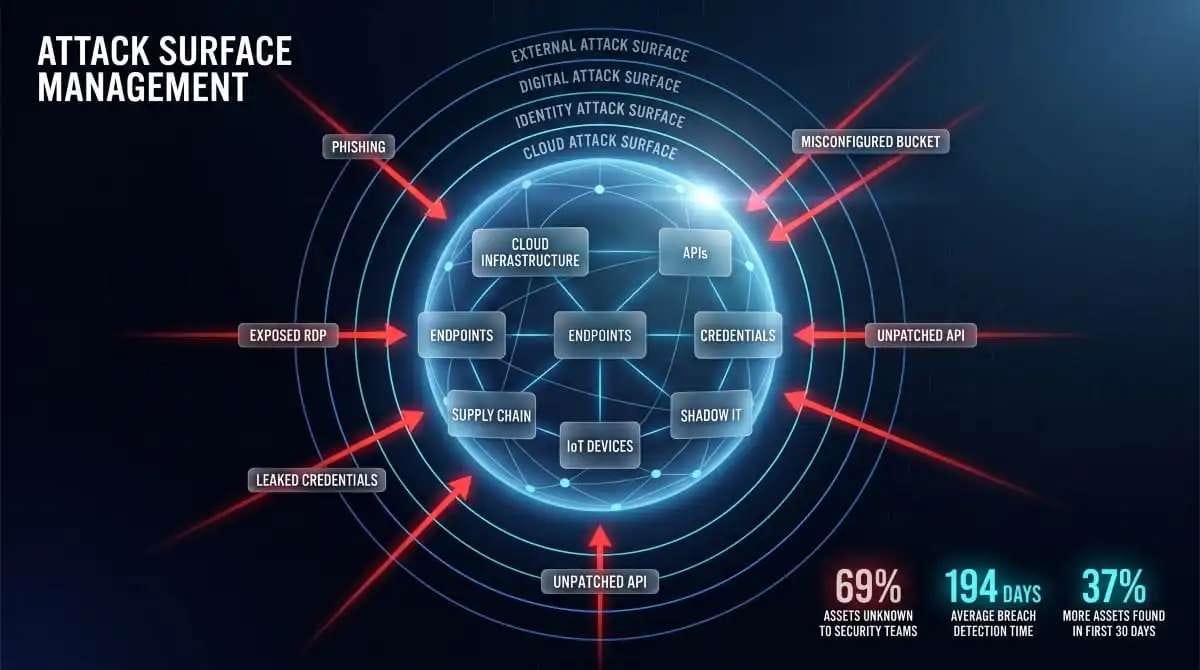
Weak APIs and outdated software systems often create entry points that attackers can exploit to access sensitive data. Poor encryption methods may allow hackers to read information even after gaining unauthorized access to servers. Misconfigured cloud storage or databases can unintentionally expose user records without proper authentication controls. These technical flaws highlight the importance of regular system updates and security audits.
Human Errors and Social Engineering
Human mistakes play a major role in many cybersecurity incidents, especially when employees fall victim to phishing scams. Users also contribute to risks by using weak passwords or reusing the same credentials across multiple platforms. Third-party applications connected to accounts can introduce vulnerabilities if they are not properly secured. Attackers often combine technical exploits with human manipulation to maximize success rates.
Real-World Example of a Data Exposure Incident
One major incident exposed data from hundreds of millions of accounts due to large-scale scraping vulnerabilities. The leaked information included phone numbers, names, and account identifiers, which later appeared on hacker forums. Cybercriminals used this data to launch targeted phishing campaigns and scams against users. This example demonstrates how even publicly accessible data can become dangerous when collected and misused at scale.
Types of Data Commonly Exposed
Personal Information
Personal data such as names, email addresses, phone numbers, and birthdates are frequently exposed during breaches. This information is valuable for identity theft, financial fraud, and unauthorized account access. Attackers may use it to impersonate users or bypass security verification systems. Protecting such data is crucial for maintaining individual privacy and digital security.
Behavioral and Usage Data
User activity, including likes, shares, and browsing patterns, can also be exposed in data breaches. This type of data reveals personal preferences and behavioral trends that can be exploited for targeted attacks. In some cases, it may expose sensitive habits or opinions that users prefer to keep private. The misuse of behavioral data raises serious concerns about privacy and digital ethics.
Key Risks of Data Breaches
- Identity theft that leads to financial loss and fraud
- Phishing attacks using personalized user information
- Unauthorized account access due to leaked credentials
- Loss of privacy and potential reputational damage
Impact on Users and Businesses
Data breaches can have long-term consequences that extend beyond immediate data exposure and financial loss. Users may face emotional stress, identity misuse, and ongoing security threats after their information is leaked. In cases related to **data breach google apple facebook**, the interconnected nature of digital ecosystems amplifies the overall risk. Businesses, on the other hand, suffer reputational damage, legal penalties, and reduced user trust.
Legal Consequences and Regulations
Data Protection Laws
Governments worldwide have introduced strict regulations to ensure that companies handle user data responsibly and securely. Organizations are required to report breaches promptly and take corrective actions to minimize damage. Non-compliance with these laws can result in significant financial penalties and operational restrictions. These regulations aim to enforce accountability and improve global cybersecurity standards.
Settlements and Compensation
In many cases, affected users are eligible for financial compensation after a breach is confirmed through legal proceedings. The concept of **Facebook data breach settlement** demonstrates how companies are held accountable for failing to protect user data. Such settlements not only provide relief to affected individuals but also encourage organizations to strengthen their security measures. Legal actions play a vital role in promoting responsible data management practices.
How Companies Respond to Breaches
Immediate Actions
Organizations typically respond to breaches by isolating affected systems and investigating the root cause of the incident. They notify users about the breach and provide instructions to secure their accounts and personal information. Transparency during this stage is essential for maintaining user trust and credibility. Quick action can significantly reduce the overall impact of the breach.

Long-Term Improvements
After addressing the immediate threat, companies invest in stronger cybersecurity infrastructure and employee training programs. They implement advanced monitoring systems, stricter access controls, and regular security audits. These improvements help reduce the likelihood of future incidents and enhance overall system resilience. Continuous updates and proactive strategies are key to long-term data protection.
How Users Can Protect Their Data
- Use strong and unique passwords for each account to reduce the risk of hacking
- Enable two-factor authentication to add an extra layer of security
- Avoid clicking on suspicious links or downloading unknown files
- Regularly review account activity and connected applications
Importance of Digital Risk Protection
Digital security tools help users monitor their personal data and detect potential threats before they cause harm. These tools can identify if user information appears on unauthorized platforms or dark web marketplaces. The concept of **Digital risk protection** emphasizes proactive monitoring and early threat detection. This approach is becoming increasingly important as cyber threats continue to evolve.
Technologies Used to Prevent Breaches
Encryption and Authentication
Encryption converts sensitive data into unreadable formats, making it useless to unauthorized users. Multi-factor authentication adds an additional security layer by requiring multiple verification steps. These technologies significantly reduce the chances of unauthorized access to user accounts. Implementing them is essential for both individuals and organizations.
Monitoring and Threat Detection
Advanced monitoring systems use artificial intelligence to detect unusual patterns and potential security threats. Real-time alerts allow organizations to respond quickly and prevent large-scale damage. These tools are widely used in modern cybersecurity frameworks to enhance protection. Continuous monitoring ensures that vulnerabilities are identified and addressed promptly.
Lessons Learned from Data Breaches
Organizations must treat user data as a valuable asset that requires constant protection and monitoring. Regular system updates, security audits, and employee training are essential to prevent breaches. Users should also adopt safe online practices and remain vigilant about potential threats. The recurring nature of a **Facebook data breach** highlights the importance of continuous cybersecurity efforts.
Future of Social Media Security
The future of cybersecurity involves advanced technologies such as artificial intelligence and machine learning for better threat detection. However, cybercriminals are also evolving, making security a continuous challenge for organizations. Collaboration between companies, governments, and users is necessary to create safer digital environments. The goal is to balance innovation with strong privacy and security measures.

Frequently Asked Questions (FAQ)
What type of data is usually exposed in breaches?
Most breaches involve personal details such as names, email addresses, and phone numbers that can be misused. Sometimes behavioral data and account activity are also leaked, increasing privacy risks. This information can be used for scams, identity theft, or targeted phishing attacks. Users should always stay alert and monitor their accounts regularly.
Can users recover their accounts after a breach?
Yes, users can recover accounts through verification processes such as email or phone authentication. It is important to act quickly by resetting passwords and enabling additional security features. Two-factor authentication can significantly reduce the risk of further unauthorized access. Quick action helps minimize potential damage.
Are companies responsible for protecting user data?
Yes, companies are legally required to protect user data and follow established data protection regulations. They must report breaches and take immediate corrective actions to secure affected systems. Failure to comply can result in legal penalties and loss of user trust. Accountability plays a key role in improving cybersecurity standards.
How can someone check if their data is leaked?
Users can use online tools and monitoring services to check if their data has been exposed in breaches. These tools scan databases and notify users if their information is found. Regular monitoring helps detect threats early and prevent misuse of personal data. Staying proactive is essential for maintaining digital security.
메타데이터
- post_id
- fac982f7eb36
- slug
- facebook-data-breach-complete-guide-to-causes-risks-and-protection-fac982f7eb36
- url
- https://medium.com/@dexpose9/facebook-data-breach-complete-guide-to-causes-risks-and-protection-fac982f7eb36
- canonical_url
- https://medium.com/@dexpose9/facebook-data-breach-complete-guide-to-causes-risks-and-protection-fac982f7eb36
- author_url
- https://medium.com/@dexpose9
- status
- ok
- fetched_at
- 2026-06-18 07:02:39