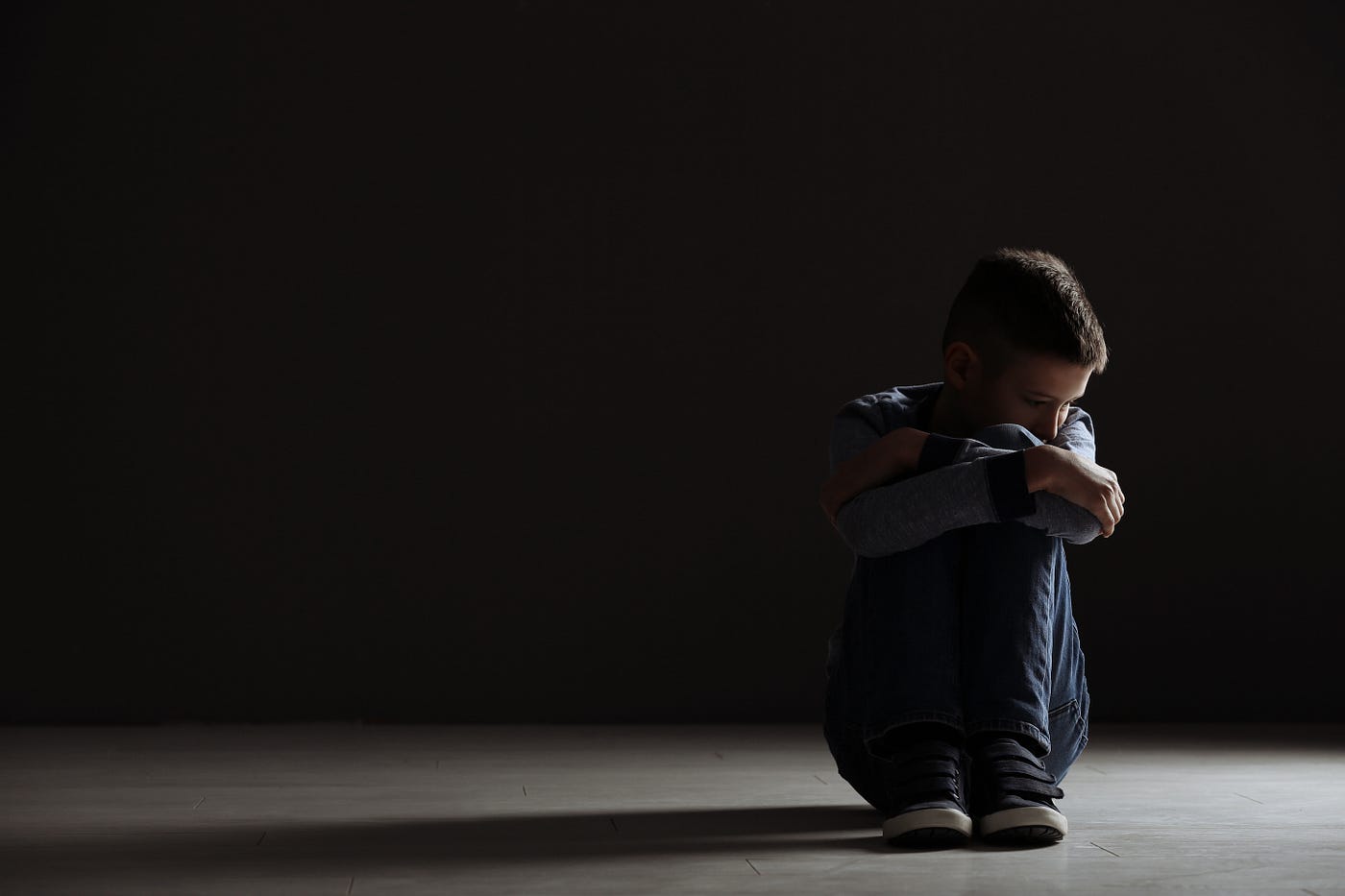
What Pete Buttigieg’s experience tells us about our nation’s family policing system
Children and families deserve support, not suspicion and surveillance
What Pete Buttigieg’s experience tells us about our nation’s family policing system
Children and families deserve support, not suspicion and surveillance
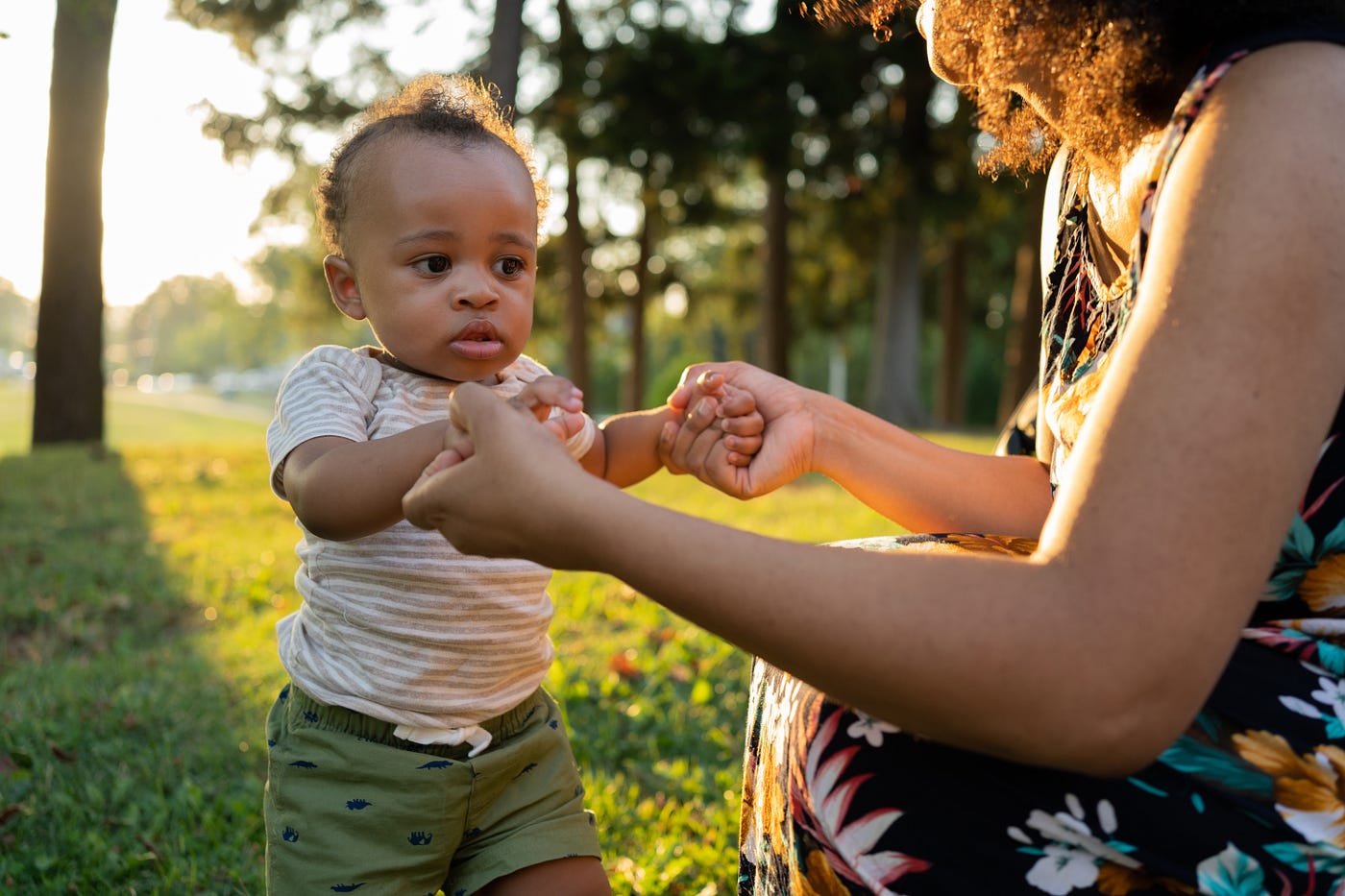
Child protection is a broad and shared responsibility that requires public investment in all families so they have what they need before a crisis occurs. (iStock image)
By Kristen Weber, Senior Director of Child Welfare at NCYL
When Pete Buttigieg recently shared how a malicious, anonymous child abuse report and subsequent investigation turned his family’s lives upside down, many around the country were rightfully shocked. His account is deeply personal: strangers entering his home, his young children grilled by investigators, his family temporarily separated. He described the experience as among the darkest of his life. The allegations that sparked the investigation were unfounded, yet the damage was real.
While his story deserves empathy, it should also raise a larger conversation. Because what happened to the Buttigieg family isn’t an extraordinary case of temporary family separation. On the contrary, it’s an ordinary feature in a deeply flawed system.
Every year, millions of families experience child welfare investigations. By the time they reach adulthood, more than one-third of all children in the U.S., and more than half of all Black children, will have been subjected to a child welfare investigation. These investigations aren’t simple fact-finding exercises. They’re government intrusions into family life that often involve unannounced home visits, probing interviews with children, searches of living spaces, demands for personal information, and the ever-present threat that a child could be taken from their family.
The repercussions remain, even when no abuse or neglect is found. Children remember being questioned by strangers and having their bodies examined. Parents remember the fear that one misunderstanding could separate them from the people they love most. Communities learn that asking for help can invite surveillance rather than support.
For decades, these experiences have remained largely invisible but also justified, mostly because they disproportionately affect families in under-resourced communities with little political clout.
Families living in poverty, Black families, Indigenous families, families with disabilities, immigrant families, and LGBTQ+ families are investigated at dramatically higher rates than others. Most families are reported not because of intentional physical or sexual abuse, but because of “neglect” or reasons primarily related to poverty. Yet the child welfare system doesn’t have the mandate or resources to support families in achieving economic stability, child care, and health care; instead these systems respond to unmet family needs with suspicion, assessments, and judgement rather than meaningful support.
Imagine being a parent struggling to find stable housing, affordable childcare, mental health services, or substance use treatment. Many families, knowing that asking for help could result in investigators arriving at their door or their child(ren) being questioned at school, make the rational decision to simply not ask.
That fear doesn’t make children safer. It isolates families from the very supports that could strengthen them.
In Pete Buttigieg’s case, his family has resources. He understands his rights and has access to legal advice. It’s still scary and harmful, but because of his status, he gets the benefit of the doubt.
Most families don’t have these privileges and aren’t able to fully shed the allegations, even if they’re discovered to be unfounded, since they are part of a family’s record and can be used to assess risk levels of families if another investigation is ever opened.
Most investigations happen quietly, outside public view, to working parents trying to stretch limited resources. Their stories rarely become headlines. Millions of children and parents have affirmed that child welfare investigations are traumatic and intrusive, but they’re often dismissed or ignored. We shouldn’t need a famous family’s account for us to recognize these blatant harms.
No child, of course, should be left in a dangerous situation, and all of us, including our government, has an essential role in protecting children from serious abuse. But protecting children and supporting families aren’t mutually exclusive. In fact, they work in tandem.
The strongest child protection system isn’t a single agency that investigates the most families. Child protection is a broad and shared responsibility that requires public investment in all families so they have what they need before a crisis occurs.
Pete Buttigieg’s story captured national attention because it happened to someone many Americans know. Our response should be to remember the millions of families whose stories never make the news.
Their children deserve the same dignity. Their parents deserve the same presumption that they are trying to do right by their families. And every family deserves support, not suspicion.
That’s how we truly keep children safe.
Kristen Weber is Senior Director of Child Welfare at NCYL.
메타데이터
- post_id
- facc09bbac04
- slug
- what-pete-buttigiegs-experience-tells-us-about-our-nation-s-family-policing-system-facc09bbac04
- url
- https://medium.com/ncyl-news/what-pete-buttigiegs-experience-tells-us-about-our-nation-s-family-policing-system-facc09bbac04
- canonical_url
- https://medium.com/ncyl-news/what-pete-buttigiegs-experience-tells-us-about-our-nation-s-family-policing-system-facc09bbac04
- author_url
- https://medium.com/@ncyl
- status
- ok
- fetched_at
- 2026-07-08 19:15:55