Why NDR Is the Nervous System of Modern Cybersecurity in 2026
We are in the beginning of a new exciting year in 2026, cybersecurity and threat landscape has changed a lot in the past year. Today…
Why NDR Is the Nervous System of Modern Cybersecurity in 2026
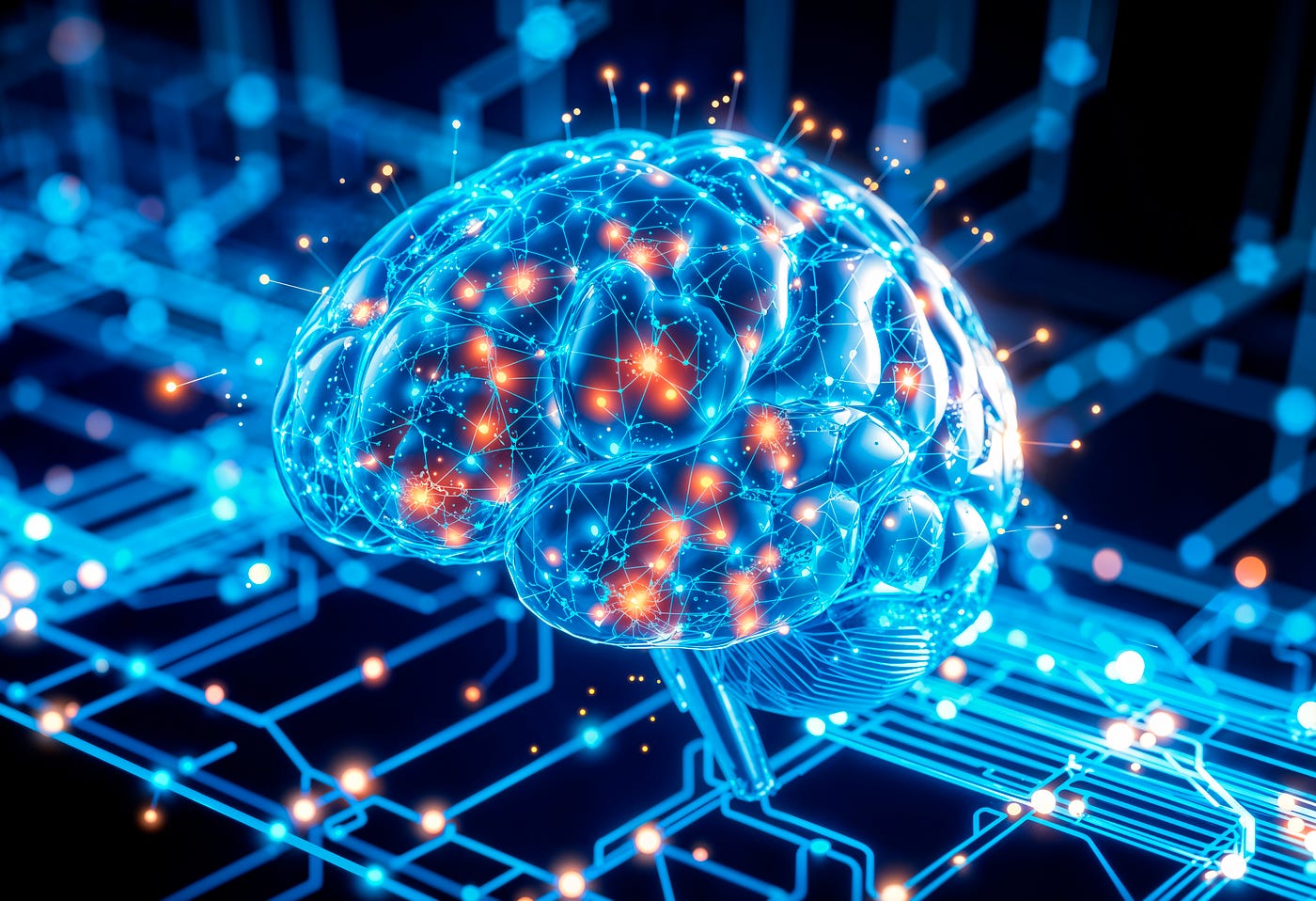
We are in the beginning of a new exciting year in 2026, cybersecurity and threat landscape has changed a lot in the past year. Today, cybersecurity is no longer about guarding a just the perimeter. Instead, it has become more about monitoring and protecting the entire digital environment. It’s about discerning, illuminating, and responding to endless change. As enterprises operate across hybrid clouds, SaaS, remote workforces, IoT, OT, AI-driven systems, **Network Detection and Response (NDR)** has emerged as the nervous system of modern security architectures.
In 2026, NDR services has become the “nervous system” of cybersecurity much like nerves in the human body detect stimuli and trigger responses. This is because it continuously perceives, interprets, and reacts to threats across an organization’s digital environment.
Here are the reasons why NDR has become the nervous system of modern cybersecurity threshold:
1. The Network Is the Only Constant Signal
Endpoints change. Identities rotate. Applications spin up and disappear. But network traffic reflects everything — every workload, user, device, API call, and data movement.
NDR monitors this invariant layer, giving security teams:
- Universal visibility across on-prem, cloud, OT, and SaaS.
- Insight into east-west traffic that EDR and SIEM often miss.
- Ground truth that attackers can’t easily fake.
Just as a nervous system continuously senses and interprets activity across the entire body — whether conscious or unconscious — **NDR tools** persistently monitors and understands activity across the enterprise, providing real-time awareness of everything moving through the network.
2. Prevention Has Failed — Detection Is the New Control
Now in 2026, breaches are assumed, not speculative:
- Zero-days outpace patch cycles.
- Living-off-the-land techniques avoid signatures.
- AI-powered phishing and malware mutate faster than detection rules.
NDR thrives here because it focuses on behavior, not known bads:
- East–west traversal across the environment.
- Remote control signaling between compromised hosts and adversaries
- Indicators of unauthorized data transfer.
- Deviations from normal protocol behavior.
This mirrors exactly how nerves do not exist to stop injury, but instead to sense unusual stimuli the moment injuries occur. It rapidly interprets that signal as a potential threat, and trigger an immediate, coordinated response that limits damage and organized recovery system.
3. AI Attacks Require AI Sensing
Attackers now use:
- Malware variants created using AI and machine learning models.
- Autonomous recon and privilege escalation.
- Evasion strategies that adapt in real time to counter security controls
NetWitness NDR platform in 2026 respond with:
- ML baselines of “normal” network behavior.
- Continuous learning across massive traffic volumes.
- Context-aware anomaly detection.
This imitate reflexes that are shaped and refined through learning and experience — adapting to new stimuli and threats in real time — rather than relying on stagnant, preprogrammed detection rules that fail when security conditions change.
4. NDR Orchestrates the Security Body
Modern security tools are sophisticated: EDR, XDR, SOAR, SIEM, IAM. Without proper integration and coordination, they become noise.
NDR acts as the integration layer:
- Enriches alerts with network context.
- Triggers automated containment (SOAR, firewalls, EDR).
- Validates or refutes alerts from other tools.
- Prioritizes incidents based on blast radius and data exposure.
Just as the nervous system coordinates muscles and organs, NDR synchronizes security actions.
5. Cloud, SaaS, Hybrid- Cloud and East-West Traffic Made NDR Essential
By 2026:
- Most attacks never touch the perimeter.
- Data moves laterally between microservices.
- SaaS-to-SaaS integrations bypass traditional controls.
NDR is often the only technology that sees:
- Cloud workload-to-workload abuse.
- API misuse and token abuse.
- Shadow IT communications.
- Insider threats across trusted networks.
Without an operating nervous system to continuously sense and respond activity across the environment, an organization lacks true awareness of what is happening inside its network. Without that situational awareness, it cannot sense and respond effectively, decisively, or in time when an attack unfolds.
6. NDR Scales Cyber Resilience, Not Just Security
The goal has shifted from prevent breaches to limit impact and recover fast.
NDR supports resilience by:
- Detecting attacks early in the kill chain.
- Mapping attacker paths in real time.
- Measuring dwell time and exposure.
- Providing forensics-grade traffic records.
This is comparable to pain signals in the human body, where early detection prompts rapid protective response, ultimately reducing the injury severity, long-term damage, and accelerating recovery.
7. From Tool to Foundational Layer
In 2026, **NDR services** is no longer “nice to have”:
- It’s a required control in Zero Trust architectures.
- A core signal source for XDR.
- A compliance enabler for regulated industries.
- A necessity for AI-safe, cloud-first enterprises.
Organizations without NDR aren’t blind — they’re numb.
The Bottom Line
NDR is the nervous system of modern cybersecurity because it provides continuous sensing, intelligent interpretation, and coordinated response across the entire digital body.
In an era where:
- Security incidents are unavoidable.
- Digital environments shift faster than static controls can adapt.
- Adversaries evolved and has become more intelligent than ever.
In this environment, only a system that is always active, learns continuously, and adapts in real time can keep up with today’s fast, complex, and sophisticated threats.
And in 2026, that system is NDR. See more about **NetWitness NDR** to see how it works in real-time for threat detection and response in one platform.
메타데이터
- post_id
- facfb5aa8e83
- slug
- why-ndr-is-the-nervous-system-of-modern-cybersecurity-in-2026-facfb5aa8e83
- url
- https://meetcyber.net/why-ndr-is-the-nervous-system-of-modern-cybersecurity-in-2026-facfb5aa8e83
- canonical_url
- https://meetcyber.net/why-ndr-is-the-nervous-system-of-modern-cybersecurity-in-2026-facfb5aa8e83
- author_url
- https://medium.com/@netwitness
- status
- ok
- fetched_at
- 2026-06-20 20:29:01