What Makes a CNC Tech USB Cable Assembly Reliable?
What Makes a CNC Tech USB Cable Assembly Reliable?
What Makes a CNC Tech USB Cable Assembly Reliable?
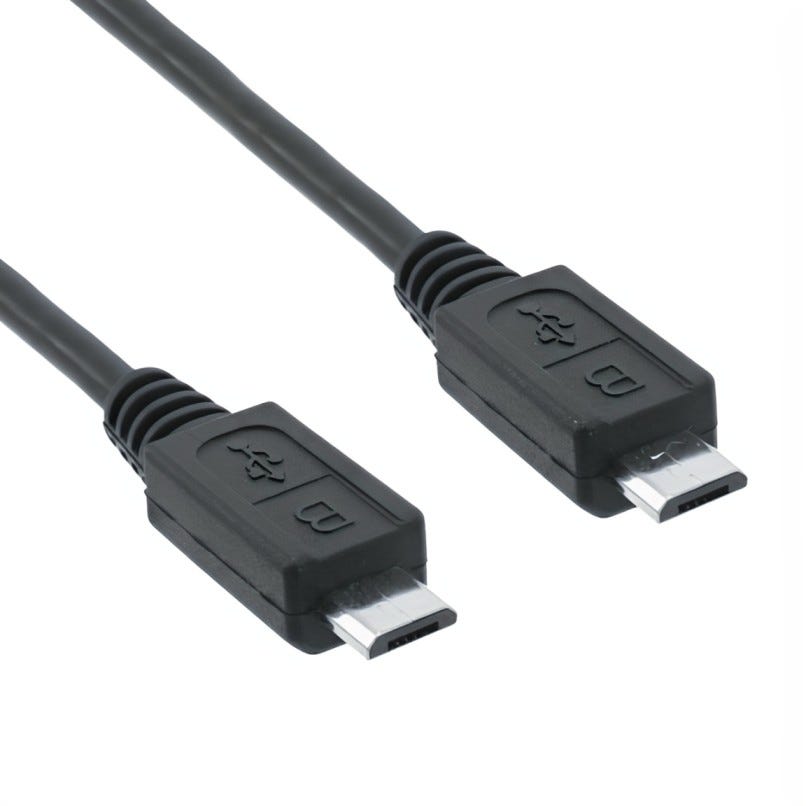
What Makes a CNC Tech USB Cable Assembly Reliable?
In modern electronics, a **CNC Tech USB cable assembly** is more than a simple lead. It is a precision link that carries power and data between laptops, controllers, sensors, and tools, while staying stable in real working conditions.
Where a CNC Tech USB Cable Assembly Fits in Real Systems
USB cable assemblies simplify connectivity and speed up integration across industrial and commercial builds. For example, they connect test tools, HMI panels, and embedded controllers in manufacturing cells and labs.
They also support commissioning and maintenance. A technician can program microcontrollers, capture sensor data, or interface with controllers that drive **contactors**, switches, and LEDs inside a panel.
Common use cases to design around
- Laptop to controller configuration and firmware updates
- Sensor gateways and data logging modules in electronics enclosures
- Bench prototypes using microprocessors and microcontrollers
Anatomy of a High Quality USB Cable Assembly
A cable assembly is a system of parts that must work together. When you choose a CNC Tech USB cable assembly, you are evaluating materials, geometry, and termination quality, not only length.
Conductors, shielding, and strain relief
Good conductors reduce voltage drop and keep data lines clean. Effective shielding limits noise from motors, contactors, and switching power supplies. Strong strain relief protects the termination from repeated bends and pulls.
Connectors that keep contact stable
Connectors define the interface. A well made connector maintains solid contact under vibration and repeated mating cycles, helping avoid random disconnects.
In many installations, connectors sit near oils, dust, and thermal sources. Therefore, robust housings and secure **latches** reduce accidental unplugging during operation.

Performance Factors That Matter in Industrial Electronics
Even when two cables look similar, their real world behaviour can differ. These factors explain why a better assembly often reduces troubleshooting time.
Signal integrity, noise, and grounding
USB data depends on controlled impedance and consistent termination. If geometry or shielding is weak, you may see unstable detection, dropouts or corrupted transfers.
Noise sources include contactors switching, high current **tools**, and nearby power cables. A well shielded assembly and sensible grounding reduce EMI coupling and improve stability for sensors and controller links.
Thermal stress and material stability
Heat changes resistance and can soften insulation. Thermal exposure may come from enclosed panels, adjacent drives, or warm process equipment. Choose materials that tolerate the expected thermal range and resist jacket cracking.
If devices sit near hot zones, route away from heat and manage hotspots in the enclosure. For example, thermal pads on heat producing parts can lower ambient peaks around sensitive electronics.
Power delivery, drops, and protection
Many USB connections power modules, **LEDs**, and small controllers. Voltage drop increases with length and thin conductors, so match the assembly to the draw and distance.
For higher risk environments, build protection into the wider system:
- Add fuses on power rails feeding USB powered subsystems when appropriate
- Use switches for controlled power up and power down during service
- Separate noisy loads like contactors from signal routing paths
Selecting the Right CNC Tech USB Cable Assembly
A practical method is to map requirements to specific build attributes. Start with the device side, then factor in the installation environment.
Fit and compatibility checklist
- Confirm connector type and orientation for the target port
- Choose a length that supports routing without tension
- Select a jacket that resists oils and abrasion
- Prefer firm grips or overmoulds for frequent handling
- Ensure the assembly matches the USB spec used by your device
Environment and routing considerations
Consider bend radius, cable motion, and mounting points. If the cable moves with a door or robot axis, flex life and strain relief matter more. If it passes sharp edges, add grommets or protective sleeves.
Also plan separation from high current conductors. Keeping signal cables away from switching devices protects sensors, **microprocessors**, and controller communications.

Integration Tips for Sensors, Controllers, and Test Tools
A cable assembly performs best when you integrate it thoughtfully. Small changes in routing and strain control can improve reliability.
Practical routing steps
- Route USB cables away from contactors, transformers, and motor lines
- Cross **power cables** at right angles when paths must intersect
- Secure the cable to reduce vibration at the connectors
- Avoid tight loops near heat sources and thermal zones
- Label both ends to simplify service and reduce errors
Building reliable panels and enclosures
If your USB link connects to microcontrollers or controllers inside a cabinet, keep wiring tidy and protected. Use proper grounding points, and avoid pinching the jacket in door channels.
When adding indicators like LEDs, place a capacitor near sensitive loads if needed to smooth dips. For noisy sites, consider filtered distribution and good earthing to protect electronics from spikes.
Handling, Safety, and Maintenance Best Practices
Even a high quality assembly can fail early if it is handled poorly. Therefore, train users on safe habits and simple inspection.
What to inspect during routine checks
- Loose connectors and worn grips
- Jacket cuts, crushing, or oil swelling
- Heat discoloration near thermal sources
- Strain relief separation at the connector
- Data stability under normal movement
Safe usage habits
Unplug by the connector body, not by the cable. Keep connectors clean and dry, and store spares away from oils and abrasive tools. In harsh conditions, replace on a schedule to protect uptime.
Final Thoughts
A CNC Tech USB cable assembly may look small, yet it strongly affects reliability and service time. When you choose the right conductors, shielding, connectors, and materials, you support stable links for laptops, sensors, **microcontrollers**, and controllers, while keeping your electronics integration clean and repeatable.
메타데이터
- post_id
- faedef3e1982
- slug
- what-makes-a-cnc-tech-usb-cable-assembly-reliable-faedef3e1982
- url
- https://medium.com/@jackzkr317/what-makes-a-cnc-tech-usb-cable-assembly-reliable-faedef3e1982
- canonical_url
- https://medium.com/@jackzkr317/what-makes-a-cnc-tech-usb-cable-assembly-reliable-faedef3e1982
- author_url
- https://medium.com/@jackzkr317
- status
- ok
- fetched_at
- 2026-07-17 23:36:04