Why CIOs Are Choosing BIAN for the Next Decade
BIAN is becoming the preferred architecture for CIOs because it enables modular, reusable, and cloud-ready banking systems. By…
Why CIOs Are Choosing BIAN for the Next Decade

BIAN is becoming the preferred architecture for CIOs because it enables modular, reusable, and cloud-ready banking systems. By standardizing service domains, APIs, and data semantics, BIAN reduces complexity, accelerates modernization, lowers integration costs, and prepares banks for AI-driven capabilities over the next decade.
This article is part of our ongoing BIAN series. Here, we explain why CIOs are choosing BIAN for its reusability, cost efficiency, composability for greater agility, and support for AI in modern banking.
New to the series? You may find it helpful to begin with our introductory post: “What is BIAN?”
On top of supporting fast change in cloud, fintech, and AI projects, chief information officers are tasked with delivering systems that are reliable, safe, and cost-efficient. The Banking Industry Design Network (BIAN) has gained widespread recognition as a valuable resource for modern banking design in recent years. In addition to reducing redundancy and ensuring that technological effort is aligned with long-term goals, it provides them with a clear means to manage complexity.
The BIAN Model as an Example of Composable Banking

By utilizing a shared business object model and standard semantic application programming interfaces, BIAN can structure banking into modular service domains. What you get from this arrangement is:
- A structure that is modular and prevents the use of a single vendor.
- This arrangement allows for the improvement or replacement of capabilities, such as loans or payments, without the need to redesign the system’s basic functions.
- Integration of cloud services and financial solutions occurs more quickly.
This pattern is consistent with the way chief information officers design their future platforms. Systems that can accommodate change without requiring significant redesigns, that enable numerous channels, and that keep risk under control are what they desire.
Cost Management and Enhanced Delivery Speed
Chief Information Officers are tasked with reducing expenses while simultaneously increasing delivery capacity. They are supported by BIAN through the following:
Reusable service domains that cut down on the amount of work required between platforms.
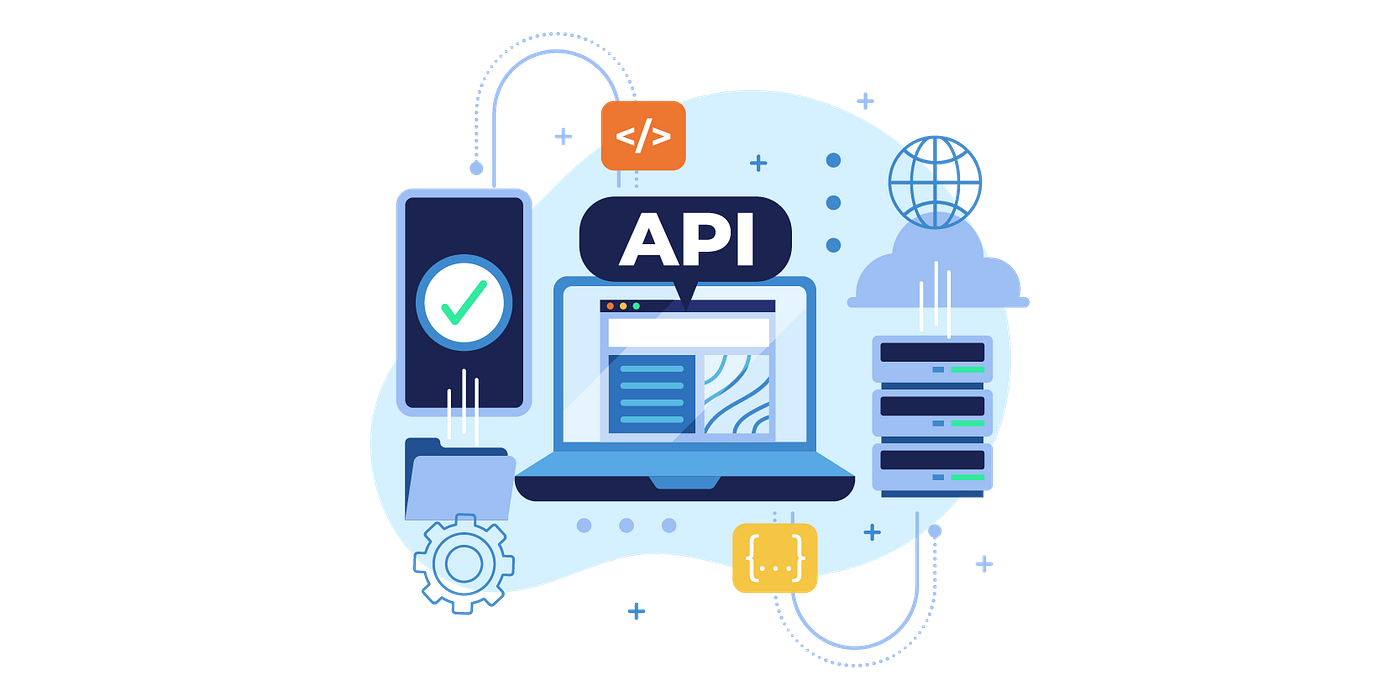
Standard Application Programming Interfaces (APIs) and patterns that reduce product release cycles are also provided. This approach offers an alternative to complete core replacement through controlled modernization.
As a result of this approach, financial institutions can transition from large-scale transformation efforts to focused upgrades that produce value more quickly. With each new modification, testing, deploying, and governing become less difficult.
Access to the Cloud, Business as a Service, and Embedded Finance
A movement toward business models that are based on platforms is occurring in the sector. In accordance with this move, BIAN offers the following:
- BIAN provides cloud-ready APIs suitable for hybrid and multi-cloud environments.
- Support for Banking as a Service, which allows financial institutions to make their secure capabilities available to third-party partners.
- BIAN assists in integrating embedded finance into retail, mobility, and service platforms.
- Breaking down legacy systems reduces risk and improves delivery speed. BIAN supports a service-oriented approach that lets banks split large legacy systems into smaller, reusable service components. This makes it easier to update or integrate specific parts of the system without replacing the full infrastructure.
With this capability, banks can broaden their customer base, establish new alliances, and open up new income sources without having to resort to complicated bespoke constructions.
Getting Ready for Artificial Intelligence and Making Better Use of Data
AI is dependent on data that is well-organized, consistent, and of high quality. You can benefit from the common definitions provided by BIAN:
- Implement artificial intelligence for customization, fraud detection, and prediction.
- Enhance the quality of the data and decrease disputes that occur between domains.
- A single digital service layer that eliminates the need for repetitive effort should be created.
While also lowering the cost of future modifications, the result provides teams with a robust platform for artificial intelligence systems.
Interoperability, Governance, and Security are the Issues by specifying unambiguous records, ownership rules, and behavior qualifiers, BIAN makes control more effective.
This lends support to:
- BIAN ensures compliance through traceable data transfers and its structured Business Object Message (BOM).
- Adherence to consistent API standards can achieve strong security.
- The system is compatible with ISO 20022, IFX, and other industry standards related to its development.
CIOs can update their organizations without compromising supervision or exposing holes in data management because of this.
At last, why Chief Information Officers Are Supporting BIAN?

CIOs choose BIAN because it provides practical benefits that earlier architectures cannot match.
- A modular design that considers change.
- Reduce costs by reusing materials and performing extra tasks.
- A cloud alignment that makes it possible to implement embedded finance and BaaS.
- An AI-ready service layer that is reliable and available.
Inbuilt governance, security, and interoperability are all features we offer.
BIAN provides chief information officers with a straightforward method of getting their banks ready for the next ten years. BIAN supports growth, reduces complexity, and provides a common language for companies and technology teams to communicate with each other. This will be the final article in our introductory BIAN series, closing out the foundation before we move into deeper architectural topics.
References
메타데이터
- post_id
- fb0e87af5d98
- slug
- why-cios-are-choosing-bian-for-the-next-decade-fb0e87af5d98
- url
- https://medium.com/adl-blog/why-cios-are-choosing-bian-for-the-next-decade-fb0e87af5d98
- canonical_url
- https://medium.com/adl-blog/why-cios-are-choosing-bian-for-the-next-decade-fb0e87af5d98
- author_url
- https://medium.com/@yasas.wijedasa
- status
- ok
- fetched_at
- 2026-07-14 05:04:12