Softphone vs Traditional Phone Systems: What You Need to Know
Have you noticed how business communication has changed over the last few years? Traditional desk phones are no longer the only choice for…
Softphone vs Traditional Phone Systems: What You Need to Know
Have you noticed how business communication has changed over the last few years? Traditional desk phones are no longer the only choice for businesses. Today, many companies are switching to cloud-based communication solutions that offer greater flexibility and convenience. One of the most popular options is the Softphone, which allows users to make and receive business calls through the internet. As more businesses adopt remote and hybrid work models, the comparison between soft phone systems and traditional phone systems has become increasingly important. In this article, we’ll explore both options, highlight their key differences, and help you choose the right solution for your business.
What Is a Softphone?
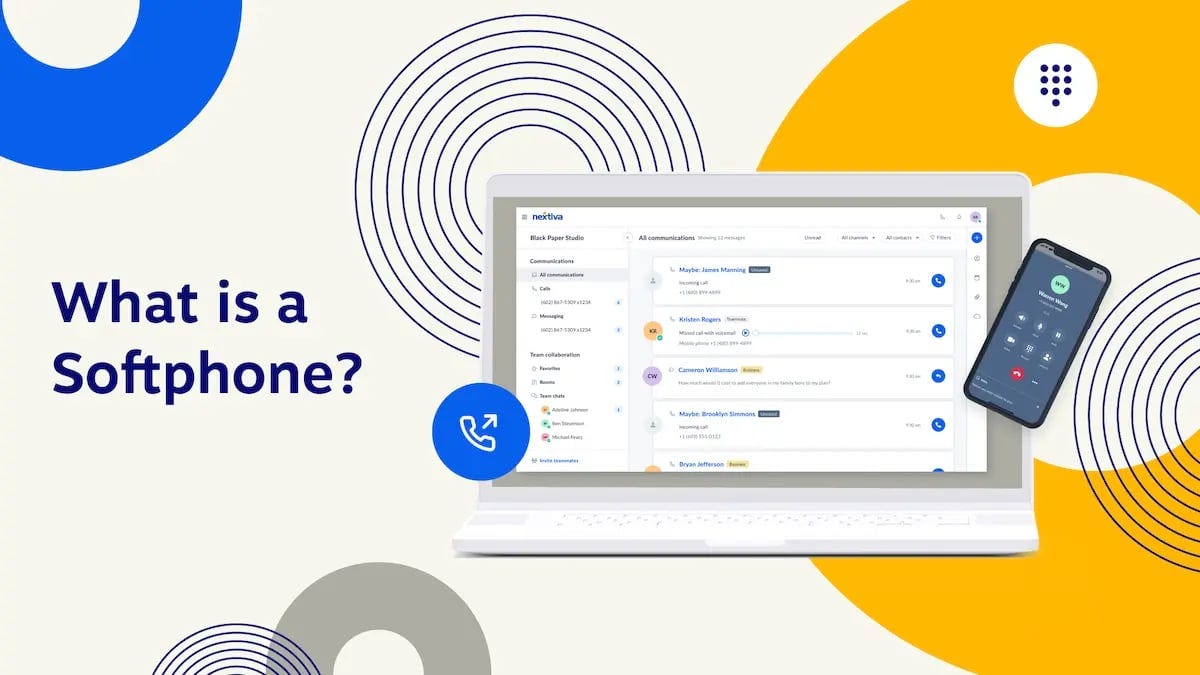
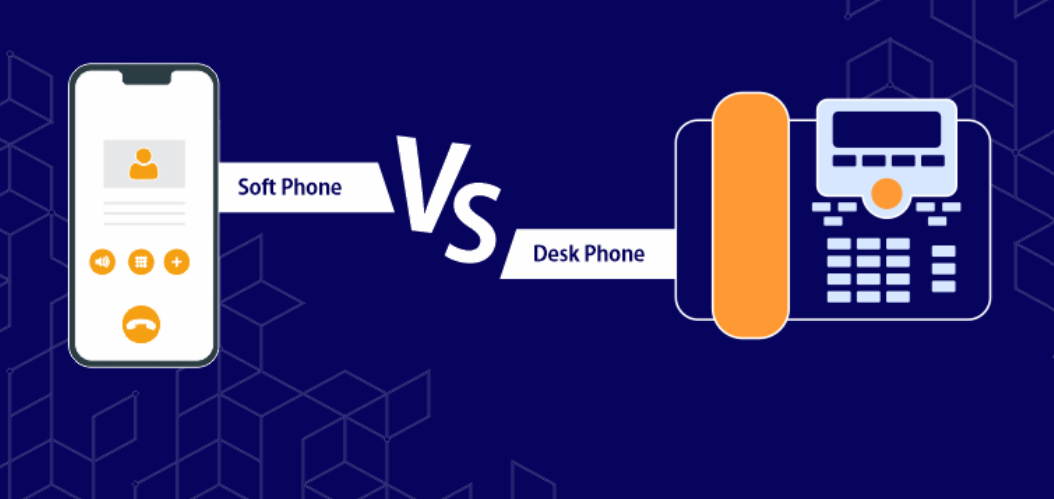
Think of a **Softphone** as a phone that works through software instead of physical hardware. Rather than using traditional phone lines, it uses the internet and VoIP (Voice over Internet Protocol) technology to make and receive calls. This means you can handle business calls from a desktop, laptop, smartphone, or tablet without being tied to a desk phone.
A modern cloud softphone gives employees the freedom to stay connected from almost anywhere. Whether you’re working from the office, home, or on the go, calls can be managed easily. Most softphone software also includes useful features such as call transfer, voicemail, business messaging, call forwarding, and conference calling. As a result, communication becomes simpler, more flexible, and easier to manage.
What Are Traditional Phone Systems?
Before cloud communication became popular, most businesses relied on traditional phone systems for daily communication. These systems use physical phone lines and hardware to make and receive calls. A typical setup usually includes desk phones connected to a PBX (Private Branch Exchange) system, which helps route calls within the organization and to external numbers.
Traditional phone systems have been trusted for many years because they provide stable and reliable voice communication. Many businesses became comfortable with these setups and continued using them as their communication needs grew. However, they often require dedicated hardware, installation, and ongoing maintenance. While they still work well for some organizations, modern businesses are increasingly looking for more flexible and scalable communication solutions.
Key Differences Between Softphones and Traditional Phone Systems
Flexibility and Mobility
A virtual phone system allows users to attend business calls from anywhere using the internet. It supports mobile, laptop, and desktop usage easily. Whereas, traditional phone systems are usually limited to office locations. In contrast, mobility is highly restricted in such systems.
Setup and Maintenance
Softphones can be set up quickly with simple software installation. It does not require heavy hardware or complex wiring. However, traditional systems need physical devices and proper installation. They also require regular maintenance and technical support.
Cost Considerations
Softphones come with lower upfront costs and flexible subscription plans. Businesses can scale spending as needed. In contrast, traditional systems require high initial investment in hardware and setup. Ongoing maintenance also increases total cost.
Scalability
A virtual phone system allows new users to be added instantly through software. It supports fast business growth. Unlike this, traditional systems need additional hardware and phone lines. Scaling becomes slower and more complex.
Are Traditional Phone Systems Still Relevant?
Yes, traditional phone systems are still used in some cases. They can work well for businesses with simple communication needs. If only basic calling is required, they may still be enough.
However, they are also preferred in areas where internet connectivity is not stable. In such places, traditional systems can feel more reliable.
But before choosing, business needs should be carefully evaluated. It should be checked how calls are handled daily and what level of flexibility is required. If mobility and scaling are important, modern options may be better. If simplicity is the goal, traditional systems can still work.
How to Choose the Right Solution for Your Business
- Check team size to know how many users are needed.
- Plan budget to match cost with business needs.
- Consider remote work for flexible communication.
- Think about future growth for easy scaling.
- List required features for daily operations.
Conclusion
So, both softphones and traditional phone systems work in different ways. Softphones are more flexible, easier to scale, and better for modern business needs. They help teams stay connected from anywhere and improve daily communication. On the other hand, traditional systems are still useful in some simple setups or where internet access is limited.
But clearly, a shift toward cloud-based communication is being seen everywhere. Businesses are moving toward smarter, faster, and more flexible solutions. In the future, soft phone systems will likely become the main way companies handle communication, making work more connected and efficient.
FAQs
1. What is a softphone in simple terms?
A softphone is a software-based phone used for business calls over the internet. It works on devices like laptops, mobiles, and tablets. Unlike traditional phones, no physical hardware is needed, making communication more flexible and easier to manage.
2. Do softphones need an internet connection?
Yes, a stable internet connection is required for softphones to work properly. Calls are made using VoIP technology, which depends on internet speed and quality. Without internet access, softphone communication cannot function effectively.
3. Are traditional phone systems still used today?
Yes, traditional phone systems are still used by some businesses. They are preferred in setups with basic needs or limited internet access. However, many companies are shifting to modern cloud-based solutions for better flexibility.
4. Which is more cost-effective, a softphone or traditional system?
Softphones are generally more cost-effective because they need less hardware and lower setup costs. Traditional systems require physical equipment and maintenance, which increases overall expenses over time for businesses.
5. Can softphones support remote work?
Yes, softphones are highly suitable for remote work. Employees can take business calls from anywhere using their devices. This makes communication smoother for hybrid and distributed teams working across different locations.
메타데이터
- post_id
- fb2e94d845f7
- slug
- softphone-vs-traditional-phone-systems-what-you-need-to-know-fb2e94d845f7
- url
- https://medium.com/@CallerDesk/softphone-vs-traditional-phone-systems-what-you-need-to-know-fb2e94d845f7
- canonical_url
- https://medium.com/@CallerDesk/softphone-vs-traditional-phone-systems-what-you-need-to-know-fb2e94d845f7
- author_url
- https://medium.com/@CallerDesk
- status
- ok
- fetched_at
- 2026-08-22 01:46:00