How to Improve Energy Efficiency in Commercial Refrigeration Systems
Commercial refrigeration systems play a critical role in businesses such as restaurants, supermarkets, hotels, food storage facilities, and…
How to Improve Energy Efficiency in Commercial Refrigeration Systems
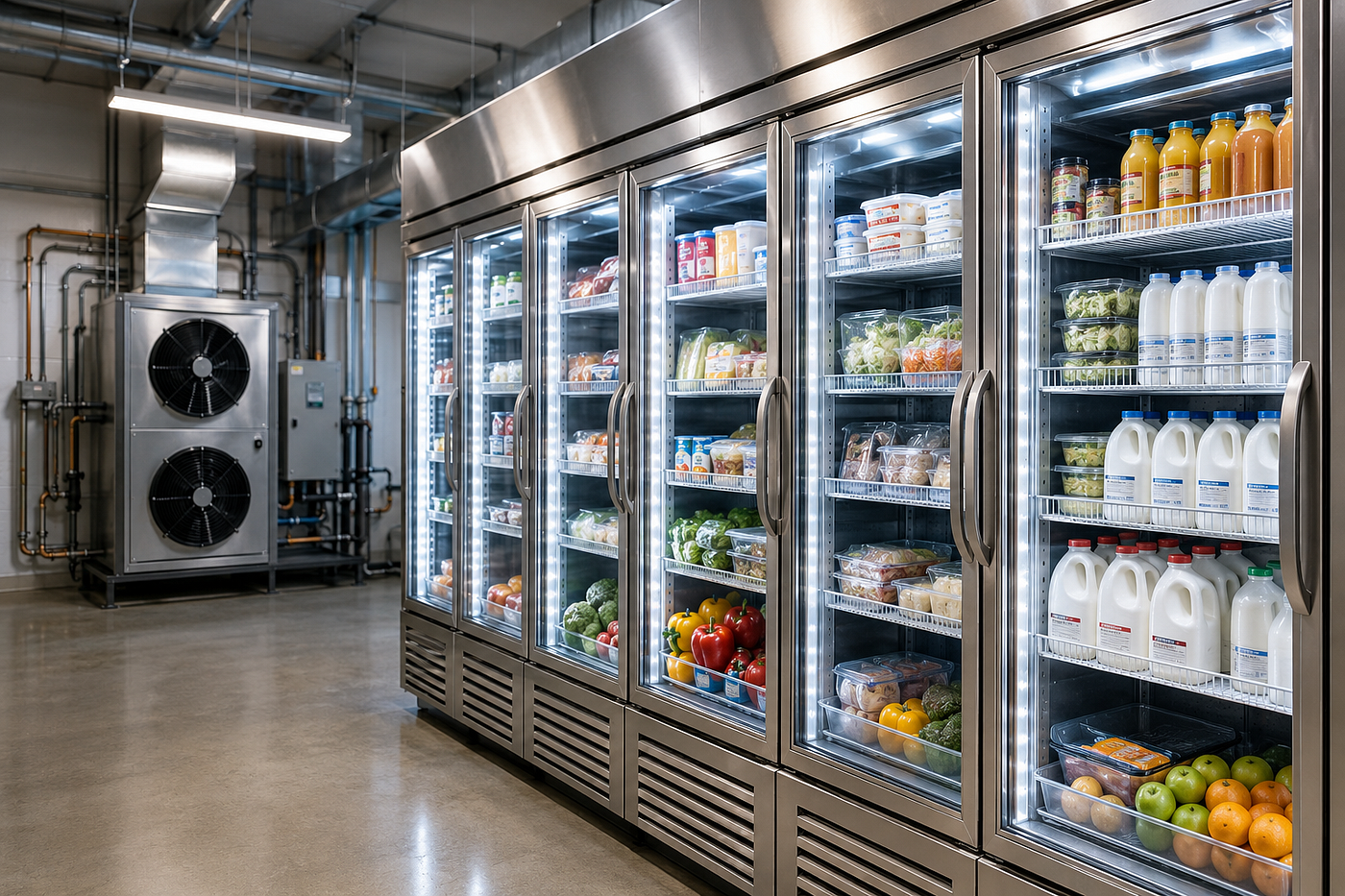
Commercial refrigeration systems play a critical role in businesses such as restaurants, supermarkets, hotels, food storage facilities, and commercial kitchens. However, refrigeration equipment is also one of the largest consumers of energy in many commercial properties.
With rising electricity costs and increasing focus on sustainability, improving the energy efficiency of commercial refrigeration systems has become essential. A well-maintained and optimized refrigeration system can reduce operating costs, improve equipment performance, and extend the lifespan of refrigeration units.
In this guide, we will discuss practical ways to improve energy efficiency in commercial refrigeration systems and reduce unnecessary energy consumption.
1. Schedule Regular Refrigeration Maintenance
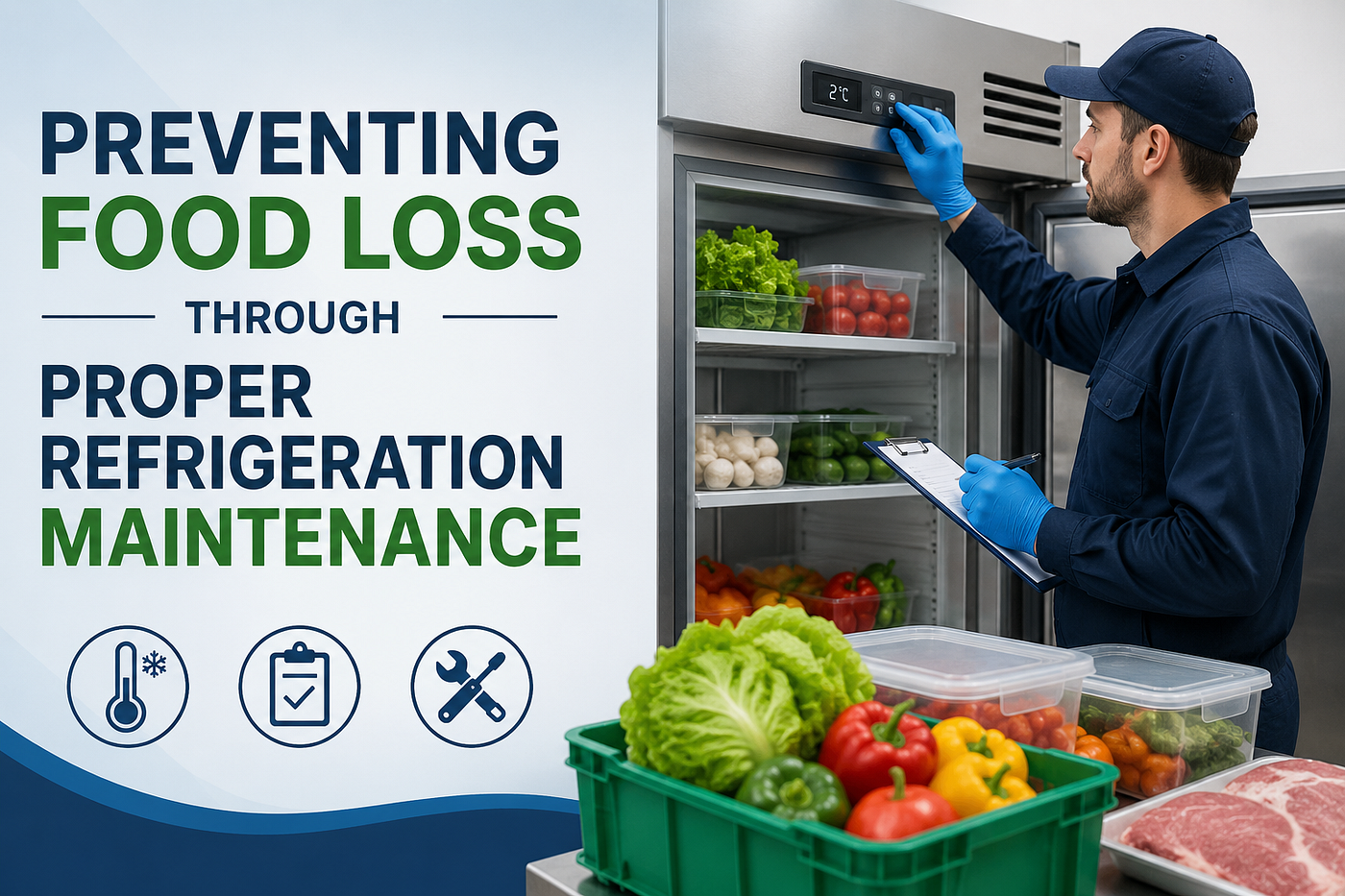
One of the most effective ways to improve energy efficiency is through regular maintenance.
Over time, refrigeration components such as compressors, condenser coils, fans, and filters can collect dirt and dust. When these parts become dirty, the system has to work harder to maintain the required temperature, leading to higher energy consumption.
Regular maintenance should include:
- Cleaning condenser coils
- Checking refrigerant levels
- Inspecting electrical components
- Testing thermostat accuracy
- Checking fan operation
- Cleaning evaporator coils
- Inspecting door seals
A properly maintained refrigeration system operates more efficiently and prevents unexpected breakdowns.
2. Keep Condenser Coils Clean
The condenser coil is responsible for releasing heat from the refrigeration system. When the coil is covered with dust or grease, heat transfer becomes less effective.
As a result:
- Compressor workload increases
- Energy usage rises
- Cooling performance decreases
- Equipment life is reduced
Cleaning condenser coils regularly helps the system remove heat more efficiently and lowers electricity consumption.
For commercial kitchens and restaurants, condenser cleaning should be performed more frequently because grease and airborne particles can build up quickly.
3. Check and Replace Damaged Door Seals
Cold air escaping from refrigerator doors is one of the most common causes of energy waste.
Damaged or worn door gaskets allow warm air to enter the cabinet, forcing the compressor to run continuously to maintain temperature.
Signs of damaged door seals include:
- Frost buildup around doors
- Refrigerator running constantly
- Temperature fluctuations
- Increased energy bills
Replacing faulty door seals is a simple and cost-effective way to improve refrigeration efficiency.
4. Optimize Refrigerator Temperature Settings
Many businesses operate refrigeration systems at colder temperatures than necessary, which increases energy consumption.
Maintaining the correct temperature helps balance food safety and energy efficiency.
General recommendations:
- Avoid unnecessary temperature reduction
- Regularly check thermostat settings
- Use digital temperature monitoring systems
- Prevent frequent temperature fluctuations
A small temperature adjustment can significantly reduce energy usage over time.
5. Upgrade to Energy-Efficient Refrigeration Equipment
Older refrigeration systems often consume much more power compared to modern energy-efficient models.
New commercial refrigeration units may include:
- High-efficiency compressors
- LED interior lighting
- Better insulation
- Smart temperature controls
- Energy-saving fan motors
Upgrading outdated equipment can provide long-term savings through reduced electricity costs and improved performance.
6. Use LED Lighting Inside Refrigeration Units
Traditional lighting generates more heat and requires more energy compared to LED lights.
LED refrigeration lighting offers several benefits:
- Lower energy consumption
- Less heat production
- Longer lifespan
- Better product visibility
Replacing old bulbs with LED lighting is an affordable efficiency improvement.
7. Improve Refrigeration System Insulation
Proper insulation helps maintain stable internal temperatures and prevents cold air loss.
Poor insulation can cause:
- Longer compressor operation
- Higher electricity usage
- Reduced cooling efficiency
Businesses should regularly inspect:
- Cabinet insulation
- Door seals
- Pipe insulation
- Cold room panels
Good insulation reduces the workload on refrigeration equipment.
8. Install Smart Refrigeration Controls
Modern refrigeration controls help businesses monitor and manage energy usage more effectively.
Smart control systems can:
- Automatically adjust cooling cycles
- Monitor temperature changes
- Detect system problems
- Reduce unnecessary compressor operation
Remote monitoring systems are especially useful for large commercial refrigeration setups.
9. Avoid Overloading Refrigeration Units
Overloading refrigerators can restrict proper airflow, making the system work harder.
To improve efficiency:
- Maintain proper spacing between products
- Avoid blocking air vents
- Allow air circulation inside cabinets
- Organize products properly
Good airflow improves cooling performance and reduces energy waste.
10. Reduce Frequent Door Opening
Every time a refrigerator door opens, warm air enters the cabinet. The system then uses extra energy to bring the temperature back down.
To reduce energy loss:
- Train staff to minimize unnecessary opening
- Use self-closing doors
- Install strip curtains for cold rooms
- Organize products for easy access
Small operational changes can create noticeable energy savings.
11. Check Refrigerant Levels Regularly
Incorrect refrigerant levels can reduce cooling efficiency and increase energy consumption.
Low refrigerant levels may cause:
- Poor cooling performance
- Compressor stress
- Longer running times
- Higher power usage
Professional refrigeration technicians should inspect refrigerant levels and identify possible leaks.
12. Maintain Proper Airflow Around Equipment
Commercial refrigeration units need enough space for ventilation.
Poor airflow around equipment can cause overheating and reduce efficiency.
Ensure:
- Condenser areas are not blocked
- Equipment has enough clearance
- Ventilation systems work properly
Proper airflow allows refrigeration systems to operate efficiently.
13. Use Energy Monitoring Systems
Energy monitoring tools help businesses understand where energy is being wasted.
These systems can track:
- Electricity consumption
- Compressor performance
- Temperature changes
- Operating patterns
With accurate data, businesses can identify efficiency improvements and reduce unnecessary costs.
Benefits of Improving Commercial Refrigeration Efficiency
Improving refrigeration efficiency provides several advantages:
Lower Energy Bills
Efficient systems consume less electricity, reducing monthly operating expenses.
Longer Equipment Lifespan
Regular maintenance reduces stress on compressors and other components.
Better Cooling Performance
Optimized systems maintain stable temperatures and protect stored products.
Reduced Environmental Impact
Lower energy consumption helps businesses reduce their carbon footprint.
Fewer Emergency Repairs
Preventive maintenance reduces unexpected breakdowns and downtime.
Conclusion
Energy efficiency in commercial refrigeration systems depends on proper maintenance, smart operation, and regular equipment upgrades. Simple improvements such as cleaning condenser coils, maintaining door seals, optimizing temperatures, and using energy-efficient technology can significantly reduce electricity costs.
For businesses relying on refrigeration every day, investing in efficiency improvements is not only a way to save money but also a step toward more reliable and sustainable operations.
A professional refrigeration service provider can help assess your system, identify energy-saving opportunities, and ensure your equipment performs at its best.
메타데이터
- post_id
- fb45df08efe2
- slug
- how-to-improve-energy-efficiency-in-commercial-refrigeration-systems-fb45df08efe2
- url
- https://medium.com/@refrigerationcoolfast/how-to-improve-energy-efficiency-in-commercial-refrigeration-systems-fb45df08efe2
- canonical_url
- https://medium.com/@refrigerationcoolfast/how-to-improve-energy-efficiency-in-commercial-refrigeration-systems-fb45df08efe2
- author_url
- https://medium.com/@refrigerationcoolfast
- status
- ok
- fetched_at
- 2026-07-14 09:44:18