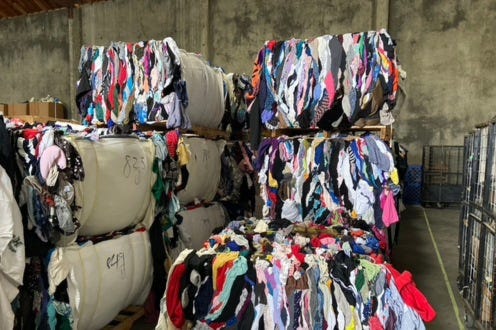
Best Markets for Bulk Second-Hand Apparel Trade in 2026
The global demand for second-hand clothing is growing faster than ever. What was once seen as a low-income alternative is now a…
Best Markets for Bulk Second-Hand Apparel Trade in 2026

The global demand for second-hand clothing is growing faster than ever. What was once seen as a low-income alternative is now a multi-billion-dollar global industry driven by sustainability, affordability, and changing fashion trends.
In 2026, the second-hand apparel market is expected to grow rapidly, with projections reaching nearly $485 billion by 2031. This growth creates massive opportunities for wholesalers, exporters, and bulk buyers.
If you’re in the business of bulk or wholesale second-hand apparel, knowing where demand is highest can help you maximize profits and scale faster.
Let’s explore the top international markets for bulk second-hand clothing trade in 2026.
Why the Demand for Second-Hand Apparel is Rising
Before diving into markets, it’s important to understand why this industry is booming:
- Increasing awareness of sustainable fashion
- The rising cost of new clothing due to inflation
- Growing popularity among Gen Z and millennials
- Expansion of resale platforms and thrift culture
- Demand for affordable branded clothing
Globally, millions of garments are reused every year, with over 39 billion pieces circulating in resale markets.
Top Global Markets for Bulk Second-Hand Apparel
1. Africa: The Largest Import Market
Africa remains the biggest destination for bulk second-hand clothing, accounting for around 55% of global imports.
Key Countries:
- Ghana
- Kenya
- Tanzania
- Uganda
Why Africa is a top market:
- High demand for affordable clothing
- Strong culture of open-air resale markets
- A large population relies on second-hand fashion
- Daily turnover of bulk inventory
Markets like Kantamanto in Ghana handle millions of garments weekly, making them some of the largest resale hubs in the world.
Best for wholesalers: Mixed bales, everyday wear, women’s clothing (high turnover)
2. Southeast Asia: Fast-Growing Demand
Countries in Southeast Asia are becoming major growth markets for second-hand apparel.
Key Countries:
- Philippines
- Indonesia
- Thailand
Why demand is rising:
- A growing middle class is looking for affordable branded clothes
- High preference for Japanese and Korean second-hand fashion
- Strong thrift culture among youth
This region is known for strict quality standards, meaning buyers prefer:
- Sorted clothing
- Clean and wearable items
- Trend-focused fashion
Best for wholesalers: Premium sorted clothing, branded items, streetwear
3. Middle East: Premium Resale Market
The Middle East is emerging as a high-value market for second-hand clothing, especially for premium and branded items.
Key Countries:
- UAE
- Saudi Arabia
- Qatar
Market highlights:
- Demand for high-quality and branded apparel
- Customers willing to pay 3–4x higher margins
- Growth driven by luxury resale and fashion-conscious consumers
Best for wholesalers: Branded clothing, luxury items, curated collections
4. Eastern Europe: Strategic Trading Hub
Eastern Europe is not just a consumer market, it’s a major redistribution hub.
Key Countries:
- Poland
- Romania
- Ukraine
Why it matters:
- Acts as a sorting and re-export center
- Supplies second-hand clothing to:
- Europe
- Middle East
- Africa
- Demand growing at around 18% YoY
Best for wholesalers: Bulk unsorted and semi-sorted bales
5. North America & Europe: Source + Resale Markets
While these regions are major suppliers, they are also high-demand resale markets.
Key Markets:
- United States
- United Kingdom
- Germany
- France
Why they matter:
- Strong online resale platforms (e.g., thrift apps)
- High demand for vintage and branded clothing
- Consumers shifting toward eco-friendly fashion
The online resale sector alone grew by 23% in 2024 .
Best for wholesalers: Vintage clothing, branded fashion, niche categories
6. Latin America: Emerging Opportunity
Latin America is still developing but shows strong potential.
Key Countries:
- Chile
- Brazil
- Mexico
Market trends:
- Increasing demand for low-cost fashion
- Growing thrift culture in urban areas
- Expanding informal resale markets
Best for wholesalers: Budget clothing, mixed bales, seasonal wear
What Products Are in Highest Demand?
Across all markets, certain categories perform better in bulk trade:
Top-selling categories:
- Women’s clothing (highest turnover globally)
- Branded sportswear & streetwear
- Vintage clothing
- Casual everyday wear (t-shirts, jeans, jackets)
- Used books
- Men’s used shoes in bulk
- Second-hand children toys
Women’s fashion dominates because it offers more variety and frequent style changes, making it easier to sell quickly.
Key Takeaways for Bulk Buyers & Exporters
If you want to succeed in the second-hand clothing business in 2026:
Focus on the right market
- Africa → volume
- Middle East → high profit
- Southeast Asia → quality demand
Understand buyer preferences
- Some markets want cheap bulk
- Others demand premium sorted items
Adapt your inventory
- Fast-moving fashion sells better than outdated stock
- Branded and trendy items give higher margins
Conclusion
The **bulk second-hand apparel trade is no longer just a side business; it’s a global opportunity with massive growth potential**.
From busy African markets to premium Middle Eastern buyers and trend-driven Southeast Asia, demand is rising across the world. With the right sourcing strategy and market focus, bulk clothing traders can build a highly scalable and profitable business in 2026 and beyond.
메타데이터
- post_id
- fb53ff22f742
- slug
- best-markets-bulk-second-hand-apparel-2026-fb53ff22f742
- url
- https://medium.com/@mythriftxchange/best-markets-bulk-second-hand-apparel-2026-fb53ff22f742
- canonical_url
- https://medium.com/@mythriftxchange/best-markets-bulk-second-hand-apparel-2026-fb53ff22f742
- author_url
- https://medium.com/@mythriftxchange
- status
- ok
- fetched_at
- 2026-07-30 18:14:22