What Makes a Hybrid Dress Shoe Better for Modern Workdays?
A modern workday is weirdly demanding.
What Makes a Hybrid Dress Shoe Better for Modern Workdays?
A modern workday is weirdly demanding.
Not in a dramatic way. Usually not. But in a steady, low-level, annoying kind of way. You commute. You stand longer than planned. You walk more than expected. You move between polished settings and ordinary ones. You need to look put-together, but you also don’t want your shoes to start feeling like punishment by 3 p.m.
That’s exactly why hybrid dress shoes matter now.
The old split was simple. Dress shoes were for looking right. Sneakers were for feeling better. Comfort shoes sat somewhere in the middle and often looked like compromise. That category structure made sense when workdays were more static, dress codes were more rigid, and people were willing to tolerate discomfort as part of looking professional.
That’s not really how a lot of people live anymore.
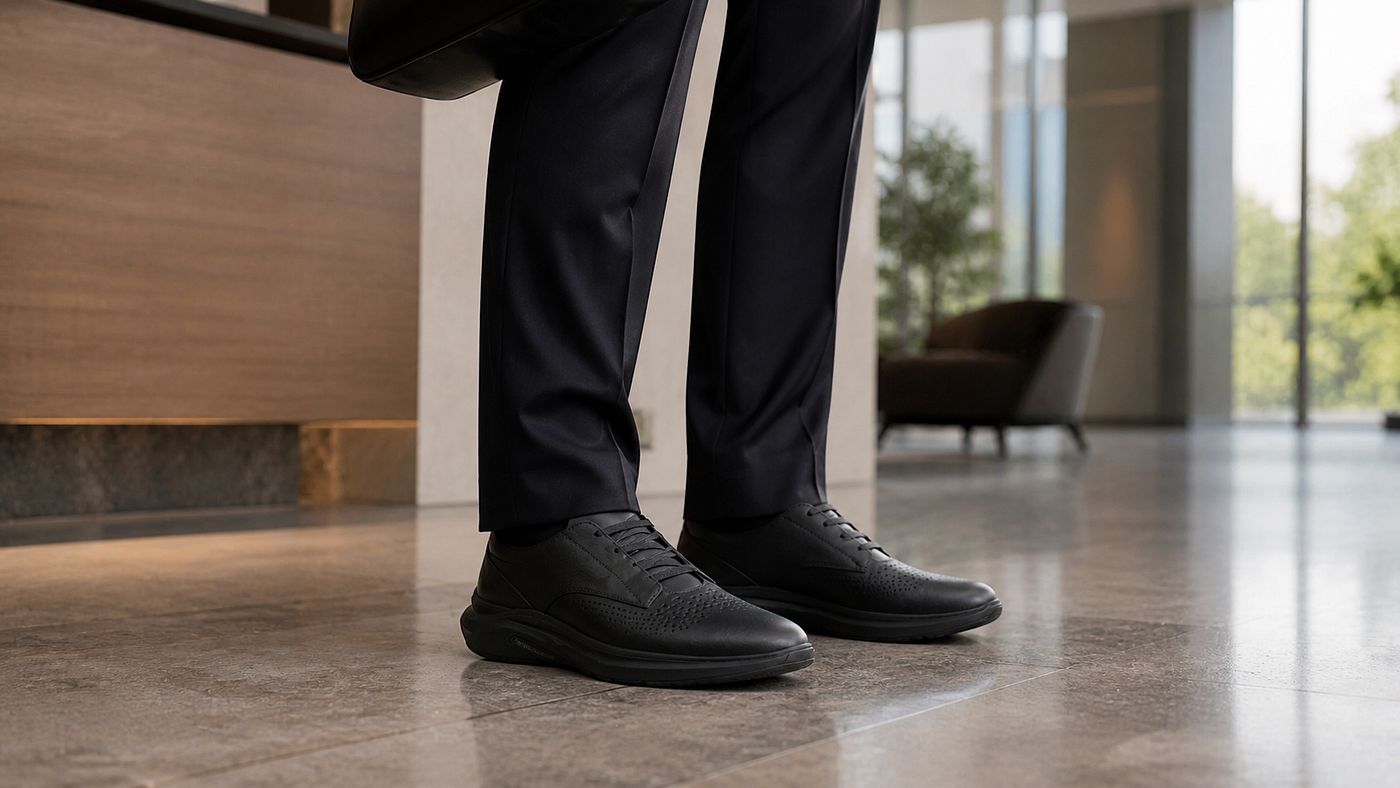
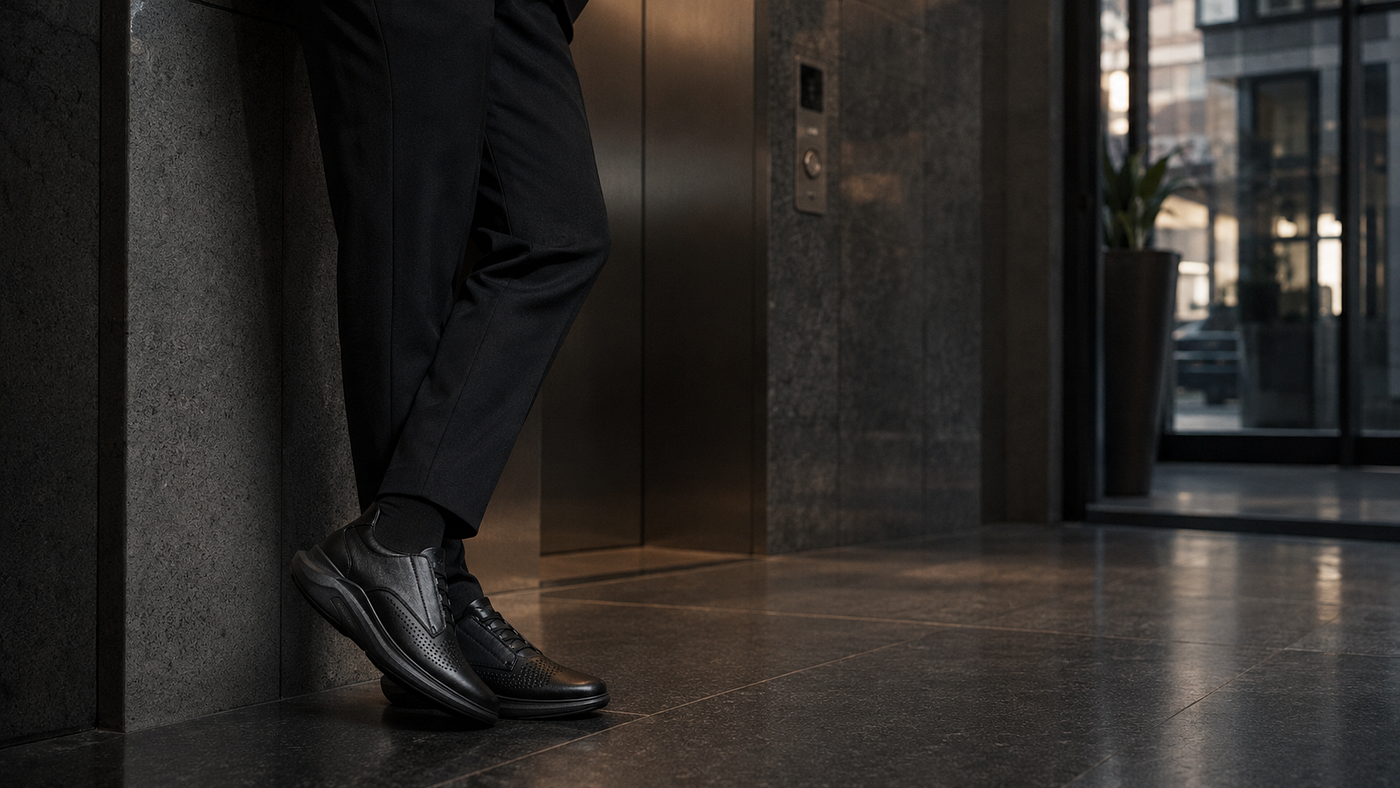
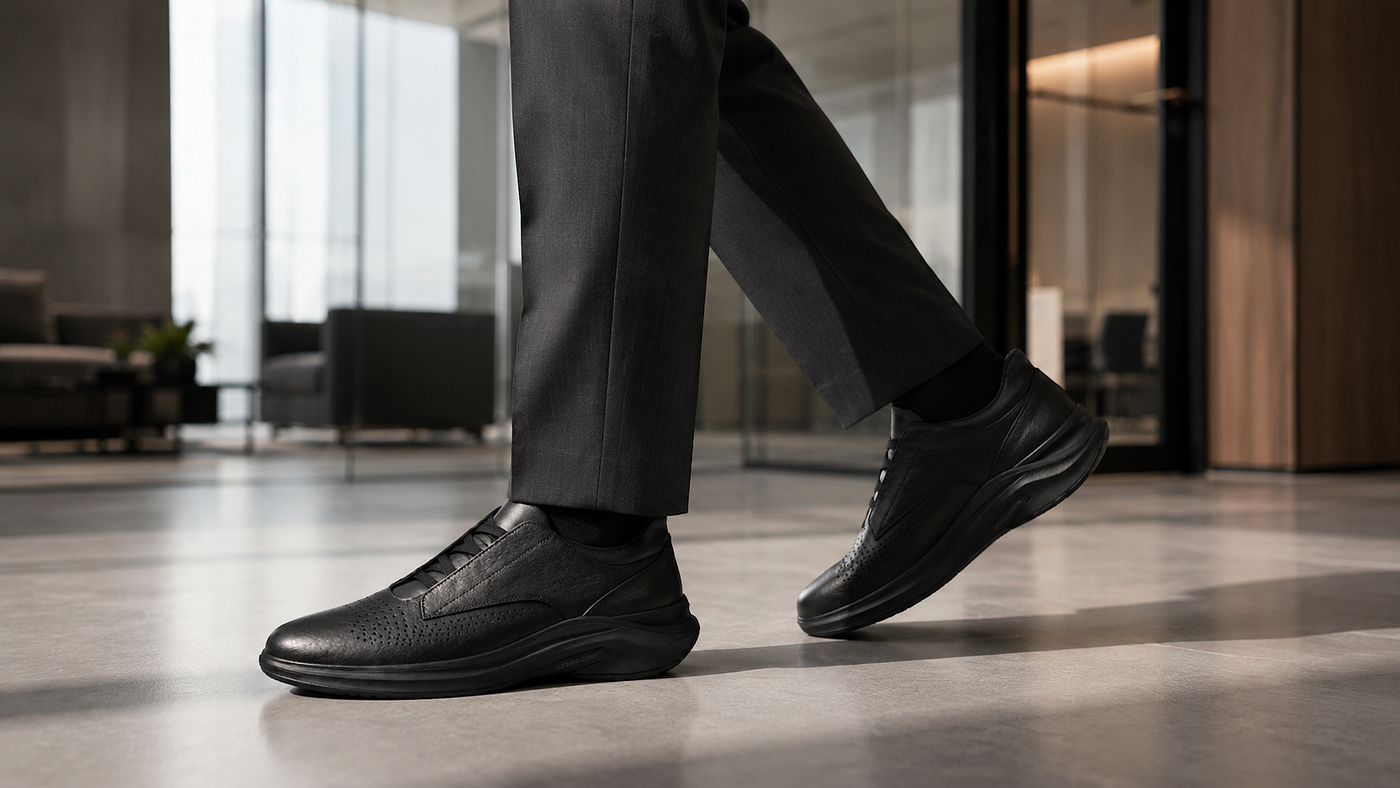
Modern workdays need a shoe that can cross between requirements without becoming confused. It has to look composed with trousers, meetings, and more polished settings. But it also has to handle commuting, hard floors, hallway walking, and the kind of repeated movement that most traditional dress shoes were never especially good at.
That’s where a good hybrid dress shoe starts to separate itself.
It should not just be a dress shoe with a sneaker sole glued under it. And it should not just be a comfort shoe trying to cosplay as something more formal.
A better hybrid dress shoe does a few harder things at once.
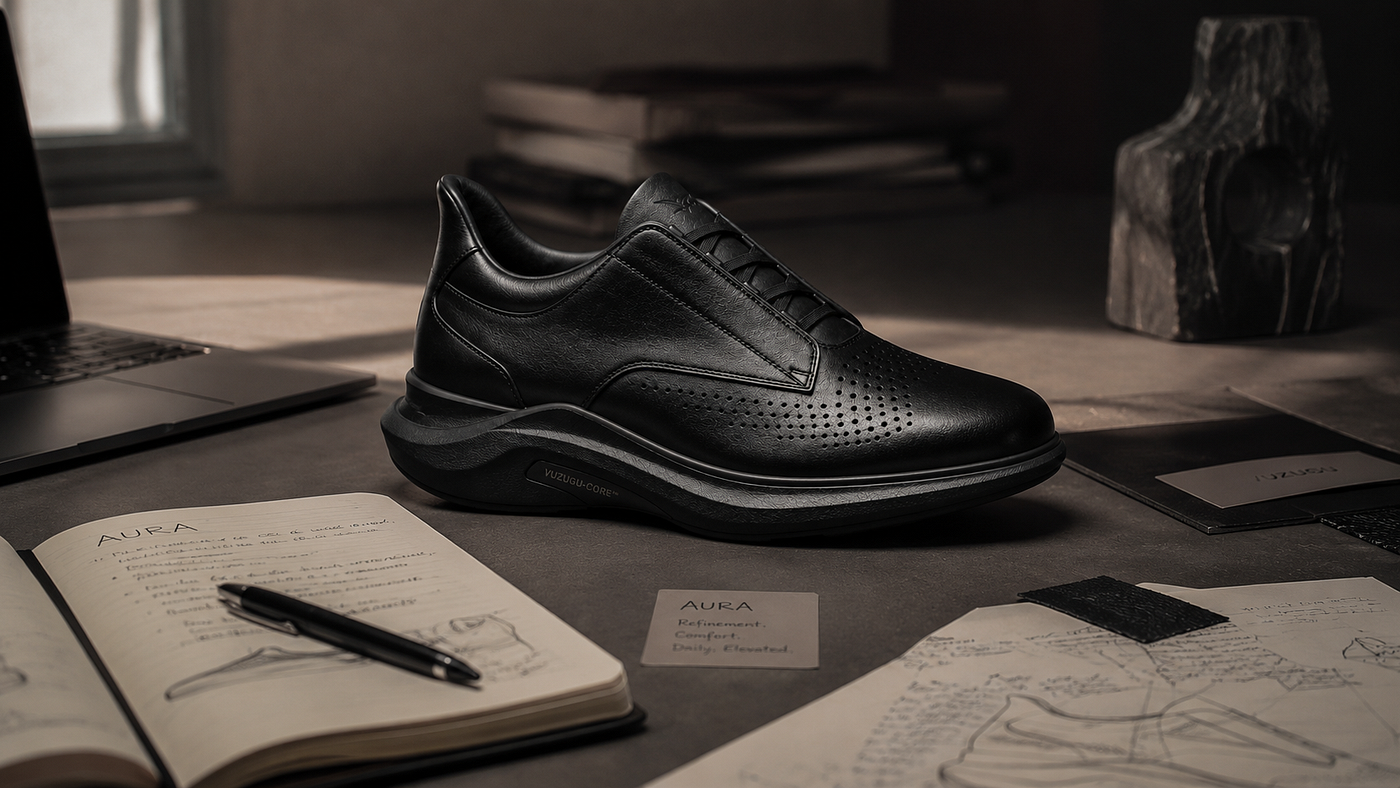
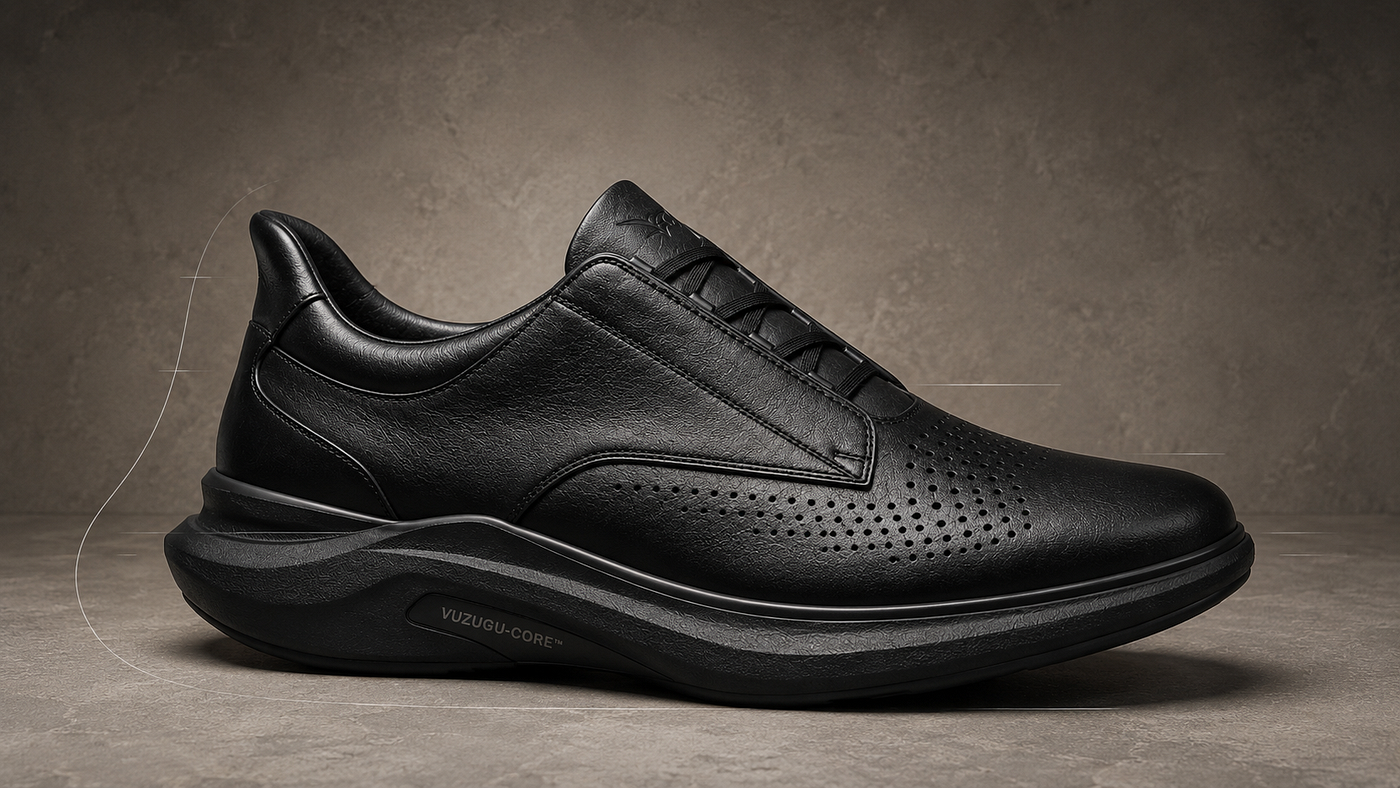
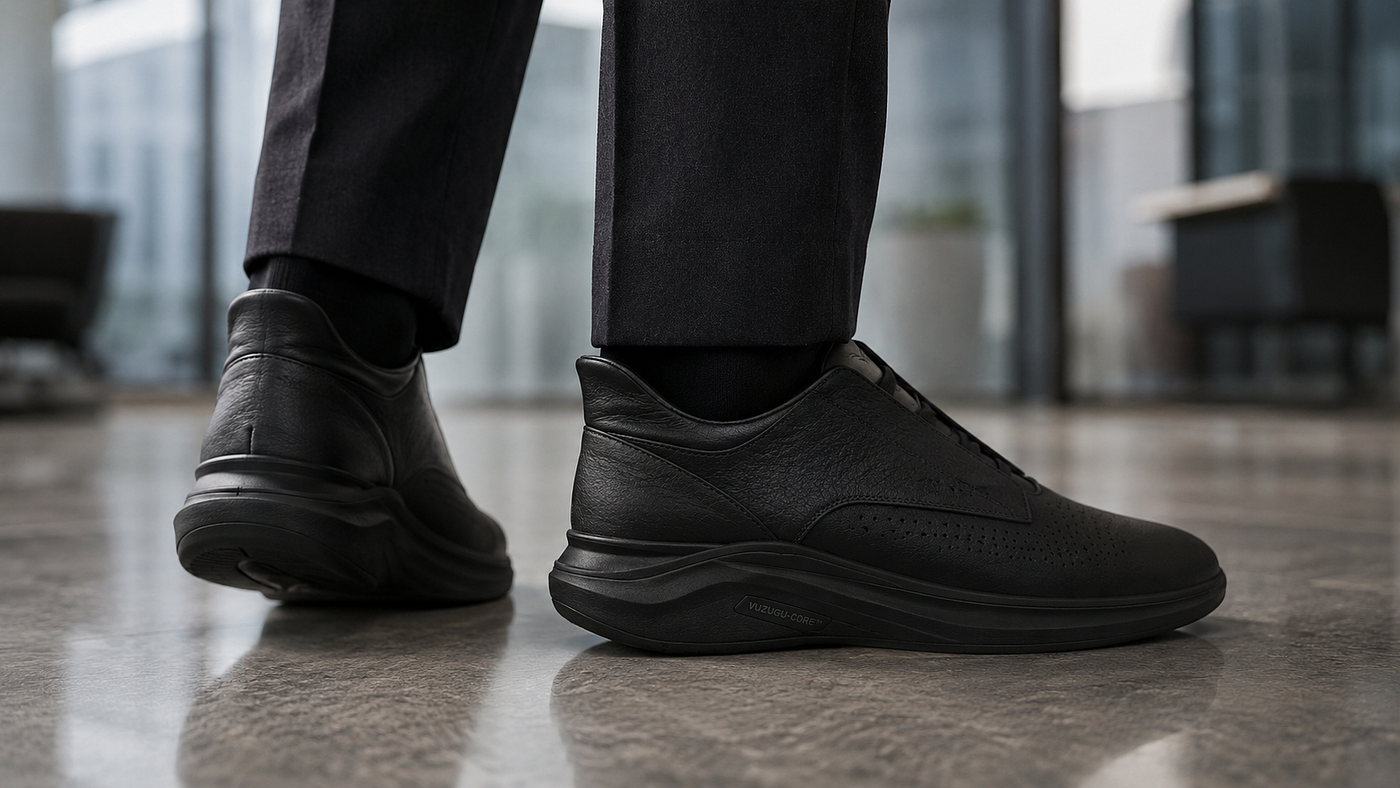
First, it holds its shape visually. The silhouette still matters. It still needs some restraint. Some calm. Some sense of proportion. If it looks too sporty, it stops working in the settings where people actually need it.
Second, it has to make movement easier in a real way, not only in a first-step way. That means better support underfoot, a platform that feels more settled, and cushioning that works with the structure instead of floating on top of it.
Third, it has to stay coherent through time. This part gets ignored all the time. A shoe can feel impressive for ten minutes and still become tiring after four hours. A better work shoe should still make sense later in the day, when your body is less fresh and the surfaces underfoot have had more time to test the platform.
That’s the standard we think matters now.
A hybrid dress shoe should feel like it was designed for modern workdays, not just adapted to them after the fact. It should be polished enough for professional life, easy enough for movement, and structured enough to carry a real day without falling apart into “softness up top, confusion underneath.”
That’s also why terms like structured comfort, hybrid work shoe, and VUZUGU-CORE matter to us. Not because they sound technical. Because they describe the difference between surface comfort and actual underfoot logic.
For a long time, the market treated this category like a style problem.
We think it’s a workday problem.
And once you see it that way, the bar gets a little higher. A hybrid dress shoe isn’t better because it looks newer. It’s better if it can actually live through the day you’re asking it to handle.
메타데이터
- post_id
- fb5fa3094034
- slug
- what-makes-a-hybrid-dress-shoe-better-for-modern-workdays-fb5fa3094034
- url
- https://medium.com/vuzugu-journal/what-makes-a-hybrid-dress-shoe-better-for-modern-workdays-fb5fa3094034
- canonical_url
- https://medium.com/vuzugu-journal/what-makes-a-hybrid-dress-shoe-better-for-modern-workdays-fb5fa3094034
- author_url
- https://medium.com/@vuzugu
- status
- ok
- fetched_at
- 2026-06-12 07:40:50